Pro Streamer Hardware Is a Scam You’re Still Buying
You’ve been sold a bill of goods. The entire 'pro streamer hardware' category is built on solving symptoms, not problems. We cut through the marketing to show you what actually impacts your stream quality.
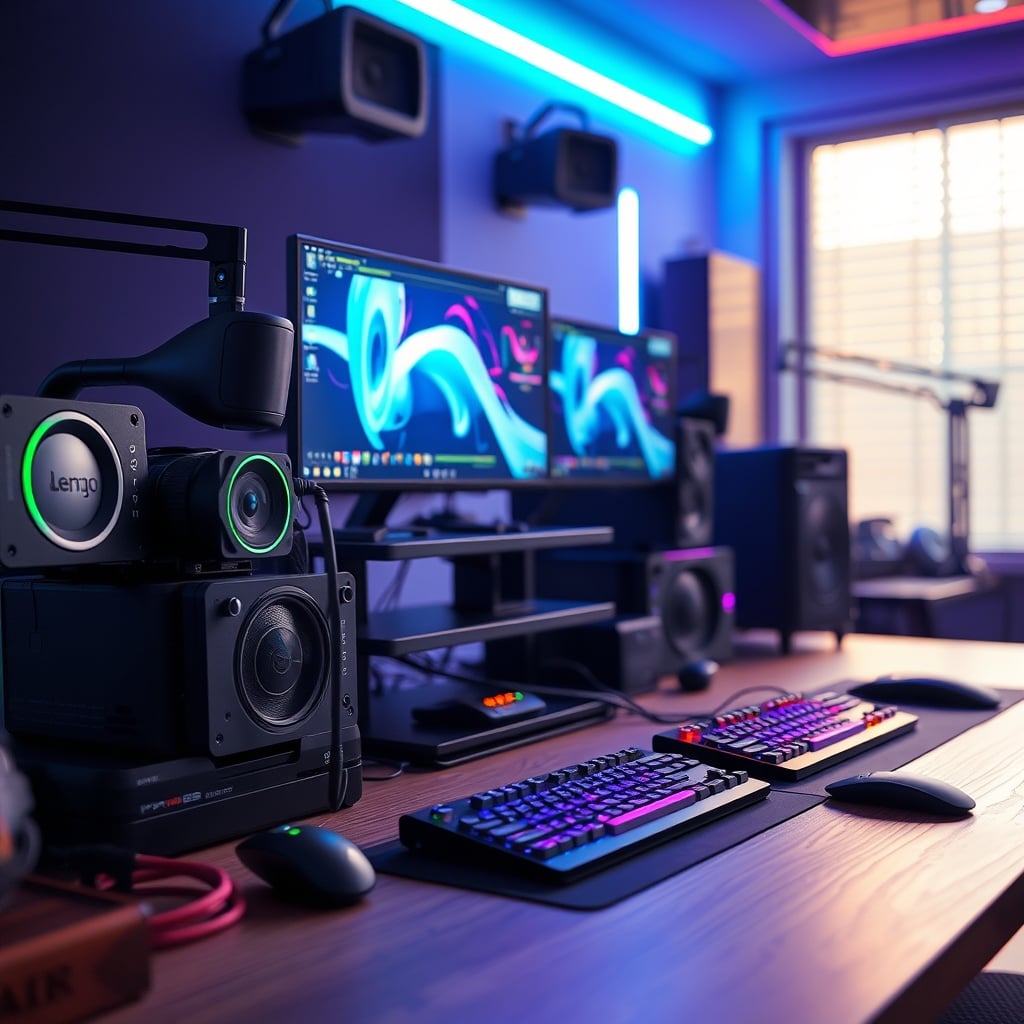
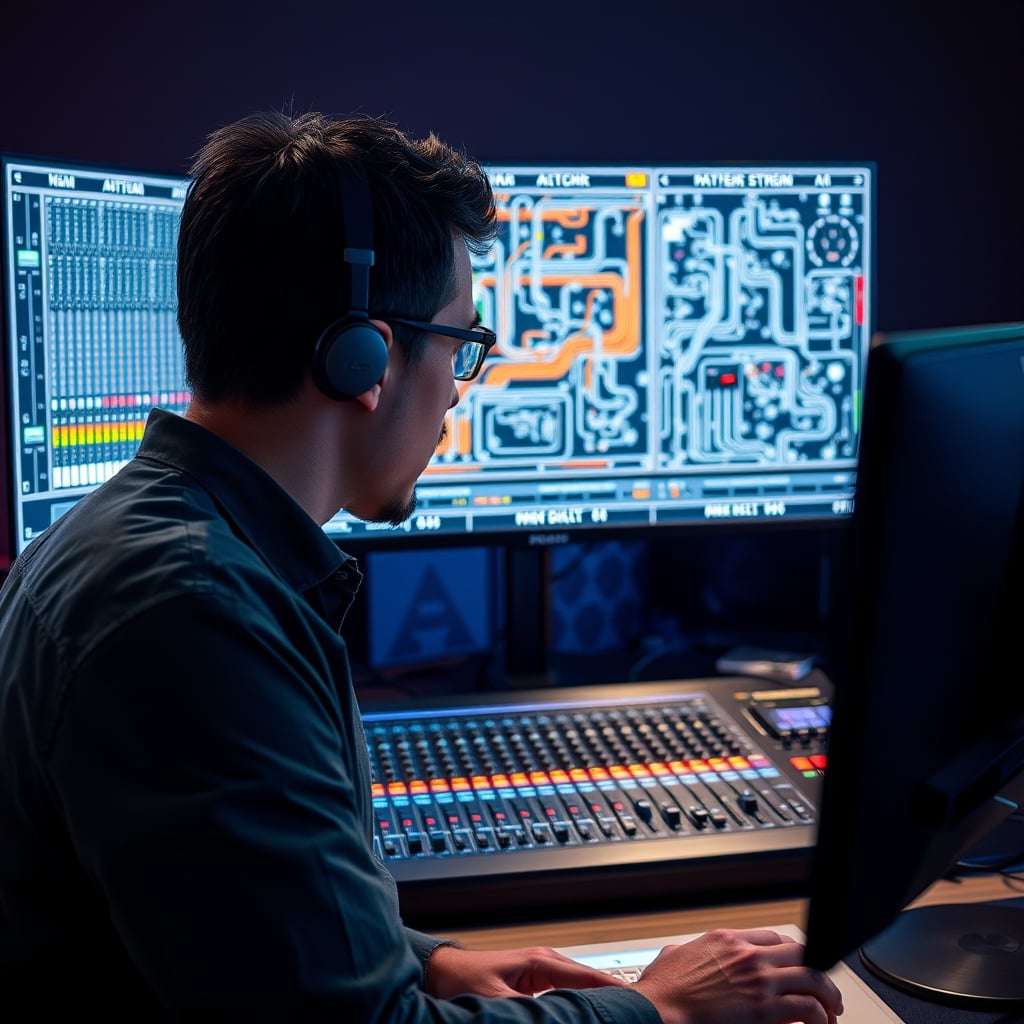
Let’s get one thing straight: the entire industry of pro streamer hardware is built on a foundation of anxiety. You’re told you need a dedicated macro pad, a physical audio mixer, and a separate hardware encoder to be ‘professional.’ It’s bullshit. I’ve seen streamers drop two grand on gear only to have their audio routing become more complex and their OBS scenes less reliable. After assessing dozens of real-world setups, the pattern is undeniable. The chase for ‘pro’ gear is a distraction from the fundamentals that actually make a stream watchable: clean audio, stable video, and a personality that doesn’t suck. The real issue is that you’re being upsold on hardware solutions for software problems, and it’s crippling your workflow before you even hit ‘Go Live’. This doesn't work for 90% of you.
The Pro Streamer Hardware Obsession Is Killing Your Creativity
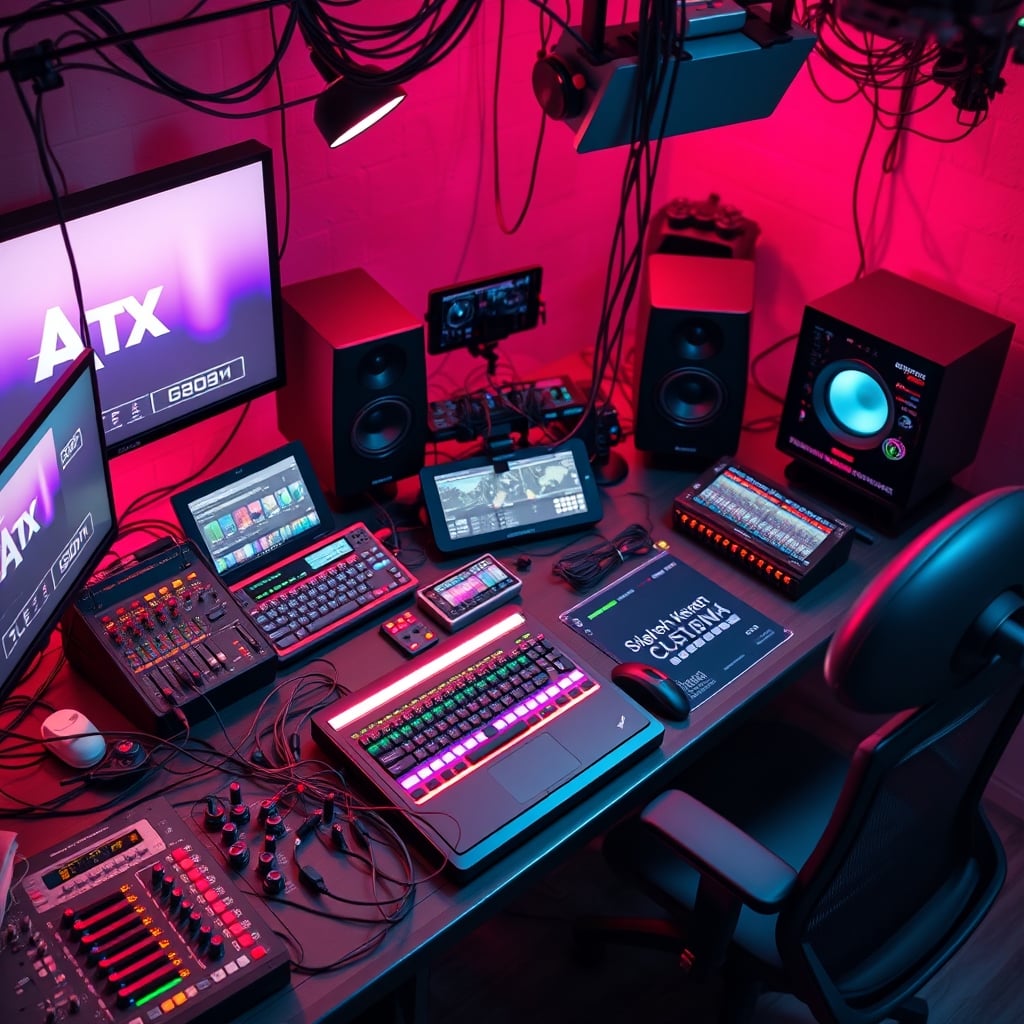
Walk into any setup subreddit or gear forum and you’ll see the same thing: a desk littered with glowing boxes, each promising to unlock ‘next-level’ production. This is not worth it. The industry lies about this. What you’re actually buying is a collection of single-purpose, physical buttons that are slower to reconfigure than a well-set-up software profile. The time you spend mapping your Stream Deck is time you’re not spending on content ideas, engaging with your community, or practicing your craft. Most people get this wrong. They think more hardware equals more professionalism. In reality, more hardware equals more points of failure, more cable management hell, and more cognitive load. I’ve watched streamers freeze on air because their hardware controller lost USB connection, while a simple keyboard shortcut would have worked flawlessly. This is overrated.
Why Dedicated Streaming Controllers Are a Crutch
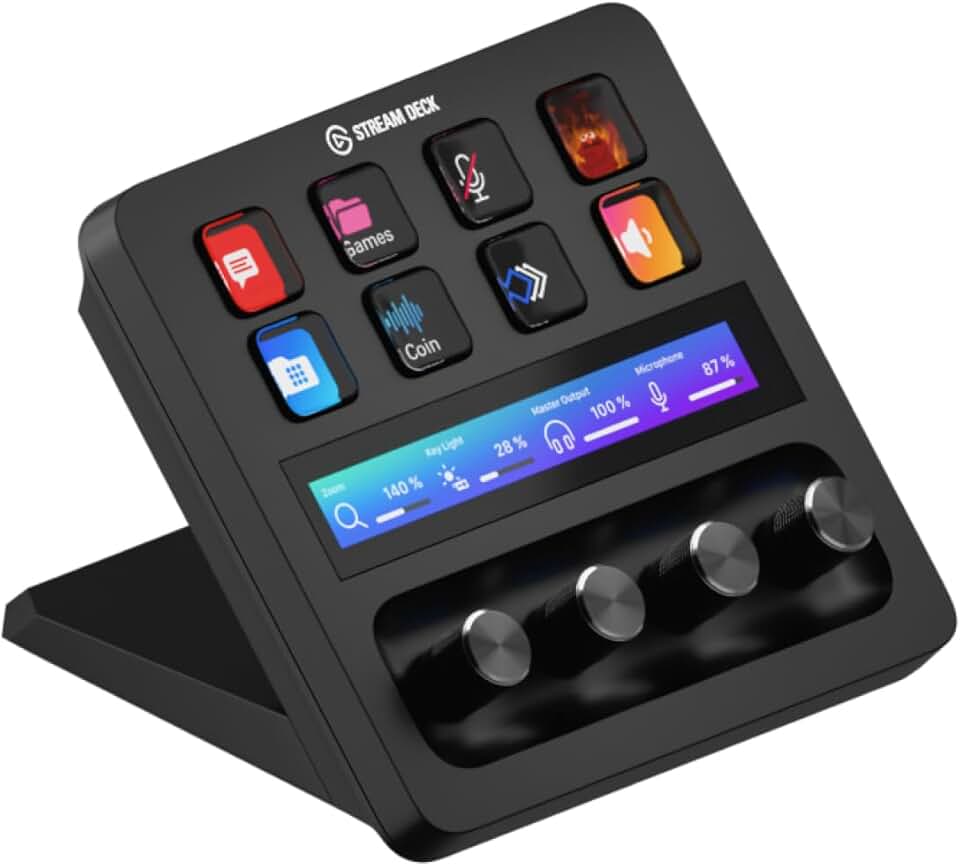
Streamers who have truly maxed out keyboard shortcuts and need dedicated, visual macro keys.
- 15 customizable LCD keys for instant actions
- Integrates with OBS, Twitch, Philips Hue, and hundreds of apps
- Plugin ecosystem for extending functionality
Let’ s talk about the centerpiece of this farce: the dedicated streaming controller. It’s a grid of customizable buttons that, when you strip away the marketing, is just a very expensive keyboard macro pad with a screen. The marketing sells you on ‘tactile control’ and ‘visual feedback.’ The reality? It’s a band-aid for poor OBS organization. If you need 32 physical buttons to manage your scenes and sources, your scene collection is a chaotic mess that no amount of hardware will fix. Users consistently report that after the initial novelty wears off, these devices become glorified mute buttons and scene switchers—functions that are handled perfectly well by a $20 number pad or, gasp, your actual keyboard. The real issue is that you’re offloading the mental work of learning your software to memorizing button locations on another device. This is a known issue for long-term use: the controller becomes a dependency, not an enhancement.
The Dual PC Audio Routing Myth That Needs to Die
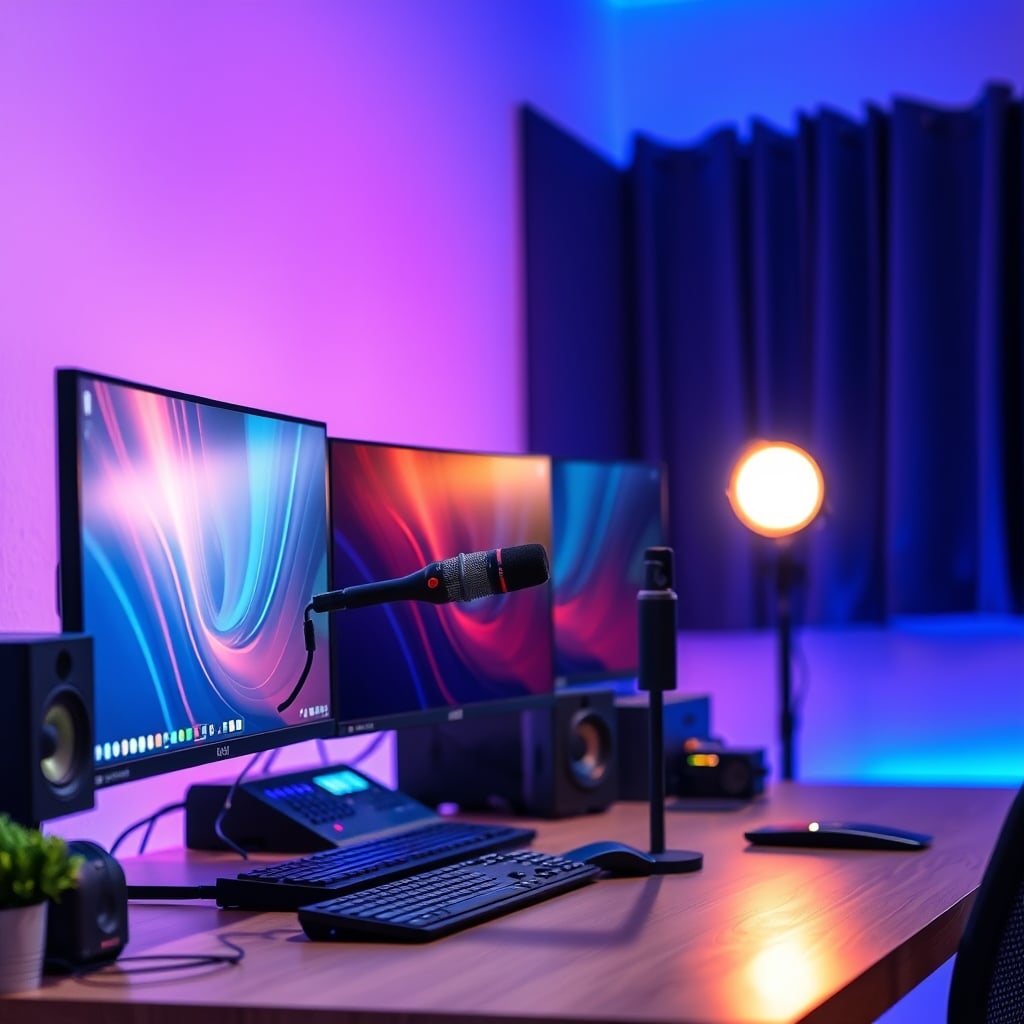
This is the hill I will die on. The obsession with dual PC audio routing using hardware mixers is the single most overcomplicated, overpriced, and overrated practice in streaming. The industry lies about this. You’re told you need a physical mixer, an audio interface, and a rat’s nest of XLR cables to route game audio, Discord, music, and mic between two computers. For 99% of streamers, this is insanity. It introduces ground loop hum, sync issues, and a configuration labyrinth that takes days to troubleshoot. Based on widespread user feedback, the ‘pro’ solution often results in worse audio latency and quality than a simple software solution like Voicemeeter or the built-in audio routing in OBS. This doesn't work as advertised for most home setups. The amount of stream time lost to ‘let me fix my audio’ because a physical cable got bumped is a silent killer of channels. You’re wasting money on this. For a simpler, more reliable path, explore our guide on dual PC audio routing.
What Actually Matters: Face-Lighting Angles, Not Buttons
While you’re obsessing over which macro controller to buy, you’ve probably pointed a cheap, harsh ring light directly at your face, creating a flat, unflattering look that makes you look like a ghost. This is the real issue. A $100 key light placed at a 45-degree angle will do more for your perceived production value than a $300 Stream Deck XL ever will. Good lighting is the ultimate ‘pro’ hardware, yet it’s treated as an afterthought. You can have the most sophisticated scene-switching setup in the world, but if you look like you’re broadcasting from a basement closet (because you are), your stream screams ‘amateur.’ Most people get this wrong. They prioritize the flashy, interactive gear over the foundational elements of video production. Invest in lighting placement and diffusion before you buy another box with buttons.
OBS Hardware Encoding Is the Silent Workhorse
Here’s the actual pro streamer hardware you should care about, and it’s probably already in your computer: your GPU’s NVENC encoder or your CPU’ s x264 encoder. The endless debates about ‘software vs. hardware’ encoding are mostly irrelevant in 2026. Modern NVENC (on RTX 40-series and beyond) is so good that running a heavy x264 preset on your CPU is often a net negative, introducing system instability for negligible quality gains at common streaming bitrates. The real performance comes from properly configuring OBS to use your hardware efficiently—setting the right bitrate, keyframe interval, and profile. Throwing a dedicated capture card with a built-in encoder at the problem is a solution for a tiny fraction of high-end studios, not for someone streaming to Twitch from their bedroom. This is overrated for virtually everyone reading this.
The Single Most Common Mistake: Buying Before Solving
The cardinal sin of this space is buying hardware to solve a problem you haven’t yet experienced. You buy a GoXLR because ‘all the pros have one,’ not because you’ve actually hit the limits of your software mixer. You buy a Deck because it looks cool, not because you have a demonstrable need for 15 instant actions. This is a known issue for long-term use: you end up with a drawer full of expensive gear that solved a problem you never had. Start with software. Master OBS’s built-in audio filters. Use keyboard hotkeys. Create a clean, simple scene structure. Only when you find yourself thinking, ‘I wish I could do X faster or more reliably,’ should you even look at hardware—and even then, the answer might be a better software plugin or a different workflow. For a deeper dive on avoiding gear traps, see our take on Stream Deck Alternatives 2026: Why You're Buying Wrong.
The Verdict: Skip It (For Now)
Here’s the clear, definitive verdict most hardware review sites are too afraid to give: skip it. The entire category of dedicated pro streamer hardware is overrated for anyone who isn’t already a full-time, revenue-generating streamer with a concrete, daily pain point. The money is almost always better spent on a superior microphone, proper lighting, or a better camera. If you absolutely must have tactile control, start with the smallest, cheapest option. But understand you’re buying a convenience toy, not a necessity. Your viewers don’t care what’s on your desk. They care if your stream is enjoyable to watch. And that comes from skill, consistency, and basics done well—not from a glowing box of buttons. Focus on the content, not the container. Your wallet and your sanity will thank you.
Frequently Asked Questions
Are streaming controllers like the Elgato Stream Deck completely useless?
No, they're not useless, but they're wildly over-prescribed. They are a convenience item for people who have already maxed out their software efficiency and need physical controls for complex, frequent actions during a live show. For most beginners and intermediates, they solve a problem that doesn't exist yet and add unnecessary complexity.
What is the most important piece of hardware for a professional-looking stream?
After a decent microphone, it's lighting. A proper key light positioned correctly (typically at a 45-degree angle to your face) does more for perceived production quality than any controller or mixer. Good lighting makes a cheap camera look good; bad lighting makes an expensive camera look terrible.
Do I need a hardware audio mixer for a dual PC streaming setup?
Almost certainly not. Modern software solutions like Voicemeeter, OBS's own application audio capture, or even virtual audio cables are more than sufficient and far less prone to physical connection issues and ground loop hum. The hardware mixer path is a complex, expensive solution for a niche professional problem.
Is OBS hardware encoding (NVENC) good enough for professional streaming in 2026?
Yes, absolutely. The NVENC encoder in modern NVIDIA RTX GPUs (30-series and especially 40-series) is exceptionally good. For the bitrates allowed on platforms like Twitch and YouTube, the visual difference between a well-configured NVENC stream and a software x264 stream is negligible, and NVENC places zero load on your CPU, improving overall system stability.

Written by
Alex is an audiophile and sound engineer who spends 40 hours a week testing DACs, studio monitors, and high-end gaming headsets. He believes bad audio ruins good games.
Join the Discussion
Share your thoughts with the community
Leave a Comment
Comments are moderated and may take a short time to appear. Links are not permitted.