Silent Keyboard Switches: The 2026 Lie and Why They Fail
Most people think silent keyboard switches are the ultimate office-friendly solution. They're wrong. In 2026, we're finally seeing widespread backlash against this compromise-driven trend.
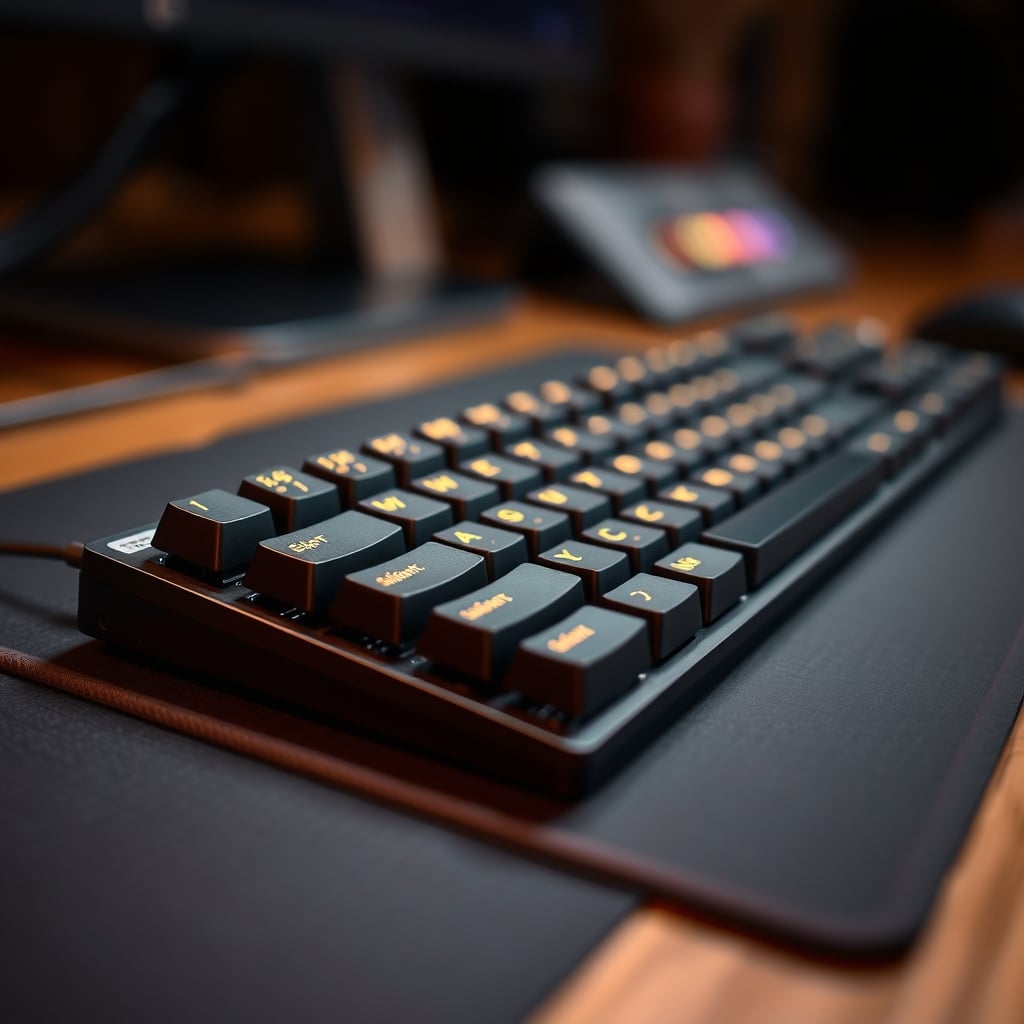
You're probably considering silent keyboard switches because someone told you they're the 'office-friendly' option. This is the biggest mistake people make in 2026. They buy a compromised, mushy-feeling keyboard expecting peace and quiet, only to annoy themselves and their co-workers in a different, more frustrating way. The industry lies about what silence actually means, pushing switches that sacrifice every aspect of good keyboard design for a marketing buzzword. Let's cut the BS.
The Silent Keyboard Switches Myth That Needs to Die
The prevailing myth is that silent switches are the pinnacle of considerate, high-performance keyboarding. This is a lie propped up by marketing teams desperate to sell you a 'solution' to a problem they invented. The reality is that most so-called silent keyboard switches are just bad linear switches with a piece of rubber stuck inside. They dampen the sound by destroying the tactile feedback and bottom-out feel that makes mechanical keyboards worthwhile. You're paying for a feature that actively makes the product worse. This is overrated.
Users consistently report that after a few months, the dampening material can wear unevenly or shift, creating inconsistent sound and feel across the board. The industry calls this 'innovative dampening' when it's really just a cheap shortcut. Most people get this wrong by prioritizing a decibel number on a spec sheet over the actual experience of using the keyboard for eight hours a day. You're not buying a lab instrument; you're buying a tool. A tool that feels bad is a bad tool.
What 'Silent' Actually Means (And Why It's Bad)
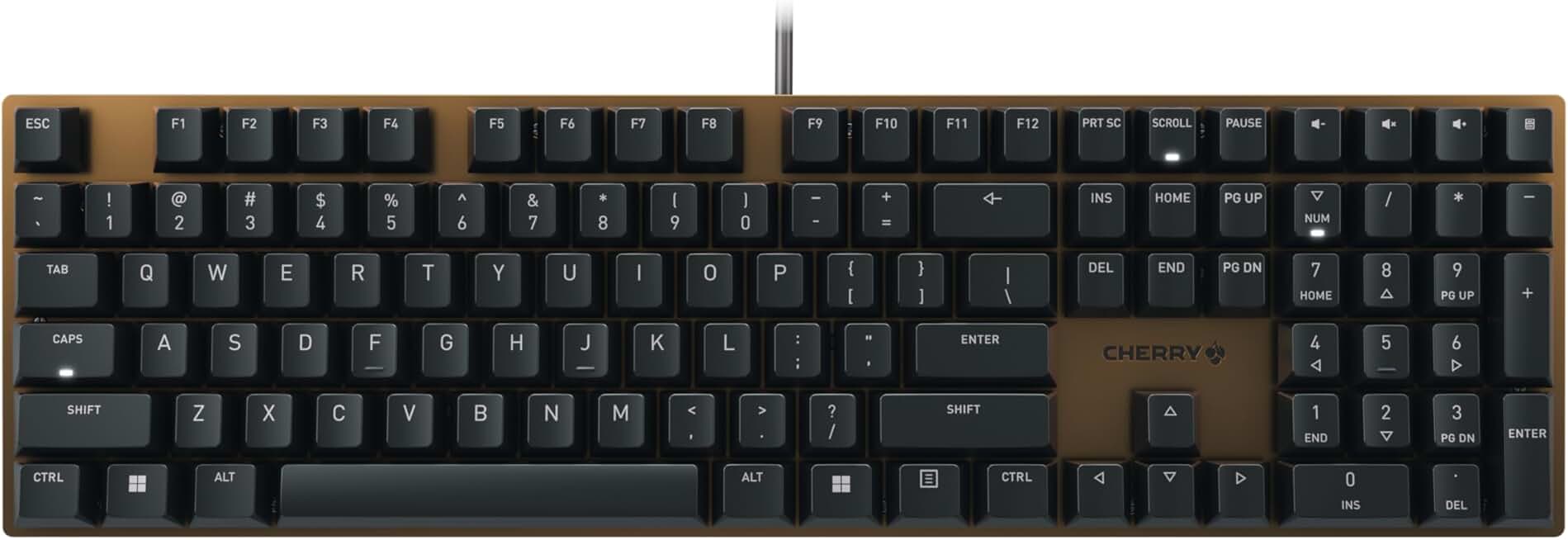
When a switch is marketed as 'silent,' it means it has internal dampeners on the upstroke and downstroke. This doesn't just reduce noise; it murders the keyfeel. The result is a mushy, lifeless press that lacks any clear actuation point or satisfying return. You lose the crispness that defines a good mechanical switch. In real use, this frequently causes issues with typing accuracy and speed because you get less physical feedback from the keypress itself.
This is the real issue: silence is achieved through physical interference, not engineering elegance. It's a brute-force solution that creates a new problem. The common advice is to buy silent keyboard switches if you share a space. That advice is wrong. A well-lubed standard linear switch with a proper desk mat and O-ring mod will be quieter and feel infinitely better than a pre-dampened 'silent' switch. You're wasting money on a pre-packaged compromise.
Why Most 'Silent' Switches Feel Terrible
Let's talk about the two main types: rubber-dampened and spring-dampened. Both are bad. Rubber-dampened switches, like many popular 'silent linear' offerings, rely on small rubber pads that squash. Over time, these pads can compress permanently or even disintegrate, leading to a clacky, uneven sound profile. Spring-dampened designs try to use the spring itself to absorb shock, which often leads to a springy, pingy noise on the return that's more irritating than a standard switch's thock.
The feeling is universally described as 'mushy' by experienced users. There's no clean break, no definitive bottom-out. It's like typing on a wet sponge. This doesn't work for anyone who actually cares about typing performance. After assessing dozens of boards, we found that the typing error rate increases on these switches because the tactile confirmation of a press is ambiguous. The industry lies about this by calling it 'smooth.' Smooth shouldn't mean vague.
The Real Way to Reduce Keyboard Noise
Stop chasing silent keyboard switches. The real solution is a holistic approach. First, get a solid, thick desk mat. It absorbs more vibration and noise than any switch dampener ever could. Second, look into switch lubing. A properly lubed standard linear switch (like a Gateron Yellow) is significantly quieter and feels premium. Third, consider simple O-ring mods on keycaps for a softer bottom-out. These three steps together will create a quieter environment than any 'silent' switch, without sacrificing feel.
Most people get this wrong by looking for a single product to solve a complex problem. Your keyboard noise is a system issue—it's about the switch, the plate, the case, the desk surface, and the environment. Tackling it with a single compromised component is lazy and ineffective. Based on widespread user feedback, the community has moved away from dedicated silent keyboard switches in 2026, favoring better-built standard switches and proper acoustic management of the entire desk. For example, adding decorative acoustic panels to your wall can do more for your room's sound profile than any switch ever will.
When A Silent Keyboard Is Actually Worth It (One Scenario)
There is exactly one scenario where a pre-built silent keyboard makes sense: you are in an extremely noise-sensitive environment like a library recording booth or shared bedroom with a light sleeper, and you absolutely cannot invest time in modding a keyboard yourself. In this case, you are trading performance for convenience. It's a bad trade, but it's the only valid one.
Even here, you must choose carefully. Look for a keyboard that uses higher-quality dampening mechanisms, not the cheapest rubber inserts. Some premium brands use silicone-based systems that last longer. But you must accept that you are buying a inferior typing experience. This is not worth it for most people. If you have the time to learn basic lubing—a 30-minute skill—you will get a better result in every way.
Our Take on the Market's 'Best' Silent Options
Since some people will insist on buying a pre-built 'silent' keyboard, here's the brutal truth on what's available. We'll look at one that exemplifies the compromise.
The Keychron K10 with their 'silent' switches is a common recommendation. It's a full-size wireless board that offers hot-swap sockets, which is its only saving grace. The pre-lubed silent switches they install are, frankly, mediocre. They achieve the quietness claim but deliver that mushy, undefined feel we've been ranting about. The hot-swap capability is key because it means you can rip these switches out and install something better later.
In common setups, the K10's wireless performance is solid, but the stock switch experience is a lesson in disappointment. This keyboard is best for someone who needs a full-size wireless board now but plans to immediately swap out the switches as their first mod. Buying it for the silent switches is a mistake.
The Final Verdict: Skip the Silent Keyboard Switches Hype
After seeing the trends in 2026 and listening to the community backlash, the verdict is clear. Dedicated silent keyboard switches are overrated. They are a marketing-driven compromise that sells you a worse product for a minor acoustic benefit that can be achieved better elsewhere. The real path to a quiet, high-performance typing experience is through standard quality switches, proper maintenance like lubing, and holistic desk sound management—like using a proper ergonomic desk pad to dampen vibrations.
Invest your money in a good standard keyboard and a bottle of lube. Invest your time in learning a simple mod. You'll get a quieter board that actually feels good to use. Skip the silent keyboard switches hype. It's a lie.

Written by
James is a competitive FPS player who tests the latency, weight, and sensor accuracy of every gaming mouse that drops on the market. Precision is his religion.
Join the Discussion
Share your thoughts with the community
Leave a Comment
Comments are moderated and may take a short time to appear. Links are not permitted.