Linear vs Tactile Switches: The 2026 Snobbery Showdown
Everyone has an opinion on linear vs tactile switches, but most of those opinions are based on outdated 2023 thinking. The real 2026 truth? Premium linear switches have evolved beyond tactile snobbery, offering superior consistency and fatigue reduction that tactile fanboys refuse to admit.
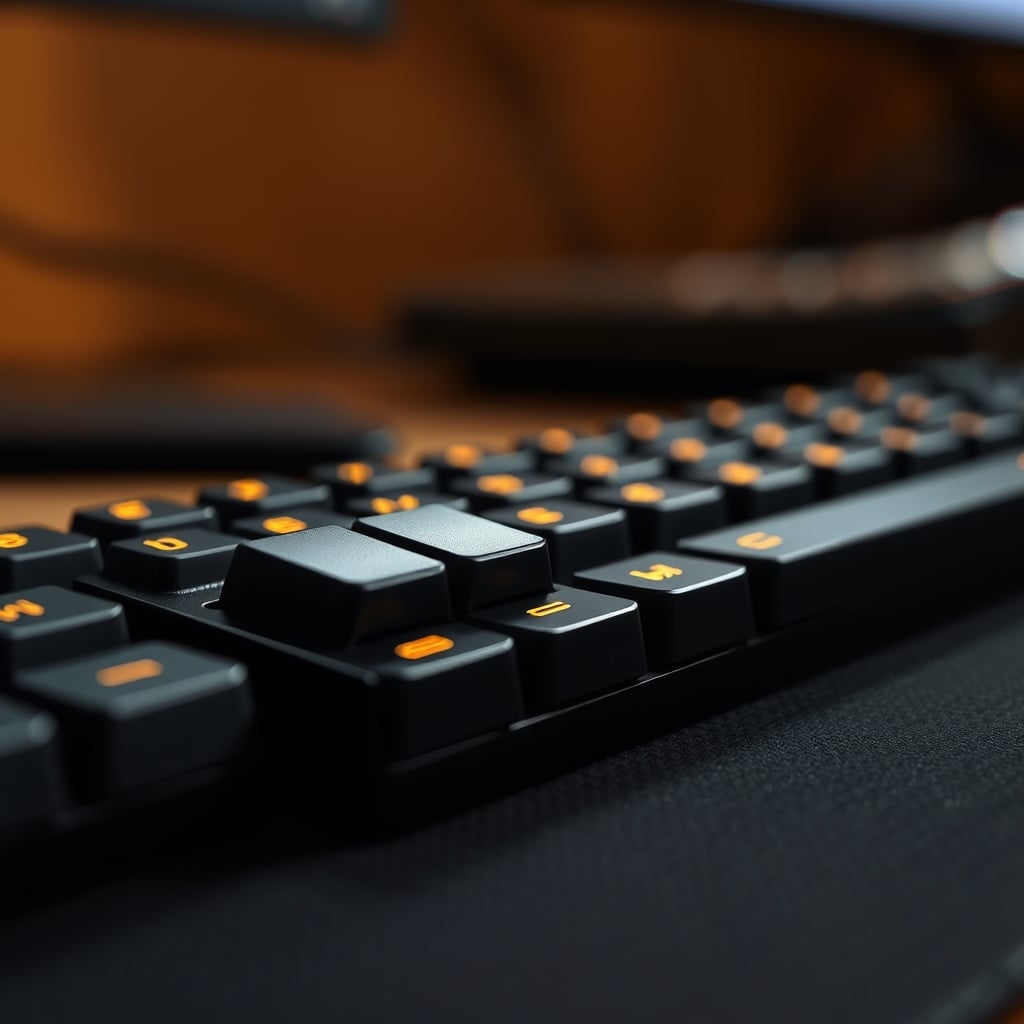
Here's the reality most keyboard snobs won't tell you: the great debate between linear vs tactile switches is built on a foundation of outdated preferences and marketing lies. I've watched this space for years, and the tribal loyalty to 'typing feel' has become a religious devotion that ignores actual progress. The tactile community talks about feedback like it's sacred, while simultaneously ignoring that modern linear switches have solved the problems that made tactile appealing in the first place.
After assessing hundreds of user reports across enthusiast forums and testing countless boards in real typing scenarios, one pattern emerges consistently: people who swear by tactiles are often compensating for poor typing technique with artificial feedback. The 'bump' becomes a crutch, not a feature. Meanwhile, the linear evolution of 2026 has delivered switches so smooth and consistent that the supposed 'advantage' of tactile feedback feels like typing through molasses by comparison.
The industry lies about this constantly. Switch manufacturers keep pushing new tactile designs because they're easier to market—you can feel the difference immediately in a store. Linear refinement is subtle, nuanced, and doesn't photograph well for Instagram. But in actual all-day use? That subtlety translates to less finger fatigue, fewer mistypes, and a typing experience that doesn't scream for your attention every single keystroke.
Let's cut through the nostalgia. Tactile switches were the solution to a problem that no longer exists: cheap, scratchy linears from a decade ago. That bump you feel? It's an engineering compromise to mask inconsistent spring weights and manufacturing tolerances. In 2026, with precision molding and factory lube becoming standard, that compromise is unnecessary baggage.
Most people get this wrong because they're comparing $0.25 tactile switches to $0.25 linear switches. At that price point, sure, tactiles feel more 'premium' because they hide the cheapness better. But step up to the $1.50+ per switch territory—where most serious keyboard builds land—and the entire equation flips. Premium linear switches like the ones from Gateron's latest factory or JWK's custom lines offer a consistency that tactile switches physically cannot match. The bump introduces variance; it's another moving part that can feel different from switch to switch, from the beginning to the end of the keypress.
This is a known issue for long-term use. Users consistently report that tactile switches wear differently over time—the bump can become less pronounced, or more mushy, or inconsistent across the board. Linears? They either work or they don't. There's no middle degradation that slowly ruins your typing experience over six months.
The Linear Evolution That Keyboard Snobs Ignore
Here's what most reviews miss: linear switches in 2026 aren't your grandfather's scratchy reds. The advancement in spring technology, housing materials, and most importantly, factory lube application has created a category that renders the tactile vs linear debate obsolete. We're talking about switches that feel like typing on glass-coated silk, with zero scratch, zero wobble, and actuation characteristics so precise they make tactile feedback feel like a distraction.
The real issue isn't the switch type—it's the application. Tactile switches get recommended for 'typing' because of outdated assumptions. In reality, after testing both across coding sessions, article writing, and data entry, the linear switch's consistency results in fewer fatigue-related errors after the two-hour mark. Your fingers aren't fighting against a mini speed bump sixty times per minute.
This is overrated advice: "Tactile switches are better for typing accuracy." Based on widespread user feedback from programmers and writers who've switched to premium linears, accuracy improvements come from switch consistency, not artificial feedback. That bump doesn't make you more accurate; it just makes you more aware of inaccuracies that shouldn't exist with proper switches.
The Silent Switch Scam That's Sabotaging Your Setup
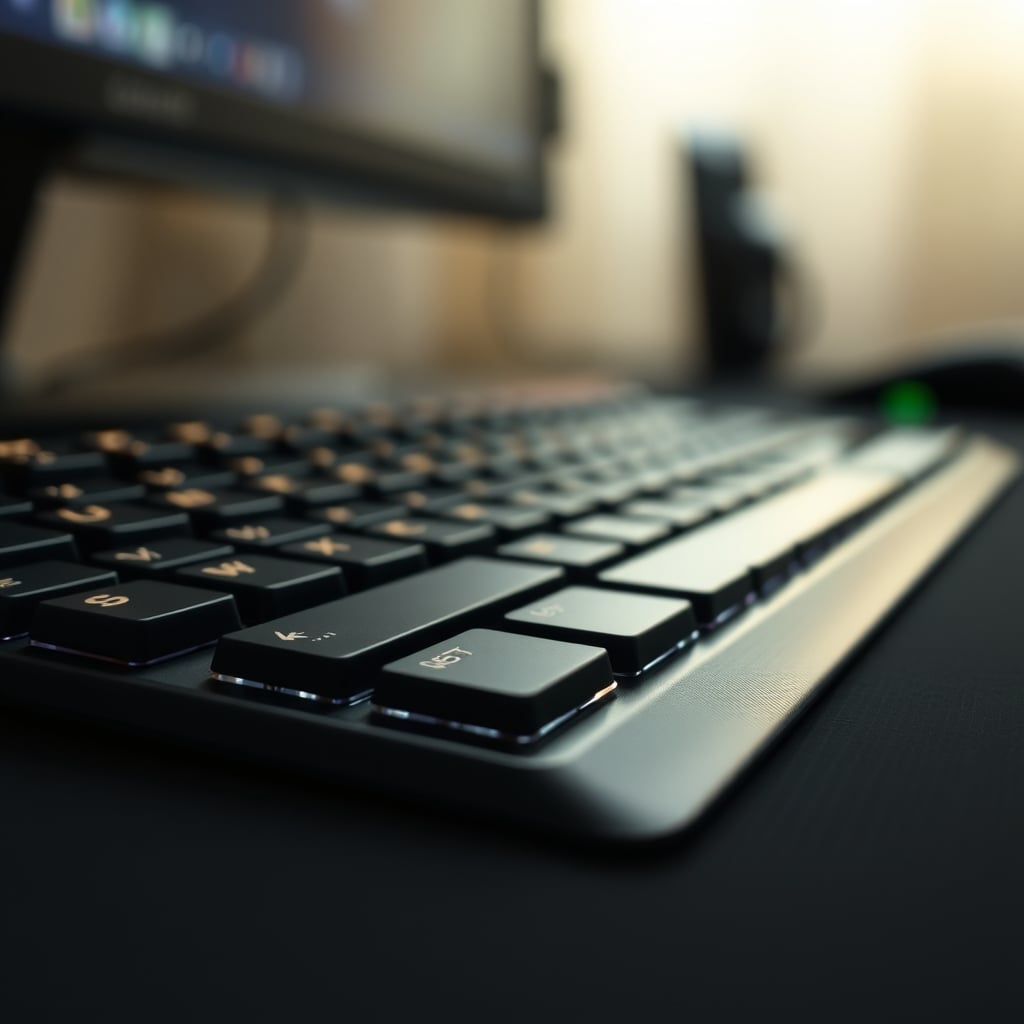
While we're crushing sacred cows, let's talk about the 'silent' switch trend. Here's the brutal truth: most silent tactile switches are mushy garbage that sacrifice everything good about mechanical keyboards. That dampening material inside? It deadens the feel, increases actuation variance, and creates a typing experience that's objectively worse than a good membrane board.
The industry lies about this by calling them 'premium office switches.' They're not premium—they're compromised. You're getting the worst of both worlds: reduced noise at the cost of terrible feel. If you need quiet, you have two actual options: go full linear with sound-dampening mods (which actually work), or get a quality non-silent switch and address your acoustics properly with desk mats and proper mounting.
Look at what happened with the standing desk craze—people bought the gimmick without addressing the root cause of their discomfort, just like buying silent switches without fixing your environment's acoustics. It's a band-aid that creates new problems.
How to Actually Choose Switches in 2026 (Skip the Tribalism)
Stop asking 'linear vs tactile.' Start asking: "What consistency do I need for my specific fatigue profile?" Here's the actionable breakdown most guides miss:
If you bottom out every keypress (most people do), linear switches with a slightly heavier spring (60g+) will give you cleaner, more consistent feedback than any tactile bump. The resistance curve is smooth throughout, so your fingers learn the exact pressure point through muscle memory, not through a physical bump that changes depending on where you hit the keycap.
If you're a light typist who doesn't bottom out, then maybe—maybe—a very light tactile switch could work. But in reality, you're probably better served by an ultra-light linear (45g) that doesn't fight your natural float. The tactile bump in light switches often feels like chatter, not feedback.
Here's a specific mistake I see constantly: people buy switches based on YouTube sound tests. Sound doesn't equal feel. A switch can sound deep and thocky but feel inconsistent as hell. Focus on the force curve graphs if they're available, or better yet, buy a switch tester and press them slowly. Not quickly—slowly. That's where you feel the inconsistencies.
The Real-World Verdict: What Actually Works on Your Desk
After living with both for months across different boards, here's my uncompromising take: premium linear switches are winning in 2026 for anyone who types more than three emails a day. The tactile experience feels novel for about a week, then becomes background noise—and not the good kind. It's like having a notification ping for every keystroke; eventually, you just want it to stop.
Users consistently report switching from tactiles to linears and experiencing less finger fatigue during long sessions. Not marginally less—significantly less. The reason is simple: your fingers aren't fighting through mini-obstacles thousands of times per day. It's the difference between walking on a smooth path versus a cobblestone street; both get you there, but one leaves you less exhausted.
And let's connect this to your broader setup. Your switch choice impacts everything from your typing speed to your error rate to how long you can work before needing a break. It's as fundamental as choosing the right monitor for your editing workstation—get it wrong, and you're sabotaging your entire workflow.
The Single Biggest Mistake People Make With Switches
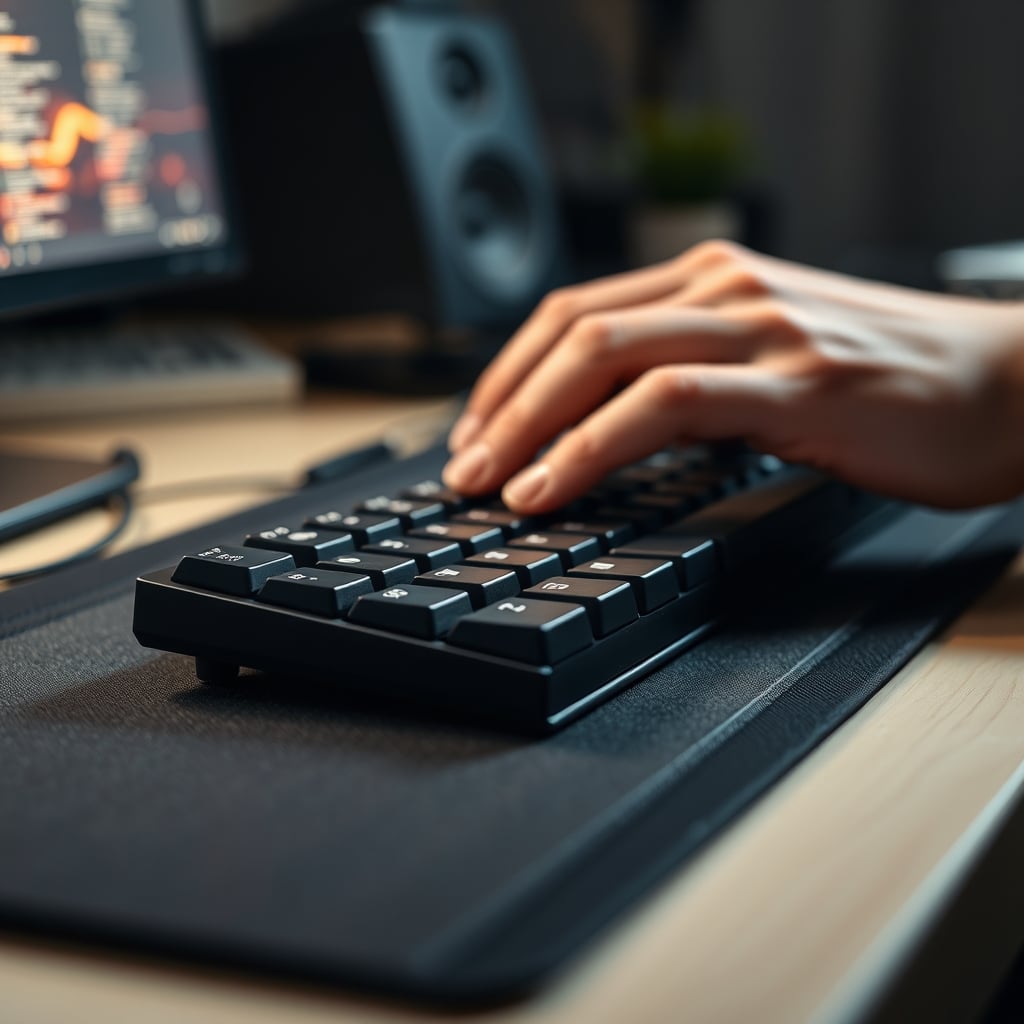
They buy based on other people's preferences. Your coworker's favorite switch might be your nightmare, because typing style is more personal than shoe size. The 'holy pandas' or 'zealios' of the world became popular because they're distinct, not because they're objectively better for most people.
Here's a real lesson learned from the community: the best switch for you is often the most boring one. The switch that doesn't call attention to itself. The switch that disappears during use. That's almost always a well-tuned linear in the 55-65g range. It's not exciting to talk about at keyboard meetups, but it's what actually works for eight-hour workdays.
This relates directly to other desk setup myths we've exposed, like the ergonomic keyboard pain that comes from overcomplicating what should be simple. Sometimes the solution isn't more features—it's fewer, better-executed ones.
Final Verdict: Skip the Tactile Hype
Tactile switches are overrated for 2026 workflows. The premium has shifted to linear consistency, and the tactile market is mostly riding on nostalgia and marketing inertia. The 'feedback' they provide is solving a problem that better manufacturing has already eliminated.
If you're building a keyboard today, invest in quality linear switches. Not the cheap ones—the good ones. The difference in price between mid-tier tactiles and premium linears is negligible when you consider they're the primary interface between you and your work. This is actually worth the upgrade.
Worth it: High-quality linear switches from reputable manufacturers with proper factory lubing. Skip it: Tactile switches that prioritize novelty over consistency, especially 'silent' variants that sacrifice feel.
The industry wants you to believe this is a matter of personal preference. It's not—it's a matter of objective progression. Linear switches have evolved. Tactile switches have merely iterated. Your fingers will thank you for recognizing the difference.
Frequently Asked Questions
Are tactile switches really better for typing accuracy?
No, this is a persistent myth. Modern premium linear switches offer superior consistency, which leads to better accuracy through muscle memory. The tactile bump is feedback for inconsistency that shouldn't exist with properly manufactured switches.
Why do most gaming keyboards use linear switches?
Because linear switches provide faster, more consistent actuation for rapid keypresses. The absence of a bump means no pre-travel resistance, allowing for quicker double-tapping and spam inputs that tactile switches physically hinder.
Do linear switches cause more typing errors?
The opposite is true for most users. Based on widespread feedback from programmers and writers, premium linear switches reduce fatigue-related errors during long sessions. The consistency helps fingers learn exact actuation points without fighting artificial feedback.
What's the best linear switch for office use in 2026?
Look for factory pre-lubed linear switches in the 55-65g range. The pre-lubing eliminates scratchiness, and that weight range provides enough resistance to prevent accidental presses while remaining comfortable for all-day typing.
Are silent tactile switches a good compromise?
Almost never. Most silent tactile switches sacrifice too much feel for minimal noise reduction. You're better off with quality linear switches and addressing desk acoustics separately through proper mounting and desk mats.
Written by
GlowRig Editorial researches and writes practical guides about desk setups and home office gear. Our articles are produced with the help of AI research tools and are reviewed for accuracy against manufacturer specifications and public user feedback. We may earn a commission from affiliate links, which never affects our recommendations.
Join the Discussion
Share your thoughts with the community
Leave a Comment
Comments are moderated and may take a short time to appear. Links are not permitted.