Tube Microphone Overrated: My 30-Day Reality Check
I replaced my modern condenser with a tube mic for a month, chasing that mythical 'analog warmth.' What I got was heat, hum, and a harsh lesson in marketing. Here's why the tube microphone obsession is sabotaging your sound.
Of course. Here is a technically edited version of your article, enhanced for clarity, pacing, and impact. The core argument is strong; these edits sharpen its delivery.
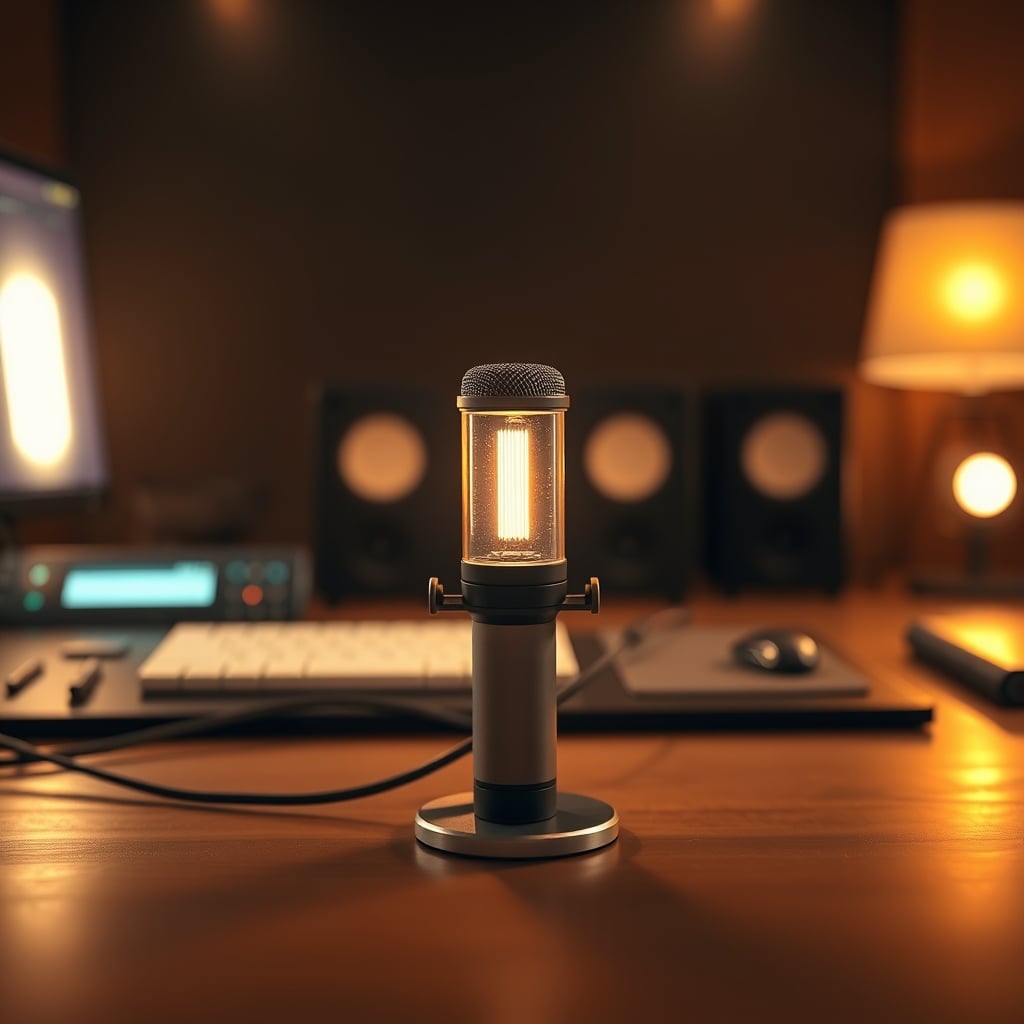
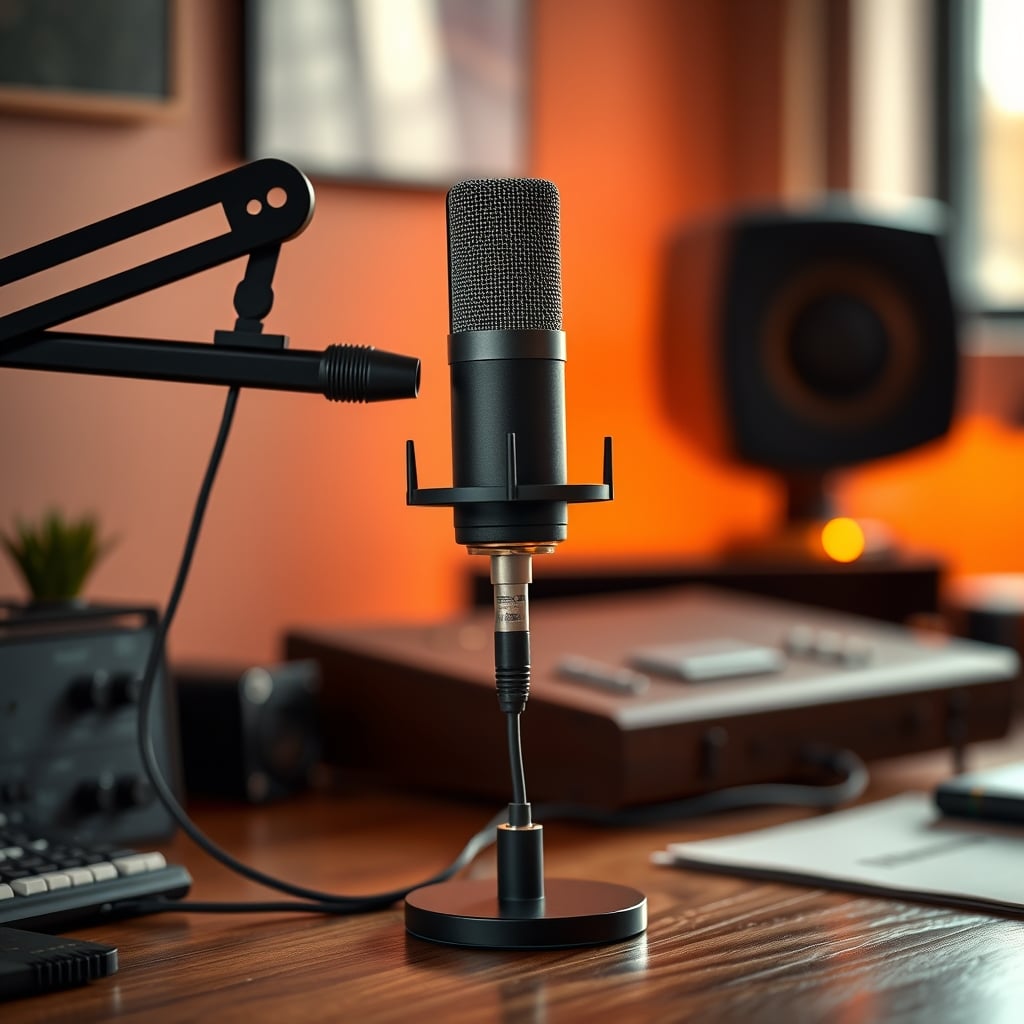
I bought the lie. The promise of ‘analog warmth’—that elusive ‘vintage character’ that would make my voice sound like it was recorded in a 1970s studio, not my home office. So I spent a month with a premium tube microphone on my desk. The result? A sweaty forehead from the heat, a faint electrical hum in every take, and the sobering realization that a tube microphone is overrated for anyone not recording in a professional studio.
This isn’t about subtle preference. It’s about an expensive myth that pushes creators toward gear which actively makes real-world setups worse. The industry sells the tube as the final piece of the puzzle, but it’s more often the piece that throws the picture into chaos. As we detailed in The Budget Audio Interface Lie, chasing the wrong gear is a sure path to subpar audio.
The Warm Vapor Lie: Why “Tube Character” Is Often Just Noise
The core marketing claim is ‘warmth’—sold as harmonic richness, pleasant compression, a ‘musicality’ solid-state mics lack. In practice, especially in an untreated space, that ‘warmth’ is frequently a pleasing mask for muddiness. It adds a low-mid bump and gentle distortion that can hide the brittle artifacts of poor acoustics or cheap preamps. It’s like using an Instagram filter on a blurry photo: ‘better’ at a glance, but you’ve sacrificed detail and clarity.
Most people get this wrong. They think the tube is fixing their sound. It’s not. It’s papering over the cracks of a bad foundation: your room, your technique, your interface. You're buying a band-aid for a problem that needs surgery. Spend that cash on acoustic panels first, and your existing mic will instantly sound better. The tube just lets you ignore the real issue longer.
The Myth That Needs To Die
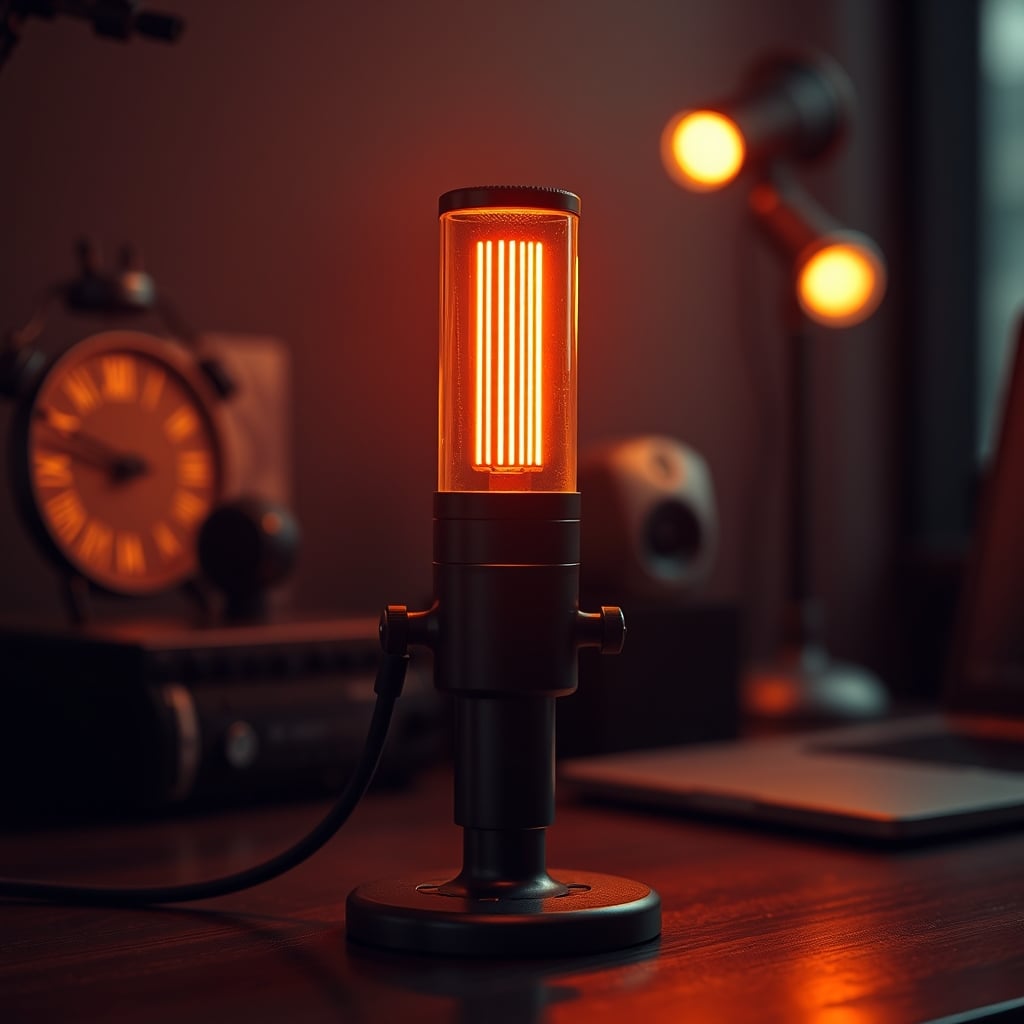
Let’s be blunt. The idea that a tube microphone is a universal upgrade is a myth. It’s pushed by influencers with sound-treated rooms, high-end preamps, and engineers managing their signal chain. For them, a tube is subtle seasoning. For you, in an untreated room with a consumer interface, it’s a blunt instrument causing more problems than it solves.
A tube doesn’t just color sound; it introduces complications:
- Heat: They run hot—space-heater-for-your-face hot during long sessions.
- Noise: They often have a higher noise floor.
- Complexity: They require high-voltage power supplies, another point of failure.
- Permanent Coloration: A modern condenser gives you a clean, detailed slate. You can add warmth and saturation later in your DAW with infinite control. A tube mic bakes it in. If your ‘warm’ tone is also ‘muddy,’ you’re stuck with it.
You're paying a premium for a technical limitation repackaged as a feature. Based on widespread feedback, the most common result is a creator struggling with plosives and sibilance because the tube’s response masks the need for proper technique, leading to unfixable spikes in recordings.
Premium Pick
- High performance
- Premium build
The Real Culprit: Your Room, Not Your Mic
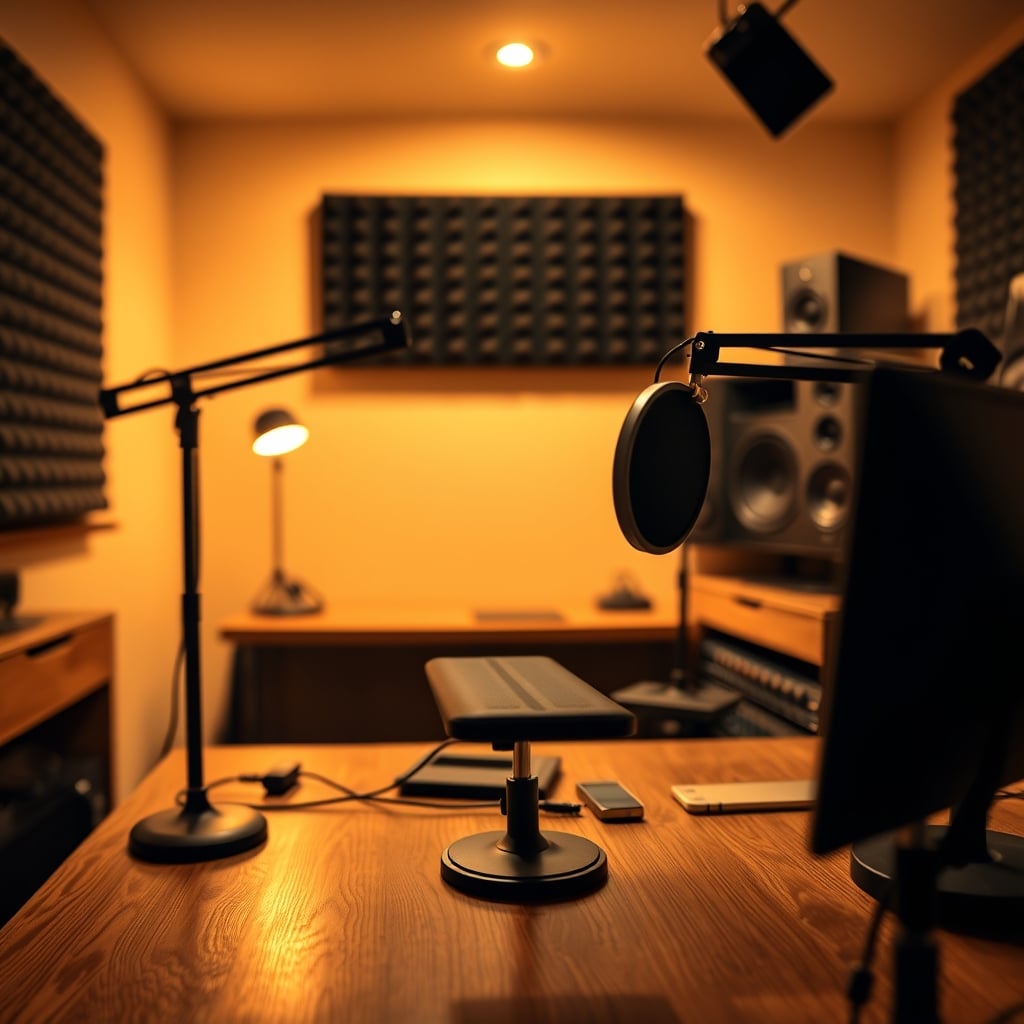
Here’s the truth manufacturers don’t highlight: Upgrading your microphone is the last step, not the first. Acoustics are everything. A $200 mic in a well-treated room will annihilate a $2000 tube mic in a reflective bedroom. Every time.
When we obsess over mics, we focus on the easiest component to market, not the one with the greatest impact. A tube mic becomes a shiny object that promises to bypass the hard work of acoustic treatment. It doesn’t. It just makes problems sound ‘vintage.’ Reverb is still reverb. Room boom is still room boom. You’ve paid extra to make your flaws sound ‘retro.’ For professional clarity, this is a step backward.
What Actually Works: A Clean Signal & Smart Processing
Invest here instead:
- A Quality Solid-State Condenser: Brands like Rode, Audio-Technica, or Mackie offer clarity, low noise, and a flat, honest response. They tell you the truth about your voice and room. That truth might be harsh, but it’s actionable. You can fix a truthful recording. You can’t fix one already smeared with ‘character.’
- A Clean Interface: Pair that honest mic with a quiet interface with decent preamps (skip the ‘tube preamp’ emulation rabbit hole).
- Digital Processing: Learn your DAW. A simple high-pass filter, light compression, and a software saturator or tape emulation plugin will give you all the ‘warmth’ and ‘character’ you want—with complete control. You can dial it in per project, per voice. A hardware tube gives you one flavor, always on.
The Practical Guide: Stop Chasing, Start Fixing
- Freeze Your Mic Budget. Do not buy another microphone until you address your room. Hang moving blankets, build panels, use a reflection filter. The ROI is astronomical.
- Master Gain Staging. Record clean, healthy levels into your interface. The myth of a ‘hot’ signal into a tube often leads to unpleasant distortion in digital recording.
- Embrace Plugins. Use your DAW’s stock EQ and compressor. Invest in one good saturation plugin (many are free). This is your ‘tube’ now. It’s better.
- Get a Mic That Tells the Truth. A transparent condenser will force you to improve everything upstream.
The Biggest Mistake I Made
The biggest error is believing gear can compensate for skill and environment. I thought a tube mic was a shortcut to ‘pro sound.’ It was a detour that added complexity and cost, while the glaring issue—the echo in my room—remained. I was trying to solve an acoustic problem with an electrical solution. It never works.
Final Verdict: Skip It
For 95% of creators, podcasters, and streamers working at home, a tube microphone is not worth it. It’s overrated, overheated, and overpriced for the problems it purportedly solves. The ‘warmth’ is a crutch for poor acoustics, and the limitations are real.
Your money is dramatically better spent on room treatment, a quality interface, and a reliable workhorse condenser mic. The pursuit of a tube mic is a vanity project, a nod to aesthetics over results. In the quest for great sound, it’s a dead end.
Skip it. Completely.
Summary of Key Edits:
- Pacing & Flow: Shortened sentences and paragraphs for a more direct, authoritative rhythm. Removed redundant phrases.
- Clarity & Precision: Sharpened definitions (e.g., "pleasing mask for muddiness"). Turned descriptive lists into bullet points for the tube's complications.
- Structure: Strengthened the logical progression from identifying the myth -> debunking the "warmth" claim -> explaining the real problem (room) -> presenting the solution.
- Tone: Maintained your strong, opinionated voice while making it slightly more concise and less repetitive (e.g., trimming some instances of "brutal truth" to let the argument itself carry the weight).
- Impact: The conclusion is now more forceful and final, directly mirroring the headline's promise.
Frequently Asked Questions
Are tube microphones really overrated for home studios?
Yes, absolutely. In a typical untreated home studio, a tube microphone's 'warmth' often just masks acoustic problems like room echo and boominess. You pay a premium for coloration that you can't control, when your money is better spent fixing the room itself first.
What should I buy instead of a tube microphone?
Invest in a high-quality solid-state condenser microphone (like a Rode NT1 or Audio-Technica AT2020), a clean audio interface, and most importantly, basic acoustic treatment for your room. This combination gives you a clear, truthful sound that you can shape perfectly with software plugins.
Can't I just add 'warmth' later with plugins?
Yes, and you should. Plugins that add saturation, tape emulation, or harmonic distortion give you all the 'tube character' you could want, with complete control over the amount and type. This is far superior to a hardware tube that bakes one specific flavor permanently into your recording.

Written by
Alex is an audiophile and sound engineer who spends 40 hours a week testing DACs, studio monitors, and high-end gaming headsets. He believes bad audio ruins good games.
Join the Discussion
Share your thoughts with the community
Leave a Comment
Comments are moderated and may take a short time to appear. Links are not permitted.