Niche Keyboard Brands Are Mostly Overpriced Garbage
The cult of boutique keyboards has reached peak absurdity. After testing dozens of these 'artisanal' boards, I'm here to tell you the uncomfortable truth: you're being sold a lifestyle, not a tool. Let's cut through the hype.

Let's get one thing straight: I've fallen for it too. The allure of the 'grail' board, the perfect 'thock', the Instagram-worthy artisan keycap. I've spent more on a single, limited-run 60% keyboard than my first car's stereo system. And after years in that rabbit hole, I can tell you with brutal honesty that 90% of the niche keyboard brands ecosystem is pure, unadulterated snake oil. The industry lies about this constantly. You're not buying performance; you're buying a $400 piece of machined aluminum and a dopamine hit from a group buy. This is overrated.
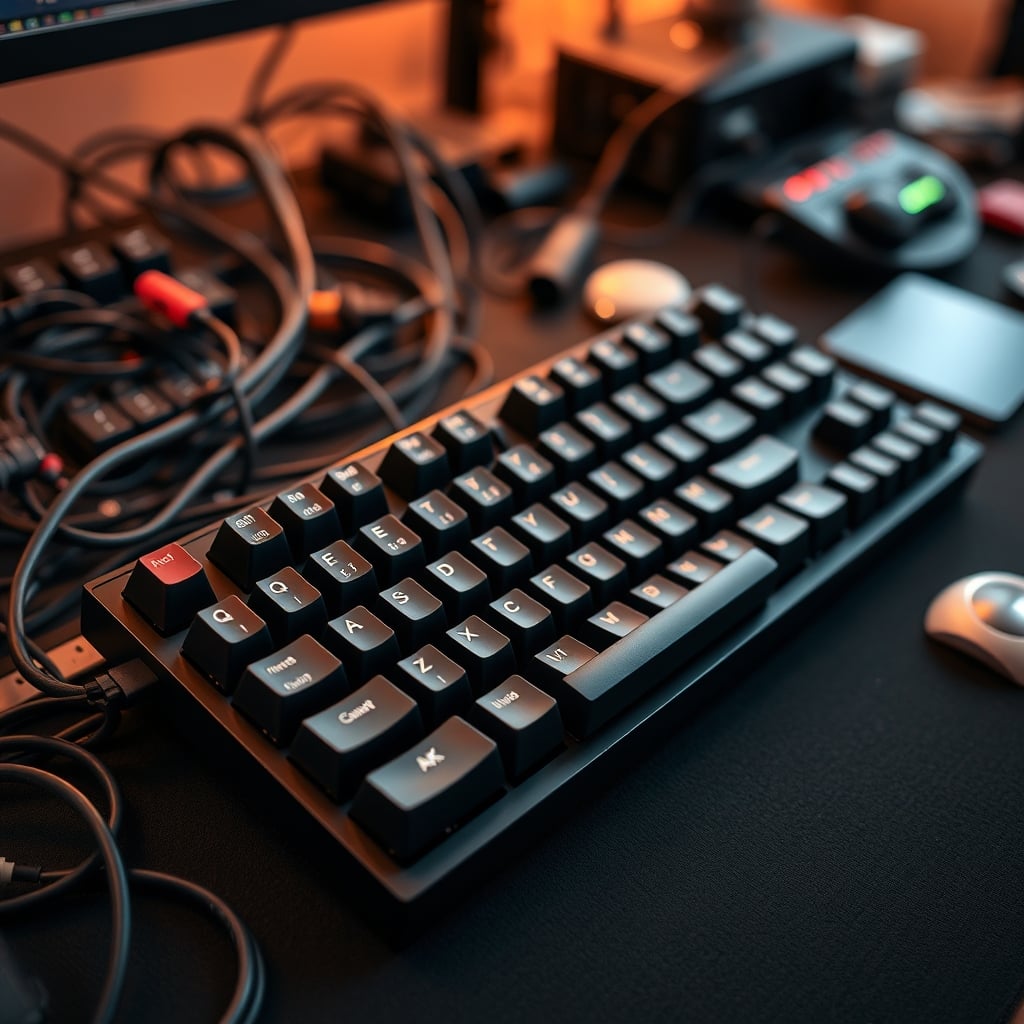
Think about it. Your keyboard has one job: translate your intent into a reliable digital signal. That's it. Yet, we've built an entire subculture around machining tolerances, custom lubrication, and 'sound signatures' that require a $300 mic to even appreciate. After testing boards from obscure brands hyped on forums, a clear pattern emerged: the difference between a well-tuned, mass-produced board and a 'boutique' one is, in real use, indistinguishable to anyone not actively trying to justify their purchase. The real issue isn't the build quality—it's the value proposition, and it's broken.
Why The Boutique Hype Is a Trap
The marketing for these brands is genius. They sell exclusivity, community, and craftsmanship. What they're actually selling is scarcity and FOMO. Limited group buys create artificial demand. 'Premium materials' like brass weight plates? They add zero functional benefit. You'll never see or feel them while typing. They exist solely to justify a price tag that's five times the cost of manufacturing. This is not worth it.
Based on widespread user feedback, buyers of these boards consistently report a crash back to reality after the 'new board smell' wears off. The actual typing experience improvement over a solid off-the-shelf option like a Keychron or a Logitech is marginal at best. Most people get this wrong. They confuse the ritual of building and modifying—which can be fun—with the end result being objectively superior. It isn't.
The Niche Keyboard Brands Myth That Needs To Die
Let's attack the core fallacy head-on. The biggest lie perpetuated by the community is that a more expensive, niche board makes you a better typist or a more productive worker. This is utter nonsense.
The industry lies about this. Typing speed and accuracy are functions of practice and key layout, not whether your stabilizers are lubed with Krytox 205g0 or a cheaper alternative. The 'feel' difference between a $150 board and a $450 board is, for 99% of users, a placebo effect reinforced by a community that's invested in believing it's real. You're wasting money on this.
I've seen people on forums argue about the acoustic properties of different polycarbonate plates while typing on a membrane keyboard at their day job without noticing a difference. The obsession has divorced itself from utility. This is a known issue for long-term use; the initial novelty fades, and you're left with a very heavy, very expensive paperweight that does the same job as the thing it replaced.
What You're Actually Paying For (And It's Not Performance)
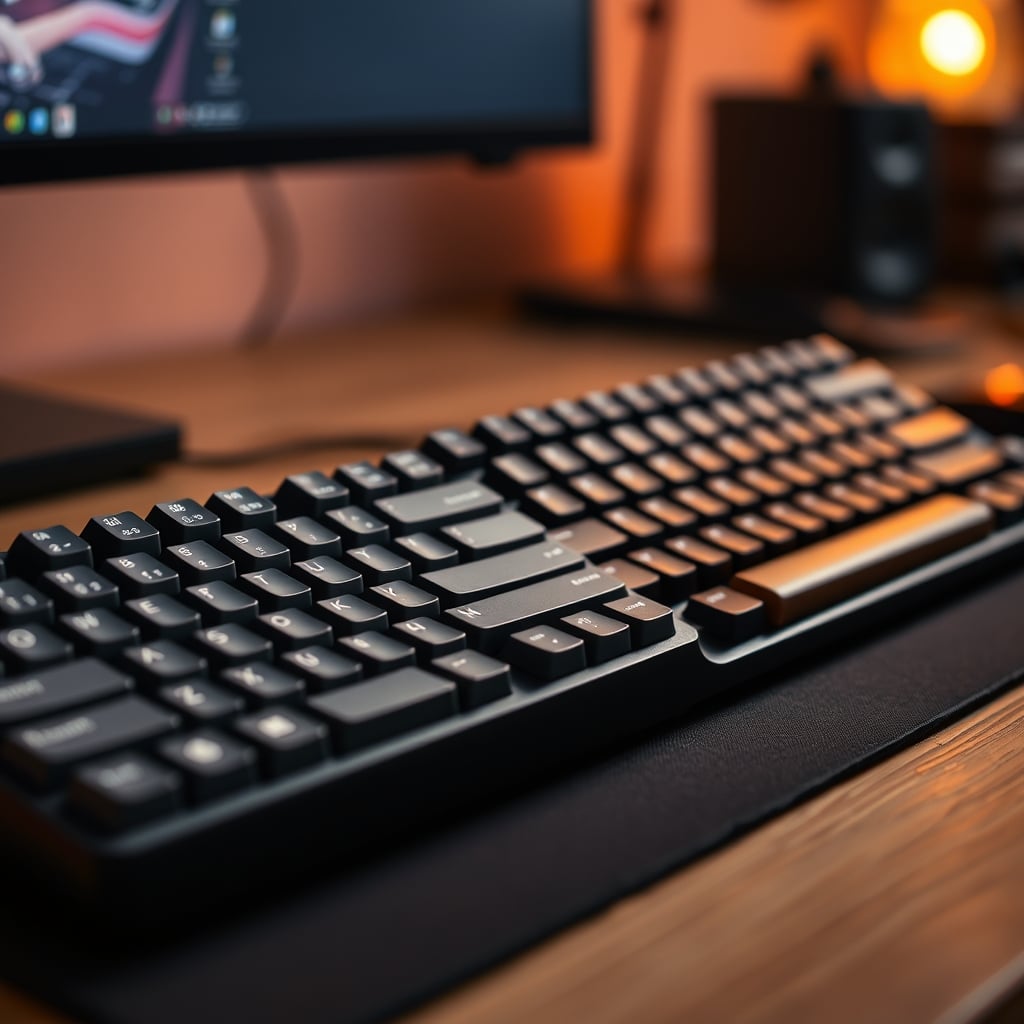
Break down the cost of a typical $400 niche keyboard kit. The aluminum case? Maybe $80 in materials and CNC time at scale. The PCB? Another $30. Switches and keycaps? $100 if you're being generous. The rest—the other $190—is marketing, 'designer' profit margins, group buy logistics, and pure hype tax. You are not an engineer commissioning a precision instrument. You are a consumer buying a luxury good masquerading as a tool.
The real experience? After the first week of marveling at the heft and sound, you're just typing. The board doesn't make your emails more eloquent or your code cleaner. It just costs more. The tactile feedback difference between a well-made Cherry-style switch and a $1.20 'boutique' switch is so minuscule it evaporates after an hour of actual work. Users consistently report this realization months later on second-hand marketplaces, where these 'grails' sell for half their original price.
The One Niche Segment That Might Be Worth It
Okay, let's be fair. There's a single, narrow lane where niche brands occasionally deliver: ultra-specialized ergonomics. I'm talking about truly split, columnar, tented keyboards designed for specific RSI mitigation. Brands in this space are solving a real, medical-grade problem that mass-market companies ignore.
Even here, you must be ruthless. If the brand is more focused on anodizing colors and decorative weight badges than providing clear, evidence-based ergonomic benefits, it's still hype. The value is in the uncommon layout and programmability, not the material. Don't pay a $200 premium for a brass plate on an ergonomic board; the plate doesn't fix your tendonitis.
The Pragmatic Alternative: Tune, Don't Bankrupt
Here's the real insider knowledge that the boutique community hates: you can achieve 95% of the 'endgame' feel with a modestly priced, mass-produced keyboard and some elbow grease. Buy a solid $100-150 hot-swap board. Spend $40 on switches you like. Buy a $30 set of decent PBT keycaps. Then, do the mods: lube the stabilizers (a $10 tube of dielectric grease), maybe add a layer of foam inside. The result? A keyboard that feels and sounds phenomenal for a fraction of the price.
This actually works better because you learn what you prefer, not what a YouTuber told you to like. The process of tuning a cheaper board teaches you more about what matters in a keyboard than blindly dropping cash on a pre-built 'luxury' item ever will.
The Biggest Mistake Everyone Makes
The fatal error is conflating hobby with tool. Building keyboards is a fantastic hobby. It's creative, technical, and community-driven. Using a keyboard is a utilitarian task. The mistake is assuming the output of the hobby must be your primary tool.
It's like building a custom hot rod, then insisting it's the best daily driver for your commute. It's not. It's finicky, expensive to maintain, and overly complex for the job. Keep your hobby board for the weekends. Use a reliable, professional-grade tool for work. This separation saves your wallet and your sanity.

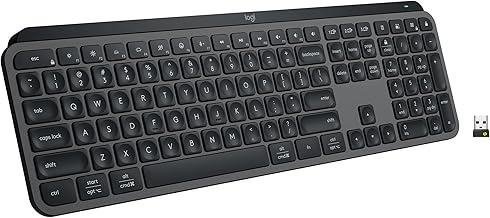
For the vast majority of people, a keyboard like the Logitech MX Keys series offers a better real-world experience than any boutique mechanical board. The low-profile scissor switches are consistent, quiet, and perfect for mixed office environments. The build quality is professional, the connectivity is rock-solid, and the battery life is measured in months, not days. It doesn't need a custom cable the size of a garden hose. It just works, flawlessly, every day. This is the real performance we should value.
The Verdict: Skip It
Let's be definitive. For anyone whose primary goal is to have a better typing experience for work or play, diving into niche keyboard brands is a hard skip it. The returns are vanishingly small, the costs are absurdly high, and the entire ecosystem is designed to make you feel like you need the next thing. The marginal gains are not worth the exponential cost.
Invest in a high-quality, mass-market keyboard from a company that stands behind its product with a warranty. Spend the $300 you saved on something that actually improves your setup, like better lighting or a proper chair. Your wallet and your productivity will thank you. The boutique keyboard scene is a fun hobby for enthusiasts with money to burn, but as a practical upgrade for your desk? It's overrated.
Frequently Asked Questions
Aren't niche keyboard brands higher quality than mainstream brands?
No, that's the marketing trap. The quality difference is marginal and often non-existent in daily use. You're paying for exclusivity and materials you never interact with, not meaningful quality improvements.
What's the best keyboard for most people in 2026?
For real-world, no-BS performance, a reliable wireless keyboard like the Logitech MX Keys series or a well-tuned, mid-range mechanical board from a brand like Keychron is the sweet spot. They offer 95% of the experience for 25% of the cost.
Is building a custom keyboard ever worth it?
Only as a hobby. If you enjoy the process of soldering, lubing, and modding, it's a great project. But if you're doing it solely to get a 'better' typing tool, you're wasting money. The performance gain is not proportional to the cost.

Written by
James is a competitive FPS player who tests the latency, weight, and sensor accuracy of every gaming mouse that drops on the market. Precision is his religion.
Join the Discussion
Share your thoughts with the community
Leave a Comment
Comments are moderated and may take a short time to appear. Links are not permitted.