Magnetic Desk Systems: Your Money Pit for Minimalist Lazyness
The industry is selling you a solution for a problem you invented. Magnetic desk systems are the ultimate testament to 'productivity theater'—complex, expensive, and far less effective than the simplest alternatives. Here's why they're a trap.

Your desk isn't a spaceship control panel, but every ad for magnetic desk systems sure wants you to think it is. The promise is irresistible: a sleek, grid-adorned surface where every tool snaps into place with a satisfying click, banishing clutter and unlocking a zen-like workflow. It's a beautiful lie, and a wildly expensive one. The biggest mistake people make isn't skipping these systems; it's believing they need them in the first place. They're a solution engineered by marketing, not by anyone who's actually struggled with real desk chaos for more than a week.
Most setups have maybe a phone, a notebook, a pen cup, and a headset. That's not a chaos crisis demanding a $300 magnetic overhaul—it's a basic organizational task. The magnetic desk system industry preys on this desire for a 'perfect' setup, convincing you that friction is the enemy. But in real use, that friction is often what keeps things where you left them. Let's cut through the polished influencer demos and get to the brutal reality of these over-engineered money pits.
Why The 'Ultimate Modularity' Promise Is A Scam
The core selling point is modularity. Buy the grid, then endlessly customize with magnetic trays, hooks, and shelves. It sounds like a dream. The reality is a nightmare of proprietary parts and sunk costs. Once you commit to a brand's ecosystem—be it a Grovemade, an Orbitkey, or some Kickstarter darling—you're locked in. Their accessories only work with their grid. That $15 magnetic hook isn't a universal tool; it's a loyalty tax.
This isn't modularity. It's vendor lock-in disguised as customization. Need a different sized tray? You can't just go to a hardware store. You must go back to the original brand and pay their premium. Users consistently report that after the initial setup thrill wears off, they're left with a rigid system that's harder to change than simple, standalone organizers. Want to move your pen cup to the other side? With a magnetic system, you need to clean the adhesive off the old mount, find a new spot on the grid that isn't already occupied, and re-stick it. With a simple weighted cup? You pick it up and move it. This is overrated.
The industry lies about flexibility. True flexibility is agnostic. It's a desk blotter you can write on, a tray you can relocate without consulting a grid, a drawer organizer that doesn't care what surface it's on. Magnetic systems are the opposite: they create a fragile, interconnected web of dependencies. Lose one tiny magnetic puck and a whole section of your 'perfect' system collapses.
The Core Flaws Nobody Talks About
Premium Pick
- High performance
- Premium build
Let's talk about the elephant in the room: weight capacity. It's the dirty secret these systems don't advertise loudly. That sleek magnetic shelf rated for 2kg? Try putting a chunky studio monitor, a small desktop speaker, or even a heavy book on it. It'll hold, but the slightest bump sends it sliding down the grid with a screech that'll make your soul leave your body. They're great for holding things that don't need holding—Apple Pencils, earbud cases, tiny tools. For anything with actual mass, they're comically inadequate.
Then there's the surface damage. The adhesive-backed steel plates required to stick the grid to your desk? They're a one-way ticket. "Removable" is a suggestion, not a guarantee, especially on wood veneer, painted surfaces, or textured desks. After a year, you're looking at either permanent fixture or a nasty residue surgery. Based on widespread user feedback, this is a known issue for long-term use. The alternative—a full desk mat with the grid embedded—solves the adhesion issue but introduces another: you're now committed to covering your entire workspace with a single, often pricy, piece of material. Spill your coffee? Good luck.
Magnetic Desk Systems vs. Real-World Grip
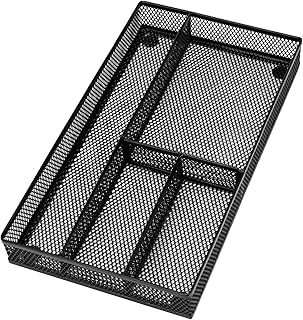
Here’ cheaper, better solution that works 100% of the time: gravity. A simple leather desk pad provides a contained zone. A good monitor arm gets your screen off the desk entirely. A few solid, non-magnetic trays from a brand like Simple Houseware or Shenee cost a fraction and don't require a $200 metal foundation. They just work. This is the real issue: magnetic systems add a layer of unnecessary complexity where simplicity reigns supreme.
Consider cable management, the eternal desk foe. Magnetic cable clips sound genius. In practice, they're feeble. The cable's own weight and stiffness often overpower the weak magnet, especially with thicker USB-C or display cables. They pop off constantly. Compare that to simple, reusable adhesive cable routing clips or even the humble binder clip under the desk edge. They cost pennies, hold ferociously, and don't require a special surface. Most people get this wrong. They chase the high-tech solution when the low-tech one is superior in every practical way.
For tool holders, look at our review of essential, non-gimmicky drawer organization in our piece on Cable Management Fails You Keep Making in 2026. A well-organized drawer beats any magnetic surface clutter, hands down.
The Psychological Trap of 'Clean Desk Aesthetics'
This is the heart of the scam. Magnetic desk systems sell you an aesthetic—the sterile, minimalist, everything-in-its-place look popularized by tech influencers. It looks amazing in a 60-second setup tour. It's miserable to live with. That aesthetic requires constant maintenance. Every item must be returned to its precise magnetic home. It turns your desk from a work surface into a museum exhibit.
Real productivity is messy. It involves notepads left open, reference books stacked, a coffee mug that stays on the right side. Enforcing a rigid magnetic grid kills spontaneous workflow. Need to quickly sketch something? Your notebook is magnetically locked to the left, but you want it in the center. Do you break the system or contort yourself? This constant low-grade friction isn't a feature; it's a bug that actively sabotages deep work. For more on how enforced minimalism can backfire, see our investigation into The 'Ugly' Setup Secret: How Extreme Minimalism Unlocks Uninterrupted Deep Work.
The industry lies about this. They're not selling organization; they're selling a lifestyle image. And you're paying a premium to become a janitor for your own workspace.
Practical Alternatives That Actually Work (And Save $200)
Stop looking at magnetic grids. Start here:
- A High-Friction Desk Mat: A wool felt or rubber-backed leather mat. Things stay put. No magnets needed.
- Strategic Monitor Arms: Get every screen off the desk. This single change creates more usable space than any grid.
- Modular, Non-Proprietary Trays: Look for brands that make standalone organizer trays with good weight and non-slip bases. They're interoperable and cheap.
- Under-Desk Mounting: The real estate under your desk is a goldmine. Use low-profile mounts for power strips, laptop docks, and hard drives. It's out of sight and doesn't consume your precious top-surface grid.
This approach is agnostic, cheap, and actually flexible. It also doesn't become obsolete when you change desks or decide you hate the color gray. If you're struggling with peripheral clutter, the answer isn't a magnet; it's a proper USB C Hub with enough ports, mounted cleanly underneath.
The Verdict: Skip It. Permanently.
Magnetic desk systems are overrated. They're a premium-priced answer to a low-stakes problem, creating more constraints than they remove. The performance gains are illusory; the financial cost is very real. They excel at one thing: looking cool in sponsored content. For actual work, they're a hindrance dressed up as a help.
Invest the money you'd blow on a magnetic starter kit into a truly ergonomic chair, a better monitor, or even just a great desk lamp. Those things provide tangible, daily returns. A magnetic grid just provides a nagging sense that you haven't quite arranged your expensive toys correctly yet. You don't need a system. You need a few good tools and the confidence to leave well enough alone. This category is a skip. A hard, definitive skip.
Frequently Asked Questions
Aren't magnetic desk systems good for cable management?
No, they're terrible for it. Magnetic cable clips have weak holding power for standard cable weights. Thicker USB-C or display cables easily detach them. Simple adhesive routing clips or under-desk channels are cheaper, more reliable, and don't require a special magnetic surface.
What's the main downside reviewers don't mention?
Vendor lock-in and surface damage. Once you buy into a brand's magnetic grid, you're stuck buying their overpriced accessories forever. The adhesive used to mount the grid can permanently damage or leave severe residue on many desk surfaces, especially wood and paint.
Is there anyone who should actually buy a magnetic desk system?
Only content creators who need a constantly changing, visually clean backdrop for product shots or videos, and for whom the aesthetic is a direct part of their income. For 99% of people doing real work, they are a net negative.
What's a better use of a $200 budget for desk organization?
A quality monitor arm ($80), a large, high-friction desk mat like wool felt ($50), a set of modular, non-slip drawer organizers ($20), and under-desk mounts for power strips and hubs ($50). This solves real problems without creating new ones.
Do magnetic systems work on standing desks?
They work worse. The constant movement and vibration of a standing desk exacerbate the weak point: magnetic adhesion. Items are more likely to shift or fall off when the desk is in motion, making them even less practical.

Written by
From bias lighting behind your monitor to smart RGB ecosystems, Leon knows exactly how to light a room for productivity during the day and gaming at night.
Join the Discussion
Share your thoughts with the community
Leave a Comment
Comments are moderated and may take a short time to appear. Links are not permitted.