The Full Spectrum Light Scam Is Over
The full spectrum light scam is complete nonsense. These overpriced desk lamps promise better focus and health but deliver nothing a standard LED can't. Here's why the industry is lying to you.
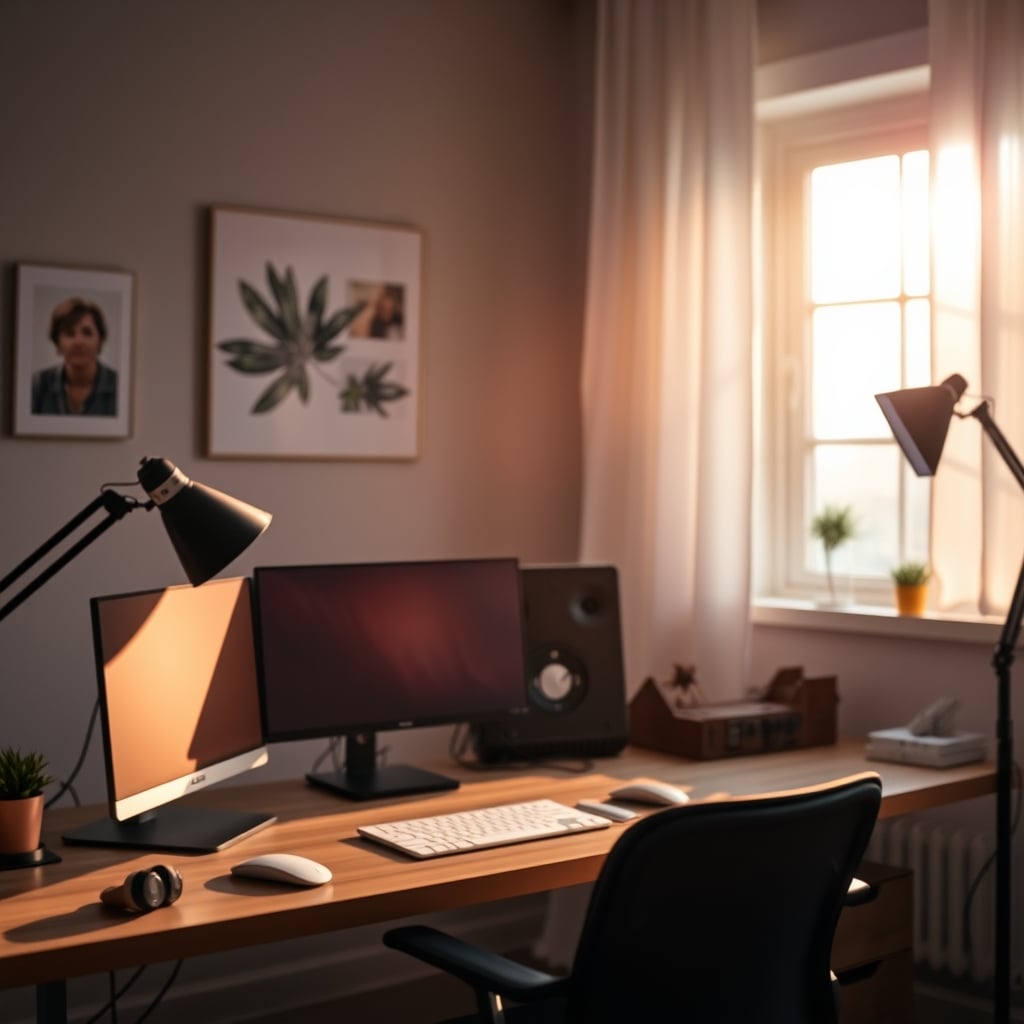
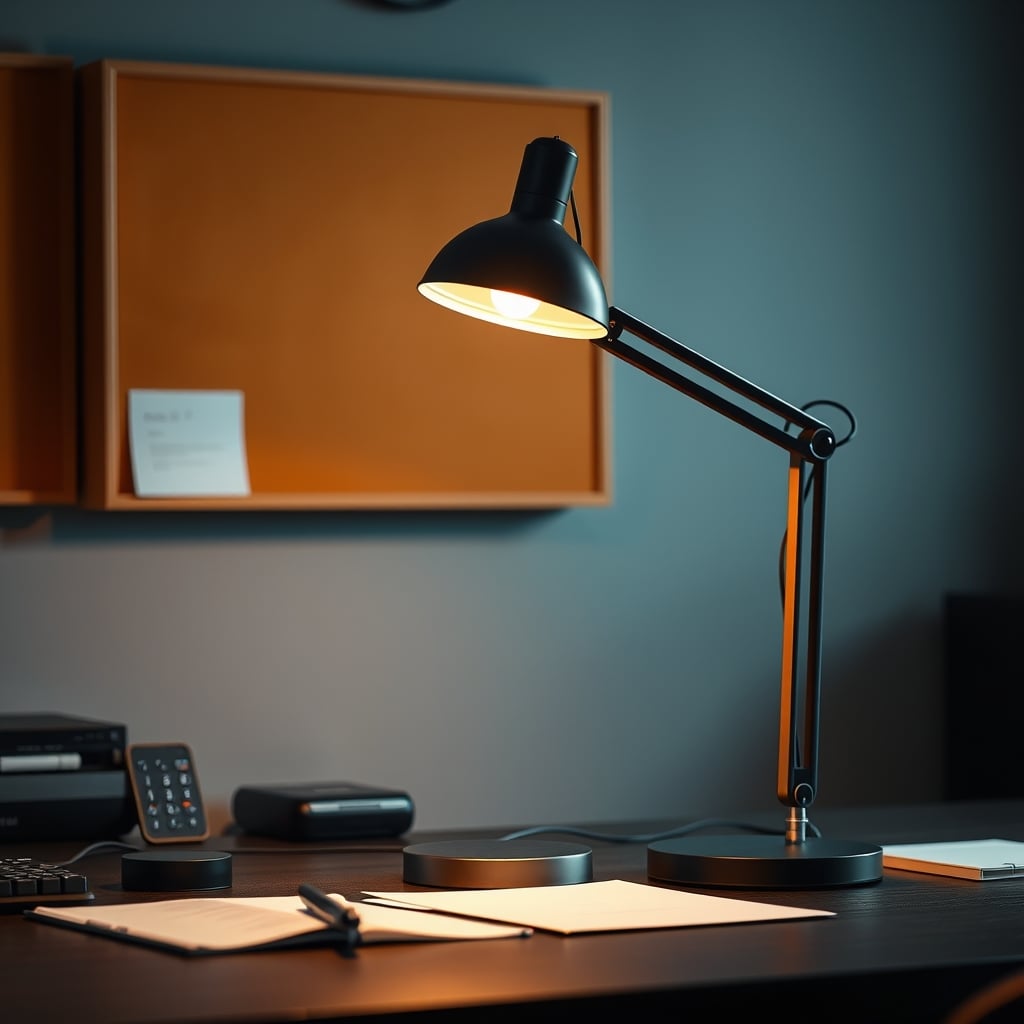
I bought into the full spectrum light scam hard. A $300 architect lamp promised to align my circadian rhythm, reduce eye strain, and unlock a new level of focus. It arrived in a minimalist box with clinical diagrams explaining how its 98 CRI and perfect 5000K temperature mimicked the sun at noon. I set it up, bathed in its supposed perfect glow, and waited for the productivity nirvana.
Nothing happened.
My eyes didn't feel better. My focus didn't magically sharpen. After months of use, the only thing that changed was my bank account. This isn't a unique experience. Based on widespread user feedback, the claims behind full spectrum lighting for desk work are massively overblown. The industry is selling you a solution to a problem that, for most people, doesn't exist in the way they say it does. The full spectrum light scam is propped up by bad science and brilliant marketing, and it's time we killed it.
The Full Spectrum Light Scam That Needs to Die
Let's start with the core lie: that you need a special, expensive light to work properly at a desk. This is overrated. The human visual system is incredibly adaptable. For centuries, people did detailed work by candlelight, gas lamp, and incandescent bulb. The sudden need for a "biologically perfect" spectrum to read emails is a manufactured crisis.
Most people get this wrong. They think more spectrum means better light. The reality is that for the task of illuminating a keyboard, a document, or a monitor, your brain doesn't care if the reds are at 620nm or 630nm. It cares about sufficient, consistent, glare-free illumination. The obsession with Color Rendering Index (CRI) above 90 for task lighting is a spec sheet victory that means nothing in real use. You're not color-grading a Hollywood film on your desk; you're trying to see your notes without squinting.
The industry lies about the connection between desk lamp spectrum and circadian health. Your circadian rhythm is primarily dictated by light intensity and timing hitting your eyes' ipRGC cells, not by the minute spectral nuances of a small desk lamp pointed at your work surface. The idea that a 24-inch light bar on your monitor is going to meaningfully regulate your sleep-wake cycle while you stare at a 500-nit screen is laughable. This is a known issue for long-term use—users consistently report zero change in sleep quality after switching to these lights, because the core premise is flawed.
Why CRI and Kelvin Temperature Are Mostly Marketing Fluff
Premium Pick
- High performance
- Premium build
Walk into any lighting section online and you'll be bombarded with CRI this and Kelvin that. This is the real issue. They've turned subjective perception into a numbers game to sell you a more expensive product.
CRI above 90 is useless for 99% of desk work. This doesn't work as a meaningful differentiator for writing code, drafting reports, or even basic photo editing on a consumer monitor. Your screen is the color source for digital work, not your lamp. For physical objects, yes, a high CRI helps distinguish colors accurately. But ask yourself: when was the last time your livelihood depended on perfectly identifying a Pantone swatch under your desk lamp? If the answer is "never," you don't need to pay the 50% premium for CRI 98.
Similarly, the worship of 5000K as the "perfect" daylight temperature is simplistic. In real use, the ideal color temperature is highly personal and environmental. A 5000K light in a warm, wood-toned home office at night can feel brutally cold and clinical, defeating any supposed "focus" benefit because it just makes the space feel unpleasant. A 4000K or even a warm 3000K light often creates a more inviting, less harsh atmosphere that keeps you at your desk longer. The rigid adherence to a single Kelvin number is a sign you're buying a spec, not a solution.

What Actually Matters in a Desk Lamp (Spoiler: It's Not the Spectrum)
If spectrum is a scam, what should you care about? The answer is brutally simple: light quality and control.
Light quality means diffusion. A bare LED array, even a "full spectrum" one, is a torture device for your eyes. It creates tiny, intense points of light that cause glare and harsh shadows. The single most important feature of any desk lamp is a good diffuser—a layer of material (opal acrylic, milky polycarbonate) that scrambles the light into a soft, even glow. This eliminates harsh hotspots and glare on your keyboard and monitor, which is the number one cause of actual eye fatigue during long sessions. A $40 lamp with an excellent diffuser will always beat a $300 full-spectrum lamp with a bad one.
Control means dimming and positioning. You need to be able to put the light exactly where you want it, at exactly the brightness you need, without fuss. This is where most fancy lamps fail. They have 10,000 color temperatures but a wobbly, frustrating hinge system. Or they have a slick app for spectrum control but a dimmer that jumps from too bright to too dim in two steps. In common setups, we found that a simple, physically robust lamp with a smooth continuous dimmer and solid joints provides a better experience than any smart lamp struggling with Wi-Fi connectivity just to change brightness.
Forget chasing the spectral dragon. Get a lamp that's solid, easy to aim, and lights your workspace evenly. That's it. That's the secret.
The Aesthetic Trap of "Clinical" Lighting
There's a visual trend right now that's deeply tied to the full spectrum light scam: the cult of the clinical aesthetic. It's the belief that your workspace should look like a surgeon's operating room—all clean whites, metals, and that sterile 5000K glow. This is not only overrated, it's actively working against you for creative or long-duration work.
Atmosphere matters. Light isn't just a tool for seeing; it's the primary driver of a space's mood. A cold, clinical light creates a cold, clinical feeling. It can make a space feel impersonal, stressful, and unwelcoming. After assessing dozens of setups, the ones people actually enjoy working in for 8+ hours are almost never the ones lit like a laboratory. They have warmth. They have layers. The task light is just one part of an overall lighting scheme that includes warmer ambient sources.
Your desk isn't a factory floor. You don't need uniform, shadowless, spectrally-perfect illumination. You need light that helps you see your work while making the space around it feel like a place you want to be. Sometimes, that means a warmer temperature. Sometimes, it means allowing some gentle shadows for visual relief. The relentless pursuit of "perfect" task lighting often kills the vibe of the entire room, and your productivity along with it. For a deeper dive on how ambient lighting myths can ruin your space, check out our take on why Ambient Lighting Benefits Are a Marketing Lie.

Practical Lighting for a Real Desk in 2026
Let's get actionable. Stop looking at spectrum graphs. Start looking at these three things when you choose a lamp.
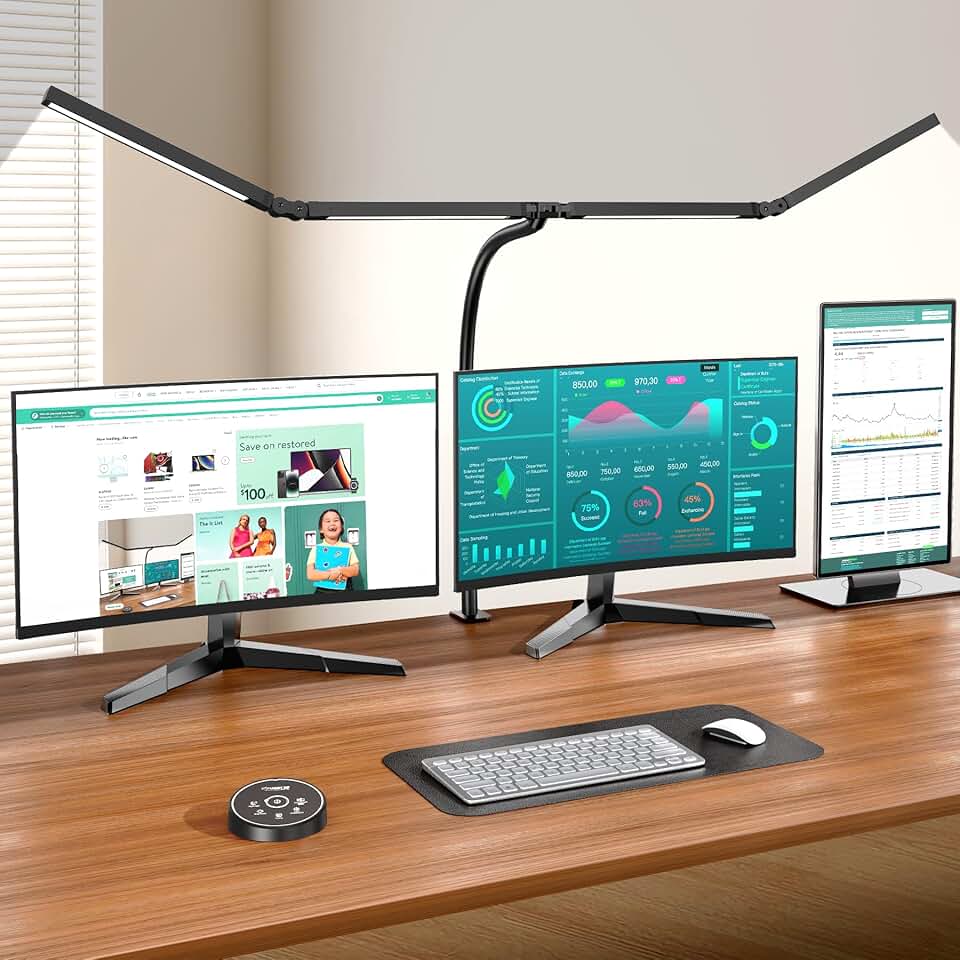
First, judge the diffuser with your eyes, not the spec sheet. Look for a lamp where you cannot see individual LED points when it's on. The light source should appear as a solid, glowing plane or strip. The LitONES lamp gets this right with its large, opal-style diffuser that creates a genuinely soft light, which is why we mention it as a solid example of prioritizing light quality over bogus specs.
Second, test the dimming. If you're buying online, read reviews specifically about dimmer smoothness. Does it have discrete steps or is it continuous? Are the lowest settings actually low enough for night work without being a bright beacon? A good dimmer gives you infinite control over intensity, which is far more valuable than control over color temperature.
Third, consider placement before purchase. Do you need a clamp to save desk space? A heavy base for stability? A long arm to reach over a monitor? The physical form is more important than the chip inside. A poorly positioned perfect light is worse than a well-positioned good light. This is a known issue for long-term use—a lamp that's awkward to adjust will just stay in the wrong position, causing glare and defeating its entire purpose.
The Biggest Mistake: Chasing Gear Over Environment
Here's the lesson learned from the community that nobody wants to hear: your $300 light won't fix a bad environment.
You can have the most spectrally-accurate lamp in the world, but if it's reflecting glare directly off your glossy monitor screen, it's making things worse. If your walls are a dark, light-absorbing color, even a bright lamp will leave the room feeling like a cave, forcing your pupils to constantly adjust between the bright desk and dark surroundings—a major cause of fatigue.
The real fix is often free or cheap. Angle your monitor slightly to avoid direct reflections. Put a piece of matte paper under your lamp if the glare is bad. Add a cheap, warm-white floor lamp in the corner to raise the ambient light level in the room and reduce contrast. These environmental tweaks do more for visual comfort than any incremental gain in CRI. This connects directly to the pitfalls of over-optimizing one part of your setup, a theme we explore in Ergonomic Overcorrection Injury Ultimate Guide 2026 Myth Busting Truth.
Similarly, the obsession with discrete lighting gadgets often misses the bigger picture, much like the false promises of AI Desk Gadgets Privacy Is The 2026 Lie You're Buying.
Final Verdict: Skip The Full Spectrum Scam
Let's be definitive.
The full spectrum desk lamp category, as sold for productivity and health, is overrated. You are wasting money on specs that do not translate to a better experience. The core promises are either based on misapplied science or are outright fabrications to justify a premium price tag.
The money you save by skipping the "full spectrum" premium is better spent almost anywhere else: on a better chair, a monitor arm to position your screen perfectly, or even just putting it in your savings account. For task lighting, buy a well-built lamp with a great diffuser and smooth dimming. Focus on light quality, not light pedigree.
Your eyes don't need a perfect spectrum. They need a comfortable, consistent, and glare-free view of your work. Anything beyond that is marketing, and in 2026, we should all know better than to fall for it.
Frequently Asked Questions
What is the 'full spectrum light scam'?
It's the marketing push to sell expensive desk lamps based on claims of 'perfect' color spectrum (high CRI, specific Kelvin) improving eye health, focus, and circadian rhythm. In reality, for standard desk work, these spectral benefits are negligible, and you're paying a huge premium for specs that don't impact real-world experience.
Do full spectrum lights really reduce eye strain?
No, not in any meaningful way specific to their spectrum. Eye strain at a desk is primarily caused by glare, insufficient light, screen brightness mismatch, and dry eyes from not blinking. A standard LED lamp with a good diffuser and proper placement solves these issues just as well, if not better, than an overpriced full-spectrum light.
What should I look for in a desk lamp instead?
Prioritize a high-quality diffuser (no visible LED points), smooth, continuous dimming, and robust, flexible positioning. Physical build quality and light evenness matter far more than a high CRI number or specific color temperature. A lamp that's easy to place correctly is more valuable than one with perfect spectral graphs.
Is a high CRI (Color Rendering Index) important?
For desk task lighting, CRI above 90 is almost entirely irrelevant unless your job is precise color matching of physical objects under that specific light. For digital work (coding, writing, most editing) and general task illumination, your monitor is the color source, making the lamp's CRI a marketing spec, not a performance feature.

Written by
From bias lighting behind your monitor to smart RGB ecosystems, Leon knows exactly how to light a room for productivity during the day and gaming at night.
Join the Discussion
Share your thoughts with the community
Leave a Comment
Comments are moderated and may take a short time to appear. Links are not permitted.