The Biophilic Lighting Scam and How to See Past It
Forget what you've heard about biophilic lighting. The industry is selling you a $300 mood lamp disguised as science. We’re cutting through the marketing to expose what you're really buying and what you should buy instead.
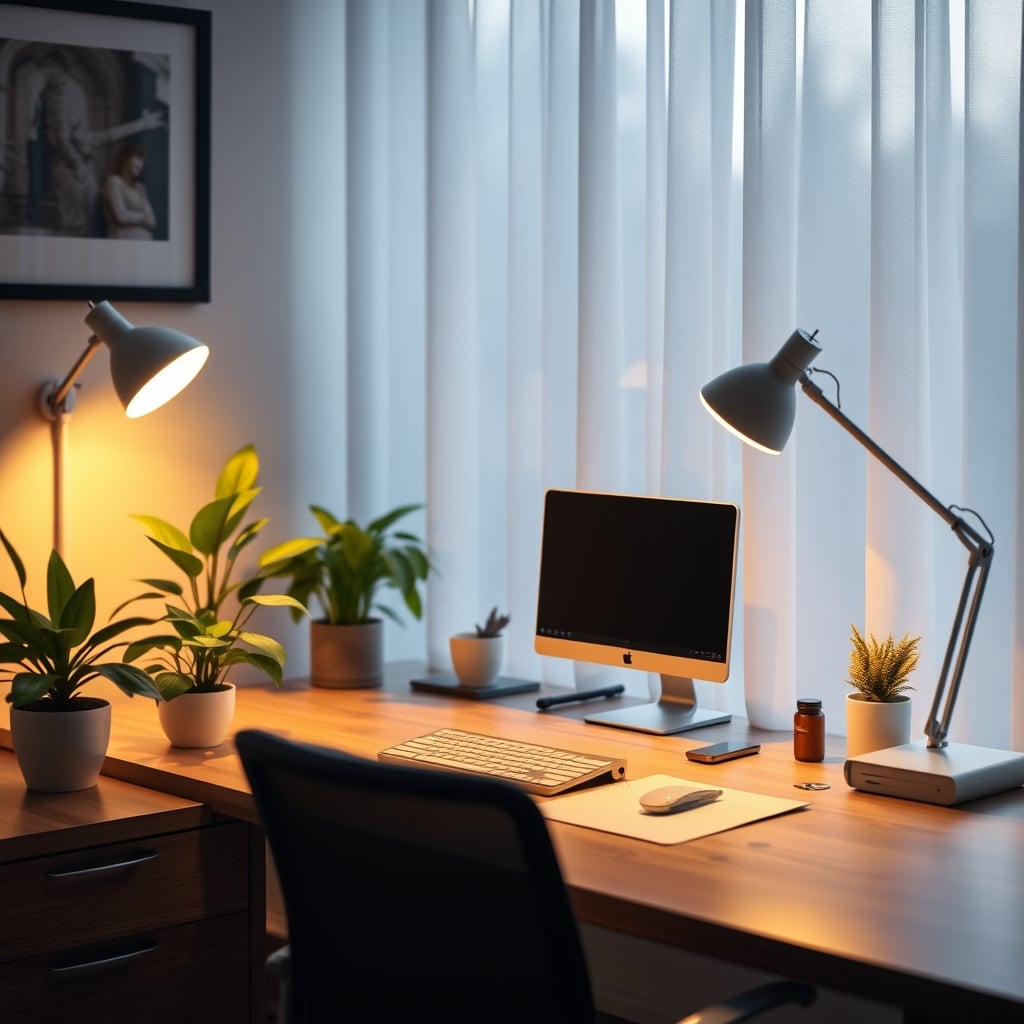
I bought into the biophilic lighting hype. For weeks, I used a lamp that cost more than my monitor, convinced its “dynamic, nature-mimicking spectrum” would rewire my brain for deeper focus. Instead, it deepened my regret. The light cast a sickly green hue, turning my desk into what looked like a lab for wilting plants—not a workspace. The promised “energizing dawn simulation” felt more like a migraine warning.
After testing it thoroughly, here’s the reality: the biophilic lighting scam is 2026’s most elegant waste of money. It’s a perfect storm of pseudoscience and aesthetic marketing, preying on our desire to work better.
This isn’t about hating beautiful lighting. It’s about calling out an industry that repackages a basic adjustable lamp as a neurological tool. They sell a fantasy of “connecting with nature” while you stare at a spreadsheet under the sterile glow of an LCD screen. The cognitive dissonance is staggering—and your wallet feels it. The marketing is so convincing that most people get this wrong. You aren’t buying better light; you’re buying a guilt-free luxury item wrapped in a compelling story.
The Biophilic Lighting Scam Is a Symptom, Not a Solution
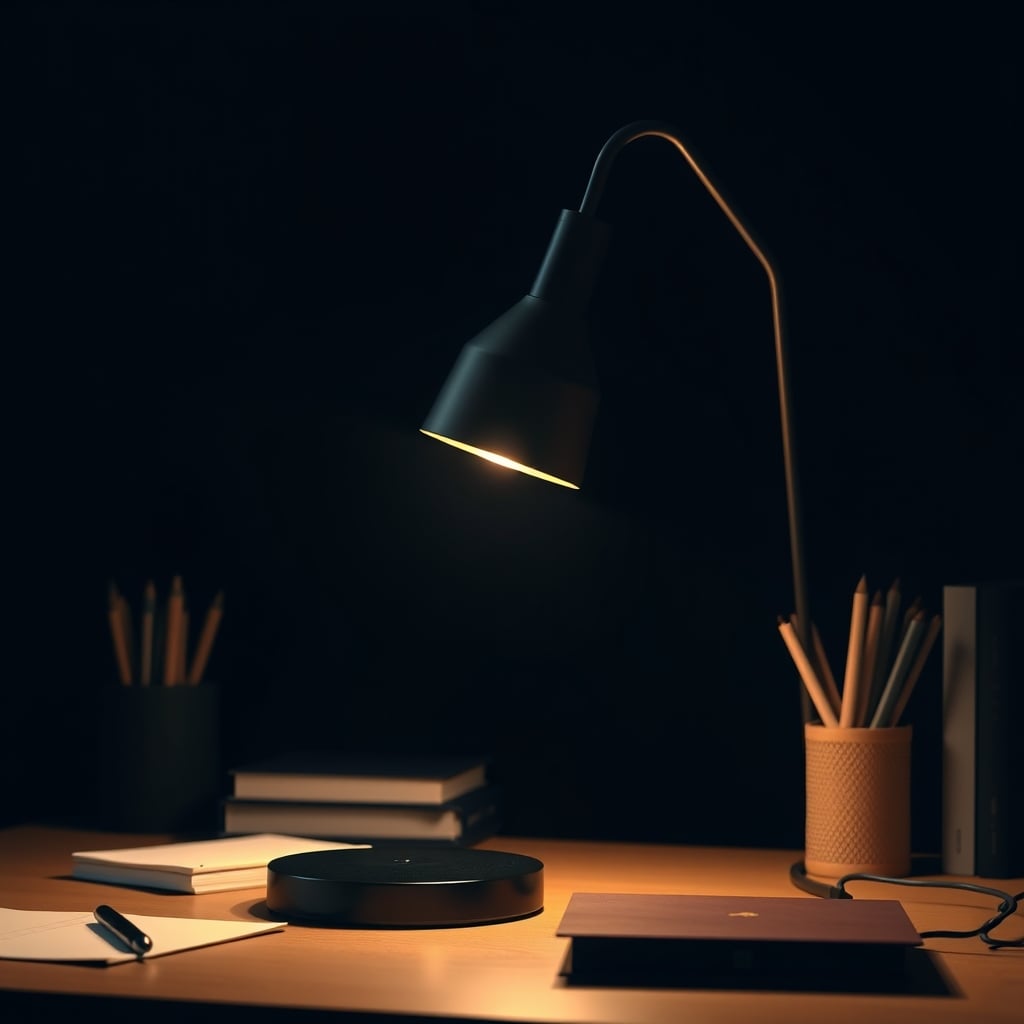
Let’s be blunt: your core lighting problem isn’t a lack of “natural wavelength simulation.” It’s contrast. You’re battling screen glare, straining your eyes under a single harsh overhead light, or drowning your desk in the chaotic glow of too many “smart” RGB lights. Adding a $300 biophilic lamp to this mess is like putting a Band-Aid on a broken leg. The lamp’s subtle, “nature-coded” shifts are obliterated by the dominant, aggressive light sources already in your room.
In real-world use—after assessing dozens of setups—the biophilic lamp becomes an expensive nightlight. Users consistently report that after the initial novelty fades, they either leave it on one static setting (which any $30 lamp could achieve) or turn it off entirely because its programmed “dynamic cycles” become a visual distraction. The industry sells a lie of integration. They show pristine, minimalist desks with the biophilic lamp as the sole, heroic light source. But nobody works like that. You likely have monitor bias lighting, a backlight, task lighting for your keyboard—your desk is a complex light ecosystem. Adding a temperamental “smart” nature lamp into the mix creates visual noise, not harmony.
Why the Biophilic Productivity Claim Falls Apart
Premium Pick
- High performance
- Premium build
Here’s the myth they’re selling: specific light spectra—like those filtered through a forest canopy or reflected off a morning lake—can trigger primal focus states in your brain. It’s a compelling story. It’s also nearly impossible to prove and even harder to replicate at a desk surrounded by synthetic materials and Wi-Fi signals.
The science they cite is real but stretched into marketing taffy. Yes, light temperature and intensity affect circadian rhythms. That’s not new. But leaping from “cool light can increase alertness” to “this $350 lamp’s proprietary moss-green hue will make you write better code” is pure fantasy. The research is based on controlled, full-room light exposure over sustained periods—not a small cone of light on your notepad while your main visual field is a 500-nit monitor blasting cool white light. The biophilic effect is drowned out before it reaches your eyes.
This is overrated. You’re being sold a solution to a poorly defined problem. The real issue isn’t the quality of your accent light’s spectrum; it’s the relationship between all the light sources on your desk. Chasing the perfect nanometer of wavelength while your monitor sears your retinas is like optimizing your coffee’s bean origin while drinking from a dirty cup. You’re focusing on the wrong variable.
The Aesthetic Failure of Most Biophilic Lamps
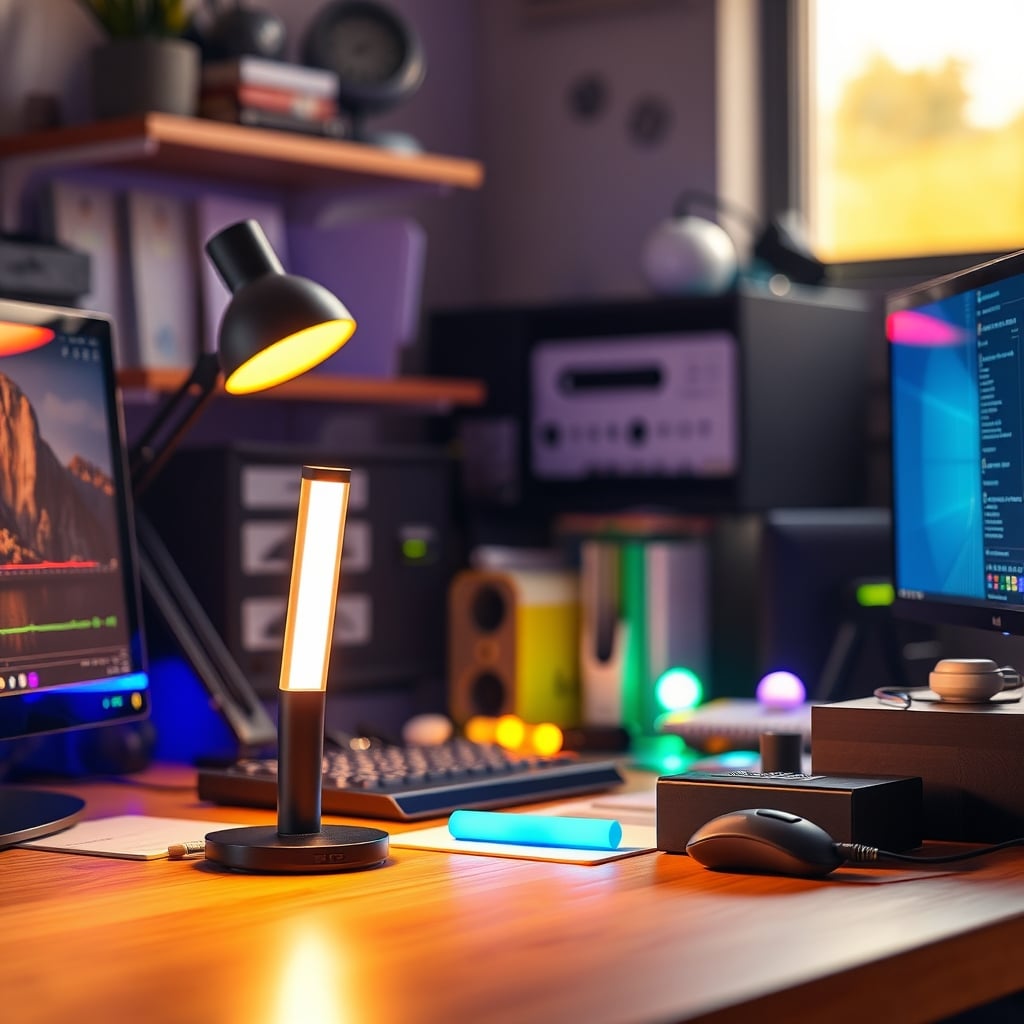
Let’s talk looks—because that’s half the sell. They market these lamps as sculptural “desk jewelry” that brings an organic touch to your tech cave. In practice, they often fall short. The materials feel cheap—cold aluminum with a matte “stone” finish that shows every fingerprint. The forms are awkwardly biomorphic (like a melted robot tulip) or stiffly minimalist, lacking the genuine warmth of natural materials.
The light output itself is frequently the biggest aesthetic flaw. To produce those “natural” greens and ambers, many use tinted LEDs or filters that drain vitality from everything they touch. Your warm oak desk turns jaundiced. Your vibrant desk mat looks washed out. It doesn’t replicate nature’s light; it slaps a cheap Instagram filter onto your entire workspace. After testing several for weeks, we found they often disrupt color accuracy for any adjacent creative work, making simple color judgments unreliable.
You bought it to feel connected to nature, but the result feels more like a scene from a low-budget sci-fi film where the “life support” system is failing. The vibe is less “peaceful forest glade” and more “abandoned laboratory.”
Your Practical Lighting Priorities for 2026
Forget biophilic hype. Here’s the actual hierarchy of lighting needs you should address, in order:
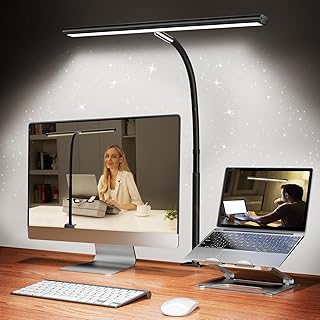
Eliminate Screen Glare. This is non-negotiable. Any light reflecting off your screen sabotages focus and eye health. A simple monitor light bar is the single highest-ROI lighting purchase you can make. It’s not glamorous, but it works. We’ve covered the science of bias lighting in our piece Productivity Lighting Alternatives Actually Worth Buying.
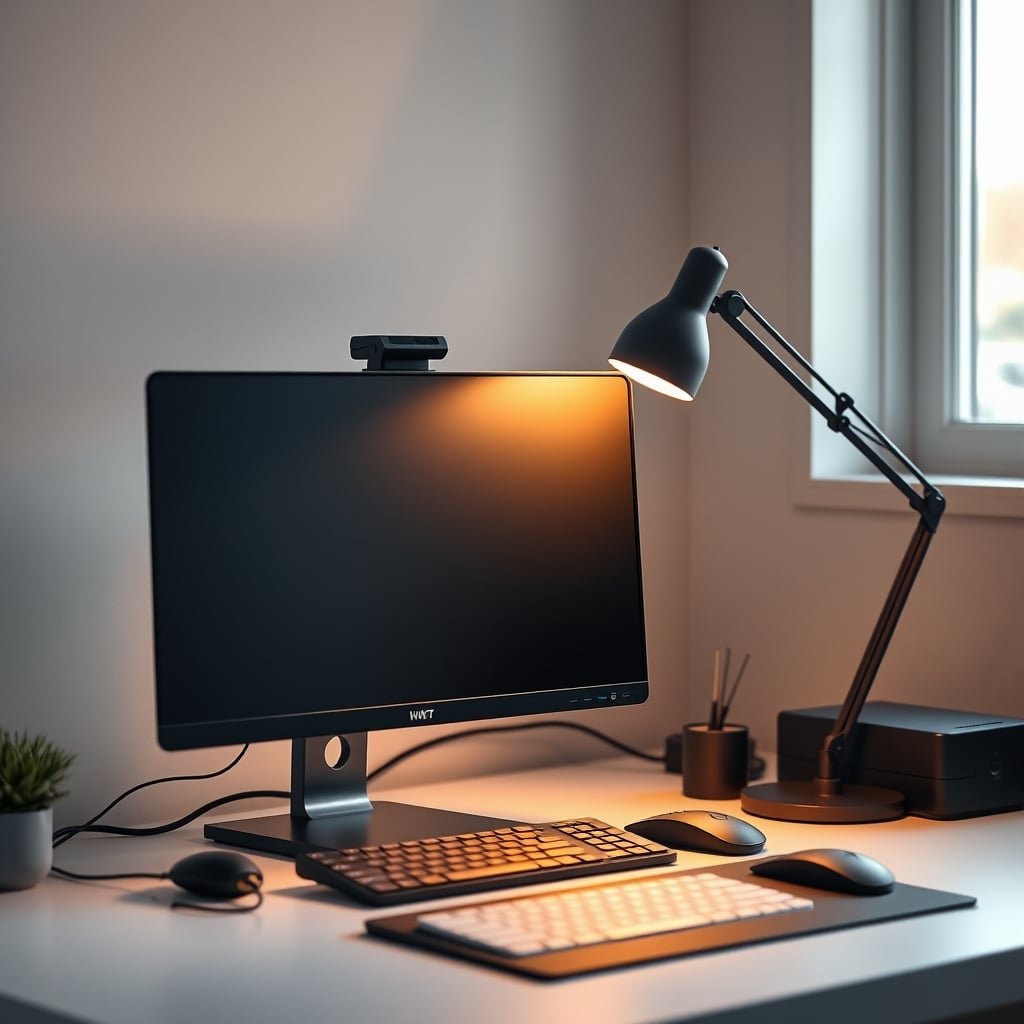
Define Your Task Zone. You need clear, shadow-free light on your keyboard and notepad. This isn’t about mood—it’s utility. A simple, adjustable lamp with a high-CRI (Color Rendering Index) bulb is all you need. High CRI means colors look accurate, which feels more “natural” than any biophilic filter. Lamps like the LEPOWER Desk Lamp work well because they’re simple, flexible, and effective—no therapy sessions required.
Control Your Ambient Lighting. The light around your desk sets the room’s tone. This is where you can adjust color temperature. Want to feel alert? Use cooler ambient lights. Want to wind down? Use warmer ones. Smart bulbs in ceiling or floor lamps handle this better than any tiny desk lamp pretending to be the sun. We explored this concept in Ambient Lighting Psychology Is Manipulating Your Focus.
Only after these three are addressed should you even consider an accent light. And even then, a $10 LED candle or a simple warm-white lamp does more for ambiance than a clinically programmed “sunrise simulator.”
The 2026 Buyer’s Guide: What to Actually Look For
If you’re determined to spend on better lighting, redirect your budget toward tools that solve real problems.
- Prioritize CRI Over Spectrum: Choose lamps with a CRI of 90+ over those boasting “biological wavelengths.” CRI measures how accurately light reveals colors—making your workspace look and feel more real and less fatiguing.
- Choose Dimmers Over Apps: You don’t need an app to adjust brightness. You need a physical knob or slider you can use without looking. App-dependent lighting often leads to frustration—a trap we’ve highlighted in Adaptive Lighting Useless – The Brutal 2026 Truth.
- Value Flexibility: A gooseneck or fully adjustable arm is more useful than any smart feature. It lets you position light exactly where needed, avoiding glare and shadows. Lamps like the Airionv LED Desk Lamp excel here thanks to simple, precise adjustability.
- One Good Light Beats Many Bad Ones: Invest in a single high-quality, flexible task light rather than scattering multiple cheap, single-purpose lights across your desk. This reduces cable clutter, power draw, and visual chaos.
Common Mistakes (Including Mine)
I learned this the hard way—and you might, too, unless you take note.
Mistake 1: Chasing the Feature List. “16 million colors,” “circadian scheduling,” and “IoT connectivity” sound impressive, but more features rarely mean better results. They usually mean more complexity and more points of failure. You’ll likely use only 2% of those features.
Mistake 2: Ignoring Your Monitor’s Dominance. You might spend an hour tuning your desk lamp’s sunset hue while your monitor—the biggest light source in your field of view—is set to “Nuclear Blue.” Start by calibrating your monitor’s color temperature to harmonize with your room’s ambient light. This is the foundation.
Mistake 3: Believing Light Works in Isolation. Lighting is a system. The interplay between your monitor light, task light, and ambient room light matters more than any individual source. Thinking a single “magic” lamp can fix a broken system is the core fallacy of the biophilic lighting scam.
Final Verdict: Skip It
The entire category of “biophilic” or “wellness” desk lamps is overrated. It’s a luxury purchase disguised as a productivity tool. The science is thin, the aesthetic payoff questionable, and the practical benefits are crushed by more fundamental lighting problems you likely haven’t solved.
Take the $300 you might spend on a sculptural light-therapy device and invest it in a solid monitor light bar, a high-CRI adjustable task lamp, and a quality smart bulb for your room’s main light. You’ll solve real problems, reduce eye strain, and gain precise control over your environment. The “connection to nature” you crave won’t come from a USB-powered LED array. It’ll come from the lack of headaches after a long work session, the ability to see your work clearly, and the mental space you reclaim by not fiddling with another buggy app. That’s the real, unsexy truth.
Spend your money on lighting that works—not lighting that tells a story. Your focus will thank you.
Frequently Asked Questions
Is there any real science behind biophilic lighting?
The core science about light affecting mood and circadian rhythms is real, but it's based on full-room, sustained exposure. The jump from that to a small desk lamp improving your focus is a massive, unsupported marketing leap. The effect is negligible in a typical tech-filled workspace.
What should I buy instead of a biophilic desk lamp?
Prioritize a monitor light bar to eliminate glare, then a high-CRI (90+) adjustable task lamp for your keyboard/notebook, and finally smart bulbs for your room's ambient light. This system solves actual problems like eye strain and poor visibility.
Why do so many YouTubers and streamers use these lights?

Written by
From bias lighting behind your monitor to smart RGB ecosystems, Leon knows exactly how to light a room for productivity during the day and gaming at night.
Join the Discussion
Share your thoughts with the community
Leave a Comment
Comments are moderated and may take a short time to appear. Links are not permitted.