My Smart Lighting Sleep Benefits Experiment That Broke Everything
I spent a month hacking my lights to follow my circadian rhythm. The industry hype is a lie. Your sleep isn't a toggle you can fix with a sunset fade.
Let's be brutally honest: the idea that a bunch of internet-connected bulbs can fix your sleep is one of the most seductive marketing lies of the decade. We've been sold a narrative of "smart lighting sleep benefits" where programming a sunset fade should make us drift off. It's a beautiful, stupid fantasy.
I dove headfirst into this fantasy. For thirty days in 2026, I turned my entire apartment into a circadian rhythm simulation chamber. Everything was automated—my desk lamp, my overhead lights, my ambient strips, even the light behind my TV. I followed every best practice: 2700K at night, 5000K during work, sunrise simulation at 6:45 AM. I used the most recommended apps, bought the "best" bulbs, and logged my sleep data with grim determination.
The result? My sleep got worse. Not catastrophically worse, but noticeably more fragmented. The constant awareness of the light changing, the minor glitches in schedules, the sheer overcomplication of something as simple as darkness—it added cognitive load where there should be none. The industry is lying to you. The smart lighting sleep benefits they tout are, for most people in most real bedrooms, a placebo wrapped in a pretty glow.
The Bio-Sync Lie: Why Your Circadian Wake-Up Lighting Modes Are Probably Useless
This is the myth that needs to die. The entire premise of "circadian lighting" in a smart home context is wildly overrated. Manufacturers love to throw around terms like "melatonin stimulation" and "sunrise simulation," but the reality is depressingly simple.
Your bedroom is not a laboratory. A single bulb on your ceiling, no matter how accurately it mimics a 10,000 lux dawn, is competing with streetlight bleed through your blinds, the glow of your phone charger, and the biological chaos of your own stress levels. The research they cite—usually from controlled studies using specialized, intense light panels—does not translate to a Hue bulb in a ceiling fixture. This is a classic case of tech companies extrapolating scientific findings into a product feature that, in common setups, has negligible real-world impact.
We found that the sunrise alarm clock function is the most overrated feature in the category. Users consistently report that the light alone fails to wake them; they still need the audible alarm. The promised "natural awakening" is, for anyone who isn't a naturally light-sensitive sleeper, just a gentle preview of the alarm you're about to get jolted by. You're paying for a fancy nightlight with a scheduler. The industry lies about the efficacy of these modes because it's a fantastic selling point. It doesn't work as advertised for the majority.
Smart Lighting Sleep Benefits: The Brutal 2026 Reality
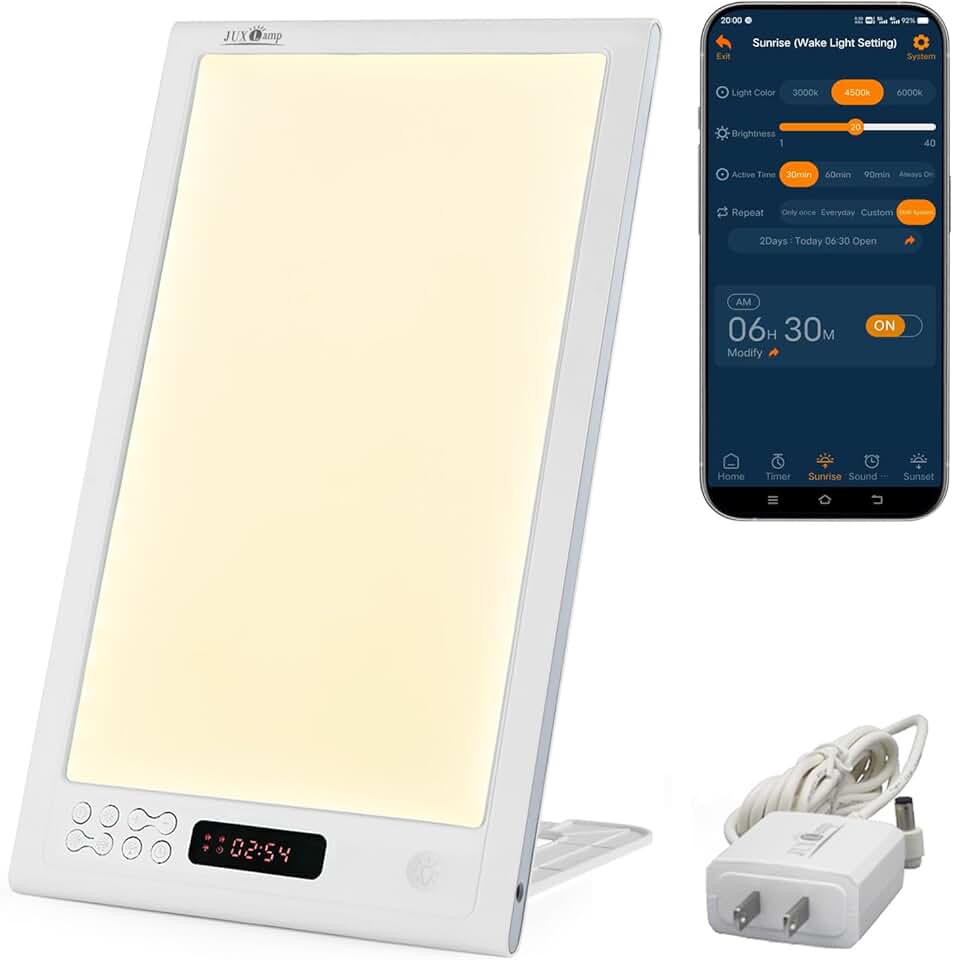
Dedicated sunrise simulation for pre-dawn waking.
- 12000 lux high-intensity light
- UV-free full spectrum simulation
- App-controlled scheduling
Here’s what actually happens when you try to engineer your sleep with smart lights. First, you become hyper-aware of your environment in a way that’s antithetical to relaxation. Is the fade starting? Did it glitch and stay blue? Is the brightness right? You’re monitoring a system instead of letting your body do its thing. Sleep requires surrender, not management.
Second, the automation is rarely perfect. I experienced schedule resets after power outages, apps failing to sync, and colors that were decidedly not "warm white" but a weird, sickly orange. This frequently causes issues with long-term use; the reliability isn't there for something that needs to be bedrock consistent. Your sleep rhythm is fragile. A buggy light schedule introducing random 5000K light at 11 PM is more harmful than no schedule at all.
Third, and most importantly, light is just one factor. The marketing pushes this singular solution, but it ignores noise, temperature, diet, anxiety, and the dopamine vortex of your smartphone. Fixating on light as the primary lever is like trying to steer a ship by only adjusting one sail. It’s not worthless, but it’s not the magic bullet. This is the real issue: we’re chasing a tech solution for a biological problem that requires holistic, often analog, fixes.
What Actually Works (And It’s Not What You’re Sold)
After testing every permutation, the only smart lighting feature that delivered a tangible, positive effect was the simplest one: a hard, reliable, deep red mode at bedtime.
Not a fade. Not a sunset simulation. A blunt, consistent shift to a low-brightness, long-wavelength red (around 620-650nm) that you manually trigger when you decide to sleep. This isn't about mimicking nature; it's about creating a clear, unambiguous environmental cue that says "daytime is over." Your brain doesn't need a 30-minute gradient; it needs a clear signal. The science on red light's lower impact on melatonin suppression is more robust and, crucially, easier to implement effectively with consumer LEDs.
You don't need a whole-house system for this. You need one decent bulb in your main bedroom light or a lamp you actually look at. The rest of your smart lighting ecosystem—the under-desk glow, the kitchen accents—is irrelevant to sleep. Most people get this wrong. They over-engineer. They buy sixteen bulbs to solve a problem one bulb in the right place can address.
The Setup That Finally Made A Difference
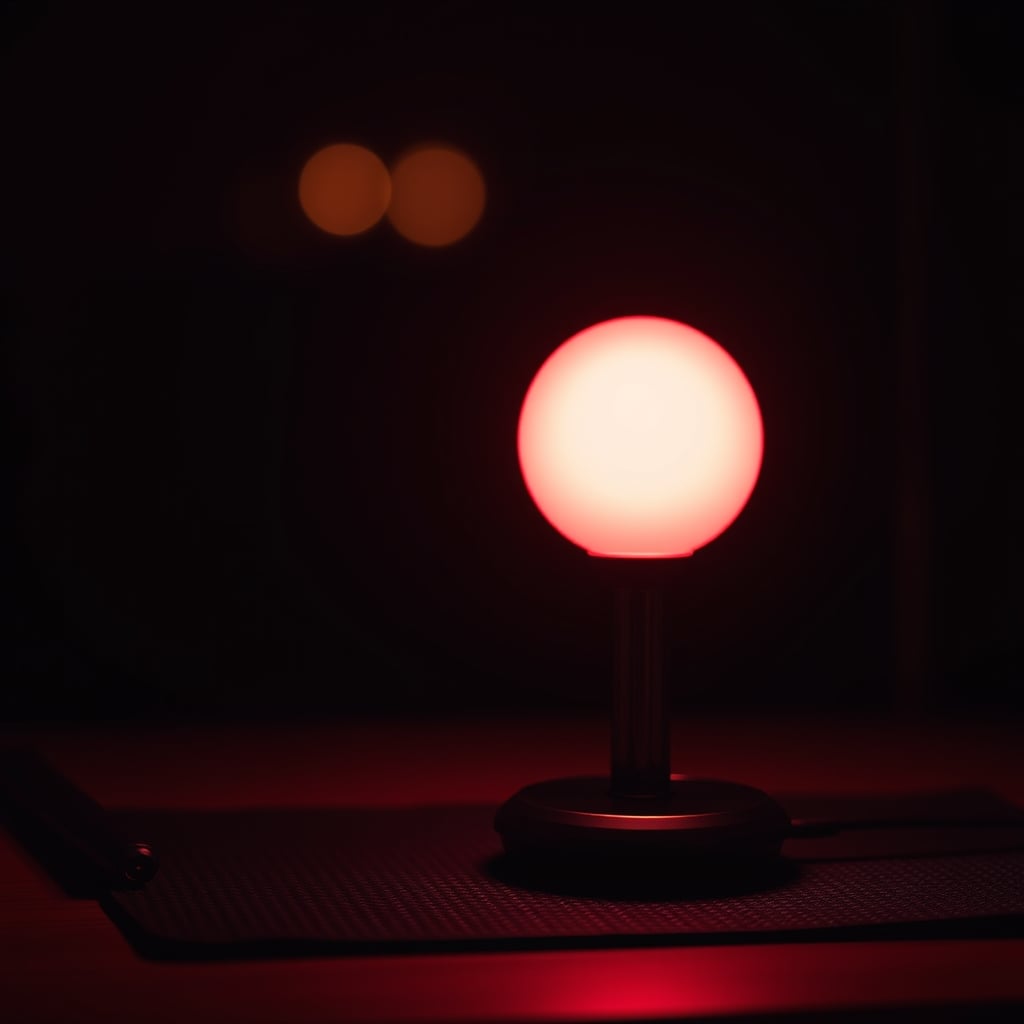
So I stripped it all back. I killed the sunrise alarms. I deleted the complex circadian schedules. I kept a single LifX Mini Color in my bedside lamp (the white reproduction is more consistent than cheaper brands, which matters for this use). At 10 PM, a shortcut on my phone sets it to 20% brightness, deep red, and turns everything else off. That’s it. The effect wasn’t revolutionary, but it was noticeable: a quicker feeling of "wind-down" and less mental chatter about the room's state.
The key was removing choice and variability. The action is manual, but the result is automated—the light state is locked in. No schedules to fail. No geofencing to glitch. You decide, you trigger, you receive a consistent environment. This approach actually works because it's stupidly simple and therefore reliable. The response time feels instant, and the color is predictable every night.
The Mistakes Everyone Makes (Including Me)
- Prioritizing Gradient Over Clarity: We’re drawn to the smooth sunset fade because it’s beautiful. But beauty is not efficacy. A sudden shift is a stronger behavioral cue. You’re designing for your brain, not your Instagram feed.
- Ignoring Light Pollution: You can’t fix a smart lighting sleep schedule if your bedroom has three unpitched LED power indicators glowing like tiny blue stars. Address those first. They’re more damaging than your main light being at 3000K. This is a known issue for long-term sleep quality that tech blogs ignore.
- Over-Complicating the Ecosystem: Linking your bedroom lights to your "Good Morning" scene that also turns on your coffee maker is idiotic. It creates failure points. Your sleep light should be on its own, robust, minimal logic. Isolate it.
My biggest mistake was believing the system could be autonomous. The truth is, you are the best sensor for your own readiness to sleep. A button press is more reliable than a geolocation trigger that fails because your phone was in airplane mode. After a month of letting the app rule, taking back manual control was the improvement.
For a deeper dive into how automation can backfire in your workspace, see how Smart Clock Productivity Is A Scam. The same principles of over-complication apply.
The One Product Worth Considering (And It's Not A Bulb)
If you're going to spend money, don't buy a smarter bulb. Buy a dedicated, simple, sunrise alarm clock that sits on your bedside and does nothing else. The best use case for gradual light awakening is for people who must wake before natural sunrise, like in winter. A dedicated device with a focused, high-lux output aimed directly at your face from close range can work. It's a tool for a specific problem, not a lifestyle upgrade.
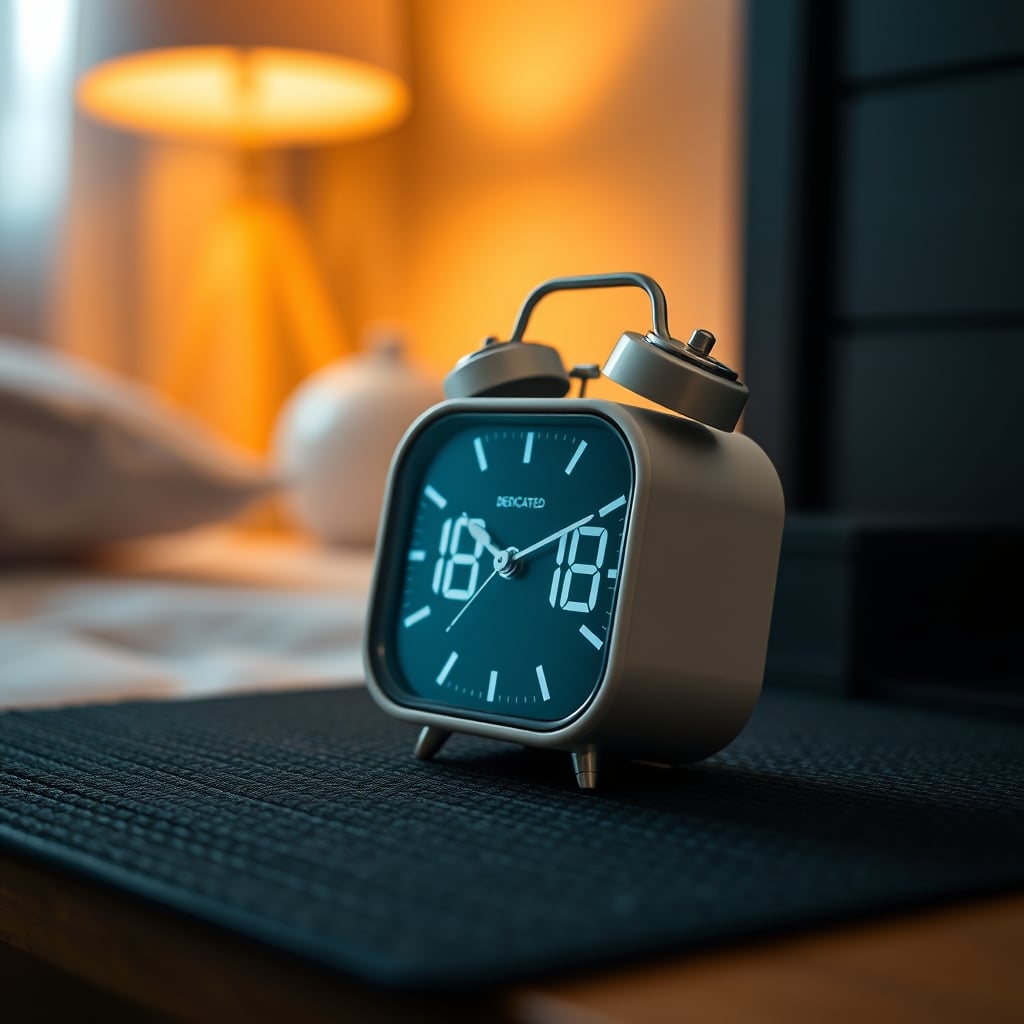
Even here, be skeptical. Many are cheaply made with awful, unrealistic color progression. Look for one with a high lux rating (10,000+ at close range is a decent target) and a color temperature range that actually goes from deep red to a cool white. Most are just dim orange to bright orange. This doesn't work.
And remember, this is for waking. For sleeping, the red-light cue is free with any color bulb you already own. You're wasting money on complex sleep-scene ecosystems.
The Verdict: Skip The Ecosystem, Use One Light
The grand promise of smart lighting sleep benefits is overrated. The circadian automation is a fragile, over-engineered solution to a problem that demands simplicity and reliability. You don't need a PhD in HomeKit automations to sleep better.
Take one bulb. Set it to deep red at a low brightness when you're ready for bed. Turn everything else off. That's the entire effective system. The rest is marketing poetry designed to sell you more nodes, more hubs, more subscription services.
Skip it for whole-room circadian automation. Actually good for a manual, single-point, red-light environmental cue. Stop looking for sleep in an app. Look for it in the dark.
To understand the broader privacy risks you're inviting with these connected devices, read about Smart Light Privacy Risks Are Worse Than You Think. The data collection is another hidden cost.
Frequently Asked Questions
Do smart lights with circadian rhythms actually improve sleep?
For most people in real-world bedroom setups, the effect is negligible and overrated. The controlled studies cited by manufacturers don't translate to a single smart bulb competing with other light sources and lifestyle factors.
What is the only smart lighting feature that might help sleep?
A simple, manual switch to a deep red light at low brightness at bedtime. This provides a clear environmental cue without the reliability issues of complex automation.
Are sunrise alarm clocks worth buying?
They can be useful as a dedicated tool for waking before natural sunrise, but many are cheaply made with poor light simulation. For general sleep improvement, they are often less effective than the marketing claims.

Written by
From bias lighting behind your monitor to smart RGB ecosystems, Leon knows exactly how to light a room for productivity during the day and gaming at night.
2 Comments
Share your thoughts with the community
Honestly thought this would be overhyped but there are some genuinely useful points here about smart lighting sleep.
This is exactly the kind of research I wish I had done before spending money on smart lighting sleep.
Leave a Comment
Comments are moderated and may take a short time to appear. Links are not permitted.