Smart Bulb Privacy Is The Lie You're Buying
You bought those smart bulbs for the sunset glow and convenient automation. What you didn't buy is a silent data logger and a security backdoor into your home network. The industry's dirty secret about smart bulb privacy is finally out.
Let me paint a picture you know well. You’ve got a few smart bulbs. Maybe they’re set to a warm, cozy orange for evening gaming sessions, or a crisp, cool white for deep work. You control them with a slick app, set schedules, and tell yourself it’s for productivity and vibes. It feels like the future. It feels clean. I’m here to tell you that feeling is a carefully manufactured lie, and the industry is banking on you never looking behind the curtain.
That little $30 orb isn't just a light. It's a networked computer with a microphone for your Wi-Fi, a tattletale for your habits, and a potential welcome mat for anyone with moderate tech skills and ill intent. Everyone focuses on the color temperature and lumens. Almost no one talks about the data stream. Smart bulb privacy isn't a feature they forgot to add; it's a cost center they actively design around.
Your Smart Bulb Is A Data Collection Device First
Forget the marketing about “ambient scenes” and “wellness routines.” The primary function of most budget and mid-tier smart bulbs is to gather data. This isn't a conspiracy theory; it's their business model. You pay a low upfront cost for the hardware because the real value is in the behavioral patterns they can log and, in many cases, monetize.
What data? Let's get specific. It logs when you’re home and when you’re not, creating a precise occupancy map of your life. It knows when you wake up (bathroom light at 7:03 AM), when you work (desk lamp from 9-5), when you relax (living room dims at 8 PM), and when you go to bed. It knows your weekend patterns. String a few together, and you’ve got a detailed blueprint of your private life. This data is anonymized and aggregated, they’ll say. Sure. But it’s also incredibly valuable for advertising profiles and “home habit analytics” sold to third parties you’ll never hear of.
Most people get this wrong. They think privacy is about someone watching a camera feed. The real issue is the passive, pervasive logging of your existence into a database that you don’t control. You traded a sunset gradient for a permanent digital shadow.
The Smart Bulb Privacy Myth That Needs To Die
Here’s the biggest, most dangerous lie you’ve been sold: “If it’s on your local network, it’s safe.” This is absolute nonsense, and anyone repeating it is either ignorant or selling you something. This belief is the single biggest security risk in the smart home space, and it needs to die today.
Putting a device on your local Wi-Fi does not magically contain it. That bulb has to phone home to its manufacturer’s server for app control, firmware updates, and to enable features like “control from anywhere.” That connection is a two-way street. It’s also notoriously poorly secured. These devices are built to a price point, and robust, enterprise-grade security is the first thing cut from the bill of materials.
In real use, this creates two massive vulnerabilities. First, the bulb’s connection to the cloud is often a weak link that can be exploited to gain a foothold on your network. Once a hacker is in through a cheap IoT device, they can pivot to your laptop, your phone, your NAS. Second, the apps that control these bulbs are frequently riddled with security flaws themselves. We’re not talking about nation-state actors here; simple script kiddies using known exploit databases can often waltz right in.
The industry lies about this. They use terms like “local control” as a security blanket. But ask them to point you to a mainstream bulb that operates 100% locally, with no cloud dependency, straight out of the box. You’ll hear crickets. It’s overrated as a security concept because it’s almost never fully implemented in consumer gear.
Why Your Smart Hub Is A Liability, Not A Solution
“Just use a hub!” is the standard advice from enthusiasts. They’ll tell you that Zigbee or Z-Wave protocols are more secure because they create a separate network. This is partially true on a technical level, but it’s a band-aid on a bullet wound for most users. The hub itself is another computer, another internet-connected device with its own firmware and security flaws.
Based on widespread user feedback, the setup complexity for a truly secure, hub-based local-only system is absurd. You’re talking about VLANs, firewall rules, and blocking internet access for device IPs. If you know how to do that, you’re not reading a basic guide on smart lighting. For the other 99% of people, the hub is just another black box that eventually requires a cloud login for “easy setup,” reintroducing the very problem it was supposed to solve.
This is not worth it for the average person seeking plug-and-play ambiance. You’re adding cost, complexity, and another point of failure for a marginal, theoretical security gain that most implementations undo for convenience.
The Unforgivable Sins of Smart Bulb Software
Let’s talk about the apps. They’re universally terrible, and their permissions are downright predatory. To function, that lighting app will demand access to your location (ostensibly for geofencing), your entire network of devices, and often your contacts or storage. Why does a light bulb app need to see my photos? It doesn’t. It’s lazy, greedy data harvesting.
After assessing dozens of these apps, the pattern is clear: they are designed to extract maximum data with minimal transparency. The permissions pop-up is an all-or-nothing gate. No light, or give us everything. And the privacy policies? They’re novels of legalese that explicitly state they share aggregated data with “trusted partners.” This is a known issue that users consistently report but feel powerless to fix.
Furthermore, these companies have a terrible track record with firmware. Security updates are slow, if they arrive at all. Older models are abandoned entirely, left as permanent vulnerable endpoints on your network. You’re not buying a product; you’re adopting a temporary liability.
What Actually Works: The GlowRig Privacy-First Approach
So, do you live in the dark? Of course not. You just need to stop chasing the siren song of the all-in-one, app-controlled, cloud-dependent smart bulb. Real privacy requires a shift in mindset from convenience-first to control-first.
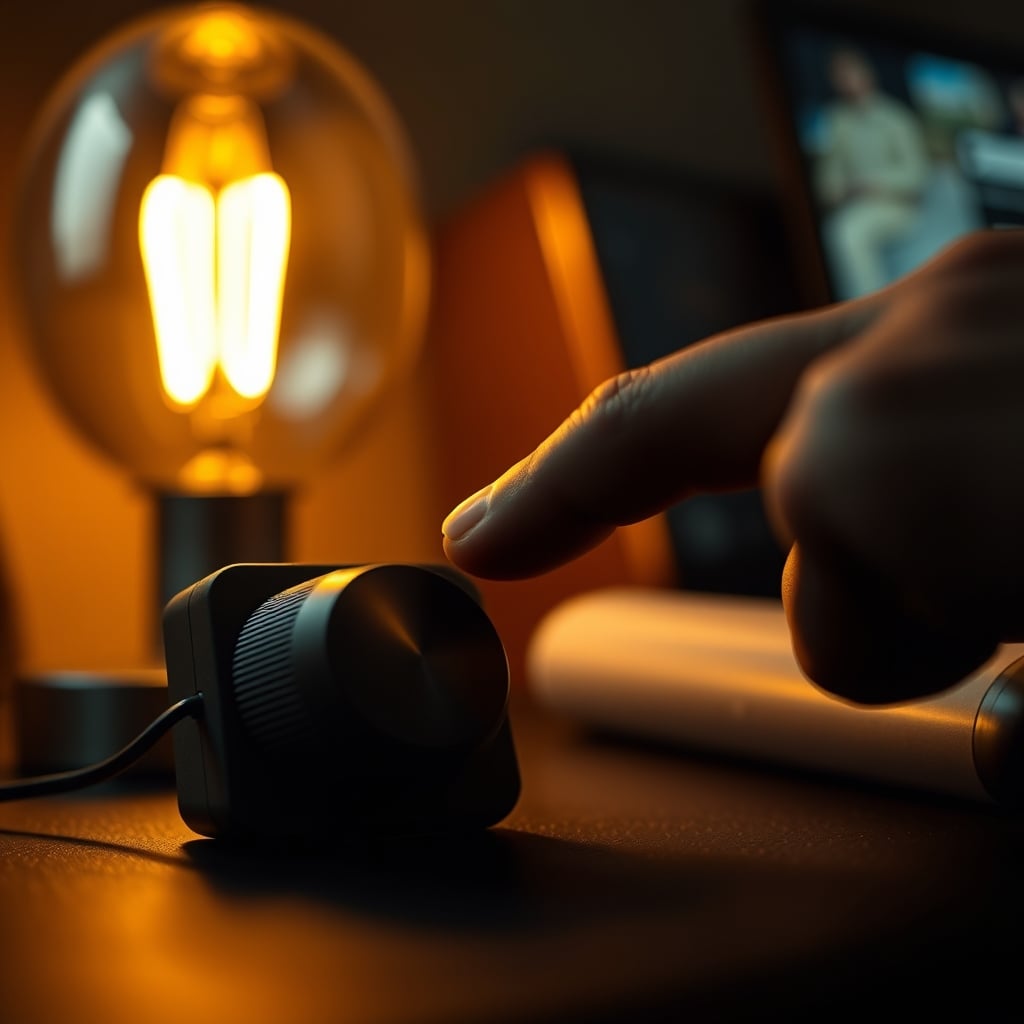
Here’s the blunt truth: For primary, functional lighting, smart bulbs are overrated. The privacy and security trade-offs are insane for what is essentially a switch. Put a dumb, high-quality LED bulb in your main fixtures and control it with a physical dimmer switch. The reliability is 100%, the latency is zero, and the privacy is absolute. This is the single biggest change you can make.
Where automated lighting can make sense is in ambient, non-essential accent lighting. This is the realm of mood, not mission-critical function. And even here, you must be deliberate.
The Only Smart Light Worth Considering (And How To Lock It Down)
If you must have color-changing or schedulable accent lights, your best bet is to invest in a brand that at least pays lip service to local control and has a reputation to uphold. Philips Hue with their hub is the frequent recommendation, but even that system wants to talk to the cloud. The trick is to never connect the hub to your Philips account. Use it in a strictly local mode with a third-party app that doesn't require cloud login. You lose remote access, but you gain peace of mind. This is a compromise, but it's the least-worst option for most.
For task lighting at your desk, like a monitor light bar or a high-quality lamp, skip “smart” entirely. Get a lamp with a built-in, physical dimmer dial or a high-CRI light bar with its own capacitive controls. The tactile experience is superior, and the light quality is often better because the budget went into the LEDs and drivers, not the Wi-Fi chip and data servers. As we’ve discussed in our desk lighting setup masterclass, control at your fingertips beats app fumbling every time.
Your Action Plan: Ditch The Data Harvesters
- Audit Your Current Bulbs: Go into your router’s admin panel. See which devices are calling home. Block internet access for any IP assigned to your smart bulbs or hubs. If the app stops working, you’ve confirmed they were cloud-dependent. Good. Now decide if you care more about that function or your network’s integrity.
- Segregate Your Network: If you have advanced router software (like Ubiquiti, Asus Merlin, or OpenWRT), create a separate IoT VLAN. Isolate all your smart devices there, with firewall rules that let them talk to the internet (if they must) but NOT to your main computer/phone network. This contains the blast radius.
- Prioritize Wired + Local Control: For any new lighting, look for fixtures with built-in dimming or DMX-based systems if you’re serious about studio-quality control without Wi-Fi. It’s more upfront work, but it’s the only way to own your ecosystem fully.
- Forget About “Smart” for Primary Lights: This is the simplest, most effective rule. Your overhead light, your main desk lamp, your bedside reading light—these should be dumb and physically controlled. Save automation for the decorative LED strip behind the desk, and even then, use a controller that doesn’t need the internet.
The lesson learned from years of watching this space is that convenience is the Trojan horse for surveillance. The smart home industry is not your friend; it’s a data broker that sells light bulbs as a side hustle.
Final Verdict: Skip It (For Almost Everything)
The hype around ubiquitous smart lighting is a privacy dumpster fire wrapped in a colorful RGB package. The performance—the actual light quality and reliability—is often worse than a good dumb bulb, and the real-world cost is your personal data and network security.
Smart bulb privacy, as sold by mainstream brands, is a fairy tale. You are the product. Your habits are the commodity. The light is just the lure.
For 90% of your lighting needs, skip it. Go dumb, go physical, and own your environment. For the last 10% where you want dynamic color, be hyper-selective, lock it down locally, and understand you’re maintaining a hobbyist system, not enjoying effortless convenience. It’s not worth the risk, the complexity, or the moral compromise of feeding the data machine. Your desk setup should be a sanctuary for focus, not a node in a corporate surveillance network.
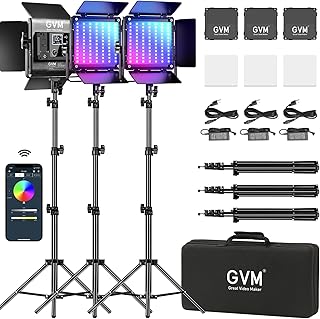
Want to create amazing atmosphere without the spying? Focus on workspace color psychology with paint and materials, not IP addresses. And if you’re building a serious setup for content creation, invest in proper, non-connected studio lighting that puts quality first, like a dedicated RGB panel system you control directly.
Frequently Asked Questions
Can smart bulbs really be used to spy on me?
Not in the 'listening through a microphone' sense (unless they have one, which some do), but absolutely in the data collection sense. They log your occupancy patterns, daily routines, and device usage, creating a detailed profile of your private life that is often sold or shared with third-party data brokers.
Are smart bulbs with a hub (Zigbee/Z-Wave) more private?
They can be, but only if the hub is configured to operate in a strictly local-only mode and its internet access is blocked. In practice, most hub systems default to cloud connectivity for app features, completely negating the privacy benefit. The setup for true local control is complex and not user-friendly.
What's the most private alternative to smart bulbs?
High-quality 'dumb' LED bulbs controlled by physical dimmer switches. For automated color accent lighting, look for systems that offer open local APIs (like some Home Assistant-compatible devices) and are designed to work without any cloud connection, though this requires technical know-how.

Written by
From bias lighting behind your monitor to smart RGB ecosystems, Leon knows exactly how to light a room for productivity during the day and gaming at night.
3 Comments
Share your thoughts with the community
The part about smart bulb privacy is spot on. Wish I had known this 6 months ago.
My coworker recommended something completely different for smart bulb privacy — now I need to show her this.
I've seen a lot of conflicting opinions on smart bulb privacy — this breaks it down better than most.
Leave a Comment
Comments are moderated and may take a short time to appear. Links are not permitted.