Circadian Desk Lighting: What Actually Works in 2026
Forget orange bulbs and smart-home hype. This guide tells you exactly what circadian desk lighting needs to do, which three lamps get it right, and when you should just buy a dimmer switch.
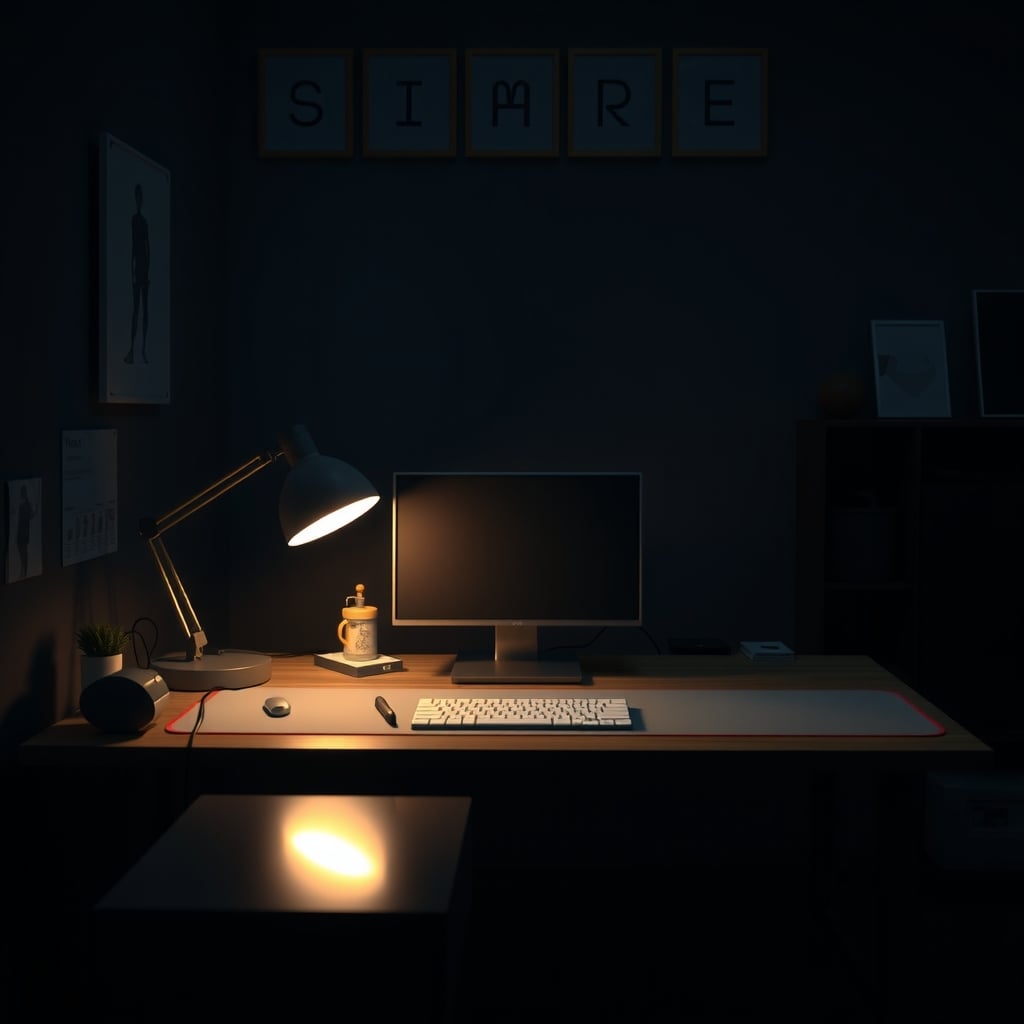
Circadian desk lighting is one of those phrases that sounds like marketing fluff until you've spent one too many 10pm work sessions under a thousand-lumen daylight bulb. Your body reads that 6500K flood as noontime, and melatonin production doesn't stand a chance. The fix isn't a $200 smart setup — it's a desk lamp that can drop to amber, plus enough daytime brightness to anchor your rhythm.
Here's the honest truth: most people who buy "circadian" lamps never check two numbers — color temperature (CCT) and brightness (lux). Marketing usually focuses on orange filters and sleep apps, but those don't fix the core issue. You need hardware that covers both ends of the day. Let's break down the specs that actually matter.
What circadian desk lighting needs: CCT and lux
Color temperature is measured in Kelvin. A standard warm-white bulb sits around 2700K; a crisp daylight bulb is around 6500K. For circadian support, you need the evening side to go well below 2000K. At 1600K, the light is deep amber — similar to sunset. At 2700K, there's still enough blue spectral content to suppress melatonin. The second number is brightness. During the day, your retinas need decent light exposure to set your internal clock. The standard target for a therapy lamp is 10,000 lux delivered at the advertised distance. For general desk work, 350–500 lux is the typical range. A lamp that does both ends — bright neutral for the morning, dim amber for the night — is rare below $50. That's the category to look for.
If glare is already sabotaging your setup, the desk lamp glare test reveals exactly how to spot the flicker you can't see.
In the sub-$100 range, three lamps dominate the conversation. Each has a different strength, and the right one depends on which part of your day is broken.
The do-it-all budget pick: the hooga Desk Lamp. Priced at $29.99, it packs three modes: amber at 1600K, red, and full-spectrum at 4000K. The 4000K mode is a pleasant neutral white, bright enough for focused reading but not a 10,000-lux therapy blast. The 1600K mode is the real reason to buy it — it's the warmest amber you'll find on any desk lamp under $50. It's rechargeable, dimmable, and compact. Reviewers consistently note the battery lasts three or four evenings per charge, and the physical controls are straightforward. Downside: it's not a high-output daylight lamp. If you need a serious daytime boost, pair it with a proper light therapy lamp.
The best budget therapy lamp: the LASTAR Sun Lamp at $26.99. This gets you the full 10,000 lux output advertised by light therapy lamps, plus four color temperatures and five brightness levels. The touch controls are acceptable, but long-term threads flag the stand as a little wobbly. If you get outside for part of the day, you probably don't need this. If you work in a windowless office, it's the most cost-effective way to add bright morning light to a desk without spending $70.
The premium pick: the Circadian Optics Lumos for $69.99. This one shows up in streaming setups because it looks great on camera and delivers a true 10,000 lux. It's a light therapy lamp first and an ambient light second. The light is bright, daylight-balanced, and easy to aim. It's not dimmable in the way a reading lamp is; you mostly get on/off and a few brightness steps. For evening ambience, you'd still need a separate amber source. It's the better buy if your mornings are miserable and you want a single, well-built device.
For most people, though, the hooga is the better starting point. It covers the missing half of your day — the evening — and costs less than a dinner run. If daytime alertness is your struggle, buy the Lumos and keep using your phone's night shift for the evening.
Comparison table
Product Price Modes Brightness Best for Stay away if... hooga Desk Lamp $29.99 Amber 1600K, red, 4000K full-spectrum Dimmable, rechargeable One lamp for day and night You need 10,000 lux therapy output LASTAR Sun Lamp $26.99 4 color temperatures Up to 10,000 lux, 5 levels Budget light therapy You want a beautiful desk object Circadian Optics Lumos $69.99 Daylight white Up to 10,000 lux Premium therapy + camera presence You need evening amber from the same lampBottom line: keep it simple
The goal of circadian desk lighting isn't to replicate sunrise with a $500 system. It's to give your body two clear signals: bright and neutral during the day, warm and dim at night. The cheapest way to do that is to buy a lamp with a daylight mode, a dim amber mode, and a physical dimmer.
For most people, the hooga desk lamp is that lamp. It's $30, it's rechargeable, and it hits the 1600K mark that genuinely reduces evening blue light. If you need a serious morning therapy boost, add the LASTAR for $27, not the Lumos — unless you want the better build and camera presence. Skip anything that tries to do everything through an app; you'll end up fighting the schedule more than using the light. Pair this with a consistent wake-up time and maybe a circadian alarm clock, and you've covered the entire loop.
Frequently Asked Questions
What color temperature should I use at night?
Aim for below 2000K. 1600K amber is ideal. Standard warm white at 2700K still has enough blue light to affect melatonin.
Is a smart light bulb enough for circadian desk lighting?
If your smart bulb can drop below 2000K and dim smoothly, it can work. Most smart bulbs only go to 2700K and don't dim low enough. Check the specs.
Do I need a 10,000 lux therapy lamp for circadian benefits?
No. If you get natural daylight during the day, your rhythm is already anchored. Therapy lamps help when you have no access to daylight, like in a dark office.
Can I use the same lamp for reading and as a therapy light?
Not both. A therapy lamp needs to be 10,000 lux at a set distance, which is much brighter than comfortable reading light. Use separate fixtures.
Will a red light mode help me sleep better?
Red light has minimal effect on circadian rhythm and won't suppress melatonin, but it's uncomfortable for reading. Amber is a better evening balance.
How long should I use a light therapy lamp in the morning?
Usually 20-30 minutes at 10,000 lux positioned about 8-12 inches from your face. Follow the manufacturer's distance guidance.
Written by
GlowRig Editorial researches and writes practical guides about desk setups and home office gear. Our articles are produced with the help of AI research tools and are reviewed for accuracy against manufacturer specifications and public user feedback. We may earn a commission from affiliate links, which never affects our recommendations.
Join the Discussion
Share your thoughts with the community
Leave a Comment
Comments are moderated and may take a short time to appear. Links are not permitted.