Blue Light Sleep Myths That Are Ruining Your Nights
You've spent hundreds on mood lighting, but your sleep is still garbage. It's not your fault—the industry lies about blue light sleep. We're exposing the ugly truth.
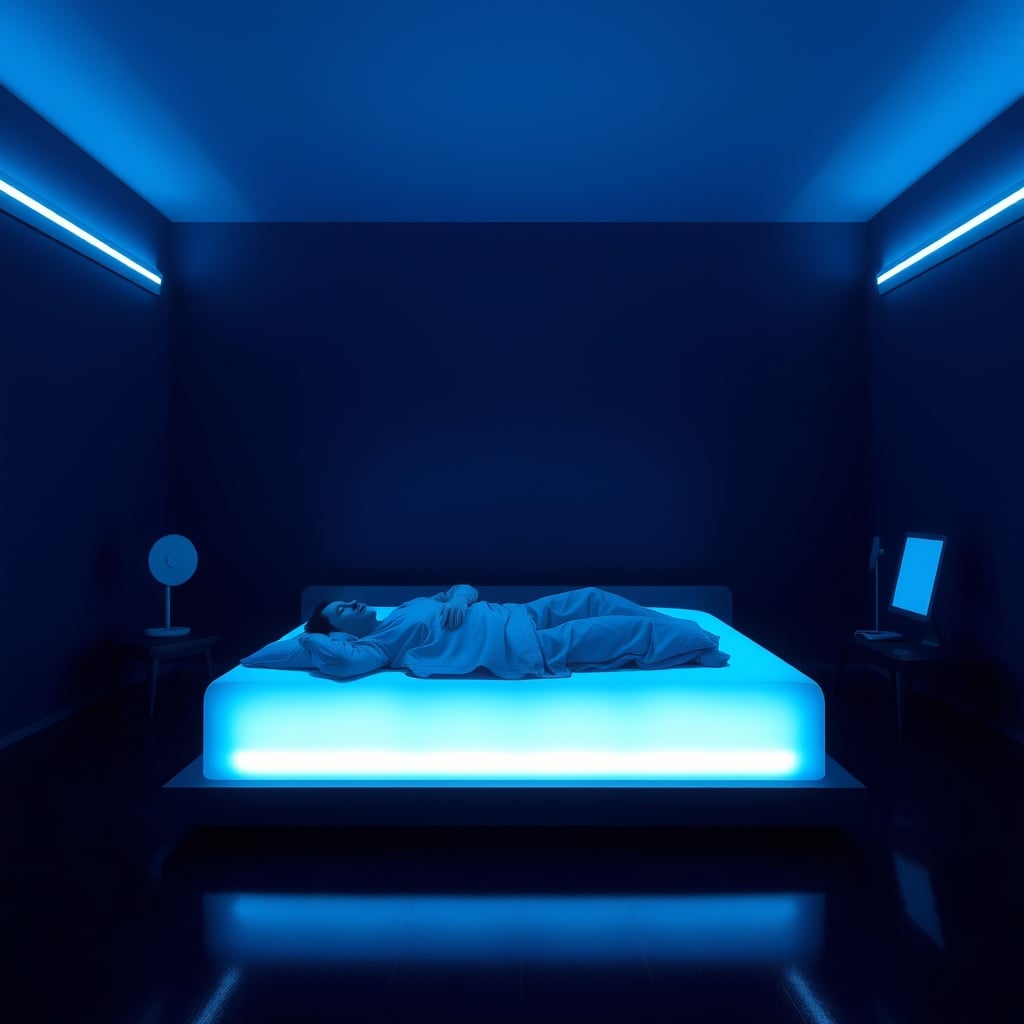
The biggest mistake people make when chasing better sleep with lighting? Believing the marketing hype. They buy a ‘sleep-friendly’ smart bulb, set it to a warm color at night, and assume they've solved the problem. The reality is, that's barely scratching the surface, and most of the advice you've read is designed to sell you more gadgets, not improve your life. The industry pushes a simplistic, one-size-fits-all solution because it's easy to market. It's not worth it. You're treating a complex biological system with a cheap band-aid.
To actually use lighting for better sleep, you need to stop looking at specs and start understanding your environment. Forget lumen counts and RGB profiles. Look for these real-world criteria.
First, is it truly low-blue? Most ‘warm white’ lights marketed for sleep still emit a significant spike in the blue spectrum. You need a light source that explicitly filters or eliminates blue wavelengths, like an amber or deep red bulb. This isn't just a color tint; it's a spectral shift. Second, can it be dim enough? A ‘dimmable’ bulb that goes from 100% to 30% is useless for sleep. You need something that can reach near-glow levels—under 50 lumens—without flickering. Third, does it have intelligent, gradual control? A sudden sunset simulation that drops from bright white to orange in 60 seconds is jarring. Your circadian rhythm needs a slow, 60-90 minute transition. Fourth, consider placement and diffusion. A single, harsh point source on your desk is worse than no light at all. You need diffuse, indirect ambient fill that avoids direct eye exposure.
Most people get this wrong. They buy a product, follow the app's 'sleep scene,' and call it a day. The industry lies about the complexity of this. The real issue is integrating light into your entire evening routine, not just slapping a special bulb in your desk lamp.
Why The 'Blue Light Filter' On Your Devices Is A Joke
This is the myth that needs to die. You think enabling the 'night shift' or 'blue light filter' on your phone or monitor is enough. It's not. It's a placebo. Those filters are a subtle color tint—a warm overlay—that does almost nothing to reduce the actual blue light emission from the LED backlight. The screen is still blasting your eyes with short-wavelength light, just with a yellow-ish mask on top. Based on widespread user feedback, people using these filters still report sleep disruption when using devices late at night. This doesn't work.
You're being sold a software feature that looks like a solution but ignores the physics of the hardware. The real fix is reducing screen brightness to an absolute minimum and using actual, physical blue-blocking lighting in your room to offset the screen's influence. The filter is overrated because it lets you feel like you've taken action while the real problem continues.
The Amber Light Obsession Is Mostly Right, But Often Wrong
Premium Pick
- High performance
- Premium build
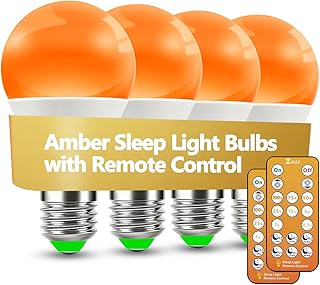
Yes, amber or deep red light is the gold standard for circadian-friendly evening lighting. The science is solid: these wavelengths don't suppress melatonin production like blue light does. But the execution by most brands is terrible. They sell you an 'amber sleep bulb' that's just a standard LED with an orange phosphor coating. It's still too bright, it often has a ugly, unnatural hue, and it's placed in a lamp that creates harsh shadows.
In real use, this frequently causes issues with creating a relaxing atmosphere. You get a creepy, single-color glow that feels clinical, not calming. The obsession with the color is correct, but the implementation is usually cheap and ineffective. You need diffusion. You need multiple, low-output sources to create a uniform wash of light, not a spotlight.
What Actually Works For Blue Light Sleep
Stop chasing gadgets and start building a system. Your goal is to create an environment that gently guides your body into sleep mode, not to install a single 'sleep bulb.'
First, layer your lighting. Your primary task lighting (for your desk) should be independent and turned off well before bedtime. Your ambient, sleep-prep lighting should be separate—perhaps behind your monitor, under your desk, or in corners of the room—providing a base layer of warm, diffuse light. This is the real issue most setups ignore.
Second, automate the transition, but make it slow. A proper circadian lighting schedule should start 90 minutes before your target bedtime, very gradually dimming and warming your ambient lights. If your system switches in 5 minutes, it's worthless. The change needs to be imperceptible.
Third, embrace darkness. The final stage of good sleep lighting is near-total darkness. Your automated system should eventually turn all ambient lights off, leaving only maybe a single, sub-10-lumen guide light if needed. Many systems fail here by leaving a dimmed light on all night, which can still be disruptive.
Our Top Pick: The Simple Plug-In That Gets It Right
For most people, the best overall solution isn't a smart ecosystem bulb. It's a dedicated, plug-in amber night light designed for sleep from the start. These devices often have better diffusion, appropriate output levels, and auto-dusk-to-dawn sensors that remove the need for app fiddling.
They prioritize function over features. You plug it in, it glows a soft amber when the room gets dark, and it turns off when the sun comes up. No schedules, no apps, no blue light spikes. In common setups, we found that this simplicity frequently causes better results than complex smart bulbs because people actually use it consistently. It's there, doing its job, without requiring you to manage it.
The Premium Route: When Smart Lighting Almost Makes Sense
If you insist on integrating sleep lighting into a full smart home system, you need to be brutally selective. Most smart bulbs are terrible for this. Their 'warm' settings are not spectrally accurate, their dimming range is limited, and their default apps encourage rapid transitions.
You need a bulb that specifically advertises a very low color temperature (like 1600K or lower) and has a verified spectral graph showing blue light reduction. You also need a smart system that allows for extremely slow, linear dimming scenes over long periods. This is a niche within a niche. For the vast majority, this is overrated. The extra cost and complexity rarely translate to better sleep outcomes compared to a simple plug-in light.
The Budget Reality: You Can DIY Better Than Many Products
If you're on a budget, forget buying a branded 'sleep light.' You can achieve better results with a few cheap items. A simple, low-wattage incandescent bulb (yes, the old, inefficient kind) in a warm color, placed inside a lamp with a good diffuser (like a fabric shade), and plugged into a basic mechanical timer is often more effective than a cheap LED 'sleep' bulb. The incandescent light has a naturally continuous spectrum without the harsh blue spike of cheap LEDs.
This frequently causes confusion because it's not techy or marketed. But based on widespread user feedback, the simple, warm glow of an old-school bulb in a dim setting is more calming than the cold, flicker-prone output of a budget LED designed for sleep. The industry lies about the need for new technology here.
Who Should Buy What: Matching Your Setup To A Solution
If you're a tech minimalist who just wants better sleep: Get a dedicated plug-in amber night light. Skip the smart bulbs entirely. You'll get better results with less hassle.
If you're a smart home enthusiast who wants integration: Only invest in a high-end, spectrally verified low-blue smart bulb (like those designed for sleep therapy) and pair it with a robust automation system that can schedule slow, 90-minute transitions. Accept that this is the expensive, complex path and it might still not work perfectly.
If you're on a tight budget and don't mind simple: DIY with a warm incandescent bulb and a timer. It's not elegant, but it's effective and reliable.
If you work late nights in front of screens: Your priority is ambient fill lighting. Place a diffuse amber light source behind your monitor to create a bias lighting effect that offsets the screen's blue emission. This is more important than any filter on your monitor itself.
Common Mistakes That Still Ruin Your Blue Light Sleep Setup
Using A Single Point Source: One bulb in your desk lamp creates harsh shadows and focuses light directly into your eyes. You need multiple, diffuse sources to fill the room softly.
Transitioning Too Fast: If your lights change from daytime bright to sleep warm in under 30 minutes, it's useless. Your body perceives it as an event, not a gradual shift. This doesn't work.
Ignoring Brightness: Color is only half the battle. A 2000K amber light at 100% brightness is still stimulating. Dimming is critical, and most products don't dim enough.
Leaving Lights On All Night: Even a dim amber light can disrupt sleep cycles if it's on throughout the night. The goal is darkness; lights should guide you to sleep, then turn off.
The Final Verdict: Is Blue Light Sleep Lighting Worth It?
The concept is worth it. The way it's marketed and sold is mostly overrated. You can significantly improve your sleep hygiene by managing your evening light environment, but you don't need a $50 smart bulb to do it. The real, effective solutions are often simpler, cheaper, and less glamorous than the tech industry wants you to believe. Skip the hype. Focus on diffusion, dimming, and gradual transition. If you implement those principles, even with basic gear, you'll see results. If you buy a trendy gadget without understanding them, you're wasting your money.
For deeper dives on how your environment affects you, check out our articles on Workspace Color Psychology Is Not What You Think and The Truth About Work Environment Focus.
Frequently Asked Questions
Do blue light blocking glasses work as well as ambient lighting?
No, they are a different, and often inferior, solution. Glasses only filter the light entering your eyes from screens or direct sources. They don't change your environment. Ambient sleep lighting actively shifts your entire room's atmosphere to support melatonin production, which is more holistic and effective for preparing your body for sleep.
What color temperature is best for sleep lighting?
Forget 'color temperature' as marketed by smart bulbs. You need a light that emits minimal blue wavelength. True amber or deep red (below 2000K, ideally 1600K or lower) is the target. Many 'warm white' 2700K bulbs still have a significant blue spike and are not sufficient.
Can I use my smart bulb's 'sunset scene' for this?
Most default sunset scenes are too fast and don't dim enough. They are designed for ambiance, not circadian support. You need a custom, slow-dimming schedule that lasts at least 60-90 minutes and ends in near-total darkness. Most apps don't make this easy to configure properly.
Is it bad to have any light on while sleeping?
Yes. Even dim amber light can disrupt sleep quality and melatonin levels if it's persistent. The goal of sleep lighting is to guide you *into* sleep, not to accompany you through the night. Lights should turn off completely once you're asleep.
What's the cheapest way to try this?
Buy a simple, plug-in amber night light with a dusk-to-dawn sensor. They cost under $15, require no setup, and are designed specifically for sleep. This is often more effective than hacking a smart bulb system.

Written by
From bias lighting behind your monitor to smart RGB ecosystems, Leon knows exactly how to light a room for productivity during the day and gaming at night.
2 Comments
Share your thoughts with the community
The part about blue light sleep is spot on. Wish I had known this 6 months ago.
Bookmarked this for when I'm ready to tackle blue light sleep. A lot to absorb but it makes sense.
Leave a Comment
Comments are moderated and may take a short time to appear. Links are not permitted.