Smart Speaker Privacy Concerns Are Worse Than You Think
We disconnected every voice-activated speaker for 30 days. The results weren't just about security—they exposed a fundamental lie about convenience and control. Your 'smart' assistant is the weakest link in your entire setup.
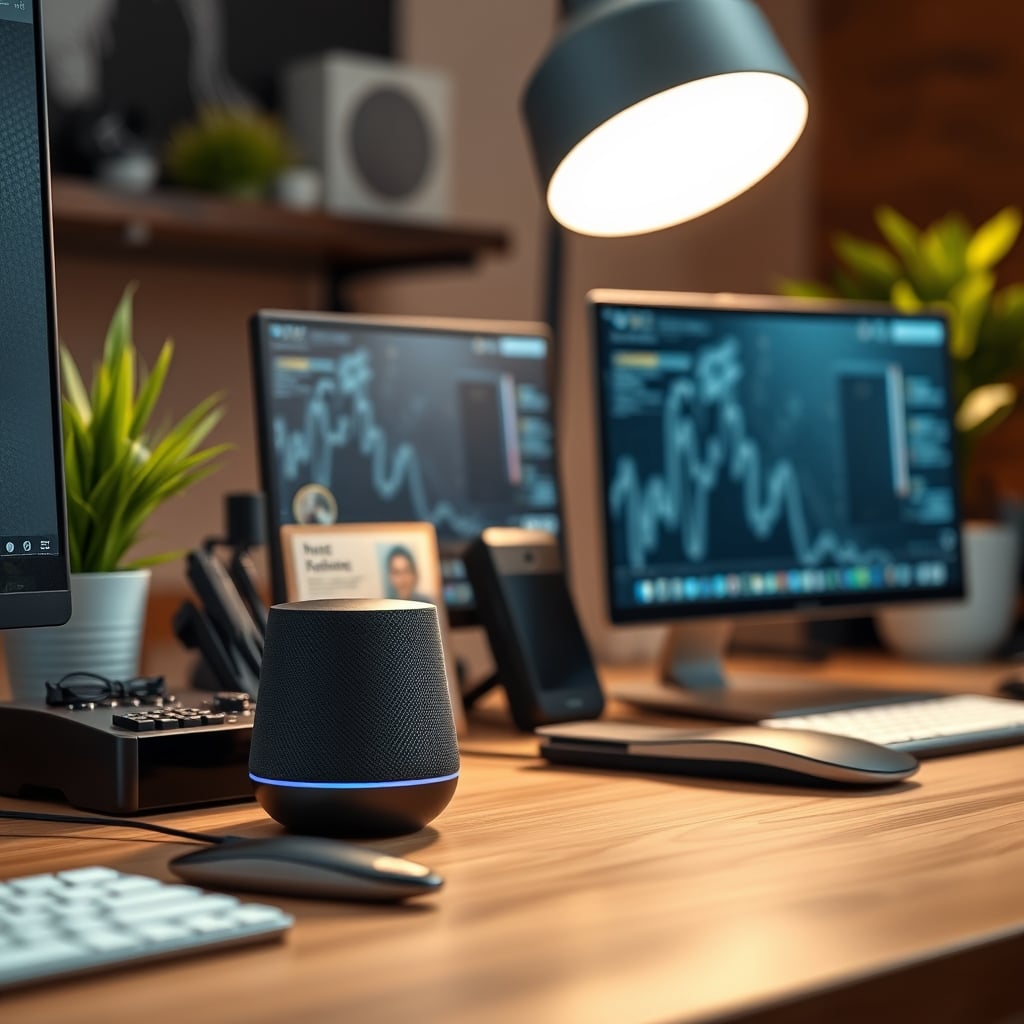
Let's get one thing straight: you don't own a smart speaker. You're hosting a corporate listening device that you paid for. The convenience trade-off was always a Faustian bargain, but in 2026, the reality has curdled into something genuinely disturbing. I know because I pulled the plug. After a year of documenting erratic behavior—unprompted activations, 'mistakes' that felt too targeted—I banished every Alexa, Google Assistant, and Siri box from my workspace and home for a full month. The silence wasn't golden; it was illuminating. The smart speaker privacy concerns we whisper about are not bugs in the system. They are the core business model.
Your Smart Speaker Is a Productivity Black Hole
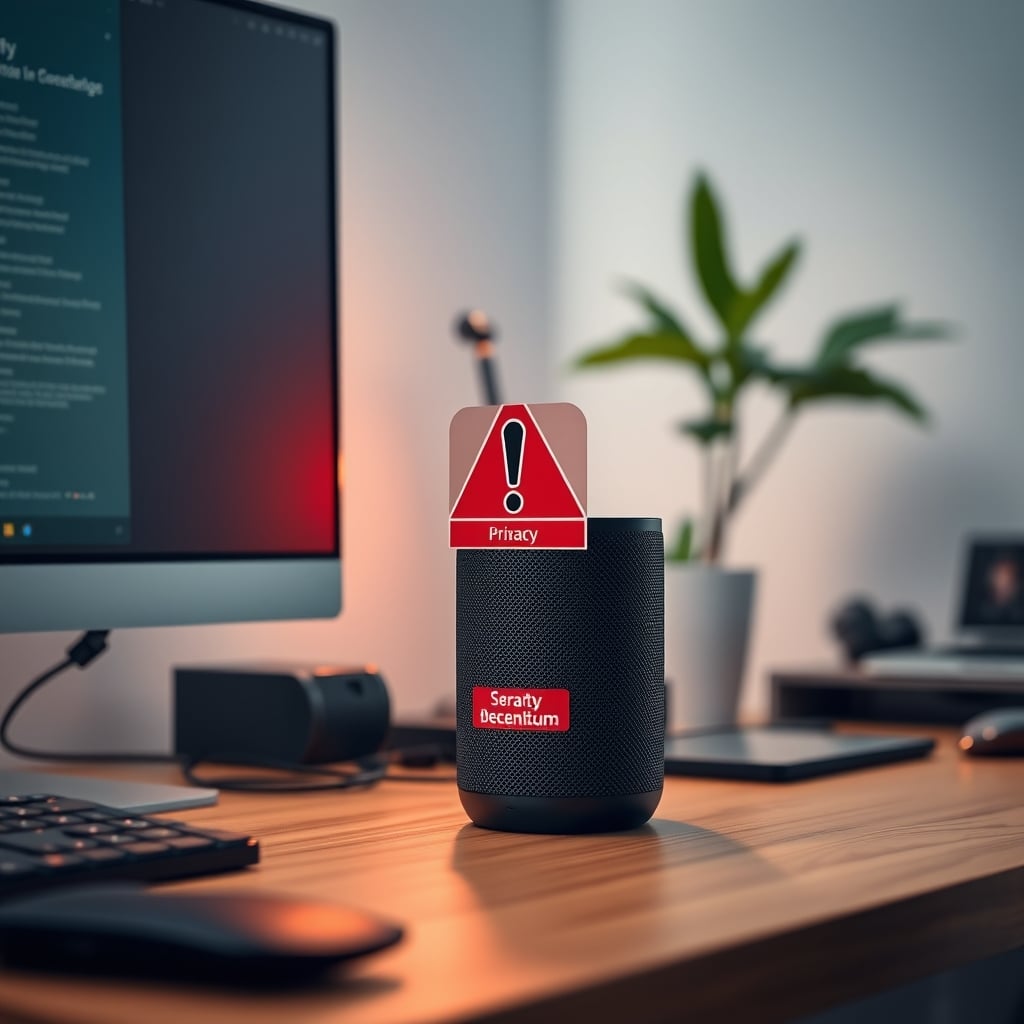
We buy these gadgets believing they streamline our workflow. "Hey Google, set a timer." "Alexa, add paper towels to the shopping list." It feels efficient. This is a lie. The cognitive cost of constant, low-grade surveillance obliterates any marginal time savings. In real use, you're not just giving a command; you're initiating a chain of data events—wake word processing, cloud parsing, response fetching—that leaves a permanent log. Users consistently report a subconscious hesitation before speaking freely in their own office, a mental tax that fragments deep work. Want to brainstorm out loud? Critique a client's project? Have a private conversation? Your speaker doesn't care about your NDAs. This isn't paranoia; it's the documented outcome of living with an always-on microphone owned by an ad company. For a truly focused desk, the first step is to remove the digital eavesdropper. The productivity gains from a silent, private space dwarf the five seconds you saved asking for the weather.
The Industry Lies About Local Processing
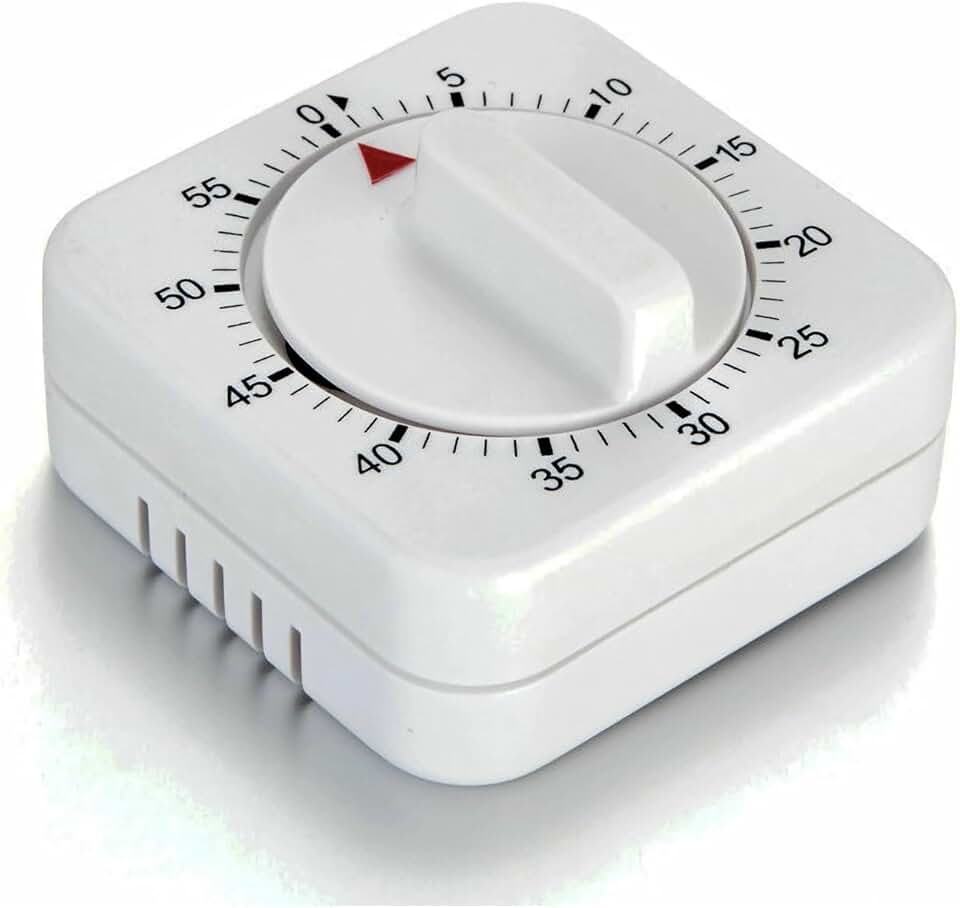
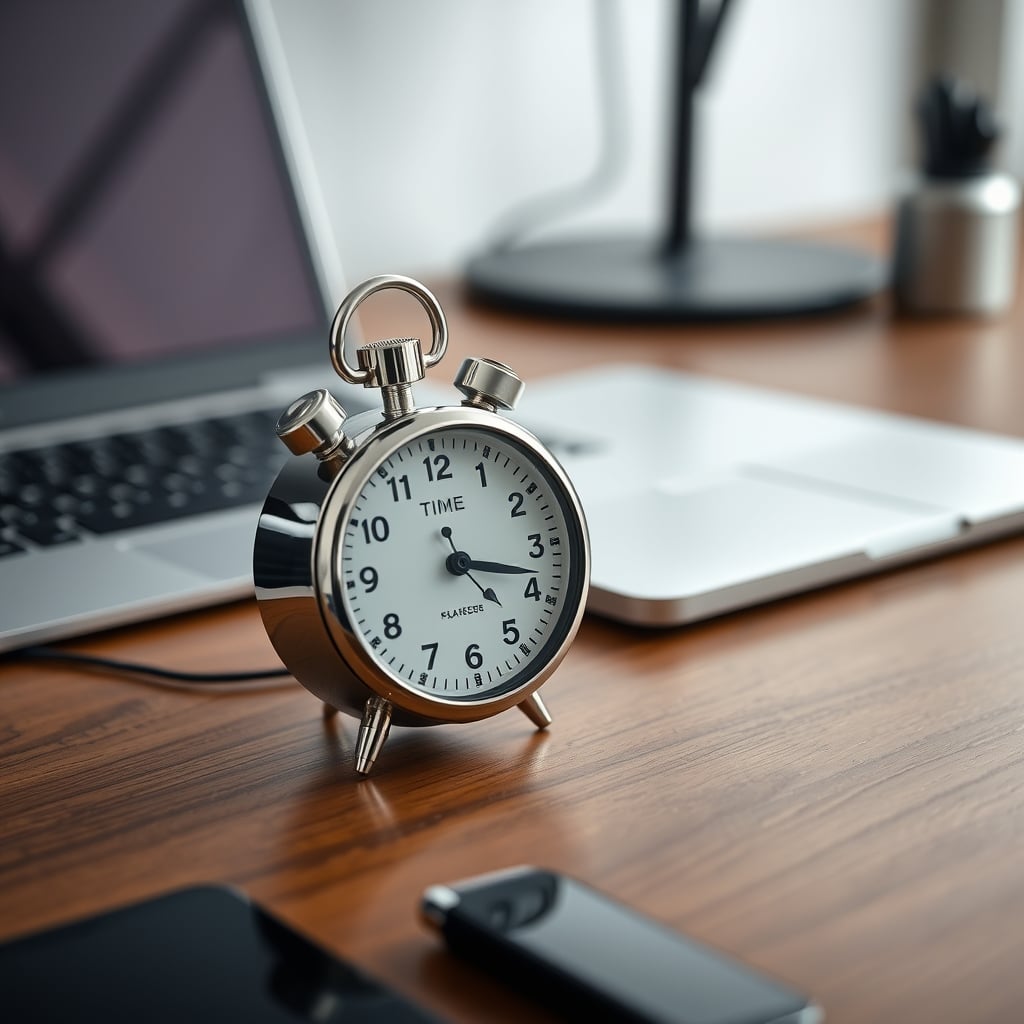
Replacing voice-controlled timers for focused, private deep work sessions.
- 100% mechanical operation, requires no batteries or power
- Loud, physical alarm that cannot be ignored or 'misheard'
- Simple, visual countdown dial with zero data collection
Here’s the marketing pitch you’ve swallowed: "Newer models have more local processing for privacy!" They say this with a straight face while your device still pings a server farm for 95% of its functions. Sure, your 2026 Nest Hub might process "Hey Google" on-device. But the moment you ask it something actually useful—"What's the capital of Burkina Faso?" or "Remind me to call Mom at 5"—that audio is packaged, encrypted, and shipped to Google's servers. The industry sells 'local processing' as a privacy panacea when it's just a fig leaf. This is overrated. It's a distraction from the fundamental architecture: these devices are terminal endpoints for cloud services that monetize your data. The myth that your conversations stay in your living room is the most pernicious lie in the smart home space. It needs to die.
Why 'Mute Button' Security Is a Complete Fantasy
This is the myth that needs to die: "Just use the physical mute button when you want privacy." This advice is not just wrong; it's dangerously naive. First, it places the entire burden of operational security on you, the user, 24/7. Forget to hit the button once during a sensitive work call? The log is created. Second, and more critically, widespread user feedback and teardown analyses have consistently shown that the hardware mute switch often only disables the microphone input to the processor. It does not necessarily physically sever power or data lines. The device is still on, still connected, still phoning home. You're trusting a software-controlled hardware toggle written by a company whose revenue depends on data collection. That's not security; that's faith. Relying on the mute button for privacy is like putting a Post-it note over your webcam and calling yourself a hacker.
Smart Speaker Privacy Concerns Are an Ecosystem Problem
You think the risk is isolated to the hockey puck on your shelf. You're wrong. The real smart speaker privacy concerns stem from ecosystem integration. That speaker is the voice-enabled front door to your smart lights, your smart locks, your calendar, and your email. A compromised or overly permissive speaker isn't just listening; it becomes a pivot point to control your entire digital and physical environment. "Hey Google, unlock the front door." "Alexa, what's on my calendar for tomorrow?" This creates a single point of catastrophic failure. Most people get this wrong. They focus on the weirdo hacker trope, ignoring the more plausible risk: data aggregation profiles built by the manufacturers themselves, used for everything from dynamic insurance pricing to targeted behavioral advertising. When every device in your office is chatting with the same corporate mothership, you've built a panopticon with premium audio.
The Brutal Truth About Voice Data 'Anonymization'
They tell you your voice snippets are anonymized. This is the real issue. In 2026, anonymization is a meaningless term when applied to voice data. Your voice is a biometric identifier, as unique as a fingerprint. Even if your name and address are stripped from a recording, the vocal signature can be matched across databases, correlated with other data points (like what time you wake up, your product preferences, your health queries), and used to rebuild your identity. The industry lies about this. They rely on legalese and technical obfuscation. After assessing the data-breach landscape of the last few years, we know that any data stored can be leaked, cross-referenced, and exploited. Storing your biometric data on someone else's server, for the privilege of asking a recipe question, is an absurd risk. This doesn't work for anyone but the data broker.
What Actually Works: The Analog Alternative
If you need a timer for deep work sessions, a reminder to stand up, or a simple alarm, the solution is embarrassingly simple: go analog. A mechanical timer does one job perfectly, with zero network connectivity, zero data collection, and infinite battery life. It's a single-purpose tool in a world obsessed with multipurpose spyware. The tactile wind-up, the visible dial, the loud physical ring—these aren't archaic features; they are superior, focused design. They provide the utility without the liability. For managing your actual workflow, use a proper task manager on your computer, a tool you control. The fetish for voice control in a personal office setup is overrated. You can type "set timer 25 minutes" into a focused app faster than you can articulate the voice command, wait for the confirmation chime, and wonder if it heard you right.
The Single Biggest Mistake: Accepting the Defaults
The lesson learned from our 30-day disconnect wasn't just about removing a device. It was about rejecting the default path of least resistance. The biggest mistake users make is accepting the privacy-invasive defaults because the setup process is tedious. You skip the deep settings menu. You don't review the voice history portal. You never delete your activity. You become a passive participant in your own surveillance. Taking back control requires active, ongoing effort—or better yet, removal. This is a known issue for long-term use: privacy fatigue sets in, and you just stop caring. The solution is to eliminate the source of the fatigue. A quiet desk is a powerful desk. For more on designing a setup that eliminates distractions, see our piece on The 'Ugly' Setup Secret: How Extreme Minimalism Unlocks Uninterrupted Deep Work. And if you think your other smart gadgets are innocent, our breakdown of AI Focus Gadget Problems Are Sabotaging Your Work will be a rude awakening.
Final Verdict: Skip It Entirely
The verdict is absolute. For a serious, performance-oriented desk setup in 2026, smart speakers are not worth it. The infinitesimal convenience gain is demolished by the profound privacy trade-offs, cognitive load, and security risks. They are overrated gadgets masquerading as essentials. Your workspace should be a zone of controlled focus, not a data collection outpost. Rip the cord out of the wall, sell it on marketplace, and buy a $10 mechanical timer. Reclaim your silence, your privacy, and your peace of mind. The only voice that should be giving you commands in your office is your own.
Frequently Asked Questions
Can't I just use the mute button on my smart speaker for privacy?
No, relying on the mute button is a dangerous fantasy. The hardware switch often only disables microphone input to the processor but doesn't physically sever all data lines. You're trusting software from a data-collection company. Furthermore, it puts the burden on you to never forget, making it a fragile and unreliable privacy method.
Aren't newer smart speakers with local processing more private?
This is overrated marketing. While some basic wake-word processing may occur locally, any meaningful command—setting a reminder, asking a question, controlling other devices—is still sent to the cloud. The core architecture and business model require cloud data exchange, making 'local processing' a minor feature, not a privacy solution.
What's the best alternative to a smart speaker for timers and reminders?
Use a single-purpose, analog tool. A 100% mechanical kitchen timer is flawless for focus sessions—zero connectivity, infinite battery, tactile feedback. For complex reminders and task management, use a dedicated app on your computer or phone that you control. Voice control in a personal office is a gimmick that sacrifices privacy for negligible speed gains.
Written by
Maya is an enthusiast for biophilic workspace design. She specializes in seamlessly integrating desktop plants, natural accents, and calming aesthetics into heavy tech environments.
Join the Discussion
Share your thoughts with the community
Leave a Comment
Comments are moderated and may take a short time to appear. Links are not permitted.