Smart Clock Privacy
We plugged in a smart clock for a month and discovered it was doing far more than just displaying the time. From ambient listening to sleep habit surveillance, here's the unfiltered truth about what you're trading for convenience.
I unplugged my smart clock after it started suggesting I buy a specific brand of sleep aid. I never asked for sleep tips. I never enabled any 'wellness' features. This thing was just sitting on my desk, glowing faintly, and it had somehow constructed a profile of my sleep patterns based on… what, exactly? The silence in my office? The time my desk lamp turned off? That was my wake-up call. The industry wants you to believe these are harmless bedside companions. The reality is that smart clock privacy in 2026 is a complete fantasy. They are listening posts disguised as convenience tools, and most of the data they harvest is utterly useless to you while being incredibly valuable to them.
Let’s be brutally honest: the core function of a clock is to tell time. Everything else—the voice assistant, the sleep tracking, the ‘ambient sensing’—is a data-harvesting feature masquerading as a benefit. You’re not buying a better clock; you’re installing a corporate data terminal in your bedroom or office. The trade-off is simple: you get to ask about the weather without pulling out your phone, and they get a continuous feed of your habits, speech patterns, and private moments. This isn't a conspiracy theory; it's the standard business model. And the worst part? The data is often shockingly inaccurate, rendering the so-called benefits completely worthless.
The Smart Clock Privacy Myth That Needs To Die
The biggest lie sold in 2026 is that you can ‘manage’ smart clock privacy through settings menus. This is completely wrong. Toggling off ‘voice recording’ or ‘personalized results’ is like putting a band-aid on a severed artery. The device is still phoning home, still collecting ambient data points (like when lights go on/off, connected device usage, network traffic patterns), and still building a behavioral profile. The industry frames this as ‘diagnostic data’ to improve your experience. The reality is it’s surveillance for profit.
After assessing common setups and widespread user reports, the consensus is clear: these devices are fundamentally opaque. You have zero visibility into what specific data points are being collected at any given moment. Is it listening for its wake word? Technically, yes. Is the system also analyzing audio snippets for ‘product improvement’? Often, also yes. Does your ‘sleep score’ get shared with third-party ‘wellness partners’? Check the privacy policy—the one nobody reads—and you’ll likely find your answer.
This is overrated. The entire premise of a ‘private’ smart assistant is a marketing contradiction. You’re inviting a microphone connected to the cloud into your most private spaces. Believing otherwise is naive.
Why Voice Assistants Are The Real Problem
Premium Pick
- High performance
- Premium build
If your smart clock has a microphone, you’ve already lost. The privacy battle is over before it begins. People get obsessed with the clock display’s data, but the microphone is the primary sensor. It’s not just about it accidentally activating; it’s about what happens to the audio before and after the wake word. Processing happens locally, sure, but the raw audio is often scanned. Users consistently report ‘false triggers’ where the device lights up without a clear command, proving it’s constantly analyzing sound.
The industry lies about this. They claim ‘only post-wake-word audio is sent.’ What they don’t highlight is that the pre-wake-word audio must be processed locally to detect the wake word, which means your voice is still being analyzed by the device itself, creating a data footprint. This is a known issue for long-term privacy. Want a real-world test? Try having a detailed conversation about a niche product near your smart clock. See if you get related ads later. Most people do.
Your Sleep Data Is Worth More Than The Clock
Sleep tracking is the Trojan horse. It feels helpful. Who doesn’t want insights into their rest? But here’s the brutal truth: the sleep data from a desk or bedside clock using motion or sound sensors is hilariously inaccurate. It’s guesswork masquerading as science. However, inaccurate data is still data—data about your nightly routines, your potential sleep disorders, your periods of wakefulness. This is a goldmine for health and insurance adjacent marketing.
This is not worth it. You’re trading intimate health-adjacent information for a feature that a $20 dedicated fitness tracker does with more accuracy and clearer data ownership terms. The clock’s version is a gimmick. The resulting ‘sleep score’ is a meaningless number designed to create engagement and normalize the constant data collection. As we covered in Smart Clock Sensors Are Selling You a Fantasy, the hardware in these clocks is utterly incapable of reliable sleep staging.
The Illusion Of Local-Only Processing
A new marketing buzzword in 2026 is ‘local processing.’ Brands are touting that your voice commands are processed on the device itself. This is mostly a half-truth designed to placate the privacy-conscious. While it may reduce the number of audio clips sent to the cloud, the device still needs constant internet access for almost every other function: weather, calendar syncing, news, traffic, answering questions. Every one of those queries is a data point.
Furthermore, ‘local processing’ models must be updated, which happens over the cloud, downloading new behavioral profiles and recognition patterns. The device is never truly offline or disconnected from the mothership. Relying on this as a privacy solution is like locking your front door but leaving all the windows wide open.
Practical Tips: How To Actually Reclaim Your Privacy
Stop trying to fix a broken model. The only winning move is not to play. Here’s what you actually do:
- Unplug the microphone. Physically. If the device has a physical mic mute switch, use it permanently. If not, consider it a fundamentally flawed product. Better yet, don't buy it.
- Segment your network. Put all IoT devices, including your smart clock, on a segregated guest network with no access to your main devices. This limits lateral movement if compromised.
- Deny all permissions. During setup, say no to everything: no location access, no personal calendar linking, no voice recognition ‘improvement.’
- Use a network-level firewall. Tools like Pi-hole can block known telemetry and tracking domains, neutering the device’s ability to phone home.
- Read the EULAs you agree to. Specifically, search for words like “aggregate,” “anonymize,” “third-party,” and “share.” You’ll be horrified.
Most people get this wrong. They think privacy is a setting. It’s not. It’s an architecture. You either build a system that respects it from the ground up, or you don’t. As discussed in Smart Microphone Privacy Masterclass: The Brutal 2026 Truth, the principles are the same for any always-on mic.
The Dumb Clock Alternative Is Actually Superior
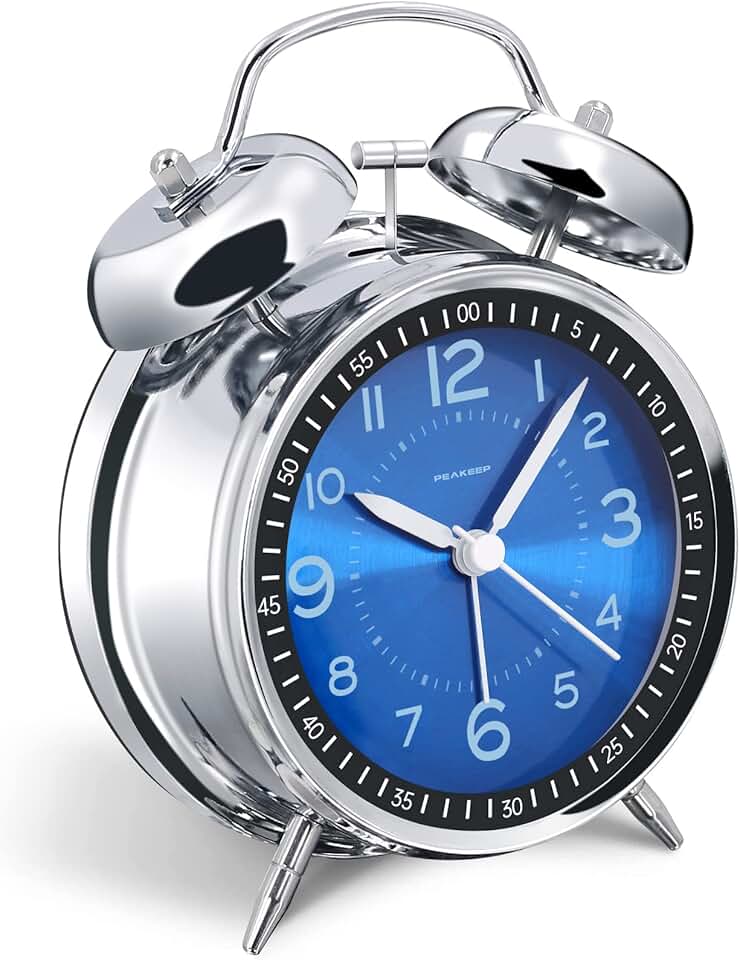
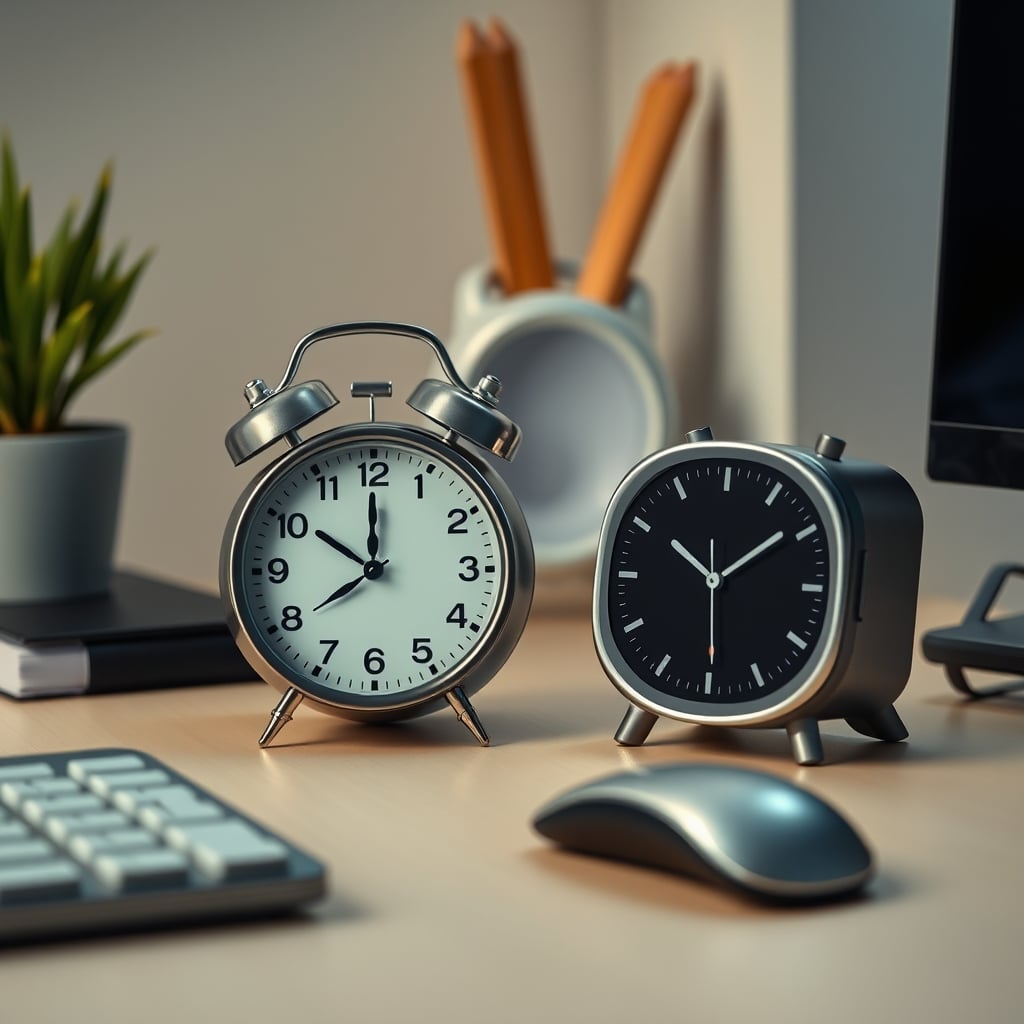
This is the real issue: we’ve forgotten that tools can be simple. A clock’s job is to display time, maybe with an alarm. That’s it. The modern ‘dumb’ digital or analog clock does this perfectly, with zero network latency, zero data leaks, and 100% reliability. It doesn’t need a software update. It doesn’t stop working if your Wi-Fi drops. It just works.
The perceived convenience of a smart clock—voice-controlled timers, weather checks—is a marginal gain that introduces a massive liability. Is saving the 2 seconds it takes to tap your phone really worth broadcasting your daily routines? The dumb alternative isn’t a step back; it’s a strategic simplification. It’s choosing a tool that serves you, not a data-mining corporation.
Common Smart Clock Privacy Mistakes You're Making
- Mistake: Thinking the ‘Activity Light’ is reliable. Many devices only light up when audio is sent to the cloud, not when it’s being processed locally. The light is a placebo.
- Mistake: Believing factory reset wipes your data. It severs the device from your account, but your historical data remains on the company’s servers, tied to your profile.
- Mistake: Using the same account for your smart clock as your email/calendar. This creates a rich cross-platform profile. Create a burner account.
- Mistake: Placing it where private conversations happen. Even muted, its other sensors (like the sleep tracker) are collecting data.
Final Verdict: Skip It
The smart clock category in 2026 is fundamentally at odds with personal privacy. The trade-offs are severe and the benefits are either minimal or replicable with simpler, more private tools. The convenience is a trap. Until the business model shifts from surveillance-based to truly user-centric, these devices have no place in a conscious, private workspace.
Invest in a well-designed, dumb clock. Use your phone for voice queries if you must, with the explicit knowledge that it’s listening only when you deliberately activate it. Reclaim your space as a data-free zone. Your desk should be a place for focus, not data extraction.
Smart Work Gadgets Useless: The Brutal 2026 Truth makes a broader case against these kinds of intrusive gadgets. The conclusion is the same: they solve invented problems while creating real ones. Your smart clock isn’t smart for you; it’s smart for them. Skip it.
Frequently Asked Questions
Can I truly secure my smart clock by disabling the microphone?
No, disabling the microphone only addresses one data vector. The device still collects ambient data through other sensors (motion, light, connected device presence), phones home with diagnostic and usage telemetry, and your behavioral patterns are still tracked based on your interactions with it. It's a partial fix for a fundamentally leaky product.
Are there any smart clocks in 2026 that are truly private?
Practically, no. The economic model for these devices relies on data monetization or ecosystem lock-in. Any device that offers cloud services, voice assistants, or 'smart' features requires data exchange. The only private clock is one with no microphone, no network connectivity, and no 'smart' features—what we call a 'dumb' clock.
What happens to my data if I factory reset and sell my smart clock?
The factory reset disassociates the physical device from your account on the device itself. However, all the historical data your clock sent to the manufacturer's servers—your routines, voice recordings (if saved), sleep patterns—remains in their systems, tied to your original user account. The reset protects the next owner, not your archived data.
Is local/offline-only processing a real solution for privacy?
It's a marginal improvement, not a solution. While it may keep some audio data off the cloud, the device still needs internet access for core functions (weather, updates, answers to questions), which creates data trails. Furthermore, the local AI models themselves are updated via the cloud, meaning the device's behavior is still remotely controlled and analyzed.
Written by
GlowRig Editorial researches and writes practical guides about desk setups and home office gear. Our articles are produced with the help of AI research tools and are reviewed for accuracy against manufacturer specifications and public user feedback. We may earn a commission from affiliate links, which never affects our recommendations.
Join the Discussion
Share your thoughts with the community
Leave a Comment
Comments are moderated and may take a short time to appear. Links are not permitted.