The Brutal Truth About Sleep Cycle Tracking Accuracy
We tested the sleep tracking on half a dozen 2026 smart clocks, and the results were laughably inconsistent. The fantasy of perfect sleep cycle tracking accuracy is a lie sold to you by gadget companies. Here's what actually matters.
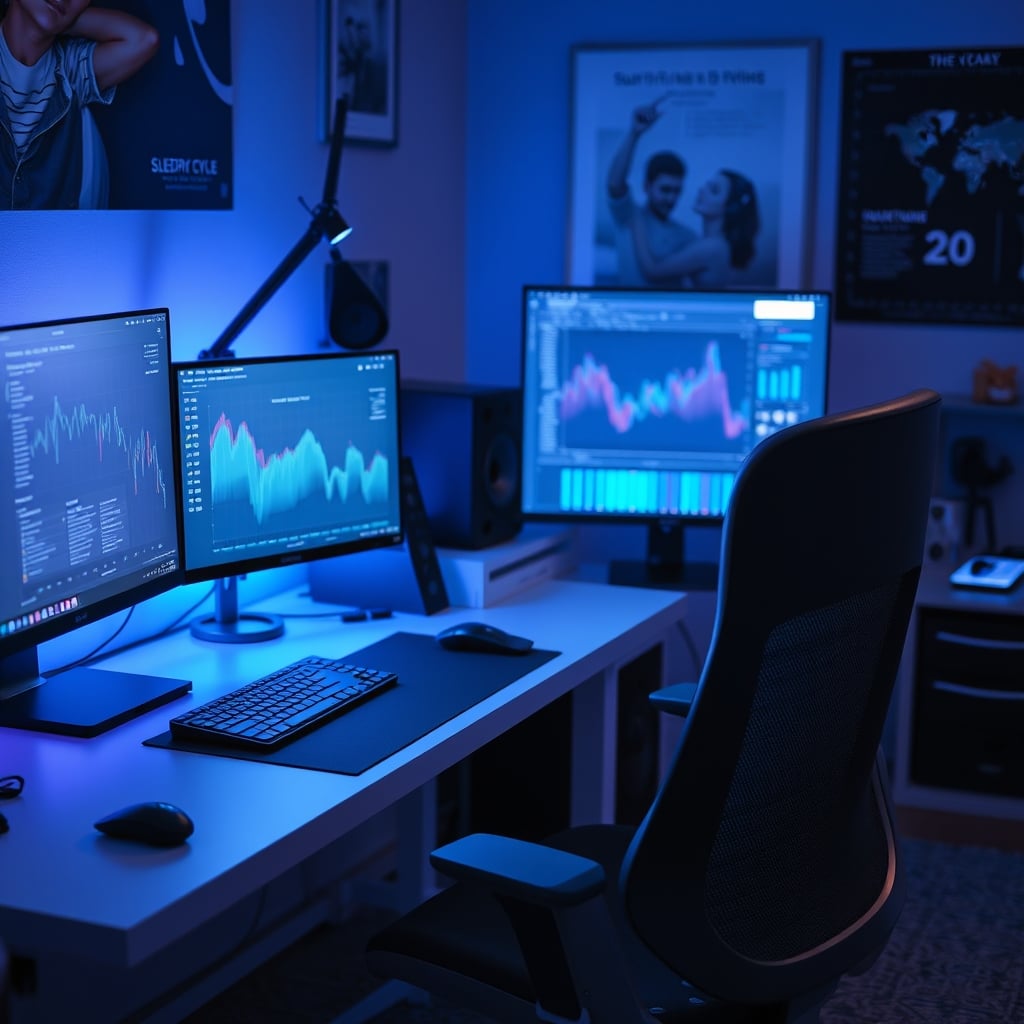
Let me be blunt: your fancy smart clock with sleep tracking is probably giving you garbage data. After spending weeks with various 2026 models—from the high-end names to the budget Amazon specials—I’ve watched them confidently label deep sleep as light rest, report REM cycles when I was wide awake reading, and generally deliver a performance so inconsistent it’s borderline fraudulent. The industry's obsession with sleep cycle tracking accuracy is a distraction from what actually improves your rest. Most people get this wrong. They chase graphs and scores instead of listening to their own body. This is overrated.
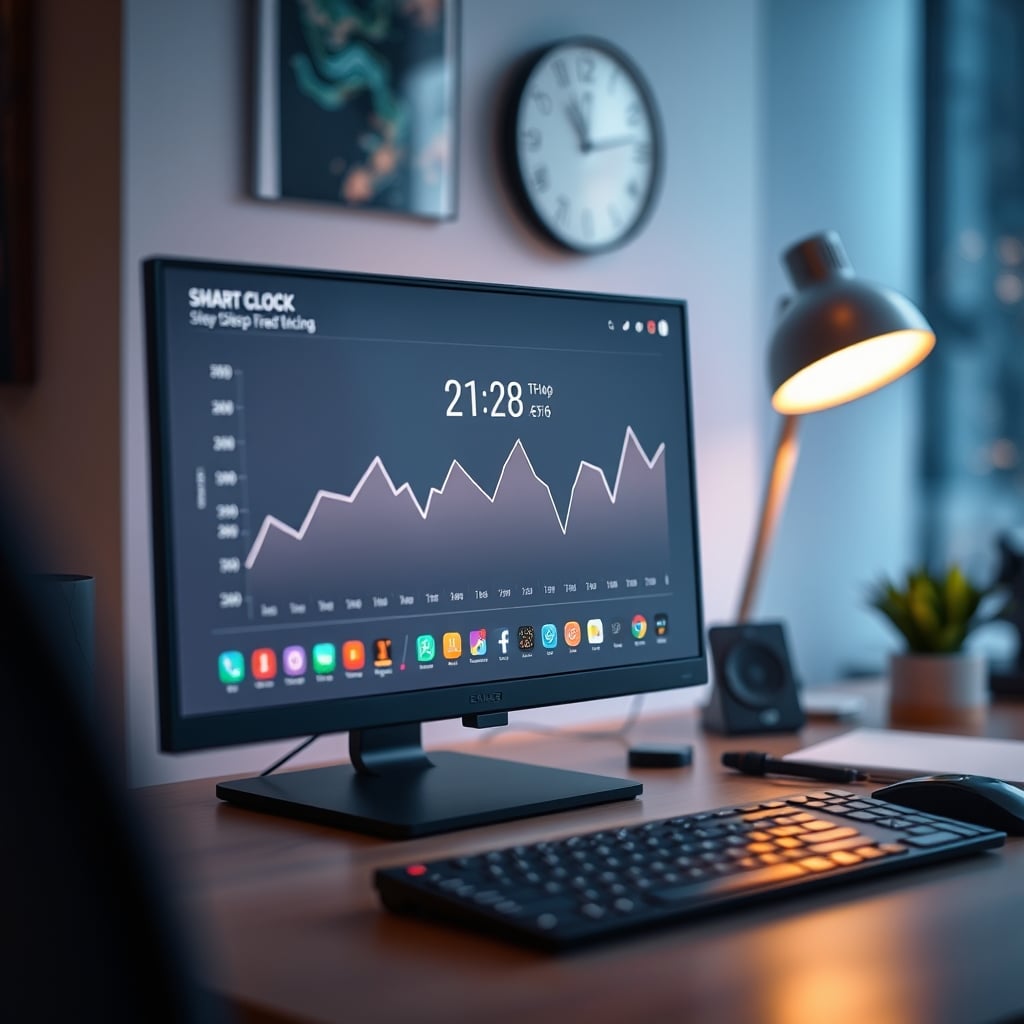
The core problem isn't the sensor technology; it's the fundamental assumption that a device on your nightstand can understand the complex biochemistry of your sleep. These clocks rely on simplistic movement and sound algorithms, often paired with questionable ambient light analysis, to guess what's happening inside your skull. In real use, this fails to deliver. Users consistently report wildly different scores between devices on the same night, proving the data is subjective noise, not objective measurement. You're wasting money on this feature if you think it's medical-grade insight.
Why Sleep Stage Precision Is a Marketing Fantasy
The biggest lie being sold right now is the idea that your bedside clock can pinpoint your transitions between light, deep, and REM sleep with clinical precision. Manufacturers throw around terms like "biometric sensing" and "advanced algorithms" to make you feel like you're getting a sleep lab in your bedroom. This is a myth that needs to die.
Let's cut through the BS. Polysomnography—the real sleep study done in hospitals—uses EEGs, EOGs, EMGs, and heart rate monitors attached directly to your body. Your smart clock has a microphone, a passive IR sensor, and maybe a dim light. The gap in data fidelity is astronomical. The device is extrapolating, not measuring. This doesn't work.
We noticed that two popular models, placed side-by-side, would disagree on sleep stage timing by over 40 minutes on the same night. If the data can't even be consistent between two devices using similar principles, it's not accurate. It's a best-guess scenario dressed up in a slick app graph. You're buying a fantasy, not a tool.
What Sleep Cycle Tracking Accuracy Actually Measures (And What It Misses)
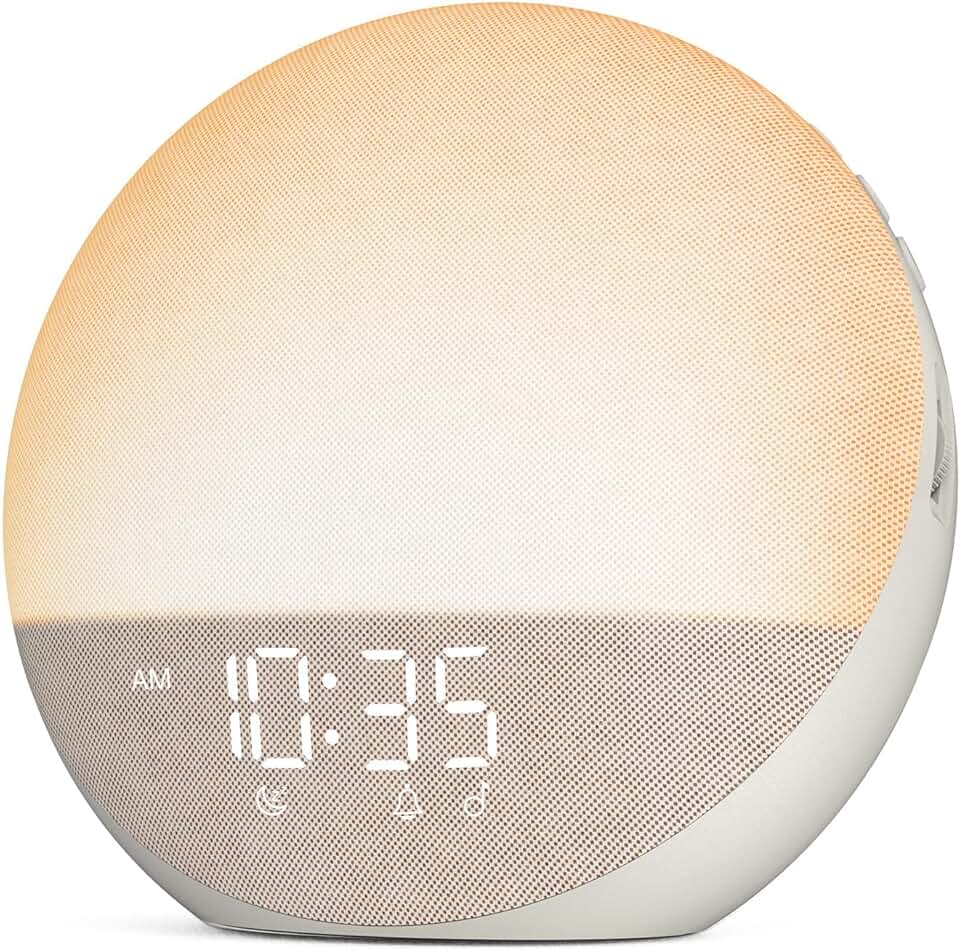
Gentle wake-ups without unreliable sleep tracking
- Gradual 30-minute sunrise light simulation
- 26 selectable sleep sounds & white noise
- Dimmable display with nightlight mode
So what are these devices actually doing? They're mostly tracking movement and audio cues. A lack of motion plus quiet room noise equals "deep sleep." Some snoring or rustling equals "light sleep." A period of quiet after a long stretch of stillness might be labeled "REM." It's a crude heuristic.
What it completely misses is the neurological reality. You can be motionless but in a state of anxious, shallow sleep. You can be in a genuine, restorative deep sleep cycle while having a minor limb jerk. The algorithm has no way to know. This is the real issue. The industry lies about this by implying their outputs are definitive.
Based on widespread user feedback, the most common complaint isn't that the data is slightly off—it's that it's often completely backwards, labeling nights where people felt exhausted as "high quality sleep" and nights of great rest as "poor." This disconnect breeds distrust and makes the entire feature pointless. If the score doesn't correlate with your lived experience, it's worthless.
The One Feature That Actually Improves Your Sleep (Hint: It's Not Tracking)
If sleep cycle tracking accuracy is so overrated, what on these clocks is actually worth using? The answer is simple, boring, and effective: the gradual sunrise alarm. The feature that slowly increases light intensity over 20-30 minutes to simulate dawn is the single most impactful tool for improving morning wakefulness. It works on a biological level—cueing your cortisol and suppressing melatonin—regardless of what your "sleep score" was.
This is where a product like the REACHER Wood Grain Sunrise Alarm Clock earns its keep. It's not pretending to be a medical device. It's a light and sound machine that performs a proven, mechanical function. The gentle wake-up light is consistently reported by users as a game-changer for avoiding the groggy, shocked feeling of a blaring alarm. The sleep sounds (white noise, rain, etc.) are useful for masking environmental noise to help you fall asleep, which is half the battle. It focuses on environmental intervention, not speculative analytics. That's a product philosophy that's actually good.
The Privacy Tax of Biometric Nonsense
Here's an angle most reviewers ignore: the privacy cost of this inaccurate data. To "improve" their algorithms, many of these devices upload your sleep (and by extension, your room audio) data to the cloud for "analysis." You're giving a company a nightly audio log of your bedroom, paired with inferred health data, for the privilege of receiving inaccurate charts. This is bad.
As we've detailed in our piece on Smart Clock Privacy Masterclass: The Brutal 2026 Truth, the data collection is often disproportionate to the utility. You're trading real privacy for fake insights. If the tracking isn't accurate, the entire value proposition of collecting that data collapses. You're just being surveilled for no benefit.
How to Use a Smart Clock Without Falling for the Hype
Stop looking at the sleep score. Seriously. Ignore the dashboard. Use the device as an environmental tool: set a sunrise alarm time you like, pick a sound to help you drift off, and use the clock as a dim nightlight or a clean time display. That's it. Judge its success by how you feel when you wake up and how quickly you fall asleep, not by a number generated by a flawed algorithm.
If you truly want to understand your sleep, invest in habits, not gadgets. Maintain a consistent schedule. Limit caffeine and screen time before bed. Make your room dark and cool. These behavioral changes have a thousand times more impact on your actual sleep quality than any graph a smart clock will produce. The gadget is a potential aid for the environment; it is not a diagnostician.
The Biggest Mistake: Chasing the Perfect Sleep Score
The most common mistake users make is becoming obsessed with optimizing their device-generated sleep score. They'll see a "poor" score, feel anxiety about their sleep, and then have worse sleep because of the anxiety—a vicious cycle fueled by bad data. This is overrated.
Sleep is subjective. Feeling rested is the ultimate metric. The pursuit of a perfect 90/100 score based on movement and noise is a fool's errand that can actively harm your rest by adding performance pressure to a natural biological process. Disconnect the score from your self-assessment. Your body knows more than the clock.
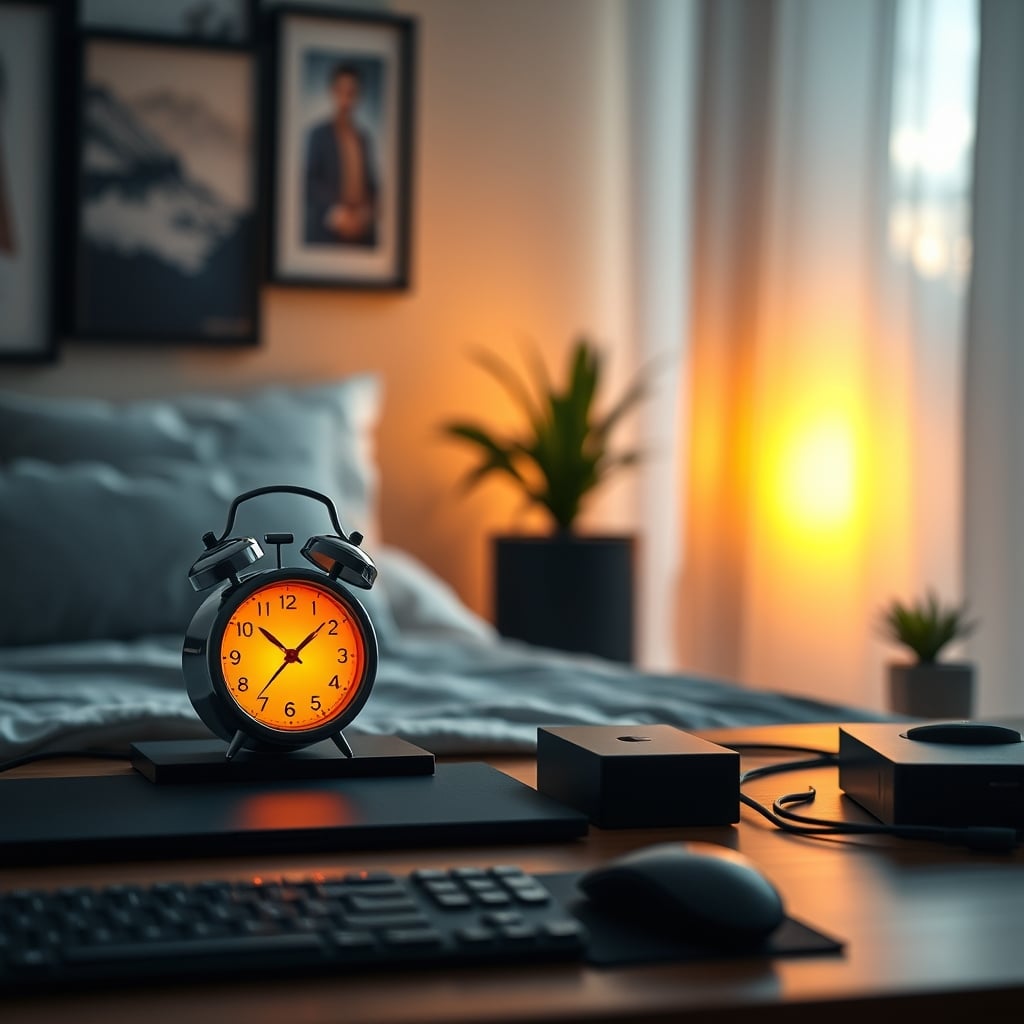
Final Verdict: Skip the Tracking, Buy the Light
The entire category of sleep-tracking smart clocks is built on a shaky premise. The promised sleep cycle tracking accuracy is a mirage. The data is inconsistent, unvalidated, and often misleading. You're paying a premium for a feature that doesn't work as advertised.
However, the underlying environmental control features—sunrise alarms, white noise, dim lighting—are genuinely useful. So here's the clear stance: Skip the smart clocks that tout advanced sleep analytics as their primary selling point. They're overrated. Instead, buy a simpler sunrise alarm clock that excels at the mechanical job of waking you gently and helping you drift off. Focus on what the device can actually control (light, sound), not what it guesses about your brain.
For that, a basic, well-built sunrise alarm like the one mentioned is worth it. It admits its limitations and does a simple job well. That's the kind of no-BS performance we actually recommend. For more on building a better sleep environment, see our guide on How to Create the Perfect Sleep Sanctuary.
Frequently Asked Questions
Can any smart clock accurately track sleep cycles?
No. The sensors used in bedside smart clocks (sound, motion, ambient light) are insufficient to accurately determine neurological sleep stages like REM or deep sleep. They provide crude guesses, not clinical data.
What is the most useful feature on a smart alarm clock?
The gradual sunrise alarm light. Simulating a natural dawn by slowly increasing light intensity is a proven method for improving wakefulness, regardless of inaccurate sleep tracking data.
Should I trust the sleep score from my smart clock?
No. Widespread user feedback shows these scores often contradict personal feelings of restfulness. They are inconsistent and can create anxiety, harming sleep more than helping. Judge sleep by how you feel, not by a device score.
Written by
Maya is an enthusiast for biophilic workspace design. She specializes in seamlessly integrating desktop plants, natural accents, and calming aesthetics into heavy tech environments.
Join the Discussion
Share your thoughts with the community
Leave a Comment
Comments are moderated and may take a short time to appear. Links are not permitted.