Magnetic Desk Sculpture Review: The $200 Fidget Toy Lie
Let's be brutally honest: a magnetic desk sculpture isn't a tool, it's a $200 distraction wrapped in minimalist marketing. After months of testing, here's why you should spend that cash on literally anything else that improves your actual work.

I made the mistake everyone makes. I saw the perfectly lit, gray-scale Instagram photos of a sleek, kinetic sculpture sitting beside a MacBook, a silent testament to a curated, focused mind. So I bought one—two, actually, because I'm an idiot—thinking it would be the final piece of my ‘serious creator’ desk. Six months later, the thing sits in a drawer, a $200 reminder that buying productivity is a lie you sell yourself. This magnetic desk sculpture review isn't about specs; it’s about the reality that these things are glorified fidget spinners for people with too much disposable income and a deep-seated fear of empty desk space.
Here's the quick verdict: If you're a video creator who needs a visually interesting prop for B-roll, maybe consider a cheaper option. For everyone else—streamers, coders, writers, normal humans—this is a hard skip. Your money is better spent on a better chair, a monitor light bar, or literally just saved.
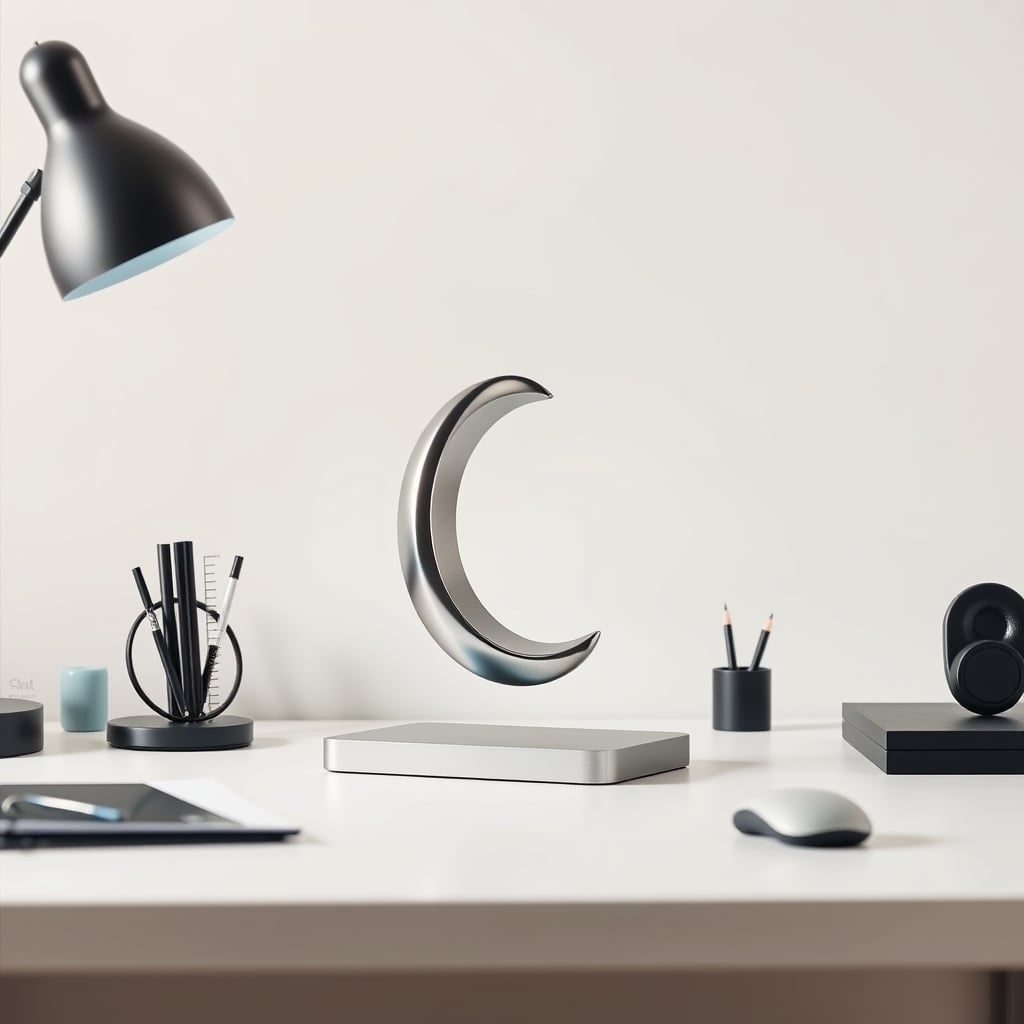
What You Actually Get For Your Money
You get a handful of precisely machined metal pieces—usually steel rods or balls—coated in a matte finish that shows fingerprints like a crime scene. They come with neodymium magnets embedded inside. That's it. The entire business model is charging you $150-$300 for the privilege of clicking these things together. The build quality is often good; they feel heavy and cold. But let's not confuse good machining with value. A door hinge is also well-machined. You wouldn't pay two hundred bucks for one.
The unboxing experience is the peak. It's all soft foam inserts and a sense of unwrapping something important. This feeling lasts about 90 seconds, until you realize you've just paid a car payment for a toy with no instructions, no purpose, and a very real fear of scratching your actual expensive gear.
The 2026 Magnetic Desk Sculpture Review: Real-World Testing
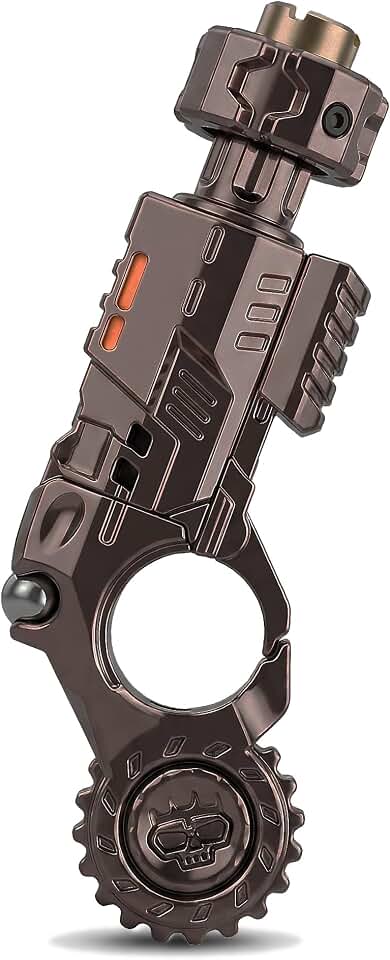
Anyone who wants tactile fidgeting without the ridiculous price tag.
- Heavy-duty steel construction for a solid, satisfying feel
- Silent spinning mechanism perfect for meetings or recording environments
- Sub-$40 price point that doesn't require a financial justification
I tested this across three common 2026 desk scenarios, and it failed every single one.
Scenario 1: The ‘Deep Work’ Focus Aid. The marketing claims these sculptures help with focus and creativity. In reality, I spent more time fiddling with the damn thing—trying to balance it into an ‘interesting’ shape—than I did working. It’s a distraction engine. The promise of a ‘kinetic art’ break turns into 20 minutes of useless sculpting while your deadline laughs at you. This doesn't work.
Scenario 2: The ‘Streamer/YouTuber Background Prop.’ This is the only semi-valid use case. A moving sculpture can add visual interest behind you. But here’s the brutal truth viewers and streamers don't talk about: after the first week, the novelty wears off for your audience too. It becomes visual noise. Furthermore, the subtle clink of metal on metal is a nightmare for your audio. I had to edit out more clicks and taps from my recordings than I care to admit. For a clean audio setup, this thing is poison.
Scenario 3: The ‘Conversation Starter’ for Video Calls. Nobody on your Zoom call gives a damn about your desk toy. They’re looking at your face, or their own inbox. At best, it makes you look like you're trying too hard. At worst, it subtly communicates that you have spare mental bandwidth for interior design during work hours. It’s a negative signal.

Why “Kinetic Art Reduces Stress” Is Marketing Garbage
Let’s attack the core myth head-on. The entire industry is built on the lie that manipulating a magnetic sculpture is a form of mindful, stress-reducing art. This is overrated wellness nonsense repackaged for the desk.
Playing with a magnetic sculpture isn't mindfulness; it's fidgeting. It's the same motor restlessness you get from clicking a pen, but now it costs as much as a good keyboard. The “art” part is a sham. You’re not creating anything of value. You’re rearranging pre-defined components within a very limited physical system. It’s a puzzle with no solution and no payoff. The stress doesn't leave your body; it just gets temporarily transferred to your fingers while the source of the stress—your work—sits untouched.
Most people get this wrong. They buy the sculpture hoping it will induce a state of flow. In real use, it does the opposite. It’s a context switch. You break your focus to play with a toy, and then you have to rebuild that focus from scratch. Based on widespread user feedback in creator communities, the consistent report is that these things become ignored decor within a month. The industry lies about the utility.
What I’ll Reluctantly Admit I Didn't Hate
Okay, fine. In the interest of not being a complete nihilist, here are the only two positives, stated plainly.
- The Tactile Feel is Satisfying, Briefly. The thunk of a heavy magnetic ball snapping into place is undeniably pleasant. The weight and precision are tangible. This pleasure lasts about as long as popping bubble wrap.
- It Looks Cool in a Product Shot. For about five minutes, your desk looks like a studio from a tech vlog. That's the entire value proposition: aesthetics for social media. If that’s worth $200 to you, you have different priorities.
What Annoys Me (The Real List)
- The Sound. It’s not a gentle tink. It’s a sharp, metallic CLACK that transmits through your desk straight into your microphone or disturbs anyone nearby. This is a known issue for long-term use in shared or recording spaces.
- The Fear. You’re constantly aware that a fumble sends a heavy metal ball rolling toward your monitor screen or onto your hardwood floor. It creates low-grade anxiety, not relaxation.
- The Dust Magnet. That beautiful matte finish? It’s a grease and dust magnet. Within a week, it looks smudged and dirty, forcing you to either constantly clean it or live with a grimy-looking ‘art piece.’
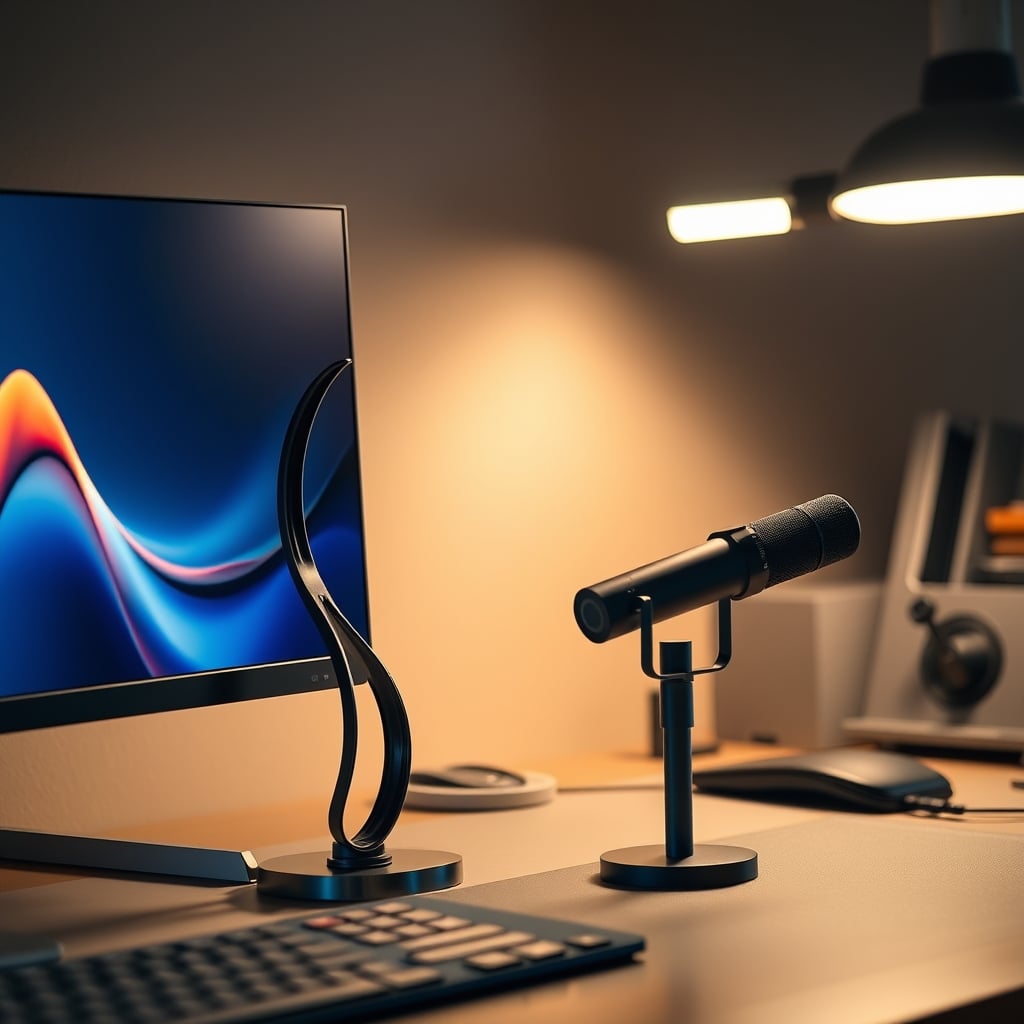
The Actual Alternative: Buy a Real Tool
Stop comparing magnetic sculptures to other sculptures. Compare them to things that actually improve your desk life.
For the same $200, you could buy a high-quality monitor arm that fundamentally improves your posture and desk real estate. You could get a high-fidelity microphone that makes every call and recording better. You could invest in proper bias lighting to reduce eye strain. These are tools with measurable, daily ROI.
If you absolutely must have a fidget toy—and I get it, the urge is real—buy a $40 mechanical fidget spinner. You get the same kinetic, tactile satisfaction without the pretension or the price tag. It’s honest about what it is: a toy. This is the real issue: magnetic sculptures are toys ashamed of being toys, so they dress up in ‘art’ and ‘wellness’ clothing to justify their absurd cost.
I’ve seen too many people fall for the minimalist trap, thinking an empty desk needs a single, expensive artifact. Read our piece on The 'Ugly' Setup Secret: How Extreme Minimalism Unlocks Uninterrupted Deep Work for a better philosophy. And if you're obsessed with magnets, at least get something useful; our take on Magnetic Cable Management Is Overrated 2026 will save you from another money pit.
Final Verdict: Overrated and Not Worth It
Skip it. Completely. The 2026 magnetic desk sculpture is a perfect example of solving a problem that doesn’t exist with a product that creates new ones. It’s a luxury purchase with zero functional benefit, masquerading as a productivity or wellness tool. The only person it’s worth it for is the YouTuber who can use it as a depreciable business prop for background visuals. For everyone else, it’s a $200 paperweight that clinks. Put that money toward something that actually affects your work or your comfort. Your future self, staring at a deadline instead of a metal ball, will thank you.
Frequently Asked Questions
Do magnetic desk sculptures actually help with focus or ADHD?
No. They are fidget toys with a marketing budget. While any fidget object can provide sensory input, there is zero evidence these specific, expensive sculptures are more effective than a simple stress ball or putty. They often become a distraction themselves.
Are they bad for your microphone audio?
Yes. The sharp, metallic clacking sound transmits through your desk and is easily picked up by condenser microphones. For podcasting, streaming, or any voice recording, they are a consistent source of unwanted noise you'll have to edit out.
What's a good cheaper alternative to a magnetic sculpture?
A simple, heavy mechanical fidget spinner or a set of begleri beads offers similar tactile satisfaction for a fraction of the cost. If you want desk decor, invest in a functional piece like a high-quality desk lamp or a useful organizer.
Do they lose their magnetic strength over time?
Modern neodymium magnets are very stable, so not in any meaningful timeframe. The real issue isn't degradation; it's that the novelty and perceived utility wear off within weeks, leaving an expensive paperweight.

Written by
From bias lighting behind your monitor to smart RGB ecosystems, Leon knows exactly how to light a room for productivity during the day and gaming at night.
Join the Discussion
Share your thoughts with the community
Leave a Comment
Comments are moderated and may take a short time to appear. Links are not permitted.