Standing Desk Posture: Stop Getting It Wrong
Standing desks promised a revolution, but most users are just trading one static posture for another. We're cutting through the marketing hype to show you why your standing desk posture is probably wrong and what to do about it.
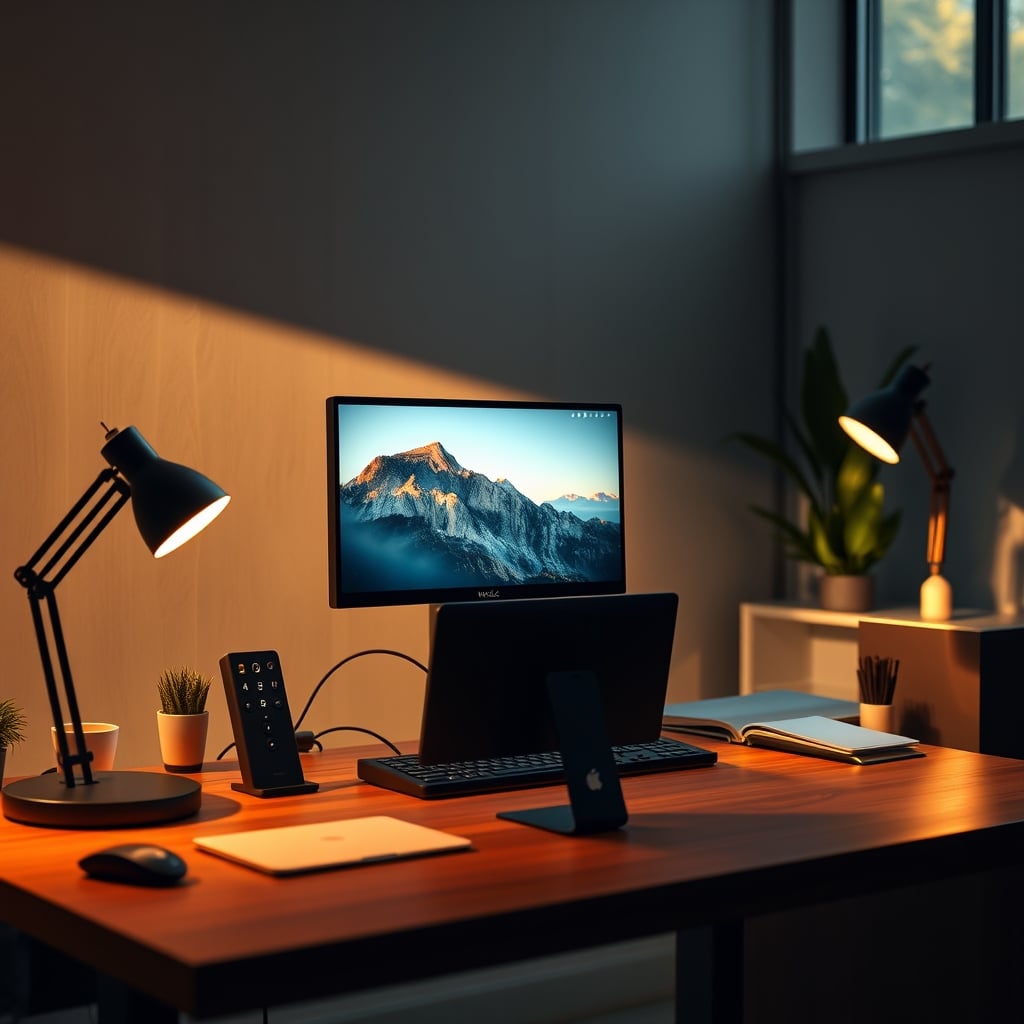
You bought a standing desk. Good for you. You probably think you're nailing this whole "ergonomics" thing, swapping static sitting for static standing. The reality? Most of you are still getting it profoundly wrong, and your body is probably yelling at you for it. After assessing hundreds of setups and wading through endless corporate-speak about "ideal angles," we've found that the common advice on standing desk posture is mostly a pile of glorified BS.
The Real Issue: You're Just Trading One Static Position for Another
Let's be blunt: if your standing desk posture involves you locked into one rigid position for hours, you've missed the entire point. The industry lies about this, pushing the idea that simply standing is enough. It's not. The human body is designed for movement, not for holding a statue pose. Most people get this wrong, thinking a standing desk is a magical cure-all, when in fact, sustained static standing is just as detrimental as sustained static sitting. It's overrated to believe that just raising your desk fixes your problems. We've seen users consistently report increased foot pain, lower back stiffness, and even fatigue that mirrors what they felt sitting.
The "Perfect Posture" Myth That Needs to Die
Forget everything you've read about the "perfect standing desk posture." This is overrated. The idea that there's one static, anatomically correct pose you should hold is not only unrealistic but actually counterproductive. A common pattern seen across ergonomics communities is people striving for this mythical perfection, only to find themselves stiff, sore, and mentally drained. The industry's obsession with a static, textbook-perfect stance doesn't work in the real world. Your body isn't a statue; it's a dynamic machine. Trying to force it into an unchanging, supposedly ideal alignment for hours on end is a recipe for discomfort and long-term issues. This rigid approach actively undermines the very benefits a standing desk could offer.
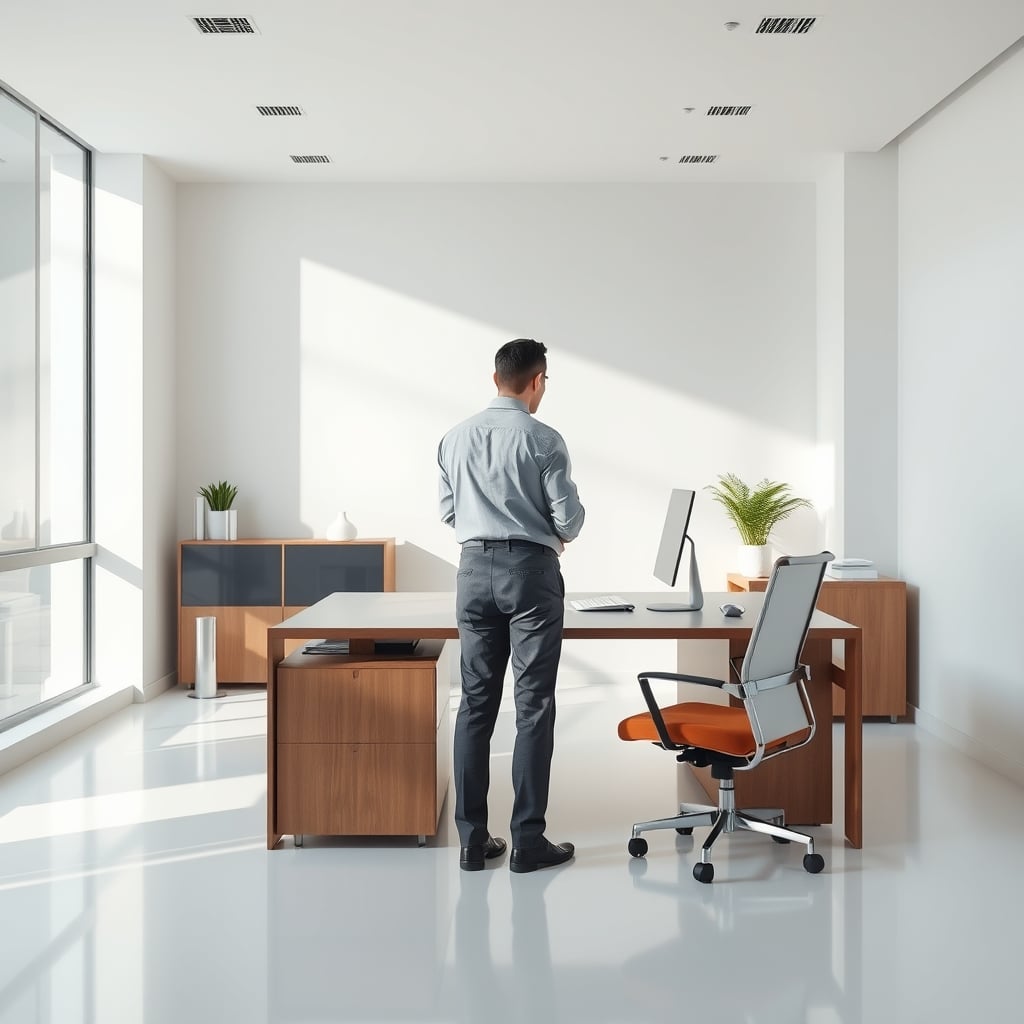
And let’s talk about footwear: going barefoot might sound liberating, but for most, it's a terrible idea for prolonged standing. Good, supportive shoes are essential. This is not worth it to cheap out here. You're putting your entire body weight on your feet for hours; invest in proper cushioning and arch support. Think quality running shoes, not minimalist slippers.
The Anti-Fatigue Mat: A Necessity, Not an Accessory
Many see an anti-fatigue mat as an optional extra. They're wrong. It's non-negotiable for any serious standing desk setup. A good mat isn't just a squishy pad; it's engineered to promote subtle micro-movements in your feet and legs, stimulating blood flow and reducing pressure. Without one, you're essentially standing on concrete for hours, and users consistently report increased foot and joint pain. Most cheap mats are just foam and don't deliver. You're wasting money on a thin, ineffective pad. Look for something with density and contour. After testing countless options, we recommend mats that actually encourage foot movement, not just cushion it. For more on beating the burn, check out our guide on Standing Desk Fatigue Masterclass: Beat The Burn.
Practical Tips for Unlocking True Standing Desk Comfort
- Embrace the Micro-Shift: Don't stand still. Ever. Shift your weight, rock slightly, lift a foot, do small calf raises. These tiny movements are your secret weapon against stiffness.
- The 20-Minute Rule is Overrated: Forget rigid timers. Listen to your body. When you feel discomfort, change something. Sit down, walk around, or adjust your desk height. The goal is flow, not strict adherence to arbitrary intervals.
- Active Breaks are Mandatory: Don't just stand there staring at your screen. Step away. Walk to grab water. Do a quick stretch. Even five minutes every hour can reset your body and mind. This is critical for improving your desk layout productivity.
- Footwear Matters: As stated, invest in good shoes. This isn't a fashion show; it's about comfort and long-term health.
- Vary Your Desk Height: Don't set it and forget it. Experiment with slight height variations throughout the day. Your body appreciates the novelty.
Common Standing Desk Posture Mistakes to Avoid
- Leaning on Your Desk: We've all done it. It feels good in the moment, but it throws your alignment off and puts undue stress on your back and shoulders. This doesn't work for long-term comfort.
- Locking Your Knees: A classic mistake that restricts blood flow and puts strain on your joints. Keep your knees slightly bent and relaxed.
- Ignoring Pain: Pain is your body's alarm system. Don't push through it. If something hurts, change your position, take a break, or sit down. What happens when you ignore standing desk pain for a week? You learn a hard lesson.
- Static Staring: Just like sitting, standing still for extended periods turns your standing desk into a glorified torture device. Movement is key. Most people get this wrong by simply replacing sitting with an equally static standing habit. For more general advice on ergonomic chair problems, the principles of movement still apply.
Final Verdict: Dynamic Standing is Actually Good
The entire concept of a fixed "perfect" standing desk posture is overrated and frankly, harmful. The true value of a standing desk isn't in achieving some static ergonomic ideal, but in enabling consistent, subtle movement throughout your workday. If you're using your standing desk to stand perfectly still, you're missing the point entirely. Embrace dynamic standing, listen to your body, and invest in the right tools like a quality anti-fatigue mat. This approach is actually good, and it's the only one that truly delivers on the promise of a healthier, more productive workspace. Anything else is just marketing hype you should skip.
Frequently Asked Questions
Is there a single 'perfect' standing desk posture?
No, absolutely not. The idea of a single, static 'perfect' standing desk posture is a myth. The human body is designed for movement, not for holding rigid poses. Trying to maintain one fixed posture for extended periods is counterproductive and can lead to discomfort and long-term issues. Focus on dynamic standing and frequent micro-movements instead.
How often should I adjust my standing desk posture?
You should be adjusting your standing desk posture constantly, but subtly. This means shifting your weight, slightly bending and straightening your knees, and moving your hips every few minutes. The goal isn't timed adjustments, but rather continuous, intuitive movement that prevents stiffness and promotes blood flow. Listen to your body and change positions whenever you feel discomfort or the urge to move.
Are anti-fatigue mats really necessary for standing desks?
Yes, a quality anti-fatigue mat is absolutely necessary for any serious standing desk user. It's not an optional accessory. A well-designed mat promotes subtle movements in your feet and legs, stimulating blood circulation and reducing pressure, which significantly cuts down on foot and joint pain. Cheap, thin foam mats are largely ineffective; invest in one with good density and contours that encourage dynamic standing.
What are common mistakes people make with standing desk posture?
Many people make the mistake of treating standing as a static replacement for sitting, locking their knees, leaning heavily on their desks, or ignoring discomfort. These habits lead to the same problems as prolonged sitting: stiffness, pain, and fatigue. The biggest mistake is striving for a static 'perfect' posture rather than embracing dynamic movement.
Written by
GlowRig Editorial researches and writes practical guides about desk setups and home office gear. Our articles are produced with the help of AI research tools and are reviewed for accuracy against manufacturer specifications and public user feedback. We may earn a commission from affiliate links, which never affects our recommendations.
Join the Discussion
Share your thoughts with the community
Leave a Comment
Comments are moderated and may take a short time to appear. Links are not permitted.