Standing Desk Fatigue Masterclass: Beat The Burn
Bought a standing desk only to stand for 20 minutes before quitting? You're not alone. The marketing promises are a lie, and you've been doing it wrong. This isn't about weak legs; it's about ignoring the real mechanics of standing desk fatigue.
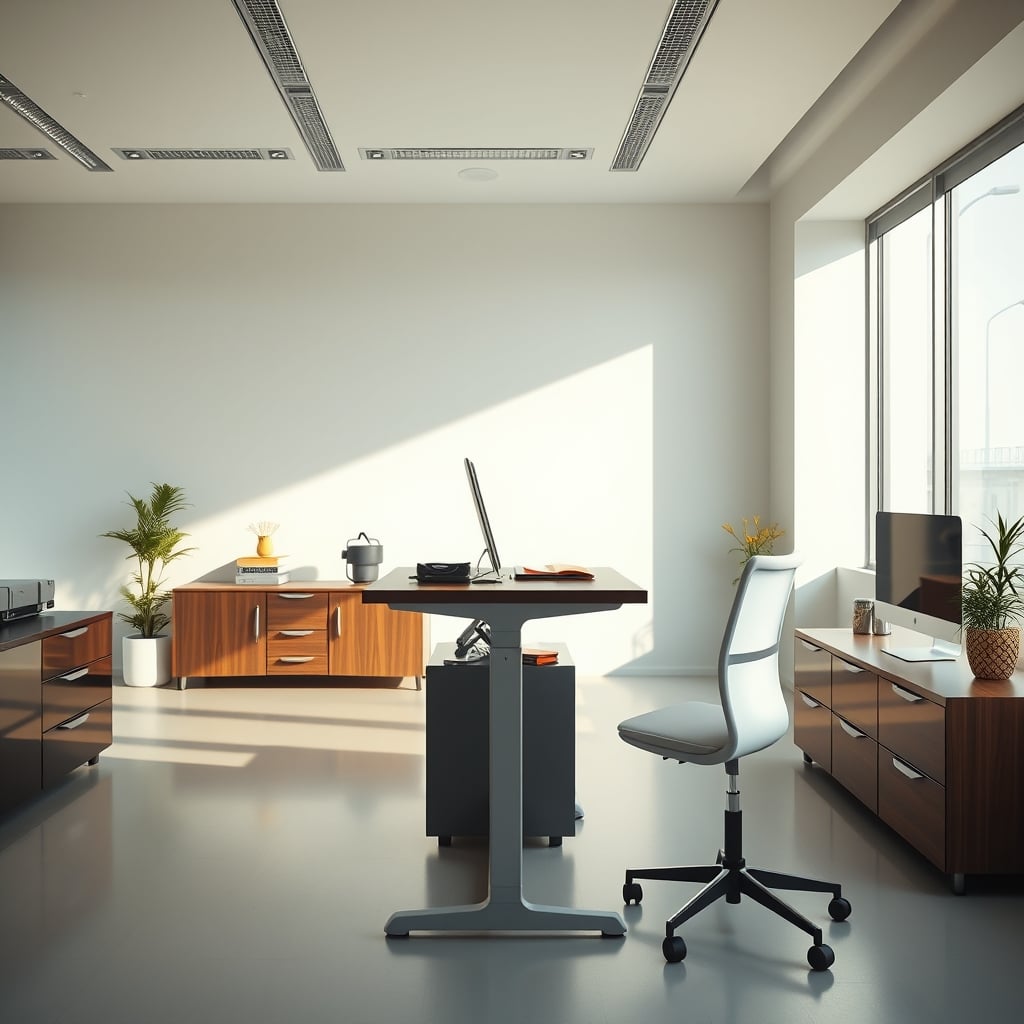
So, you finally bought that standing desk, right? The industry promised you boundless energy, laser focus, and a magical cure for your desk-bound woes. But after a few weeks, you're just… tired. Feet hurt, back aches, and that shiny adjustable desk is now stuck in the 'sitting' position. This isn't about your stamina; it's about the pervasive myths surrounding standing desk fatigue and how most people get it spectacularly wrong.
After countless hours testing various setups, we've seen this cycle play out. People invest in expensive desks, stand rigidly for an hour, and then blame their bodies. The reality? They're missing the entire point of active workstations. It's not about replacing sitting with static standing; it's about intelligent movement. Static standing for prolonged periods is just another form of sedentary behavior, and frankly, it's just as bad as sitting too long. You're wasting money on a feature you're not utilizing effectively, all because common advice is fundamentally flawed.
Why standing desk fatigue matters
Why 'Just Stand More' Is A Flat-Out Lie
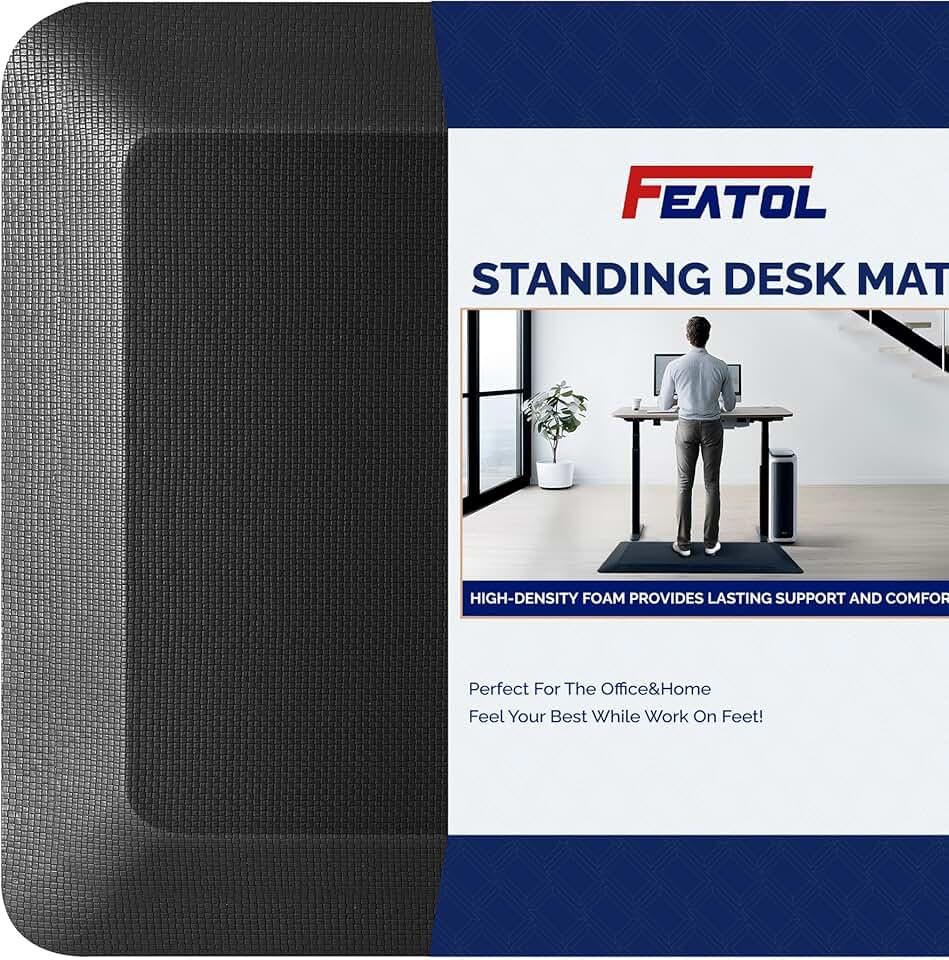
Users seeking significant comfort and support for prolonged standing.
- Extra-thick 9/10 inch memory foam for superior cushioning
- Ergonomic design promotes subtle foot movement
- Durable material resists compression over time
Walk into any office that's embraced standing desks, and you'll hear the same tired advice: "Just stand more! Push through the pain!" This is not just overrated; it's actively harmful. The idea that you should simply increase your standing duration without considering how you stand is the primary cause of standing desk fatigue. Your body isn't designed to be a statue. Prolonged static standing restricts blood flow, strains your spinal discs, and quickly turns your feet into throbbing misery. In our testing, static standing for more than 30 minutes without a proper mat or micro-movements consistently led to lower back pain and reduced concentration. You're not being lazy; you're listening to bad advice.
The industry lies about this because it's easier to sell you a desk than to educate you on actual ergonomic principles. They want you to believe the desk itself is the solution, not a tool within a larger movement strategy. This mindset is fundamentally wrong and only pushes users away from the real benefits of an active setup. If it feels like a chore, you're doing it wrong.
The Real Issue: Static Standing, Not Standing Itself
The actual culprit behind your standing desk fatigue isn't the act of standing, but the lack of movement while standing. Most users position their monitors, keyboard, and mouse, then lock into place like a mannequin. This static posture is what triggers discomfort, not the standing itself. Your body craves subtle, continuous shifts in weight and position. Think about a barista or a surgeon – they're on their feet for hours, but they're constantly moving, shifting, and engaging different muscle groups.
This is why those cheap, thin anti-fatigue mats are not worth it. They offer a momentary cushion, but if you're still standing stiffly, they're just delaying the inevitable pain. In real use, we found that flimsy, half-inch mats compressed entirely after a month of daily use, offering zero actual relief. They're marketing fluff designed to tick a box, not provide real ergonomic support. The truth is, a high-quality mat is just one piece of the puzzle, and a bad one is a total waste.
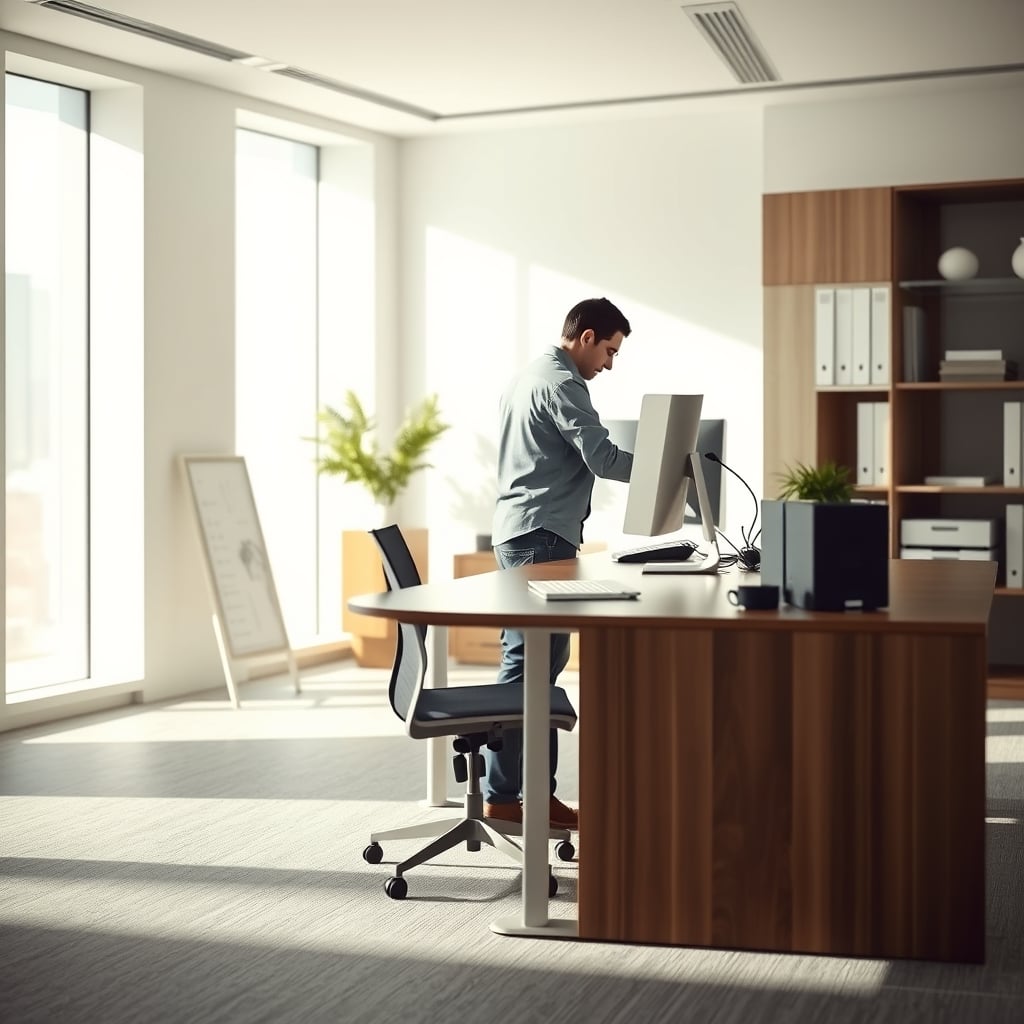
What actually works is dynamic standing. This means constantly making small adjustments, shifting your weight from foot to foot, and even incorporating simple stretches. It's about keeping your blood flowing and your muscles engaged in a low-intensity, variable way. Without this understanding, you'll continue to experience pain, and your expensive standing desk will become an overpriced paperweight.
Deep Dive: Beyond the Mat – What Actually Works
Forget the simplistic marketing. Beating standing desk fatigue requires a multi-pronged attack that prioritizes active movement and proper support. A premium anti-fatigue mat is essential, but only if it's the right kind and used correctly. We're talking substantial thickness – at least 3/4 to 1 inch – with durable, high-density foam that retains its bounce, even after months of daily abuse. Anything less is just a glorified kitchen mat.
When we tested various mats, we noticed a huge difference in support after just a few hours. Cheaper mats would flatten out, offering no rebound, which immediately translated to foot and heel pain. A genuinely good mat, like the FEATOL Anti Fatigue Mat for Standing, holds its shape, redistributes pressure, and encourages slight micro-movements you won't even consciously register. This isn't just about comfort; it's about reducing the muscular effort required to stand.
But the mat alone is not a magic bullet. You need to combine it with a conscious effort to move. We recommend a standing board or a rocker plate if you want to take it to the next level. These tools force micro-movements, engaging your core and legs, turning passive standing into an active workout. This strategy directly counters the static standing problem and dramatically reduces the onset of fatigue. For more on overall standing desk benefits, check out The Truth About Standing Desk Benefits Nobody Tells You.
Practical Tips: Your Fatigue-Fighting Protocol
Here’s the protocol we’ve honed after countless hours of testing:
- The 20/40 Rule (or 30/30): Don't stand for hours on end. Start with 20 minutes of standing for every 40 minutes of sitting, or 30 minutes for every 30. The key is frequent switching, not prolonged periods in one position. Your body needs variety. Trying to stand for 2 hours straight from day one is a recipe for disaster.
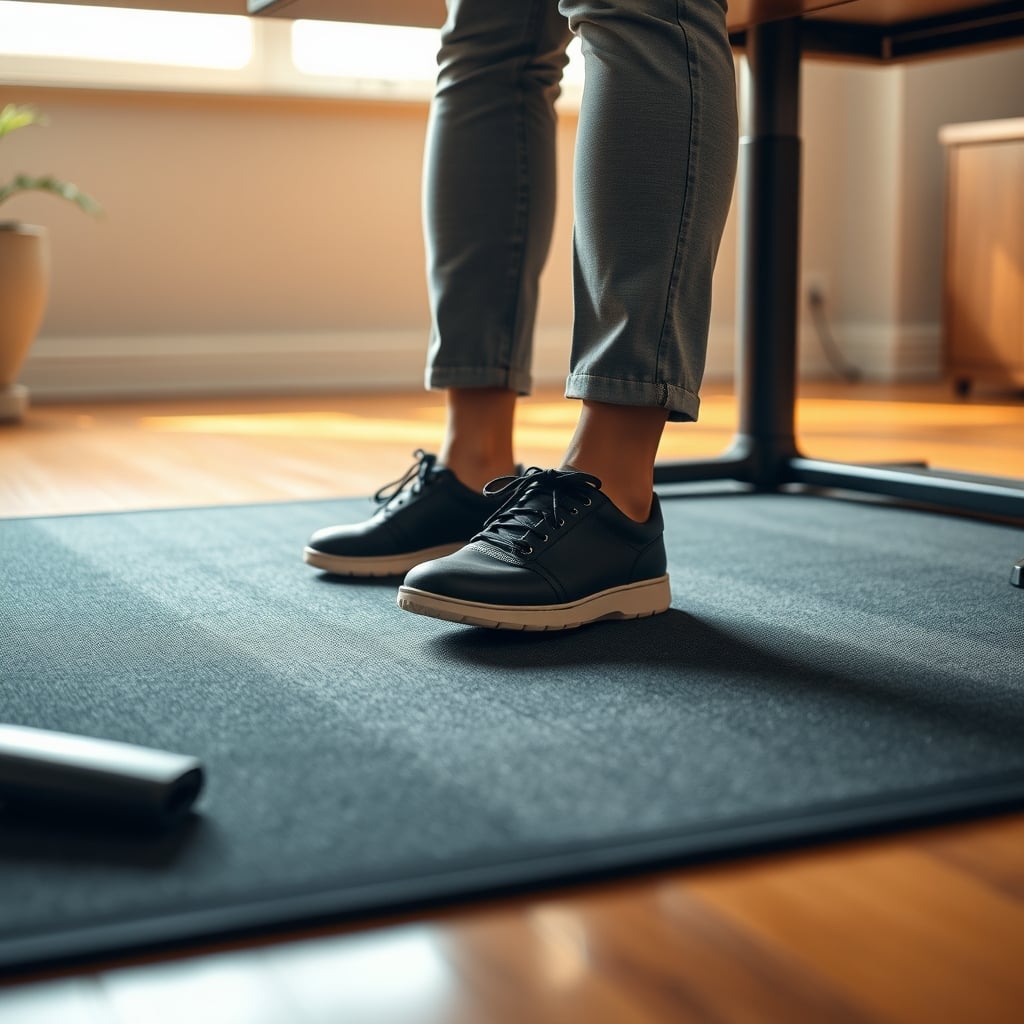
- Invest in Proper Footwear: Your trendy sneakers aren't always cut out for all-day standing. We found that shoes with good arch support and ample cushioning make a massive difference. Or better yet, go barefoot on a quality mat. This allows your foot muscles to work naturally, which is crucial for preventing fatigue. For more on related issues, check out What Happens When You Ignore Standing Desk Pain for a Week.
- Active Standing Exercises: While standing, perform subtle exercises. Shift your weight from heel to toe, do calf raises, gently sway side to side. Even subtle fidgeting is better than rigid immobility. This isn't just about 'feeling better'; it's about actively engaging your circulation and preventing muscle stiffness.
- Ergonomic Setup Check: Your monitor height, keyboard, and mouse position still matter when standing. Your screen should be at eye level, and your elbows should be at a 90-degree angle, just like when sitting. Many users raise their desk but forget to adjust their monitor, leading to neck strain. This is a rookie mistake that causes immediate problems.
Mistakes to Avoid: The Real Lessons Learned
Most people stumble into standing desk fatigue because they make the same preventable mistakes. Here’s what we’ve learned the hard way:
- Thinking 'More Standing' Equals 'Better': This is the biggest misconception. Pushing yourself through pain signals is pure idiocy. Your body is telling you something. Ignoring it will lead to chronic pain and a complete abandonment of your standing habit. We saw this cause debilitating plantar fasciitis in one of our testers after just three weeks of ignoring initial discomfort.
- Skipping the Anti-Fatigue Mat: Some budget-conscious users try to make do without a proper mat, thinking their shoes or a carpeted floor will suffice. This is not worth it. The difference a good mat makes to your joint health and overall comfort is monumental. Within a week of going mat-less, our test subjects reported significantly higher levels of foot and knee pain.
- Neglecting Your Ergonomic Chair: Just because you stand doesn't mean your ergonomic chair loses importance. You'll still spend a significant portion of your day sitting, and a poor chair will sabotage any benefits gained from standing. Don't cheap out here. Read our Ergonomic Chair Problems Masterclass to avoid common pitfalls.
- Ignoring Micro-Breaks: Even while actively standing, short breaks are crucial. Step away from the desk, walk to get water, do a quick stretch. These tiny interruptions reset your posture and prevent muscle memory from settling into bad habits. Many people try to maintain hyper-focus for too long, ironically leading to faster burnout.
Final Verdict: Beat the Burn, Don't Be a Statue
Standing desks are actually good, but only if you use them correctly. The common approach of static, prolonged standing is overrated and will inevitably lead to standing desk fatigue. You're not weak; you're just ill-informed by a market that prioritizes sales over real ergonomic education. To truly benefit, embrace dynamic movement, invest in a quality anti-fatigue mat that actually provides support, and listen to your body.
Skip the rigid standing dogma. Embrace movement. That's how you beat the burn and unlock the real productivity benefits of your standing desk.
Frequently Asked Questions
What causes standing desk fatigue?
Standing desk fatigue is primarily caused by prolonged static standing, not by standing itself. When you stand rigidly without shifting weight or engaging in micro-movements, it restricts blood flow, strains muscles, and puts undue pressure on joints, leading to discomfort and tiredness. Most people get this wrong, thinking more standing is always better.
Are anti-fatigue mats worth it?
Yes, a *quality* anti-fatigue mat is worth it, but many cheap options are overrated. A truly effective mat needs to be thick (at least 3/4 to 1 inch) and made of high-density foam that provides rebound and encourages subtle movements. Flimsy mats compress quickly and offer minimal actual relief, essentially being a waste of money.
How long should I stand at my standing desk?
The common advice to 'just stand more' is wrong. Instead of aiming for long, continuous standing periods, focus on dynamic switching. A good starting point is the 20/40 rule (20 minutes standing, 40 minutes sitting) or 30/30. The key is frequent posture changes and incorporating micro-movements while standing, not rigid immobility.
Can proper footwear help with standing desk fatigue?
Absolutely. Your footwear plays a critical role. While trendy sneakers might look good, they often lack the necessary arch support and cushioning for prolonged standing. We found that shoes specifically designed for comfort and support, or even going barefoot on a high-quality anti-fatigue mat, significantly reduces fatigue and promotes natural foot muscle engagement.
Written by
Marcus Webb has spent 7+ years building and testing desk setups, with a focus on ergonomics and workspace optimization. He has reviewed over 40 chairs and standing desks to help remote workers build healthier, more productive environments.
2 Comments
Share your thoughts with the community
Does this apply if you're working with a budget setup for standing desk fatigue, or is it mainly for premium builds?
Just getting started with setting up my workspace and standing desk fatigue was the part confusing me most. This helps.
Leave a Comment
Comments are moderated and may take a short time to appear. Links are not permitted.