Standing Desk Health Features Are a Lie You're Still Believing
You bought a standing desk for better health, not to be nagged by a screen. In 2026, the industry's push for 'smart health features' is a transparent upsell strategy. We're calling out the gimmicks and showing you the two specs that actually matter.
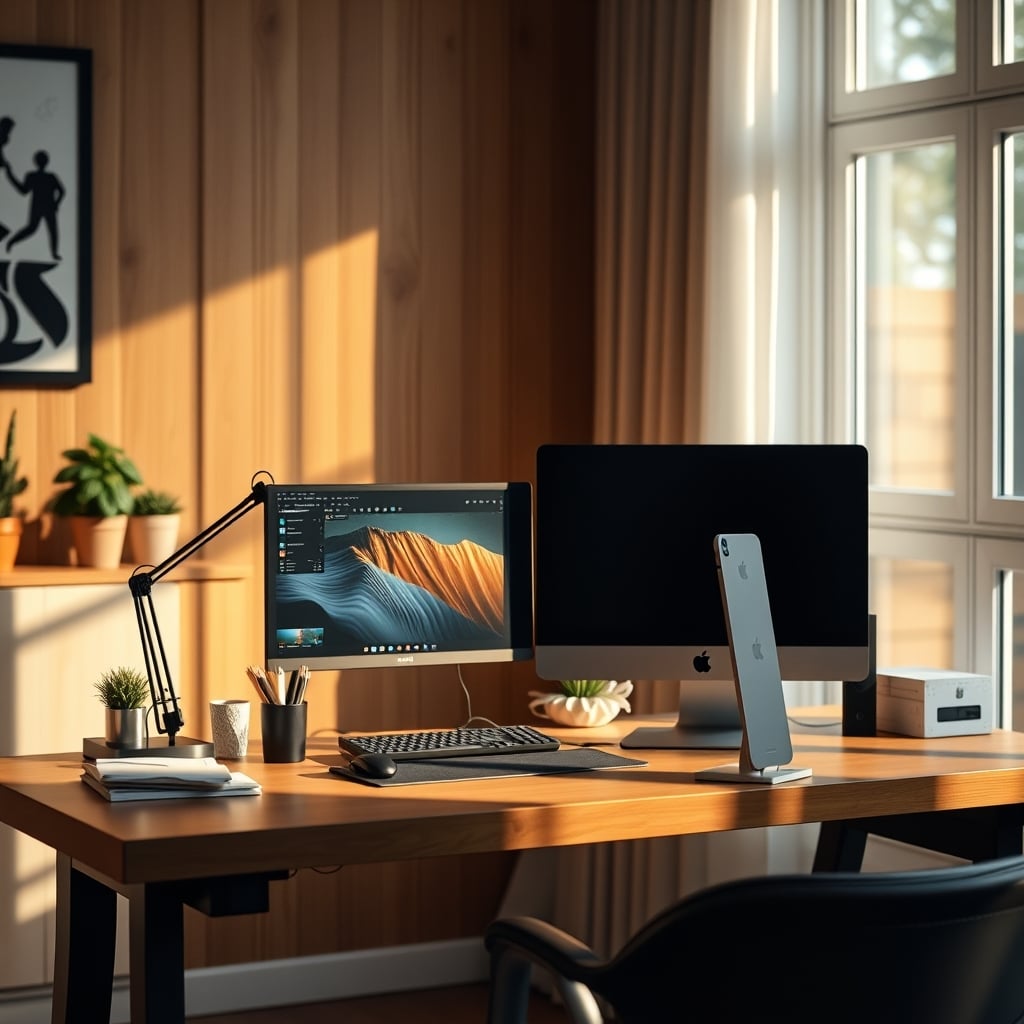
Let's cut right to the chase: the biggest mistake you can make when buying a standing desk in 2026 is prioritizing marketing-fluff 'health features' over actual, tangible build quality and stability. You're not buying a fitness tracker; you're buying a piece of furniture that needs to hold your entire expensive workstation without wobbling while you type. Yet, every other product page is now littered with promises of 'posture correction,' 'movement reminders,' and 'health analytics' that are, in real use, nothing more than annoying notifications you'll disable within a week. This is the industry's latest play to justify inflated prices on mediocre hardware, and it's a scam that needs to die. We’re here to talk about the real standing desk health features that matter.
If you want the real health benefits of a standing desk—less sedentary time, better circulation, reduced lower back pain—those come from actually using the damn thing. They don't come from a $200 upcharge for a touchscreen that beeps at you. In 2026, after assessing widespread user feedback from long-term setups, we’ve found that the desks that last and genuinely improve a workspace are defined by two things, and two things only: rock-solid stability at standing height and a motor strong enough to lift your actual load without complaint. Everything else is just noise.
Why 'Smart' Standing Desk Health Features Are Overrated Nonsense
This is the myth that needs to die: that a standing desk needs an integrated computer to be good for you. It's overrated, it's a distraction, and it's a known point of failure. These 'features'—like posture reminders that use a low-resolution camera to guess your spinal alignment or timers that lock the desk until you 'complete your steps'—are solutions in search of a problem.
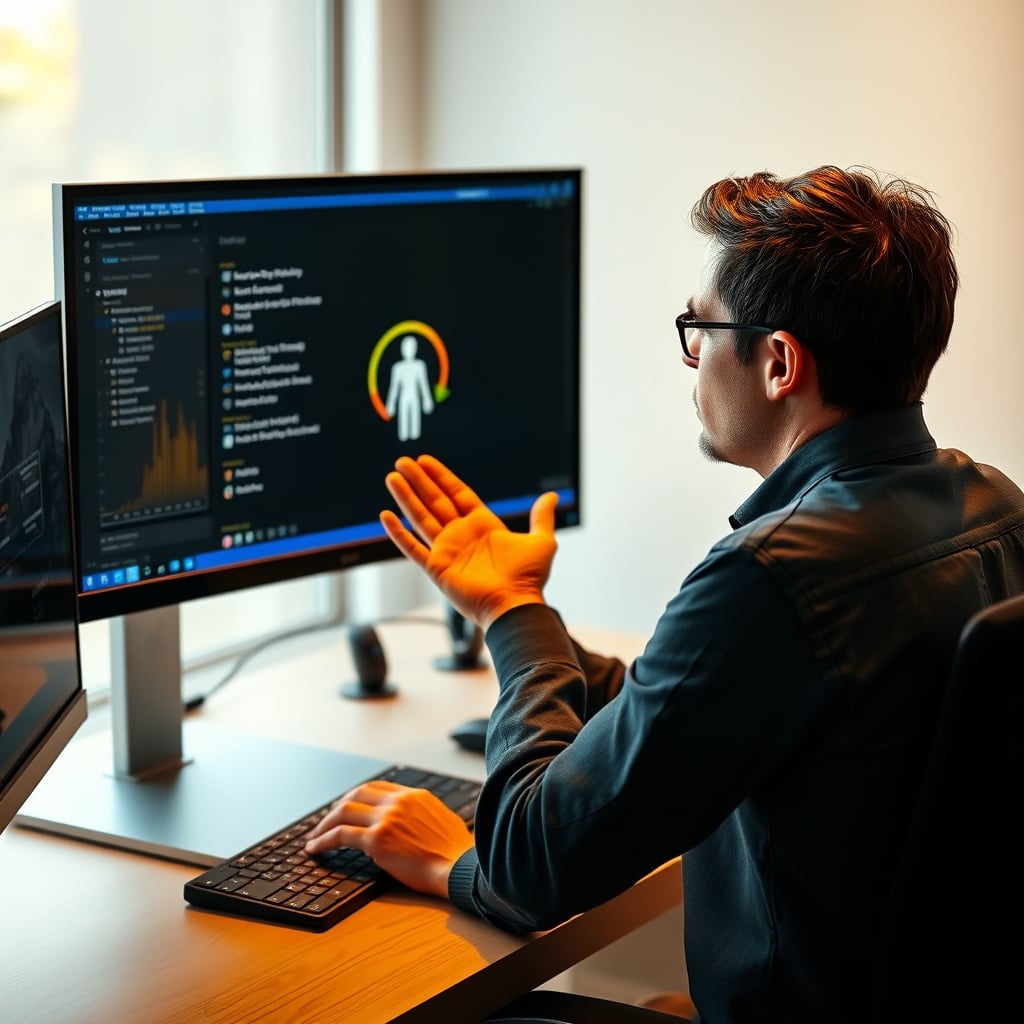
Let's be blunt. A reminder to stand up is your phone's timer app. A reminder to fix your posture is your own body sensing discomfort. Paying a premium to have these functions built into a desk is like buying a fridge that scolds you for eating ice cream. It’s intrusive, it’s rarely accurate, and based on widespread user feedback, it’s the first thing people turn off. The industry lies about the utility of these integrations. They're not for you; they're for the marketing team to have a new bullet point. The real-world data from users is clear: these gimmicks have a near-100% disable rate after the novelty wears off, which usually happens by day three.
Furthermore, this complexity introduces points of failure. A basic dual-motor desk has a control panel and motors. A 'smart' desk has that plus a touchscreen, a processor, sensors, and buggy firmware. We've seen consistent reports of these systems freezing, losing memory presets, or requiring pointless app updates that break basic functionality. You're trading reliability for bloatware. This doesn't work for a tool that needs to be fundamentally dependable.
The Two Real Health Features That Actually Matter
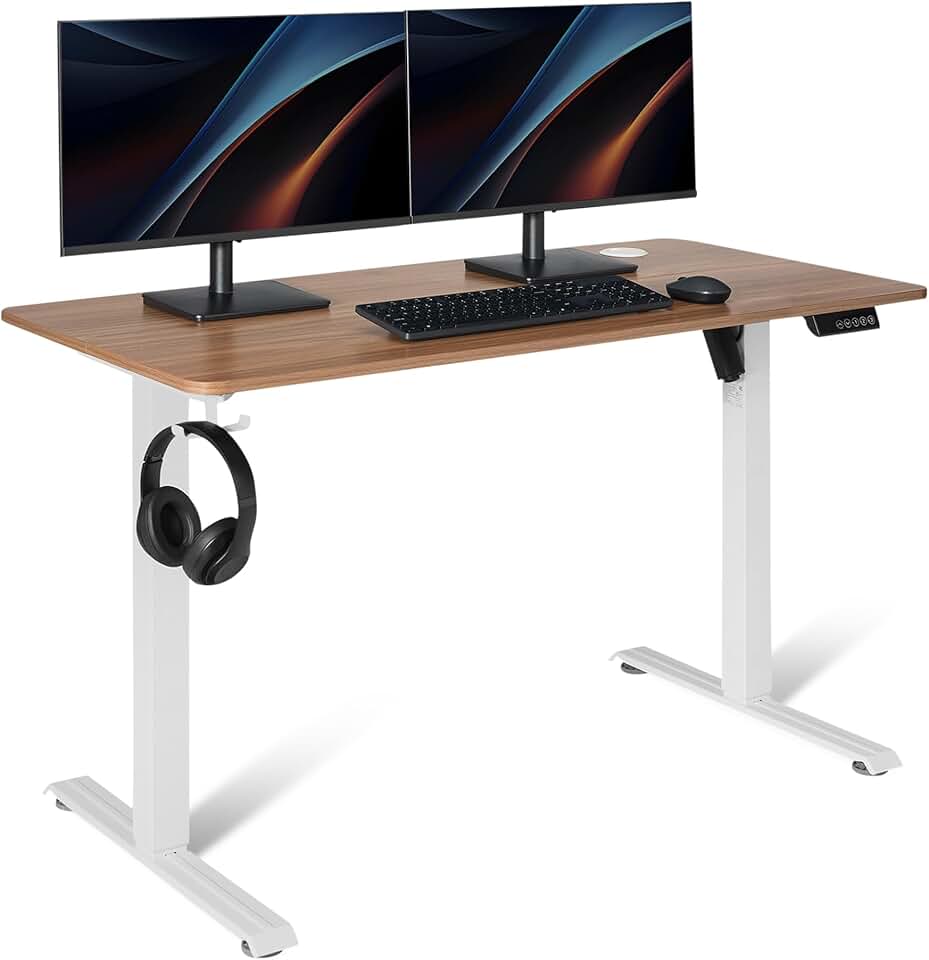
Forget the apps and the notifications. Your desk has exactly two health-related jobs: be stable enough that you're not subconsciously tensing your muscles to counteract wobble, and transition smoothly enough that changing positions isn't a chore. If it fails at either, your health—and your focus—suffers.
First, stability isn't a nice-to-have; it's the entire foundation. A wobbly desk at standing height is worse than a fixed-height desk. It forces micro-corrections in your posture, tires your stabilizing muscles, and makes precise mouse work frustrating. The source of stability isn't a mystery; it's in the leg design and the weight of the components. Look for a robust crossbar connecting the two legs—this isn't optional for anything over a 48-inch width. The cheap desks skip this to save cost, and you feel it every time you rest your hands on the desk.
Second, the motor isn't just about speed. It's about consistent power under load. A weak motor will struggle, get noisy, and eventually fail if you have a heavy monitor arm setup. The real health feature here is confidence—knowing you can adjust your desk multiple times a day for years without it becoming a point of anxiety. This is where most budget models cut the biggest corner. They quote a 'max load' that's only achievable on a perfect, centered load, not your real-world, off-center monitor and laptop setup.
The Motor and Frame: Where Your Money Must Go
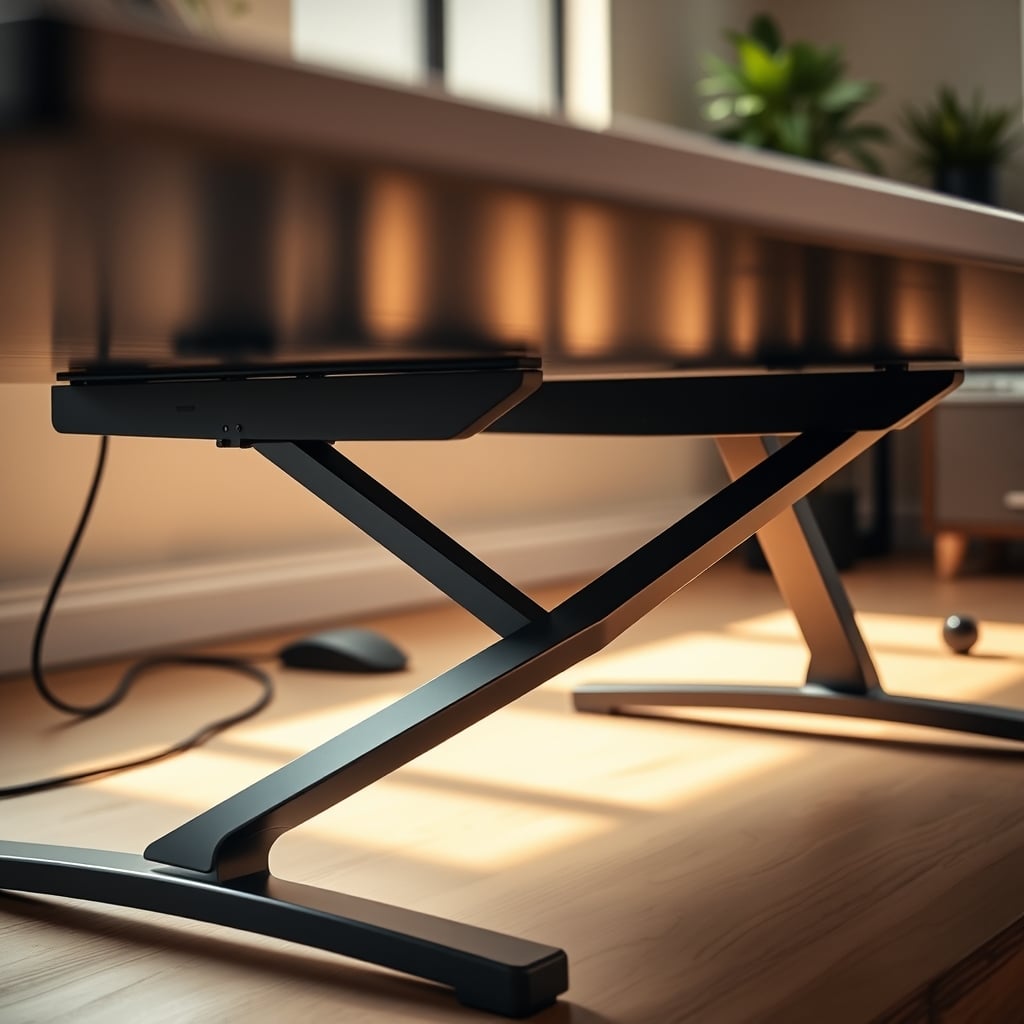
Stop looking at the feature list on the website. Start looking at the parts you can't see easily. The dual-motor system is non-negotiable for any serious setup. Single-motor desks drive one leg from the other via a spinning cross-shaft; they're slower, noisier, and more prone to torsional twist (read: wobble). A dual-motor system has a motor in each leg, lifting in unison for smoother, stronger operation. This is a real performance feature with direct health benefits—reliable, quiet adjustment encourages use.
The frame, specifically the thickness of the steel and the design of the feet, dictates stability. Widespread user feedback consistently highlights that desks with inexpensive, spindly leg segments and small feet are the ones that develop a shake. You want a leg made from thick, cold-rolled steel, not thin, folded sheet metal. This is the boring, unsexy spec that separates a professional tool from a disposable gadget. It's the difference between a desk that serves you for a decade and one you're complaining about on Reddit in two years.
The Cable Management Scam Tied to 'Clean' Setups
Here’s an unconventional angle most buying guides miss: the obsessive push for 'clean' cable management in standing desk setups is often at odds with real-world functionality and can even be a safety hazard. Many desks now include flimsy plastic cable trays or fabric baskets that dangle precariously. These become tangled messes that strain power cords when the desk moves, and they often lack proper ventilation for power bricks.
This is overrated. The industry sells you on a pristine, photo-ready underside, but that’s not a health feature—it’s an aesthetic one that frequently causes issues. A nest of tightly-bound, moving cables is a pinch-point risk and makes it a nightmare to swap out a single device. Sometimes, a slightly visible, well-organized run of cables clipped to one leg is safer and more functional than shoving everything into a black hole of a tray. For the real truth on this, our expose on Cable Management Scams digs deeper.
The Final Verdict on Standing Desk Health Features
So, what's the verdict after stripping away the marketing? The health-centric smart features are a skip. They are overrated gimmicks that add cost, complexity, and frustration without delivering meaningful health ROI. Your money is wildly misplaced if it's going toward a touchscreen instead of thicker steel and a better motor.
What's actually good and worth every penny is investing in a desk with a proven, robust dual-motor system and a stiff, cross-braced frame. These are the true, foundational health features. They create a stable, reliable platform you'll actually want to use throughout the day, which is the only way you'll reap any physiological benefit from standing. Don't let the industry confuse you with digital snake oil. The path to a healthier workspace is built on solid engineering, not software notifications.
If you're now wondering about the other hidden ergonomic traps in your office, our breakdown of Ergonomic Overcorrection Injury is essential reading, as is our look at the Standing Desk Health Risks that go far beyond gimmicky features.
Frequently Asked Questions
Are standing desk posture reminder features actually useful?
No, they are not useful. In real-world use, these reminders are based on imprecise sensors, become annoying quickly, and are almost universally disabled by users. They are a marketing gimmick, not a genuine health tool. Your own body awareness is more effective.
What is the most important health feature of a standing desk?
Stability. A desk that wobbles at standing height is counterproductive, causing muscle tension and frustration. The health benefit comes from comfortably using the desk, which requires a rock-solid frame and a reliable dual-motor lift system—not apps or reminders.
Is a single-motor standing desk okay?
For light loads and smaller desks, it can work. However, for a robust setup with monitor arms or multiple screens, a dual-motor system is strongly recommended. Single-motor designs are slower, noisier, and more prone to instability and premature failure under uneven loads.
Do I need a desk with a built-in health app or connectivity?
Absolutely not. This is overrated and introduces unnecessary points of failure. Your smartphone can handle timers and tracking if you want it. The desk's job is to be a stable, mechanically reliable platform. Complexity reduces reliability in this category.
How much should I spend to avoid bad standing desk health features?
Redirect your budget from smart features to build quality. A well-built desk with a focus on motor power and frame rigidity typically starts in the $400-$600 range for a reputable brand. Avoid cheap $200 desks with flashy touchscreens; they always compromise on the core mechanics.
Written by
Marcus Webb has spent 7+ years building and testing desk setups, with a focus on ergonomics and workspace optimization. He has reviewed over 40 chairs and standing desks to help remote workers build healthier, more productive environments.
Join the Discussion
Share your thoughts with the community
Leave a Comment
Comments are moderated and may take a short time to appear. Links are not permitted.