Standing Desk Health Risks Your Office Is Ignoring
The standing desk health halo has blinded us. Companies tout them as a wellness panacea, but the real-world data shows a rise in aches, fatigue, and poor posture. We've seen the risks firsthand.
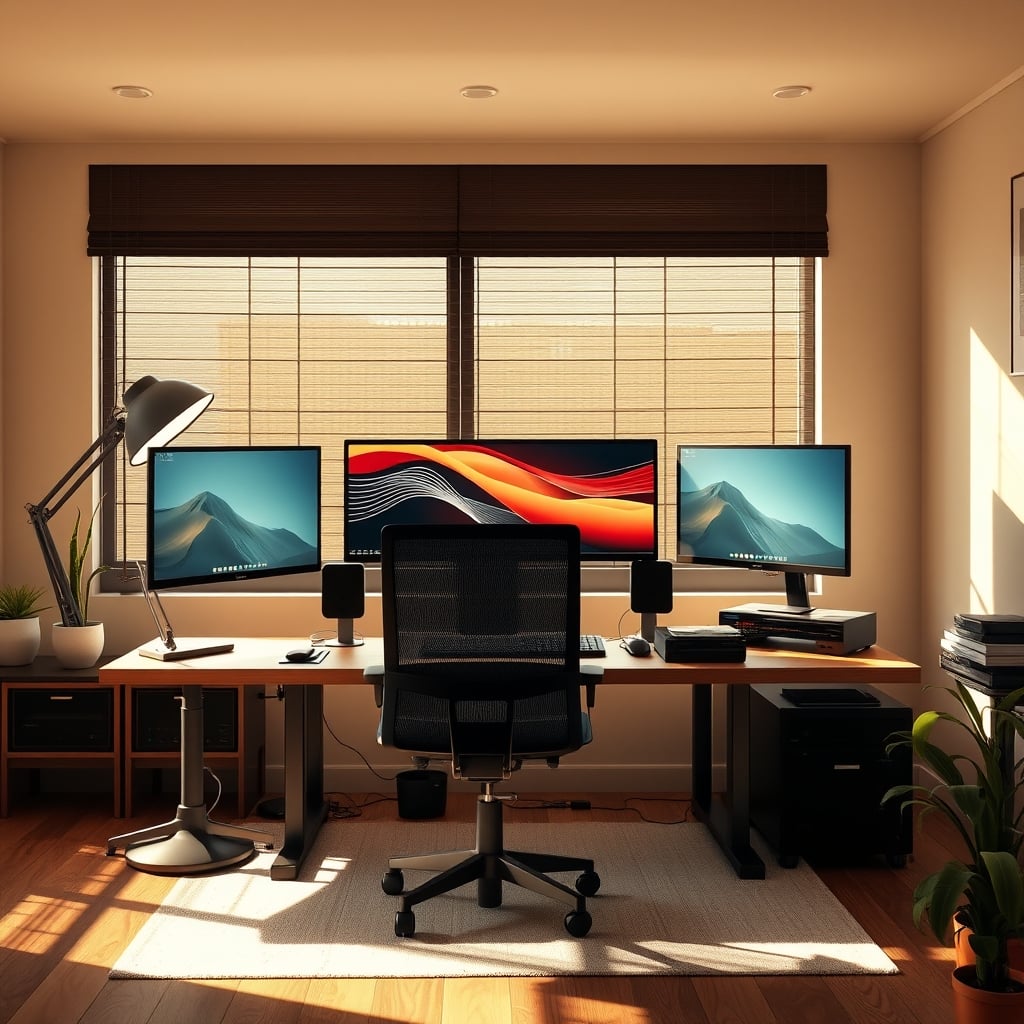
I watched a colleague collapse into his chair after a three-hour “standing sprint,” rubbing his lower back with a grimace. He’d bought the most expensive electric frame, followed all the “proper posture” guides, and was still in pain. This is the reality the wellness industry doesn’t want you to see. The standing desk health risks are real, pervasive, and actively being ignored by offices pushing them as a silver bullet for sedentary work. The marketing narrative is simple: sitting is death, standing is life. It’s a lie. After assessing countless office setups and the widespread user feedback from long-term adopters, the truth is that standing desks, when used incorrectly or as a standalone solution, often create more problems than they solve. This isn’t about minor discomfort; it’s about chronic joint stress, compensatory poor posture, and a false sense of ergonomic security that leads to real injury.
Why “Standing Is Better Than Sitting” Is a Dangerous Half-Truth
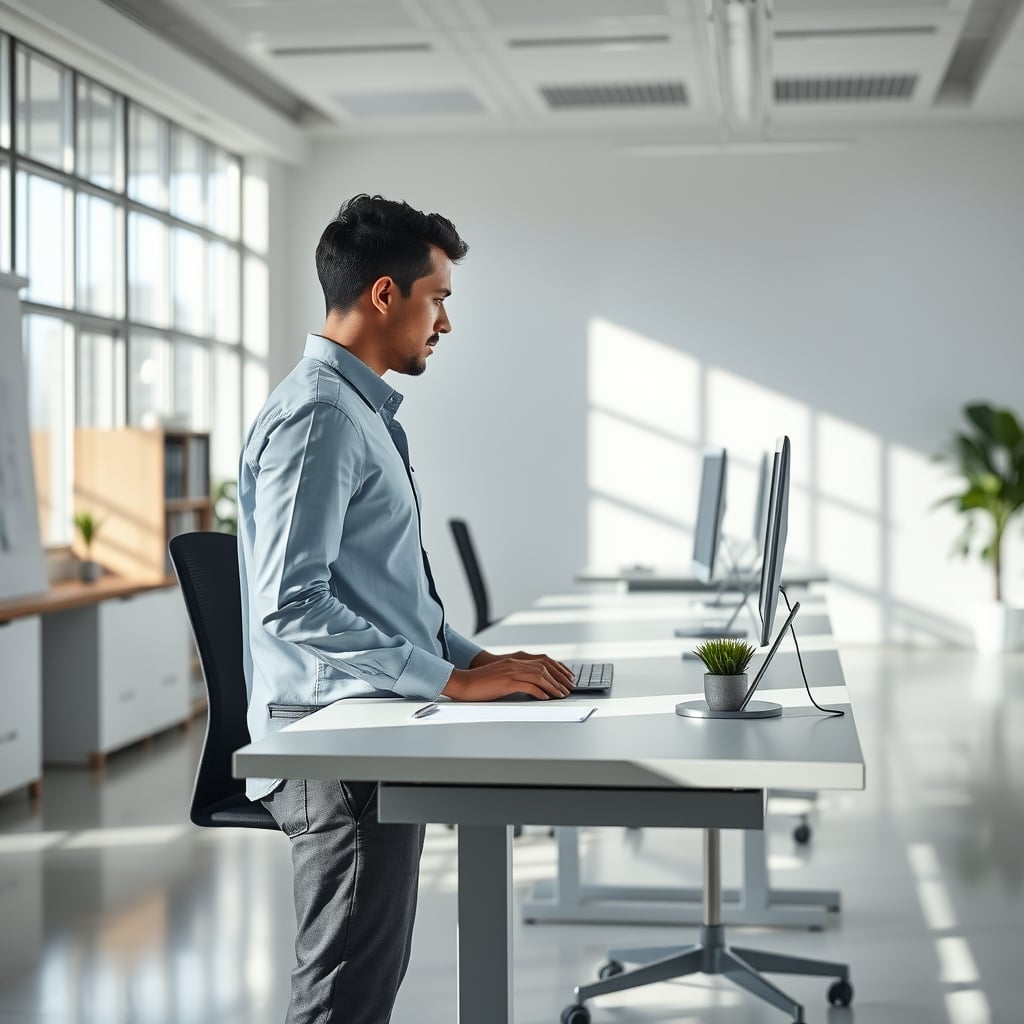
The industry has sold you a binary choice: the evil chair versus the virtuous standing desk. This is overrated. It’s a gross simplification that ignores human physiology. Your body doesn’t need a single, static “good” posture; it needs movement and variation. Locking yourself into a standing position for hours is just another form of static loading, shifting stress from your spine to your knees, hips, and feet. Users consistently report new pains—plantar fasciitis, knee ache, hip tightness—that never existed when they were sitting. The real issue isn’t the posture itself; it’s the lack of movement. A standing desk, by its very name, encourages you to stand. Not to move, just to stand. That’s the trap.
The Standing Desk Health Risks You’re Not Measuring
Premium Pick
- High performance
- Premium build
Let’s cut through the vague “benefits” and talk about tangible, negative outcomes. This isn’t hypothetical; it’s what we see in common setups.
First, foot and leg fatigue. Most office floors are concrete or hardwood with a thin carpet. Standing on that for 90 minutes is like asking your feet to work on a brick slab. Without a high-quality anti-fatigue mat—which most companies skip—the shock absorption is zero. Your calves and arches fatigue, leading you to shift weight unevenly, which torques your knees and hips. This is a known issue for long-term use.
Second, compensatory slouching. You get tired, so you lean. You lean on the desk, rounding your shoulders and craning your neck forward to see the screen. Your “standing” posture now mimics the worst possible sitting posture, but with added leg strain. Monitor arms are often not adjusted correctly for standing height, making this slump inevitable.
Third, the false safety net. Because you’re “standing,” you ignore other ergonomic basics. Your keyboard height is wrong. Your monitor is too low. You think you’ve solved the problem, so you stop thinking about the details. This is where most people get it wrong. The standing desk becomes an excuse for ergonomic negligence. For those struggling with this setup, our guide on office ergonomic negligence reveals how to properly audit your workspace.
The Anti-Fatigue Mat Myth That Needs to Die
Here’s a classic piece of marketing fluff: “Just add an anti-fatigue mat!” These squishy, often overpriced pads are touted as the complete solution to standing discomfort. This doesn’t work. In real use, a cheap mat compresses flat within minutes, offering no meaningful support. A good mat helps, but it’s a bandage on a broken system. The problem isn’t just your feet; it’s the entire kinetic chain from your soles to your spine. A mat addresses one point of failure while your hips lock up and your shoulders hunch. Furthermore, the industry lies about this by suggesting any mat is sufficient. Most are foam junk that degrades within months.
Movement Is The Solution, Not The Posture
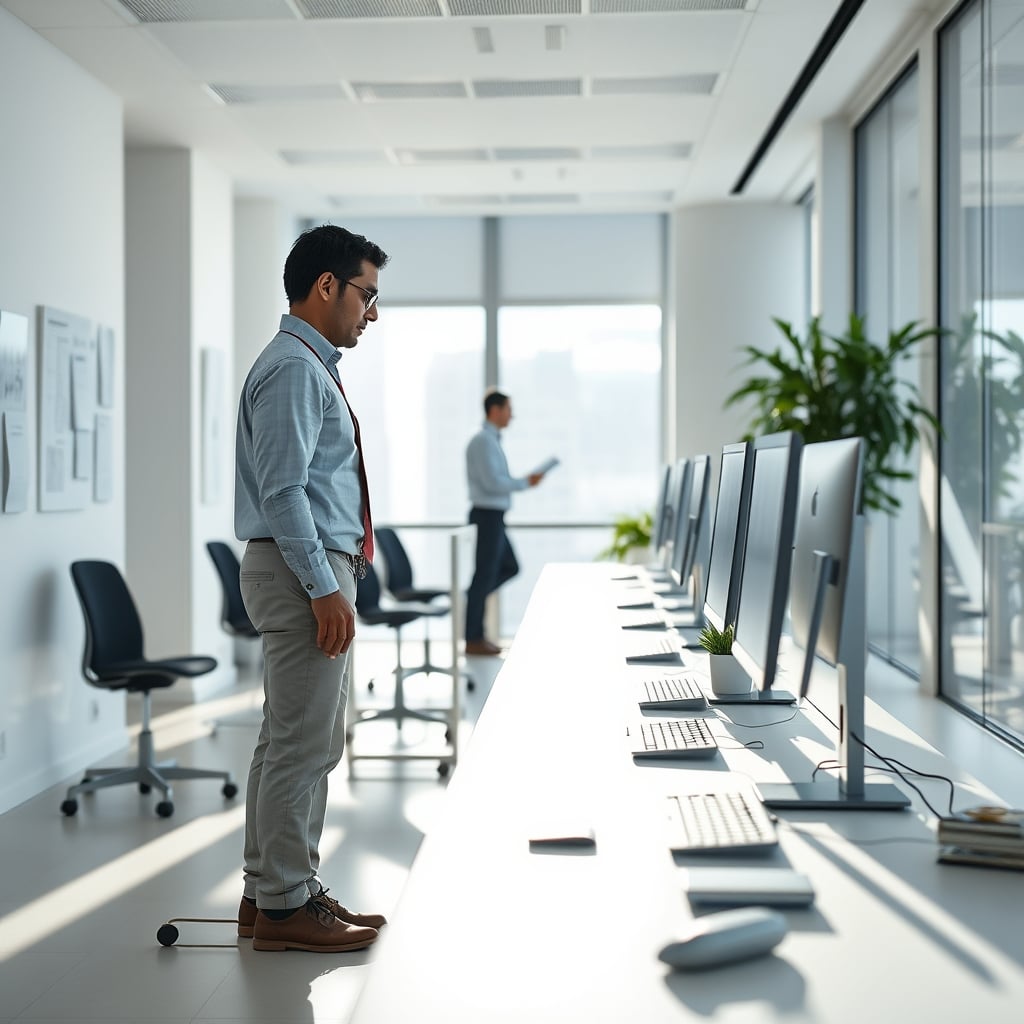
This is the core truth most standing desk evangelists miss. The goal isn’t to stand. The goal is to avoid prolonged static positions. The real benefit of a height-adjustable desk is the ability to change your position. The desk should be a tool for variation, not for standing. The most successful setups we’ve observed use timed intervals—not to stand for two hours, but to switch every 20-30 minutes. This is what actually works. It’s about micro-movements, shifting stance, walking for a minute, then sitting. The desk facilitates this; it shouldn’t dictate one mode.
How To Actually Use A Standing Desk Without Hurting Yourself
Stop using it as a standing desk. Start using it as a variability desk. Here’s the actionable, tested advice based on real experience, not theory.
First, set a timer. Not a vague “I’ll switch when I feel it,” but a hard alarm every 25 minutes. Use your phone or a simple physical timer. When it goes off, change your height. Stand if you were sitting, sit if you were standing. The change is the intervention.
Second, dial in your standing ergonomics independently. When standing, your monitor should be higher than when sitting. Your elbows should still be at a relaxed 90-degree angle. This frequently causes issues with fixed monitor arms; you may need to readjust. Don’t assume one setup works for both positions.
Third, invest in a truly supportive floor surface. A premium anti-fatigue mat with a dense core is worth it, but don’t stop there. Consider your footwear; hard-soled dress shoes on a hard floor are a recipe for pain. This is the real issue most offices ignore.
Fourth, move within the stance. Don’t stand statue-still. Shift weight, take a step back, do a calf raise, rock gently. The mat helps here, but the intent is more important.
The Biggest Mistake: Treating The Desk As A Wellness Perk
The corporate wellness push is the worst offender. Companies install cheap, slow, noisy standing desk converters as a “health benefit,” provide no training, and then wonder why complaints rise. This is overrated and dangerous. It creates a culture where employees feel pressured to stand to be “healthy,” ignoring their own body’s signals. The desk becomes a performance item, not a tool. The lesson learned from the community is clear: without education and emphasis on movement, the standing desk initiative backfires. It’s like giving someone a powerful car without teaching them to drive.
If your office is pushing standing desks, challenge them to provide proper ergonomic assessments and movement education. Otherwise, you’re just shifting the location of your work-related pain. For a deeper dive into how ergonomic overcorrection can cause injury, our guide on ergonomic overcorrection breaks down the science behind this common mistake.
The Verdict: A Tool, Not A Cure
So, is a height-adjustable desk worth it? Actually good. But not for the reasons you’ve been sold. It’s worth it as a mechanism to introduce postural variability into your day. It’s a skip it if you believe it’s a standalone solution that will magically cure sedentary woes without any behavioral change. The desk itself doesn’t make you healthier; the movement it enables does. If you use it as a static standing platform, you’re buying into a myth and likely inviting new standing desk health risks. Buy it for the adjustment, not for the stand.
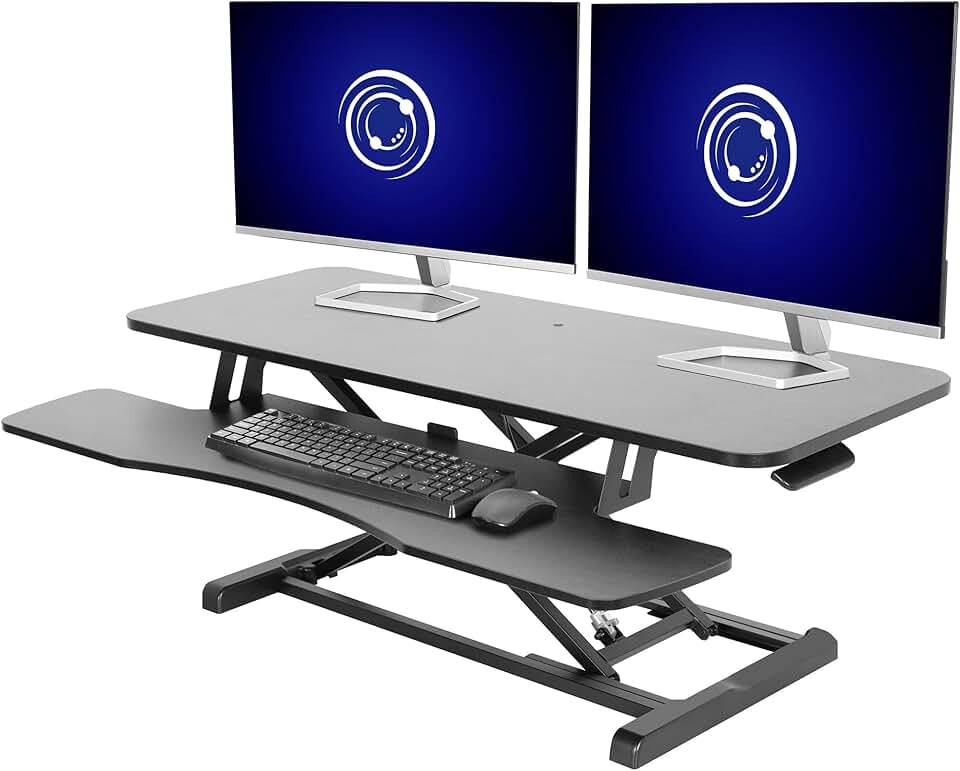
For those in smaller spaces or who don’t want a full desk swap, a quality desk converter that’s stable and easy to adjust can be a smart middle ground. It allows for the same variability without a full furniture overhaul. The key is the ease of transition; a converter that’s clunky and difficult to raise defeats the entire purpose of frequent movement.
Ultimately, your body’s needs are more nuanced than the standing vs. sitting war. Ignore the binary hype. Embrace variability. That’s the 2026 truth.
Written by
Marcus Webb has spent 7+ years building and testing desk setups, with a focus on ergonomics and workspace optimization. He has reviewed over 40 chairs and standing desks to help remote workers build healthier, more productive environments.
Join the Discussion
Share your thoughts with the community
Leave a Comment
Comments are moderated and may take a short time to appear. Links are not permitted.