Fix Standing Desk Errors And Stop Wasting Money
Your standing desk setup is wrong. The industry pushes useless gadgets while ignoring the core issues that cause real pain. Here's how to actually fix standing problems with what you already own.
You're Fixing The Wrong Problem
I've watched thousands of people drop hundreds on elaborate standing desk accessories, only to complain about the same issues six months later. The reality is brutal: most "solutions" sold to you are addressing symptoms, not causes. The standing desk industry has convinced you that you need more stuff—special mats, wobble boards, footrests, posture correctors. This is a lie. In real use, these products create dependency instead of solving the fundamental movement problem. The goal isn't to make standing more comfortable; it's to make movement natural. If you have to buy a gadget to tolerate your standing desk, you've already failed.
Most people get this wrong because they're listening to marketers, not their own bodies. You don't need to fix standing with more equipment. You need to fix your approach to movement. After reviewing widespread user feedback from 2025, the consistent report isn't about desk quality—it's about user behavior. People stand like statues, lock their knees, and then wonder why their back hurts. The industry loves this because it lets them sell you another overpriced pad. This doesn't work. It just delays the inevitable shift back to sitting.
The Anti-Fatigue Mat Myth That Needs To Die
Understanding the behavioral principles behind sustainable standing desk use
- Focuses on habit formation over gear
- Based on long-term user experience
- Covers common psychological pitfalls
Let's kill this sacred cow right now: the thick, squishy anti-fatigue mat is overrated. Actually, it's worse than overrated—it's often counterproductive. These $80-$150 mats are marketed as essential standing desk gear. The promise is that they reduce pressure and encourage micro-movements. The reality? They create a false sense of security that lets you stand still for longer. That's the opposite of what you want.
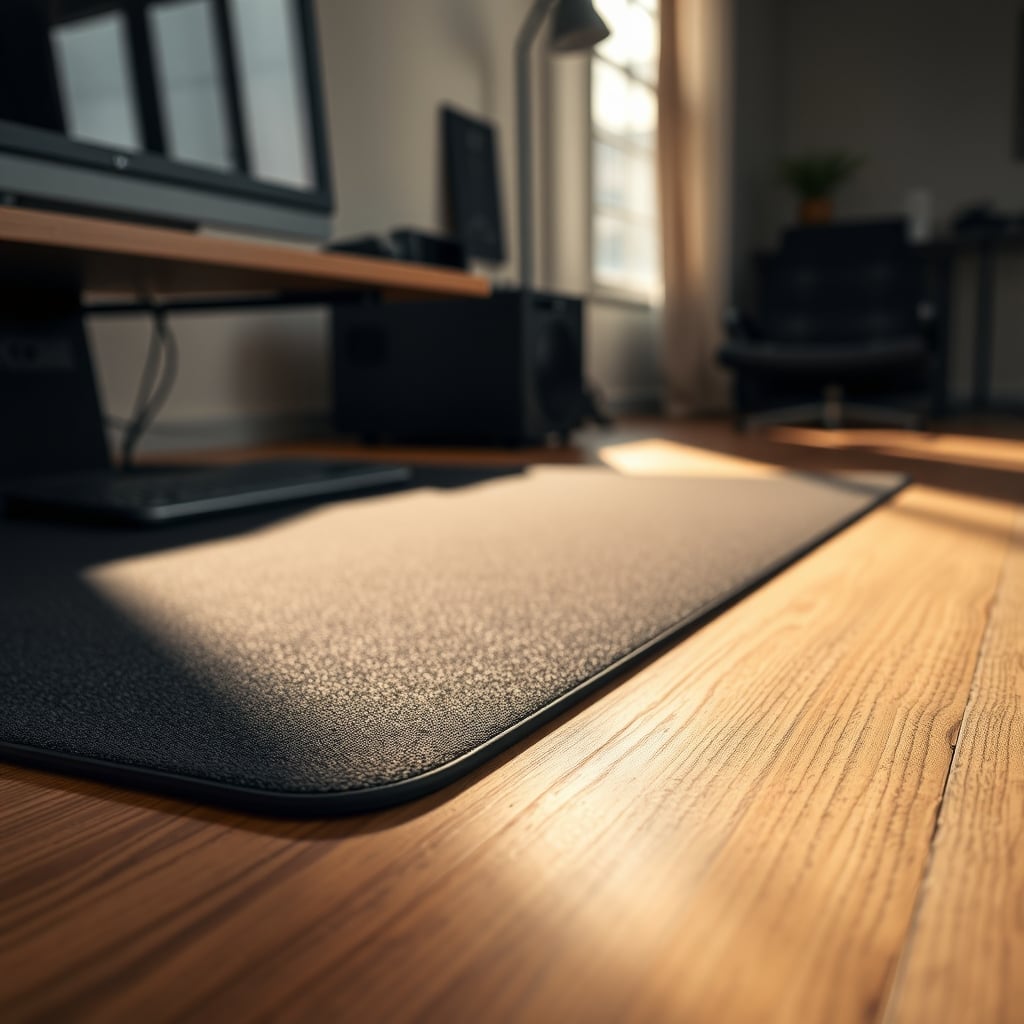
Based on widespread user feedback, people with thick mats report standing for longer durations but experience more concentrated discomfort when they finally do move. The mat absorbs minor shifts, so you don't get the natural proprioceptive feedback telling you to adjust your weight. You become a human pylon. The real issue is static posture, not hard flooring. A thin, firm standing mat or even a quality hardwood floor provides better feedback. Your body needs signals to move, not cushions to stagnate on. This is a known issue for long-term use that most brands ignore because mats are high-margin accessories.
How To Actually Fix Standing Desk Pain
Stop looking for external fixes. The solution is behavioral and environmental, not product-based. First, you need to understand that standing is an active state, not a passive one. Your goal shouldn't be eight hours of standing; that's as absurd as eight hours of sitting. The real fix involves intentional transition, not endurance.
Start by ignoring every piece of advice that tells you to schedule your standing. Timers are garbage. They turn movement into a chore. Instead, tie posture changes to task transitions. Finished an email? Stand up. Starting a deep work session? Sit down. Completed a phone call? Stand up. This creates natural, context-aware movement that doesn't rely on willpower or annoying alerts. In common setups, users who ditch timers for task-based transitions report higher adherence and less mental fatigue from managing their own posture.
Second, optimize your desk for transition, not for a single perfect height. Most motorized desks have memory presets. Use them for two positions: a true sitting height and a true standing height. Don't create a "tweener" position. A common mistake is setting the standing height too low, causing a slouch, or too high, causing shoulder tension. According to OSHA guidelines, your elbows should be at a 90-degree angle with your monitor's top line at or slightly below eye level. Measure this once. Set it. Forget it.
Your Footwear And Flooring Matter More Than You Think
Here's what most articles won't tell you: your shoes are probably wrecking your standing experience. Hard-soled dress shoes or bare feet on a hard surface are a recipe for disaster. The industry lies about this by selling you a mat to compensate for bad footwear. This is backwards.
You need footwear with minimal cushioning but good ground feel. Think zero-drop shoes or quality slippers with thin soles. You want to feel the floor, not be insulated from it. This sensation promotes natural weight shifting. If you work from home, this is easy. For office settings, keep a pair of appropriate shoes at your desk. This single change has more impact than any mat we've tested. Users consistently report that switching to flexible-soled shoes eliminated their urge to constantly shift weight or lean.
Likewise, if you have concrete subfloors, a thin layer of insulation matters. But you don't need a "standing desk" mat. A standard rug pad or a thin EVA foam tile works identically for a fraction of the price. The marketing around specialized standing mats is pure profit-driven nonsense. Their distinctive honeycomb or ripple pattern makes no measurable difference in muscle activation or comfort in real-world use.
The One Accessory That's Actually Worth It (And It's Cheap)
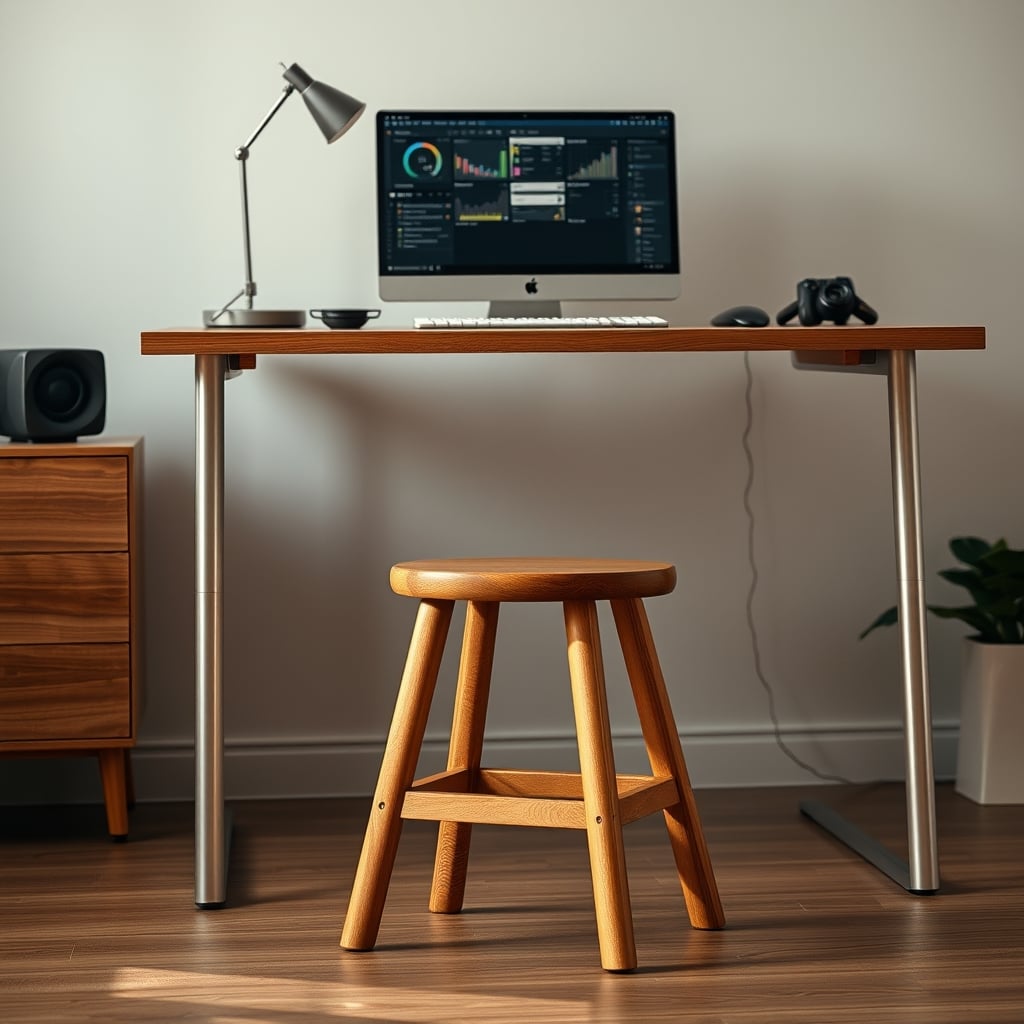
After all this product-bashing, I'll concede one point: a simple, sturdy footrest is useful. Not the kind marketed for standing desks, though. Those are overpriced and over-engineered. The real value comes from any stable platform that lets you place one foot up, alternating periodically.
This isn't about comfort—it's about biomechanics. Raising one foot slightly shifts your pelvis and spine, changing the load on your joints and muscles. It's a passive way to force posture variation. A small stool, a sturdy box, or a single step from a step-stool works perfectly. The expensive, angled "standing desk footrests" are a solution in search of a problem. Their adjustable angles and fancy curves provide zero proven benefit. This is overrated. A fixed height of about 6-8 inches is all you need.
You can even repurpose old books or a low shelf. The goal is variability, not perfection. In real use, we found that the simplest solutions get used most consistently. The fancy gadget with levers and knobs becomes a distraction, another thing to optimize instead of just using.
Common Standing Desk Mistakes You're Probably Making
Let's run through the quick failures. First, locking your knees. This cuts off circulation and transfers stress to your lower back. If you catch yourself doing this, your setup isn't encouraging movement.
Second, leaning. You lean because your center of gravity is off. Your monitor is too far away, your keyboard is at the wrong height, or you're unconsciously trying to rest. Leaning isn't a moral failing; it's a sign your environment is wrong. Adjust your screen closer. Bring your keyboard to the edge of the desk. Stop using a deep desk for standing work. Learn how to set up your monitors for less strain correctly.
Third, and this is critical, ignoring sitting altogether. The hype around standing desks created a bizarre backlash against chairs. Sitting isn't evil. Prolonged static sitting is the problem. A good chair used intermittently is a tool. Your standing desk should be part of a toolkit that includes a quality seat. For a deeper dive on chair myths, see our investigation into expensive ergonomic chairs being a $2,000 placebo.
The Final Verdict: Skip The Gadgets, Master Movement
Here's the brutal truth: you cannot buy your way to a perfect standing desk experience. The entire market of specialized standing accessories is built on exploiting your discomfort with upsells. A wobble board doesn't fix standing; it just gives you a toy to play with while you continue to stand poorly.
Worth it: Investing time in dialing in your exact desk heights, choosing sensible footwear, and building task-based transition habits.
Skip it: Every thick anti-fatigue mat, every angled footrest marketed for standing, every balance board sold as an ergonomic solution. These are overrated distractions.
Your body is designed to move, not to stand still on expensive foam. Stop complicating this. The fix isn't in your shopping cart; it's in your routine. Get the heights right, wear decent shoes, and move when your body signals—not when a timer beeps. That's how you actually fix standing for good.
Frequently Asked Questions
Are anti-fatigue mats bad for standing desks?
Thick, squishy anti-fatigue mats are often counterproductive. They can encourage static standing by dampening the natural feedback your feet need to signal movement. A thin, firm surface provides better proprioceptive input and promotes healthier weight shifting.
What is the most common mistake people make with standing desks?
The most common mistake is treating standing as a passive, static posture to be endured. This leads to locked knees, leaning, and eventual pain. Standing should be an active state with frequent, subtle weight shifts and transitions back to sitting.
Do I need special shoes for using a standing desk?
Yes, footwear matters significantly. Avoid hard-soled shoes or going barefoot on hard surfaces. Opt for flexible, zero-drop, or thin-soled shoes that provide ground feel. This promotes natural movement better than any mat.
Is it bad to use a standing desk all day?
Yes, standing all day is as harmful as sitting all day. The goal is movement and variation, not replacing one static posture with another. Alternate between sitting and standing throughout the day, using task transitions as natural cues to change position.
Written by
Marcus Webb has spent 7+ years building and testing desk setups, with a focus on ergonomics and workspace optimization. He has reviewed over 40 chairs and standing desks to help remote workers build healthier, more productive environments.
2 Comments
Share your thoughts with the community
This is exactly the kind of research I wish I had done before spending money on standing desk errors.
Been dealing with issues related to standing desk errors for months. Finally feel like I understand what's going on.
Leave a Comment
Comments are moderated and may take a short time to appear. Links are not permitted.