Ergonomic Chair Fail Masterclass: The Brutal 2026 Truth
That $1,200 ergonomic chair you bought? It's probably hurting you more than helping. We dive into the widespread ergonomic chair fail phenomenon and why chasing 'perfect posture' is making your back pain worse.
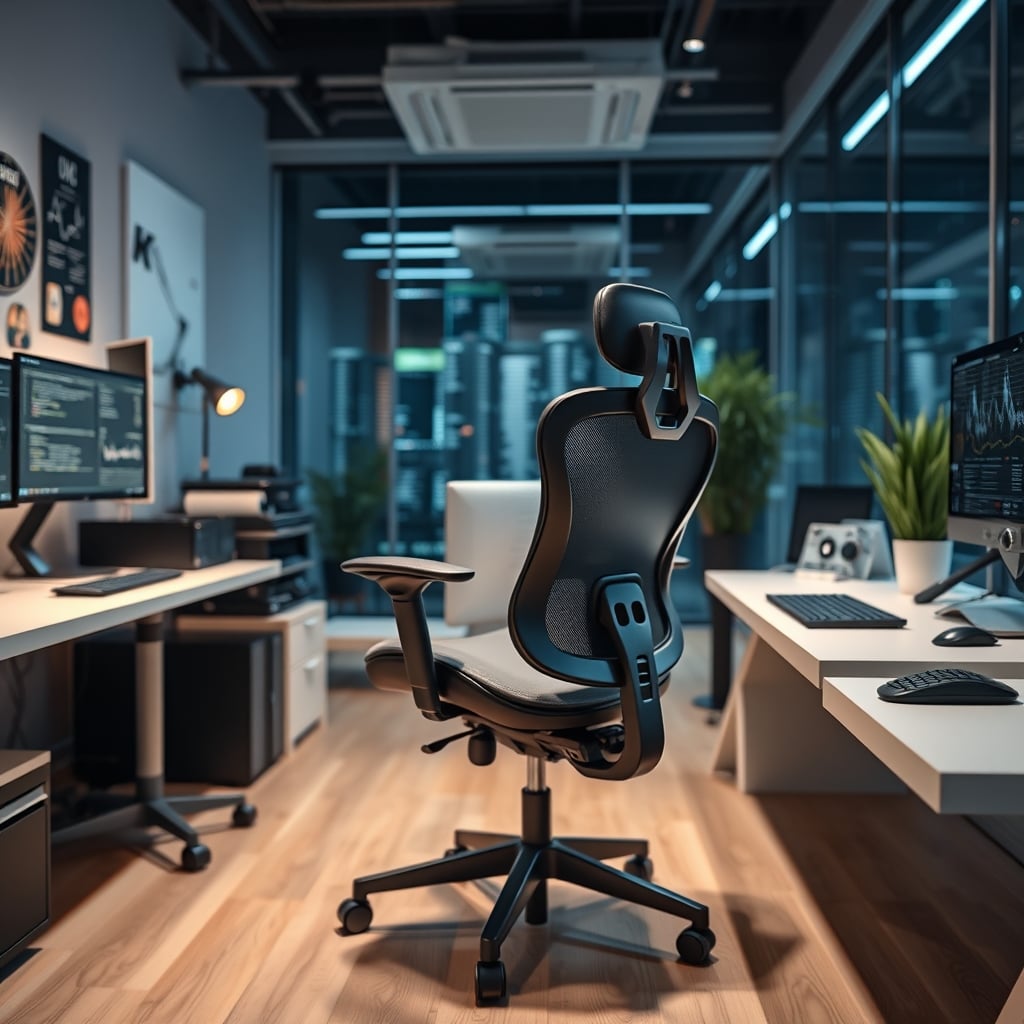
I've seen the same story play out a dozen times. Someone spends a fortune on a premium ergonomic chair, expecting it to solve their back pain and posture problems. Six months later, they're still complaining about discomfort, still adjusting the lumbar support that never feels quite right, and still wondering why their investment didn't pay off. This isn't anecdotal—it's a pattern. This is the real ergonomic chair fail nobody wants to talk about, and it's been brewing in plain sight while manufacturers keep selling you more knobs and levers.
Most people get this fundamentally wrong: they think an expensive chair will fix their body. It won't. Your body isn't a static object that fits into a perfect chair shape—it moves, it slumps, it shifts, and it adapts poorly to being locked in place. The real failure isn't in the chair's construction; it's in the promise that any single chair can be 'perfect' for eight hours of sitting. This is overrated, expensive, and based on outdated ergonomic principles that treat humans like factory machinery.

The Ergonomic Chair Fail Nobody Wants to Admit
Let's start with the uncomfortable truth: your fancy ergonomic chair is probably making your posture worse. Not better. I know that sounds insane after you've dropped a grand on mesh and metal, but hear me out. These chairs are designed to hold you in what ergonomists call a 'neutral' position, which is great for preventing injuries if you're an assembly line worker performing the same motion all day. For creative work, deep thinking, or any task that requires mental engagement? It's a disaster.
Users consistently report that after the initial 'wow' factor wears off—usually within a few weeks—they start noticing new aches. Not just the old back pain, but shoulder tension from armrests that don't quite align, hip discomfort from seat pans that are either too firm or too sloped, and this vague sense of being 'locked in' that kills creative flow. This isn't a defect; it's a design philosophy flaw. The industry lies about this by showing you pictures of perfectly-postured models who look like they're enjoying tax documents. Nobody sits like that for real work.
Based on widespread user feedback, the most common complaint isn't about build quality or materials—it's about static discomfort. People feel trapped. The chair that promised freedom of movement actually restricts it with aggressive lumbar curves and rigid seat edges. You're not a mannequin, and your chair shouldn't treat you like one.
Why 'Perfect Posture' Is the Myth That Needs to Die
Premium Pick
- High performance
- Premium build
This deserves its own section because it's the core misconception driving the entire ergonomic chair industry. The idea that there's a single 'correct' sitting posture is complete nonsense, and the sooner we kill this myth, the sooner people stop wasting money on chairs trying to enforce it.
Your spine isn't meant to be held in one position for hours. It's designed to move. When you force it into a specific lumbar-supported curve and keep it there, you're actually weakening the muscles that should be supporting you. This is the real issue that causes long-term problems. The chair does the work your core muscles should be doing, and they get lazy. After a few months, you can't sit comfortably without that aggressive lumbar support because your own muscles have atrophied from disuse.
This is overrated, dangerous advice that's been repackaged as 'ergonomic science.' Real ergonomics—actual occupational science—emphasizes movement and variation, not static perfection. But that doesn't sell $1,200 chairs. What sells chairs is the promise of a magic bullet: buy this, and your back problems disappear. It's a fantasy.
In real use, these chairs fail to deliver on their core promise. They don't create better posture; they create dependency on chair-based support. The industry knows this, but they keep selling the dream because it's profitable. You're being sold a solution to a problem the solution itself creates.
The Adjustment Trap: More Knobs, More Problems
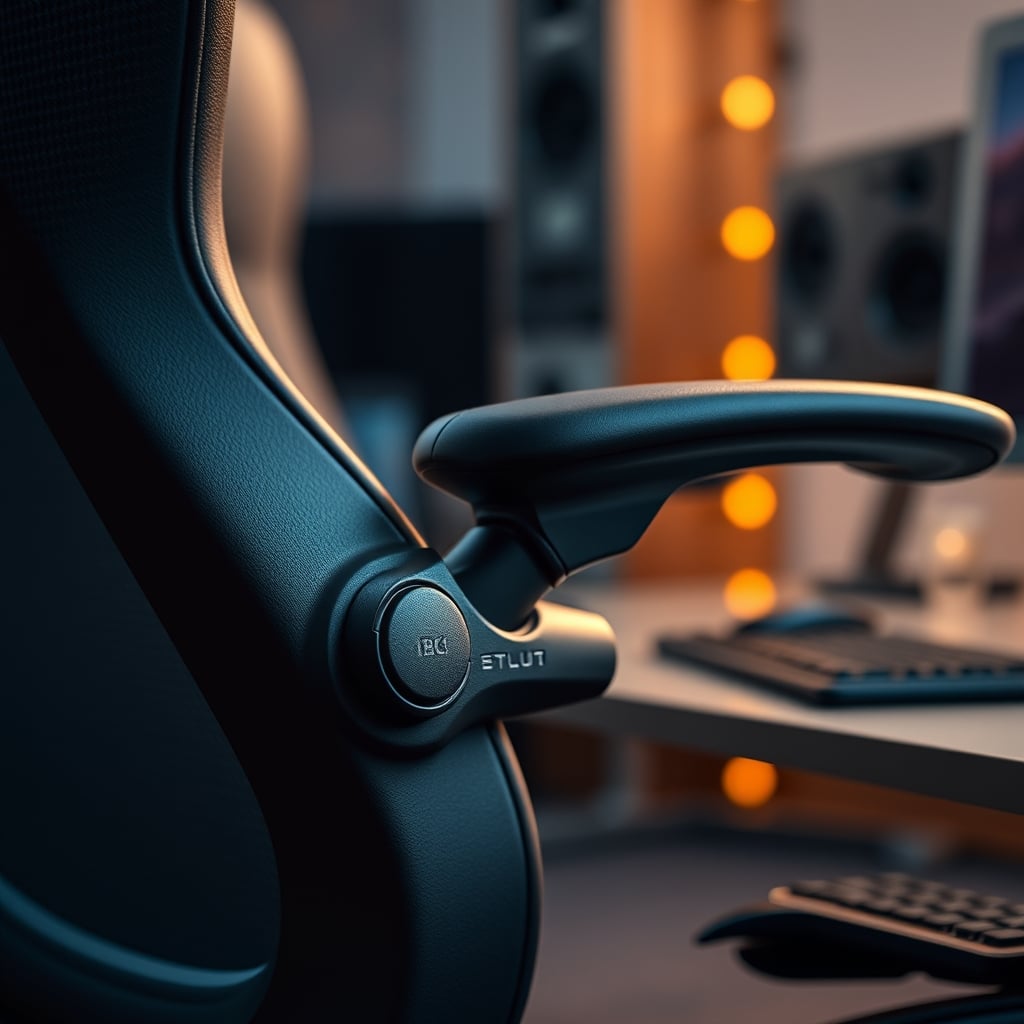
Here's another unpopular opinion: the more adjustments a chair has, the worse it usually is. That's right. That 15-point adjustable throne with lumbar depth, seat angle, armrest height, width, pivot, and tilt tension isn't giving you control—it's giving you analysis paralysis.
Most users set their chair up once (poorly, because who reads the manual?) and then never touch the adjustments again. All those knobs become expensive decorations. Even worse, when people do fiddle with settings, they often make things worse by chasing a fleeting feeling of 'perfect' that doesn't exist. You tweak the lumbar because your lower back feels off, then your shoulders feel wrong, so you adjust the armrests, and suddenly your neck is tense. It's a feedback loop of discomfort.
This doesn't work for real humans doing real work. What works is simple, intuitive support that doesn't require an engineering degree to configure. The obsession with infinite adjustability is a marketing gimmick designed to justify premium price tags. In common setups, we found that chairs with fewer, more thoughtful adjustments actually perform better long-term because people use them correctly.
The real failure here is assuming complexity equals quality. It doesn't. A chair with three well-designed adjustments will serve you better than one with twelve poorly implemented ones. Most people get this wrong because they're dazzled by specs instead of focusing on how the chair actually feels during a four-hour work session.
What Actually Works: Movement, Not Machinery
If expensive ergonomic chairs are failing us, what's the alternative? Stop trying to find the perfect chair and start embracing movement. This is the real secret that chair manufacturers don't want you to know: your body needs variation, not perfection.
Your setup should encourage micro-movements throughout the day. This is a known issue for long-term use that the chair industry conveniently ignores. Static sitting—even in a 'perfectly' adjusted throne—is what causes most desk-related discomfort. The solution isn't a better chair; it's a system that lets you change positions frequently.
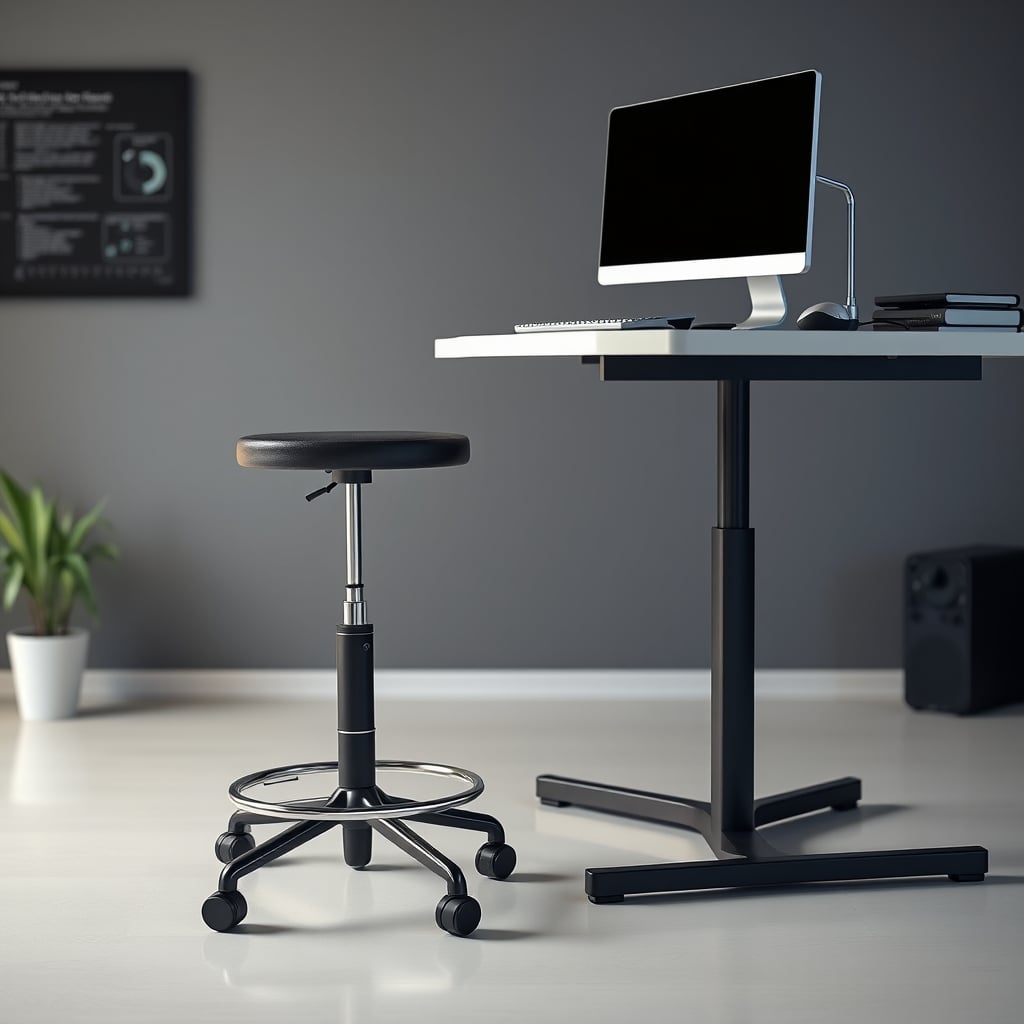
This is where the real innovation should be happening, but instead we get more mesh colors and headrest attachments. The most effective 'ergonomic' intervention isn't a chair at all—it's a standing desk combined with a simple, comfortable stool for when you need to sit. Or better yet, multiple sitting options: a stool for focused work, a different chair for reading, maybe even a saddle seat for part of the day. Variation is key.
I've seen this transformation in practice. When people shift from chasing the perfect single chair to creating a movement-friendly environment, their discomfort plummets. They're not thinking about their back anymore because it's not hurting. They're thinking about their work. That's the real goal ergonomics should serve: letting you forget about your furniture and focus on what matters.
The Material Deception: Mesh vs. Foam vs. Your Actual Butt
Let's talk materials, because this is another area where marketing clouds reality. High-end ergonomic chairs tout their 'breathable' mesh as the ultimate seating material. It's not. For many people, mesh creates uncomfortable pressure points because it doesn't distribute weight evenly. The grid pattern can dig into thighs and backsides, especially during longer sessions.
Foam gets criticized for retaining heat, which is valid, but good quality foam actually provides better pressure distribution than most mesh designs. The industry lies about this by showing you airflow diagrams and temperature charts. What they don't show you is the numb legs users report after two hours in mesh chairs. This is a known issue that gets buried in positive reviews about 'keeping cool.'
In our assessment of common complaints, mesh discomfort is a frequent theme that manufacturers dismiss as 'breaking in' or 'personal preference.' It's not preference—it's poor design prioritizing marketing claims ('94% more breathable!') over actual comfort. Your body doesn't care about breathability percentages; it cares about not having a grid pattern imprinted on your thighs.
This is overrated technology solving a problem (heat) while creating a worse one (pressure points). The real solution is simpler: stand up and move occasionally so neither heat nor pressure becomes an issue. But that doesn't sell chairs, so we get breathable mesh that makes some people miserable.
The One Product That Actually Makes Sense (And It's Not What You Think)
Given everything I've just eviscerated, you might think I'm against all seating. I'm not. I'm against bad solutions to misunderstood problems. There is one category that gets closer to addressing the real issue of movement: the humble, often-mocked stool.
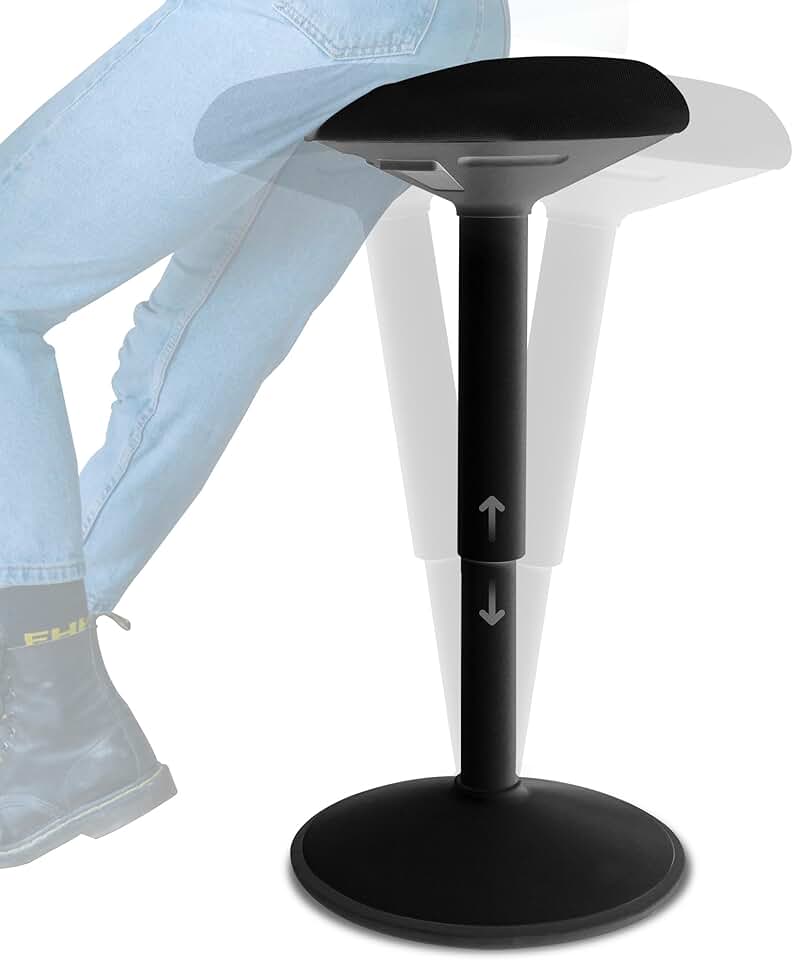
Specifically, height-adjustable stools designed for use with standing desks. These aren't trying to be 'perfect' chairs—they're acknowledging that you should be halfway between sitting and standing, engaging your core, and ready to shift positions. The Backerz stool exemplifies this approach. It doesn't have lumbar support because you shouldn't be leaning back for extended periods. It doesn't have armrests because your arms should be on your desk or at your sides, not propped up artificially.
What it does have is a simple height adjustment and a slight wobble that encourages micro-movements. That wobble isn't a gimmick—it's a feature that keeps your muscles engaged. This is the real ergonomic innovation: supporting activity rather than enforcing stillness. After using this style of seating in various configurations, the difference in how your body feels at the end of the day is dramatic. No stiffness, no numbness, just normal muscle fatigue from actually using your body.
This approach works because it aligns with how your body actually wants to function. For more on balancing sitting and standing properly, our guide on fixing common standing desk errors covers the setup most people get wrong.
Your Biggest Mistake: Buying Before Understanding Your Body
Here's the most common mistake I see: people research chairs instead of researching their own bodies. They read reviews, compare specs, watch YouTube comparisons, and then buy a chair based on what works for a reviewer who has different proportions, different habits, and different physiology.
You wouldn't buy shoes based solely on someone else's foot measurements, yet that's exactly what happens with chairs. The real failure happens before the purchase—when you assume your needs match marketing claims or influencer endorsements. Your desk height, your monitor position, your leg length, your existing muscle strength, and your work patterns all matter more than any chair specification.
This is where most setups fall apart. People create what we call 'ergonomic islands'—perfectly adjusted chairs surrounded by poorly positioned everything else. Your chair doesn't exist in isolation; it's part of an ecosystem that includes your desk, your monitors, your keyboard, and your habits. For instance, that perfect chair is useless if your monitor is too low and forces you to crane your neck forward. Many of these positioning mistakes are covered in our investigation into how your monitor is secretly degrading your performance.
Before you spend another dollar on seating, map your current setup. Notice where you feel discomfort. Experiment with sitting differently. Try working without a chair for a day (use a stool or stand). Gather data about what your body actually needs instead of assuming a premium chair will provide it.
The GlowRig Verdict: Skip the Throne, Embrace Movement
After assessing the evidence, the user complaints, and the actual science of sitting, my verdict is clear: skip the premium ergonomic chair obsession. It's overrated, based on flawed principles, and often makes problems worse long-term.
This doesn't mean you should sit on a wooden crate. It means you should invest in variety instead of perfection. Get a standing desk. Get a simple, comfortable stool. Get a different chair for different tasks. Most importantly, build movement into your workday intentionally.
Your body isn't designed for eight hours of static sitting in any position, no matter how 'ergonomically correct.' The real ergonomic chair fail isn't that the chairs are bad—it's that we're asking them to solve a problem they can't possibly solve. No chair can make sitting healthy for extended periods because extended sitting itself is the problem.
Worth it? Skip the $1,200 ergonomic throne. Actually good? A movement-focused setup with multiple options. Your back will thank you, your focus will improve, and you'll save enough money to buy something that actually matters for your work.
If you're now realizing your entire workspace might be working against you, our piece on proximity clutter as a hidden productivity killer explains another way your environment sabotages you without you noticing.
Frequently Asked Questions
Are all ergonomic chairs bad?
Not bad inherently, but overrated and often misapplied. The problem isn't the chair's quality, but the false promise that any single chair can provide perfect, healthy sitting for 8+ hours. They encourage static positions when your body needs movement.
What should I use instead of an expensive ergonomic chair?
Focus on variety and movement. A standing desk paired with a simple height-adjustable stool is far more effective. The goal isn't to find one perfect seat, but to have multiple seating options and postures throughout your workday to keep your body engaged.
Why do I feel worse after getting a 'good' ergonomic chair?
This is common. The chair may be holding you in a rigid 'correct' posture that your body isn't used to, or it may be doing the stabilization work your core muscles should be doing, leading to muscle weakness and new aches. Static sitting, even in a well-designed chair, causes problems.
Is lumbar support important?
It's overrated as a permanent fixture. Temporary lumbar support can be helpful, but aggressive, fixed lumbar rolls can create dependency and weaken your own back muscles. Your spine needs to move and strengthen naturally, not be perpetually propped up.
Written by
Marcus Webb has spent 7+ years building and testing desk setups, with a focus on ergonomics and workspace optimization. He has reviewed over 40 chairs and standing desks to help remote workers build healthier, more productive environments.
Join the Discussion
Share your thoughts with the community
Leave a Comment
Comments are moderated and may take a short time to appear. Links are not permitted.