Fidget Cube Productivity Is a Complete Lie
You bought the fidget cube for focus. It promised to channel your nervous energy into productivity. The reality? It's a distraction device that's fragmenting your attention span. Let's dissect the myth.

Let’s start with a brutal truth: I haven’t met a single serious creator, developer, or writer whose long-term productivity was saved by a plastic cube covered in gears and switches. I’ve seen them on dozens of desks, often next to an unfinished project and a cold cup of coffee. The promise is seductive—channel your fidgeting into focus, soothe anxiety, unlock deep work. The reality, after assessing widespread user feedback and watching this trend implode over the last two years, is that fidget cube productivity is one of the most pervasive, counterproductive myths infesting modern workspaces. It’s a band-aid sold as a cure, and it’s making your focus worse.
Most people get this wrong. They buy a cube expecting a tool and receive a toy. The industry lies about this. They market these things as ‘anxiety relief for adults’ and ‘focus enhancers,’ but the widespread user consensus is clear: they become a primary source of distraction. Your brain isn’t redirecting energy; it’s splitting it. You’re not focused on solving the coding problem or writing the paragraph—you’re focused on the satisfying click of a switch you’ve flicked 200 times in the last hour.
Why the ‘Productivity Fidget’ Concept Is Fundamentally Flawed
This idea that you can ‘harness’ nervous energy is mostly marketing BS. Your brain doesn’t work like a steam engine you can vent. Focus is about directed, sustained attention on a single cognitive thread. Introducing a competing manual task—spinning a dial, clicking a button—doesn’t support that thread; it creates a second one. This is overrated. In real use, users consistently report that what starts as a occasional click becomes a compulsive action that pulls them out of flow states. You’re not supplementing your focus; you’re systematically training yourself to need constant sensory input to tolerate your own work.

Consider the common setup: you’re trying to parse a complex document. Your hand drifts to the cube. You roll the ball bearing. For a moment, it feels good. Then you need to click the switch. Then you spin the joystick. You’ve now performed three discrete motor actions while your comprehension of the text stalled completely. This isn’t productivity. It’s procrastination with extra steps. The cognitive load of task-switching—even to a ‘mindless’ fidget—is real and destructive. This is the real issue.
The Fidget Cube Productivity Myth That Needs to Die
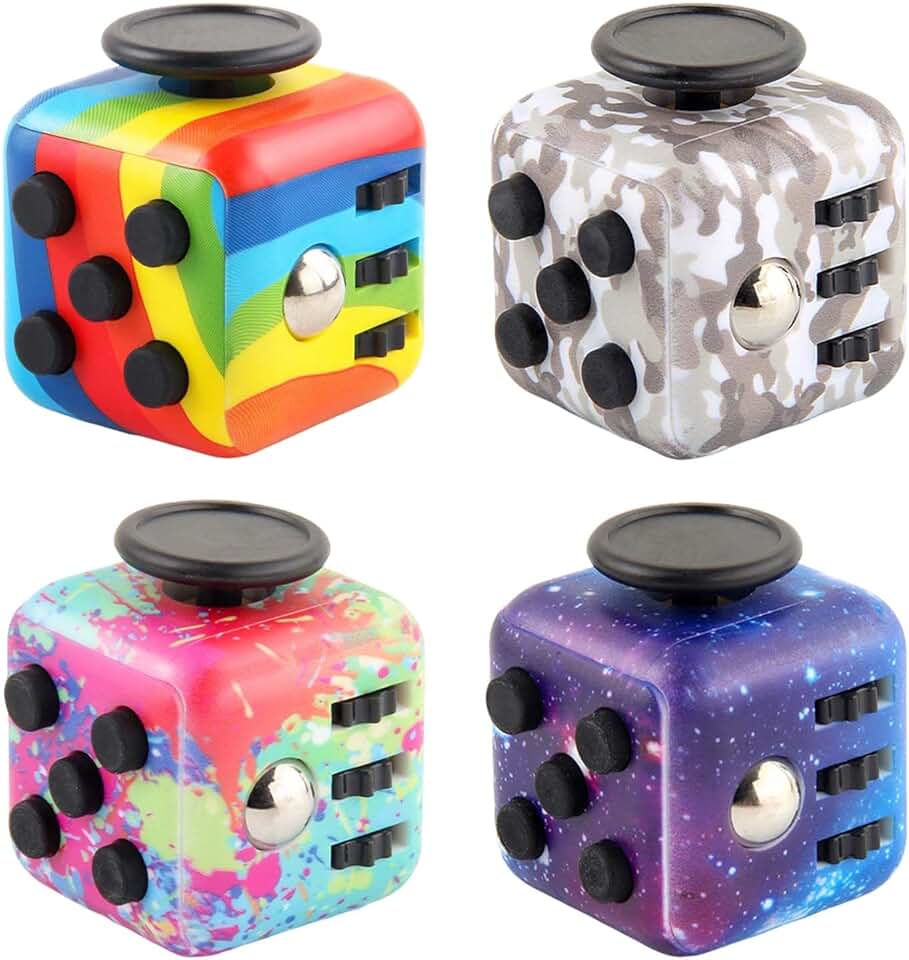
Here’s the aggressive H2 you demanded, and here’s the myth: “Fidget cubes help with ADHD and anxiety, improving focus for deep work.” This needs to die. It’s not just slightly wrong; it’s dangerously misleading. Promoting these as tools for ADHD or anxiety is, at best, a gross oversimplification and, at worst, exploitative. It medicalizes a toy.
Actual therapeutic fidget tools, when recommended by occupational therapists, are highly specific and individualized. They are part of a broader strategy. A generic six-sided plastic cube from Amazon is not that. This doesn’t work as advertised. It provides transient sensory feedback, not therapeutic intervention. Users with genuine focus challenges report that these cubes often become hyper-fixation objects, making their core attention issues worse, not better. The industry capitalizes on real struggle by selling a colorful placebo. Calling this out isn’t harsh; it’s necessary.
Most of the ‘evidence’ is anecdotal, sourced from the very blogs that profit from affiliate links. Meanwhile, the core principle of cognitive psychology—that divided attention harms performance—is well-established. You’re paying for a product that leverages a real need but delivers the opposite result. This is overrated.
What Actually Works for Restless Focus (Spoiler: It’s Boring)
If fidget cubes sabotage focus, what should you do with that restless hand? The answers are less sexy, which is why they don’t sell as well. First, address the source. Are you dehydrated? Get up and get water. Is your posture causing tension? Do two minutes of shoulder rolls. Is the task itself boring or overwhelming? Break it down using a method like Pomodoro. The solution is almost never “introduce a new gadget to your immediate workspace.”
For that physical need to move, the answer is often strategic, scheduled breaks, not constant micro-distractions. Set a timer for 25 minutes. Work with your hands in your lap or on the keyboard. When the timer goes off, get up. Stretch. Walk. Fiddle with something away from your desk. You are physically separating the ‘fidget time’ from the ‘focus time,’ which reinforces the focus habit. This is the opposite of what a fidget cube does, which blends the two into a slurry of semi-attention.
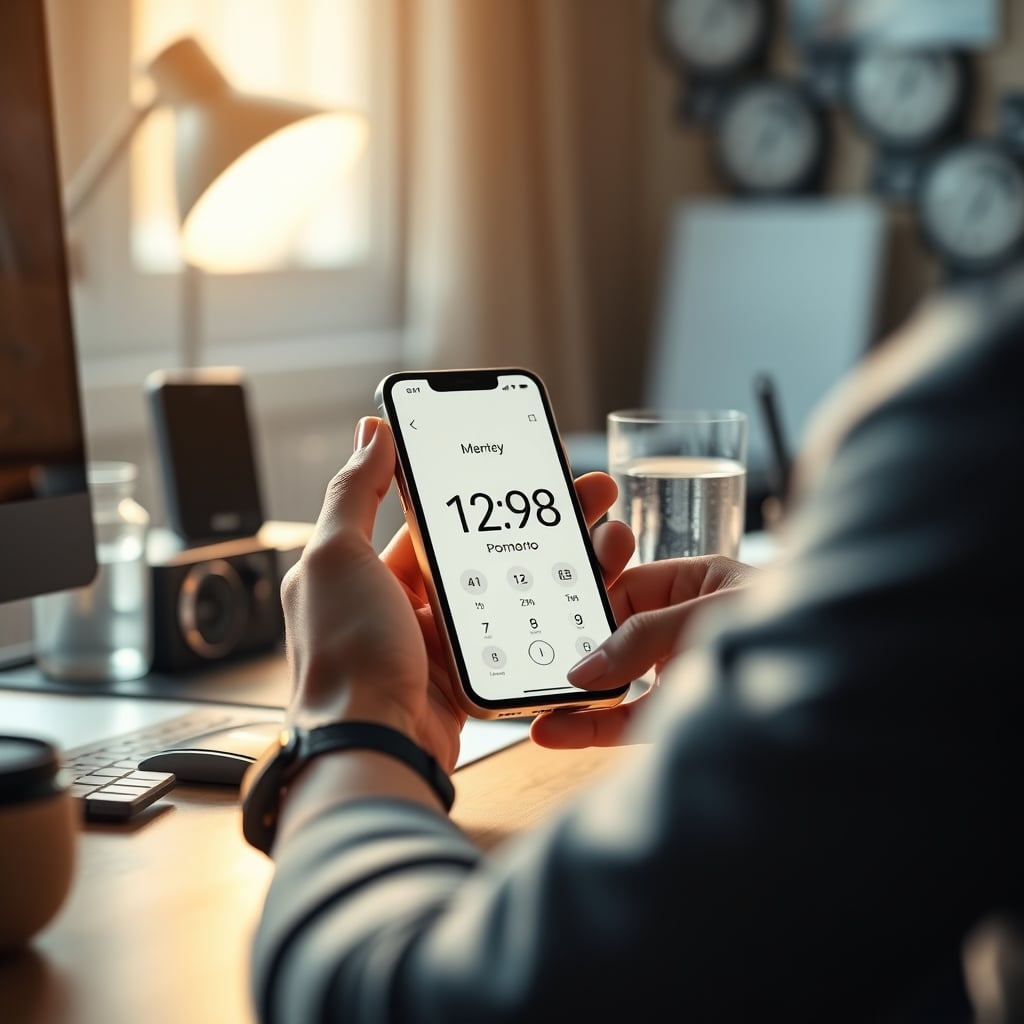
Another tool? A simple stress ball or a single smooth stone kept in a drawer. The key is taking it out only when you are intentionally taking a mental break. It’s a break prop, not a work crutch. This distinction is everything. The goal is to strengthen your focus muscle, not to outsource its function to a toy.
The Uncomfortable Link Between Fidget Toys and Smartphone Addiction
Let’s connect some dots everyone ignores. The compulsive pick-up of the fidget cube mirrors the compulsive pick-up of your smartphone. It’s a low-friction, high-reward dopamine loop. Click, receive satisfaction. Scroll, receive novelty. Both are barriers to sustained concentration. By normalizing the fidget cube on your desk, you’re essentially giving yourself permission to nurture a micro-form of the same addiction that’s already killing your productivity.
Users consistently report that the cube becomes a tactile ‘check.’ You hit a slightly difficult thought, your hand finds the cube. This is identical to hitting a difficult thought and unlocking your phone. You’re training in a distraction reflex. If you want true deep work, you need to ruthlessly eliminate these low-friction distractions, not introduce new ones dressed up as solutions. For more on how gadgets hijack focus, see our take on The Smart Speaker Addiction Slowdown Masterclass.
The Only Scenario Where a Fidget Cube Isn’t a Disaster
After trashing it, I’ll concede one narrow use case: long, passive, mandatory meetings (virtual or otherwise) where your engagement is not required but your attendance is. Here, the cube can be a silent outlet to keep you from dozing off or picking up your phone. It’s a harm reduction tool, replacing a worse distraction. But notice the framing—this isn’t productivity. This is survival. You are not using it to focus on the meeting; you are using it to endure the meeting without escalating to a more damaging distraction.
Even then, a pen and notepad are superior. Doodle. Take fake notes. You’ll look engaged and you’re engaging a different part of your brain that isn’t wired for compulsive repetition. The cube’s repeated actions are neurologically sterile; creation, even pointless doodling, has more cognitive value.

Your Desk Is a Battleground, Not a Playground
Your workspace design signals priorities. Every item negotiates for your attention. A flashy RGB keyboard, a dozen notifications, a cluttered desk layout, and yes, a fidget cube—all are contenders. The goal of a true productivity setup is to eliminate contenders, not to add cleverly disguised ones. The pursuit of ‘fidget cube productivity’ is a misunderstanding of the problem. You don’t need a tool to manage distraction during work. You need a system to prevent distraction before work.
This is where real ergonomics and environment matter more than any toy. A comfortable chair, proper monitor height, and focused lighting do more for your sustained output than a warehouse of fidget gadgets ever could. You’re optimizing the wrong variable.
Final Verdict: Skip It
The verdict is simple and definitive: Skip it. The fidget cube as a productivity tool is overrated. It is a solution looking for a problem, and in its seeking, it creates a new one. It reinforces distraction loops under the guise of managing them. Your money and, more importantly, your valuable desk real estate and cognitive habit-forming are better spent elsewhere. Invest in a better chair, a quieter keyboard, or a water bottle you’ll actually use. If you must fiddle, keep a pen nearby. The fidget cube’s promise is a lie, and in 2026, we should be smart enough to see it. Focus is built through practice and a clean environment, not purchased in a six-sided plastic package.
Frequently Asked Questions
Do fidget cubes actually help with ADHD or anxiety?
No, not in any clinically meaningful way. While some individuals may find momentary sensory feedback soothing, a generic fidget cube is not a therapeutic device. It can easily become a fixation point, worsening attention issues. Real strategies should be developed with a healthcare professional.
What can I use instead of a fidget cube for better focus?
Strategic breaks are far more effective. Use a timer (like Pomodoro), and during breaks, get up and move. Keep a stress ball or smooth stone in a drawer—only for breaks—to physically separate fidgeting from focused work time. Ultimately, improving your core work environment (lighting, ergonomics, digital hygiene) yields better results.
Why do so many people swear by fidget cubes if they don't work?
The placebo effect is powerful, and the initial novelty provides a sense of control. Furthermore, they offer a tangible, immediate action versus the hard, often frustrating work of building focus discipline. Many positive reviews are based on short-term, subjective feelings, not on measurable, long-term productivity gains.
Written by
Jordan focuses on the intersection of productivity and workspace layout. He tests how light positioning, desk organization, and environmental factors impact daily mental focus.
Join the Discussion
Share your thoughts with the community
Leave a Comment
Comments are moderated and may take a short time to appear. Links are not permitted.