Eco Desk Mat Problems Are Sabotaging Your Setup
You bought the eco-friendly desk mat for the vibes. Now it's warping, staining, and smelling like a forgotten compost bin. The sustainable promise is a lie, and your setup is paying the price. This is the real story of eco desk mat problems in 2026.
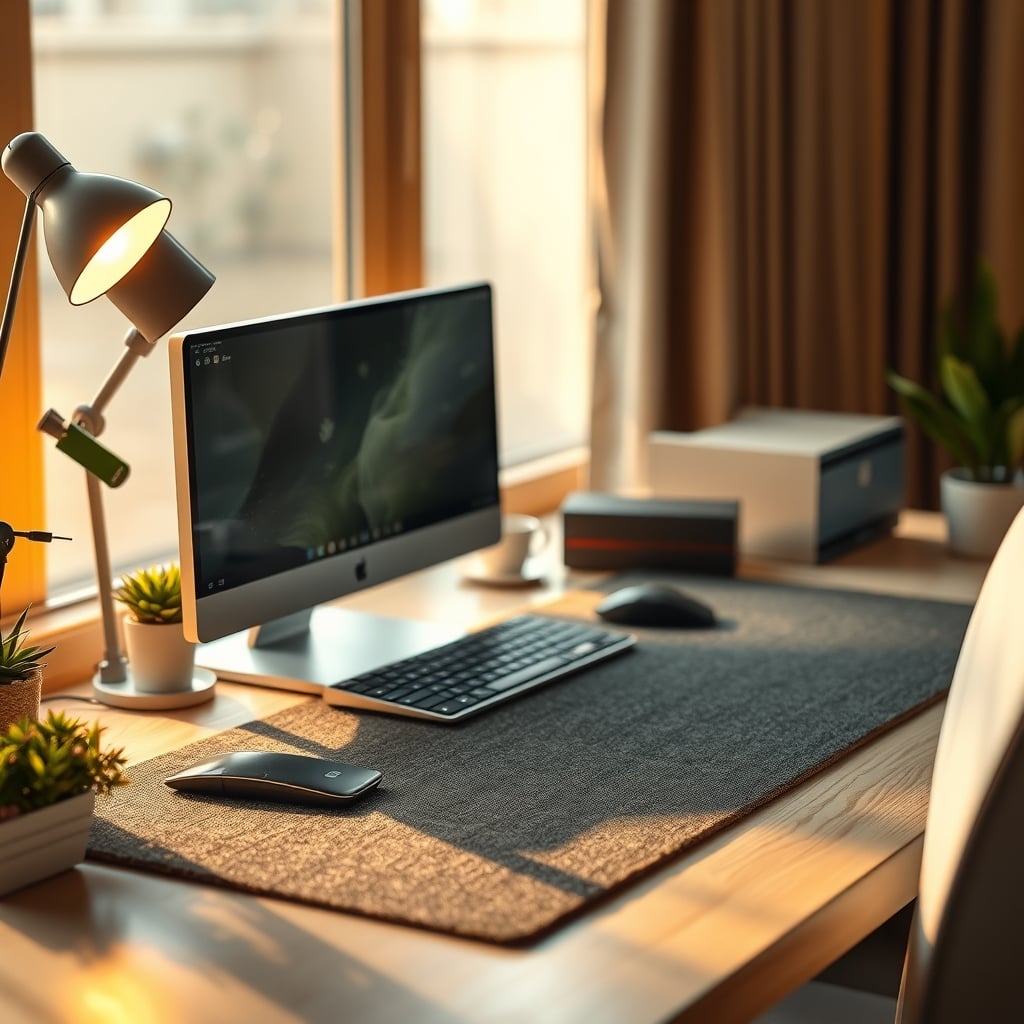
I bought the beautiful, wheat-straw desk mat because the marketing photos looked like a Scandinavian dream. It promised a guilt-free surface that would return to the earth. After six months, it hasn't returned to the earth—it's just returning to a state of disgusting decay on my desk. The texture went from pleasant grain to sticky pulp. A single coffee spill didn't wipe clean; it soaked in, leaving a permanent brown map of my clumsiness. This isn't sustainability; it's planned obsolescence dressed in hemp. If you're dealing with eco desk mat problems, you're not alone—you've been sold a beautiful lie.

The core issue isn't your carelessness. It's that the entire category is built on a fundamental mismatch. Your desk is a high-traffic combat zone of electronics, pressure, and spills. A material designed to decompose is, by its very nature, terrible at resisting decomposition. Users consistently report the same timeline: great for a month, okay for two, and a warped, discolored mess by season three. The industry sells you on the idea of being green while delivering a product that fails at its primary job: being a reliable desk surface. This is overrated. You're wasting money on a temporary decoration masquerading as functional gear.
The Material Myth: Why "Natural" Doesn't Mean Better
Here’s the brutal truth the aesthetic blogs won't tell you: your desk isn't a zen garden. It's a utility surface. The push for cork, recycled rubber, bamboo fiber, and compressed plant composites ignores a simple fact: these materials are structurally inconsistent. Based on widespread user feedback, cork mats develop permanent dents under monitor stands. Bamboo surfaces splinter along the grain after a year of mouse movement. That beautiful, raw-edge felt mat? It's shedding microfibers into your keyboard and cup of water every single day.
This is the real issue. We've conflated looking natural with being performant. A premium synthetic leather or high-density rubber pad offers predictable, uniform performance. It wipes clean. It lays flat. It doesn't change its properties with humidity. Your eco mat, however, is a living, breathing variable. On a humid summer day, it can expand enough to push your keyboard off the edge. This isn't character; it's a defect. The industry lies about this by calling it "unique variation." No. A warped surface that won't lay flat is a failed product.
Why The Biodegradable Promise Is A Desk-Top Disaster
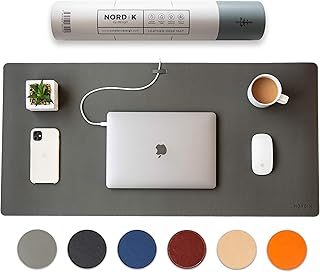
Users wanting a permanent, high-quality surface that ages well.
- Full-grain leather develops a patina
- Lies completely flat with weighted corners
- Naturally spill-resistant and easy to clean
Let’s attack the biggest myth head-on. You bought this mat because you liked the idea of it composting in your backyard, not clogging a landfill. That’s a noble intention poisoned by reality. First, most "compostable" mats require industrial composting facilities—the kind that handles municipal green waste—not your backyard pile. They won't break down in a home compost bin within any reasonable timeframe, if at all.
Second, and this is critical, the very property that allows biodegradation is what makes it a terrible desk mat: susceptibility to microbial attack. That faint, earthy smell you notice on a damp day? That's the start. It's absorbing moisture from the air and your skin, creating a perfect micro-environment for microbes. This is a known issue for long-term use. You're not protecting the planet; you're cultivating a petri dish under your wrists. The tactile feel changes because the material is literally breaking down under your daily use. Most people get this wrong. They think they're making an ethical choice, but they're just buying a product with a drastically shorter, messier lifespan.
Eco Desk Mat Problems: The Unspoken Aesthetic Betrayal
This is where the pain really hits. You chose this mat for its color, its texture, its visual warmth. The marketing sells a permanent, rustic vibe. The reality is a color-fading, stain-collecting, shape-shifting nightmare. Plant-based dyes are notoriously fugitive. That lovely moss green or terracotta brown will fade unevenly where sunlight hits it, leaving a blotchy, two-toned rectangle. Spills don't bead up; they penetrate instantly, leaving rings and spots that no amount of gentle cleaning can fix.
Your beautiful, minimalist setup becomes defined by its one decaying element. The mat becomes the focal point for all the wrong reasons. It’s a lesson in forced impermanence. While your metal monitor arm, glass desk, and plastic keyboard will look the same for years, your "sustainable" centerpiece will announce its age and decline every single day. This doesn't work. The promise of a natural aesthetic is a short-term loan with a very ugly payment due. For a deeper dive on how decor choices manipulate your focus, see how ambient lighting psychology is manipulating your focus.
The Performance Sacrifice Nobody Talks About
Let’s move past the looks and into function. A desk mat has jobs: provide a consistent mouse glide, dampen sound and impact, protect your desk, and stay put. Eco mats fail at most of them. Mouse sensor performance on rough, natural textures is inconsistent. One day it glides, the next it stutters over a raised fiber. The anti-slip rubber backing on many eco mats is often a lower-grade, recycled compound that loses its grip over time, leading to constant readjustment.
Compare this to a purpose-built mat. A high-quality cloth or hybrid surface is engineered for consistent glide. A premium rubber base is formulated to grip the desk permanently. These are solved problems that the eco category has reintroduced in the name of materials. You are trading proven, reliable performance for a vague environmental benefit that often doesn't materialize. This is overrated. It's a step backward in desk tech, dressed up as a step forward for the planet. It’s similar to the false promises we exposed about posture sensor accuracy being a lie you keep buying.
What Actually Works: A Sustainable Approach That Doesn't Suck
If you care about sustainability—and you should—the answer isn't buying a product designed to fail. It's buying a product designed to last. The single most eco-friendly thing you can do is purchase a durable, high-quality desk mat that you will use for a decade, not a compostable one you'll replace in two years. The carbon footprint of manufacturing and shipping a new mat every other year dwarfs that of a single, long-lived product.
Look for mats made from durable, recyclable materials. A pure wool felt mat from a reputable brand, for instance, is naturally biodegradable at its true end-of-life but is incredibly durable and long-lasting. A high-grade natural rubber mat (not the cheap recycled blend) will outlive your desk. The goal is longevity, not decomposition. Invest in something you won't need to think about. Your setup's cohesion depends on stable foundations, not disposable centerpieces.
The One Eco Mat Alternative That Might Not Disappoint
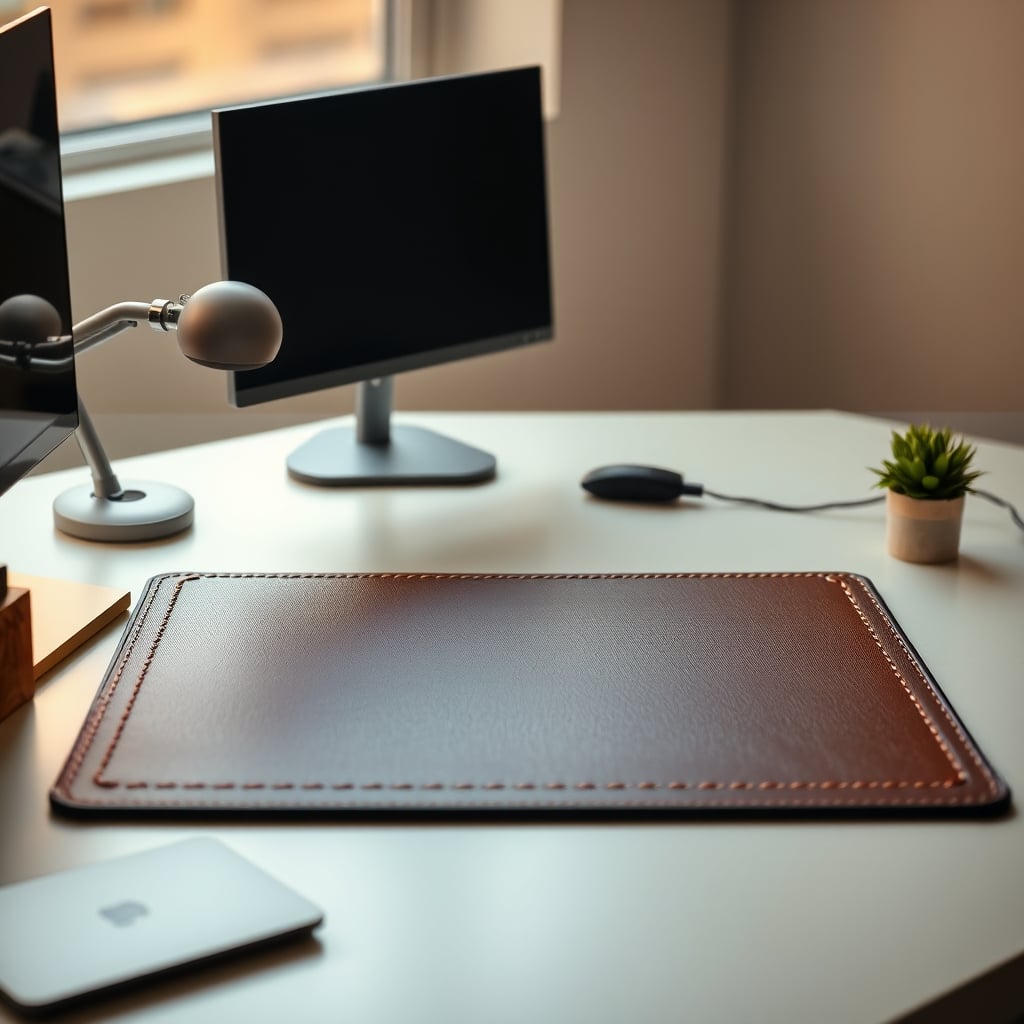
After sifting through the greenwashed garbage, one category occasionally stands up: heavy, full-grain leather desk mats. Now, hear me out before you scream about cows. A leather mat is a byproduct of the food industry. It isn't creating additional demand. A well-made one develops a patina—it gets better with age, telling the story of your work. It doesn't warp. It doesn't absorb spills the same way porous plant fibers do. It can last literally a lifetime, becoming a permanent fixture of your desk. It’s the antithesis of disposable. This is the real sustainable choice: buy once, cry once, and never deal with crumbling edges or fungal smells again. For a product that understands this ethos of material honesty, the Nordik Leather Desk Mat represents this philosophy. It’s not trying to be something it’s not; it’s just a solid, lasting surface.
Your Setup Deserves Better Than A Temporary Prop
Your desk is a command center. Every item on it should serve a purpose and serve it reliably. Introducing a component with a built-in expiration date is an act of self-sabotage. The constant cycle of noticing new stains, fighting curls, and feeling the texture degrade pulls your focus from your work to your workspace's decay. It's a subtle, chronic distraction you don't need.
Embrace materials that are honest about their function. If you want natural warmth, get a real wood desk. If you want texture, add a stone or ceramic accessory. Don't ask your primary work surface to carry the entire aesthetic and ethical burden of your setup. It's a tool, not a token. This is a lesson that applies across your setup, just like understanding why your dedicated focus workstation is sabotaging you.
Final Verdict: Skip It
The compostable, plant-based, eco desk mat trend is a failure. It prioritizes a marketing story over real-world performance and ends up delivering the worst of both worlds: questionable environmental benefit and guaranteed functional decline. The problems—warping, staining, degrading texture, and inconsistent performance—are not bugs; they're features of the chosen materials. You deserve a desk surface that supports your work, not one that constantly reminds you of its own mortality. In 2026, we know better. Stop buying temporary solutions for a permanent need. Skip it entirely and invest in something permanent.
Frequently Asked Questions
What are the most common eco desk mat problems?
The most consistent problems are permanent warping or curling edges, deep staining from liquid spills that won't clean, a degrading or changing surface texture over time, and a faint musty odor caused by moisture absorption in natural fibers.
Are compostable desk pads actually better for the environment?
Often, no. Most require industrial composting facilities, not home bins. The frequent replacement cycle (every 1-2 years due to failure) creates more manufacturing and shipping waste than a single durable mat used for 5+ years.
What should I look for instead of an eco desk mat?
Prioritize durability and longevity. Look for high-quality materials like pure wool felt, full-grain leather, or high-density synthetic rubber that offer consistent performance, easy cleaning, and a multi-year lifespan. True sustainability is buying once.
Written by
Maya is an enthusiast for biophilic workspace design. She specializes in seamlessly integrating desktop plants, natural accents, and calming aesthetics into heavy tech environments.
Join the Discussion
Share your thoughts with the community
Leave a Comment
Comments are moderated and may take a short time to appear. Links are not permitted.