DIY Microphone Disaster Is Sabotaging Your Setup
Scouring forums for a cheap mic hack is the fastest way to ruin your audio. The DIY microphone disaster isn't a badge of honor—it's a lesson in wasted effort and terrible sound. We're cutting through the hype to explain why your homemade condenser mic is overrated.
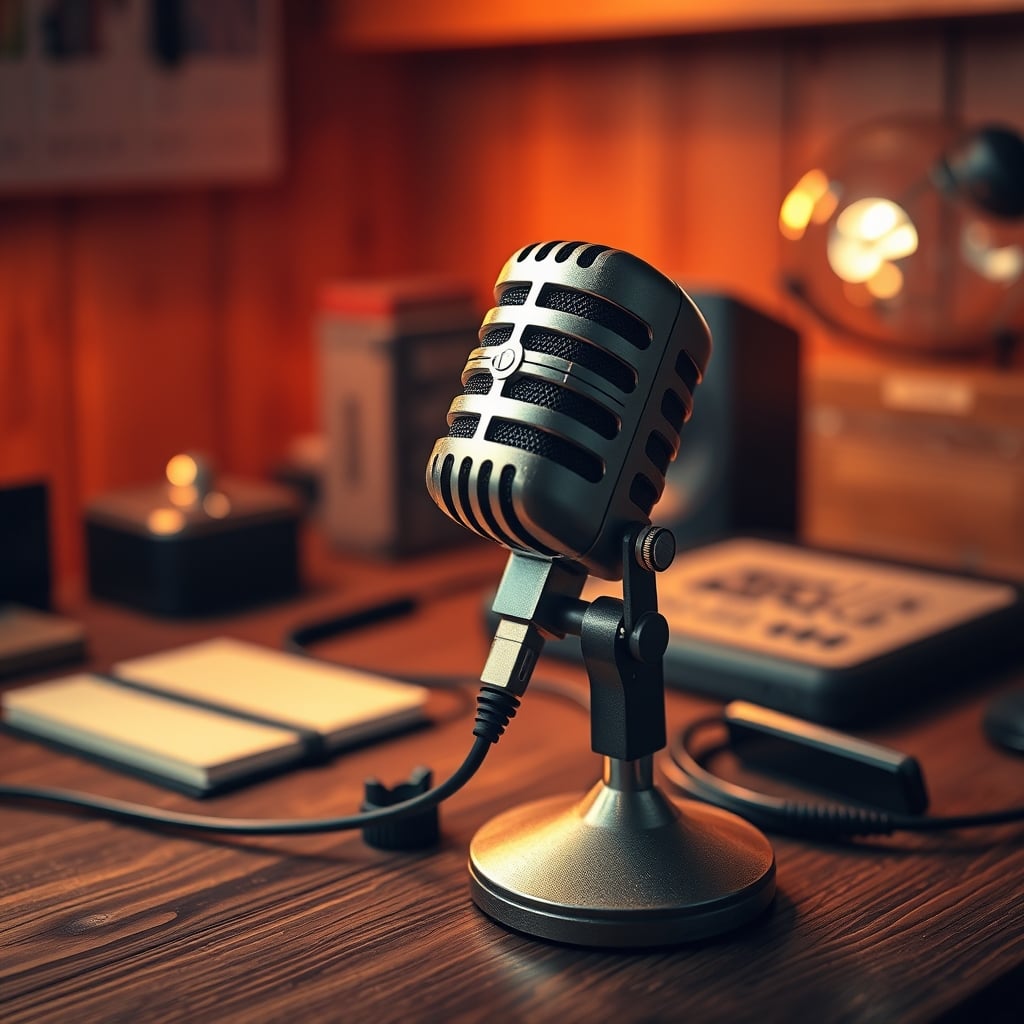
The biggest mistake you can make in desktop audio isn't buying the wrong gear—it's believing you can outsmart engineers with duct tape and forum posts. That belief is the root of every diy microphone disaster. This isn't about creativity; it's about chasing a ghost of value that doesn't exist. The reality, after seeing countless failed attempts and listening to the resulting audio garbage, is that you're not building a sleeper hit. You're building a liability. The internet is littered with guides that promise studio quality for $30, but they conveniently leave out the part about constant noise-floor hiss, erratic gain staging, and a total lack of reliability. This pursuit is overrated, and it's time we killed the myth.
The Anatomy of a DIY Microphone Disaster
Let's dissect the corpse. A typical DIY mic project involves salvaging a capsule from a broken lavalier, wiring it into a cheap USB audio board from an online marketplace, and cramming it into a pop filter meant for a real microphone. The immediate appeal is obvious: cost. The long-term reality is a mess. You'll spend hours, not minutes, troubleshooting a ground loop hum that wasn't in the tutorial. The self-noise of that scavenged capsule will be so high that to get a usable signal, you'll crank the gain, which amplifies the hiss of your USB board's terrible preamp. This is a known issue for long-term use—components not designed to work together create unpredictable impedance mismatches. You're not getting a warm, vintage character. You're getting a thin, noisy, and brittle sound that screams "amateur hour." Most people get this wrong. They think soldering a few wires is the hard part. The hard part is achieving consistent, clean audio, and your DIY rig categorically cannot do that.
Why "DIY for Character" Is a Complete Lie
Premium Pick
- High performance
- Premium build
The most persistent myth, the one that needs to die today, is that DIY microphones give you "unique character" or "vintage warmth." This is marketing-grade cope for bad sound. A microphone's character comes from deliberate, engineered choices in its capsule design, transformer selection, and circuit topology. What you're calling "character" is actually distortion, phase inconsistency, and a collapsed frequency response. Your hacked-town circuit isn't adding pleasant harmonic saturation; it's adding intermodulation distortion and a 60Hz power hum. Based on widespread user feedback, these projects consistently fail in real-world recording environments. They're unusable for voiceovers because of plosive issues the DIY shock mount can't handle. They're useless for streaming because the noise gate has to work so hard it chops off the starts of your words. The industry lies about this by romanticizing the tinkerer. The truth is, no professional audio engineer would touch these signals with a ten-foot XLR cable. They're a nightmare to mix.
What Actually Works: The 2026 Signal Chain Reality
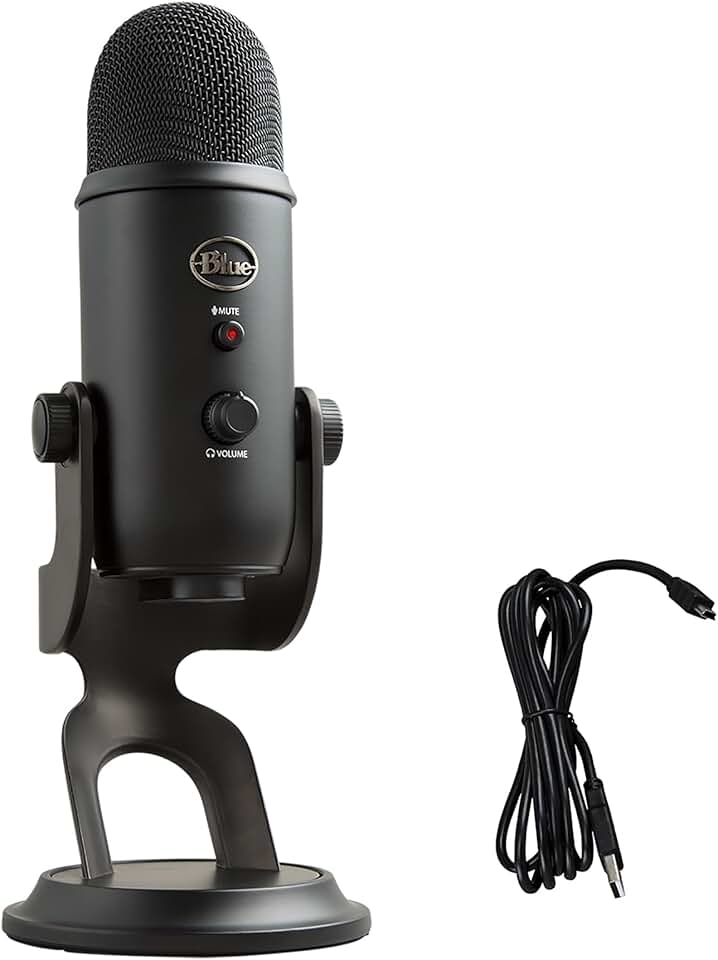
Forget building a microphone. Your focus should be on the signal chain. A clean, simple path from a decent transducer to your computer is worth infinitely more than a Frankenstein's monster of parts. In 2026, the value proposition has shifted. A proper, inexpensive USB dynamic microphone like the ZealSound Podcast Microphone or an XLR dynamic mic paired with a solid entry-level audio interface will demolish any DIY condenser in reliability and real-world sound quality. Why? Because the entire system is designed as a unit. The preamp gain is clean, the analog-to-digital conversion is transparent, and the built-in headphone amp lets you monitor without latency. This isn't about specs on a page; it's about plug-and-play consistency. You turn it on, it sounds the same as it did yesterday, and it doesn't pick up the radio broadcast from a taxi down the street. For deeper insight on why your entire audio layout might be flawed, our piece on why your 'perfect' podcast layout is secretly sabotaging your audio quality breaks down common environmental mistakes.
The One Place DIY Isn't Totally Overrated (And It's Not What You Think)
Okay, here’s a contrarian take that actually works: DIY acoustic treatment. Before you spend another dollar on gear, spend it on rockwool, fabric, and wood to build broadband absorbers. This has a measurable, profound impact on your recorded sound by killing room reverb and early reflections. It's a solved-physics problem with clear instructions. Compared to the electrical engineering rabbit hole of mic building, it's straightforward carpentry. The ROI is massive and actually improves any microphone you own. This is the real hack. Channel your DIY energy away from the electronics and into your environment. As we exposed in our acoustic panel effectiveness test, even basic DIY panels outperform most overpriced, decorative foam.
The Verdict: Skip It, Hard
After assessing the wrecks and listening to the results, the verdict is absolute. The entire DIY microphone project path is overrated. You are wasting money on components that will never coalesce into a professional tool. Your time is better spent earning the money to buy a proper entry-level microphone, or dialing in the settings on the decent USB mic you already own. The pursuit is a distraction that makes you feel like you're progressing while your audio quality stands still. This is a skip it. Not a "maybe," not a "for some." It's a definitive waste of effort for anyone whose goal is clear, reliable, professional-sounding audio. Put down the soldering iron and pick up a microphone that works. Your audience will thank you.
Frequently Asked Questions
Can I really build a good USB microphone for under $50?
No. The consistent result is a high noise floor, unreliable connections, and poor frequency response. The cost of quality components alone exceeds a budget USB mic, making the DIY path a false economy.
Aren't DIY mics good for learning about audio?
They teach you about faulty connections and electrical interference, not professional audio principles. You'll learn more about achieving good sound by properly using a reliable commercial microphone and learning about gain staging and acoustics.
What's the biggest problem with DIY microphone capsules?
Impedance matching and self-noise. Salvaged capsules are not matched to the preamp circuit you're using, leading to weak output and a high noise floor that makes recordings unusable for professional purposes.
Is it worth modifying a cheap commercial microphone instead?
Usually not. You'll likely void the warranty for negligible gain. Modern budget mics are highly optimized at their price point. The money and time for mods are better spent upgrading to a better whole product.

Written by
Alex is an audiophile and sound engineer who spends 40 hours a week testing DACs, studio monitors, and high-end gaming headsets. He believes bad audio ruins good games.
Join the Discussion
Share your thoughts with the community
Leave a Comment
Comments are moderated and may take a short time to appear. Links are not permitted.