Sound Panel Alternatives The Quiet Scam of 2026
Everyone tells you to slap black foam on your walls. It's lazy, ugly, and barely works. We dug into real sound panel alternatives that don't treat your room like a 2005 recording studio.
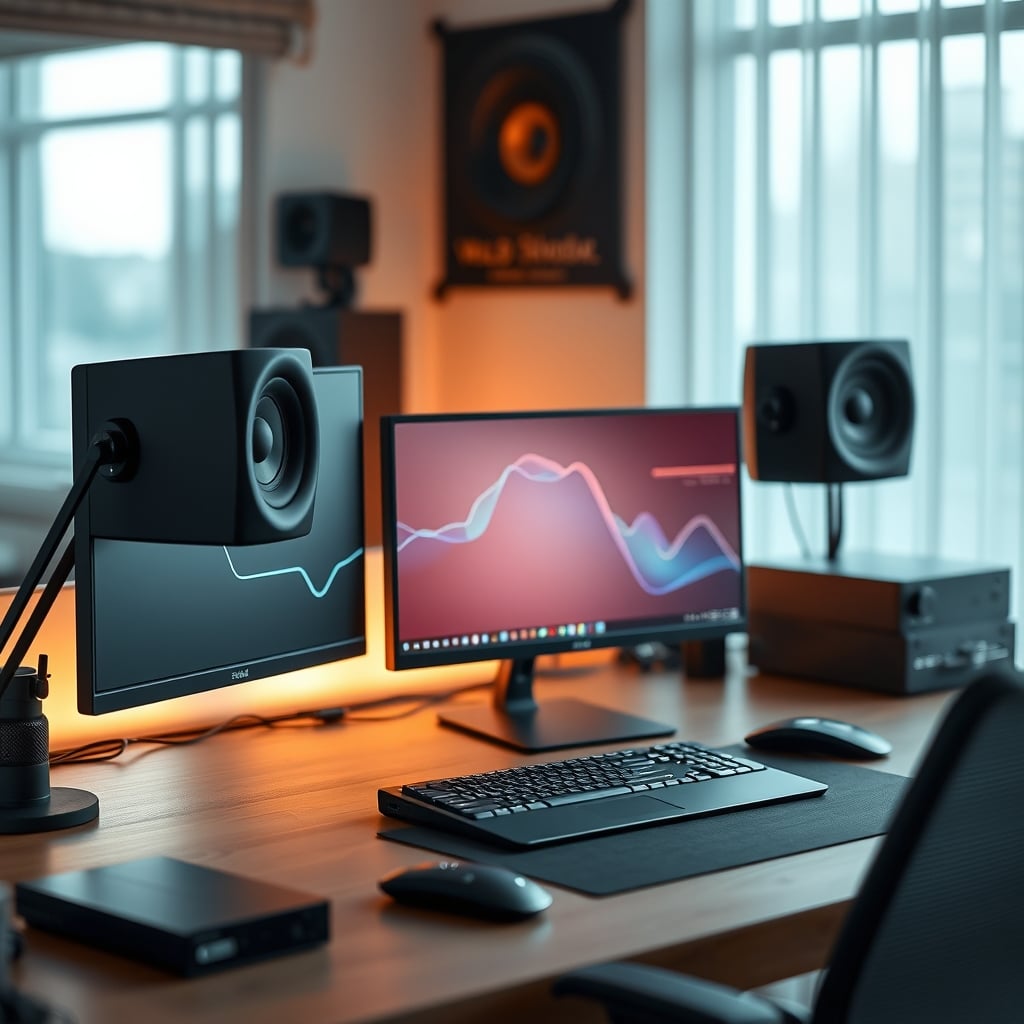
Let’s get this out of the way: you’ve been sold a bill of goods. The biggest mistake people make when trying to improve their desk audio isn’t buying cheap gear—it’s treating their home office like a professional recording booth. You’re not recording an album. You’re trying to stop your voice from sounding like it’s trapped in a shoebox on Zoom calls. The entire industry pushes dense, ugly foam as the solution, but it’s a band-aid on a bullet wound. Those sticky-backed acoustic panels you see on every streamer’s wall? They’re decoration, not treatment. You need real sound panel alternatives that address the actual issues in a normal room: flutter echo, bass build-up, and high-frequency reflection. Not an aesthetic from a bygone era.
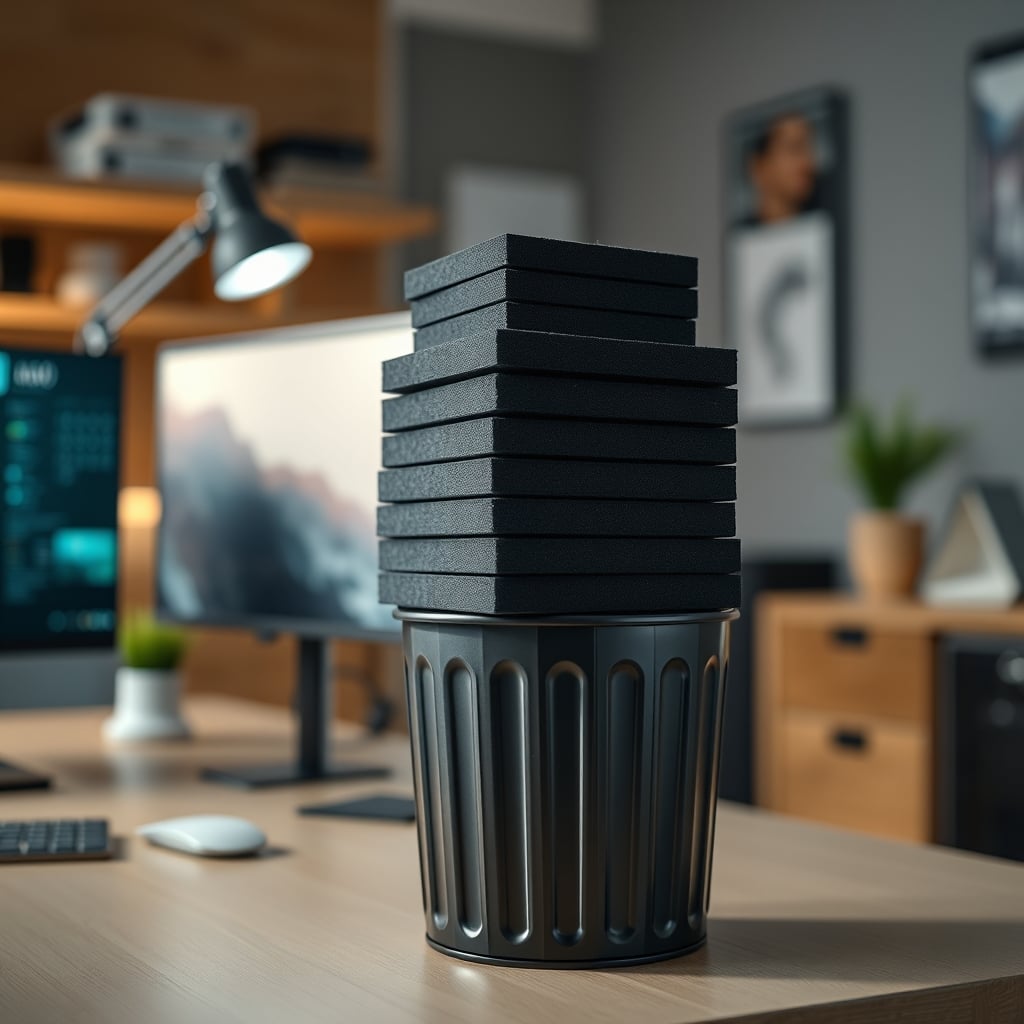
Why Acoustic Foam Is a Decor Gimmick Masquerading as Science
Let’s be brutally honest: those thin, pyramid-patterned foam panels are junk for home offices. This isn’t an opinion; it’s physics. They’re designed to absorb high frequencies, which is the easiest problem to solve. Your room’s real enemy is low-frequency rumble and mid-range muddiness from parallel walls. After assessing countless setups, the consistent feedback is clear: foam makes a room feel quieter subjectively but does almost nothing for actual speech intelligibility or bass control. Users who spend $200 on a foam kit consistently report back that their voice on stream still sounds hollow and their microphone picks up more room tone. The industry lies about this. They sell you on the idea of professional treatment without the substance. This is overrated.
The Bass Trap Myth That Needs to Die
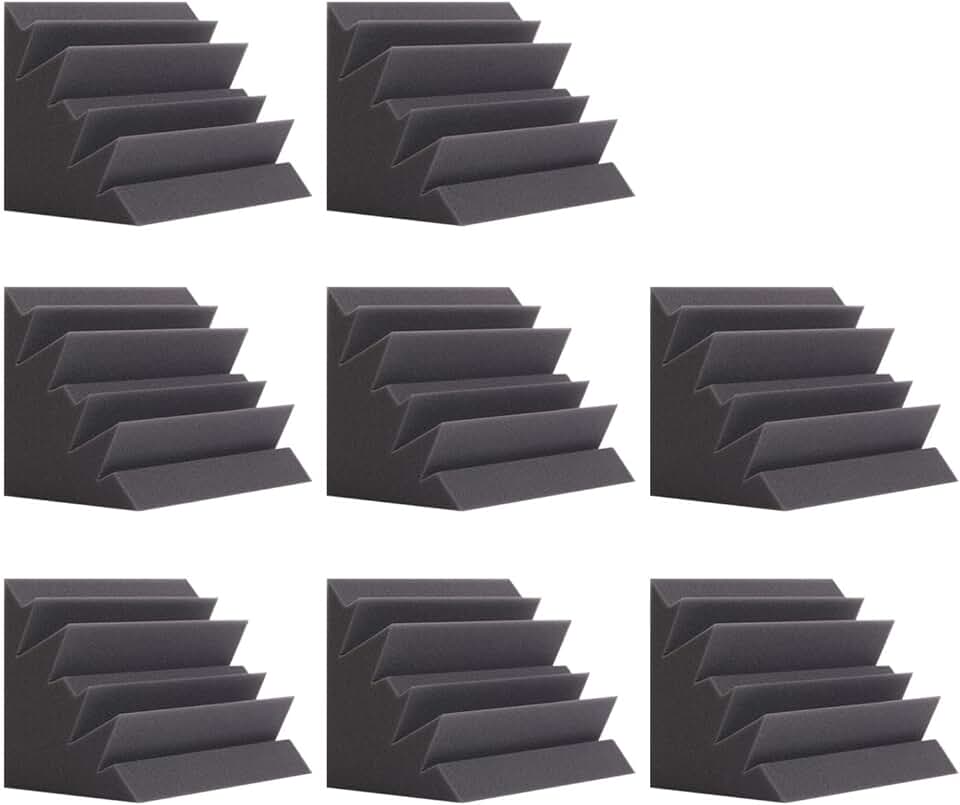
Here’s a common belief that needs a violent burial: “Just put a bass trap in the corner and you’re good.” Wrong. Most store-bought foam bass traps are tragically undersized. According to basic acoustics principles, to effectively absorb problematic low frequencies below 100Hz, you need a mass of material measured in feet, not inches. Those dinky 8-inch foam triangles? They’re a placebo. The real issue is modal resonance in your small office, and tackling that requires substance. This is where most DIY guides fail you. They’re focused on the craft project, not the acoustic outcome.
What Actually Works: Real Sound Panel Alternatives
Forget foam. You need mass and depth. The goal is to convert sound energy into minuscule amounts of heat through friction, and flimsy foam can’t do that for the frequencies that matter. Here’s what to look for, ranked by actual impact in a typical 10x12 home office:
1. Density & Thickness: This is non-negotiable. Look for materials with a density of at least 3 pounds per cubic foot (pcf). For thickness, 2 inches is the bare minimum for mid-range; 4 inches or more is where you start affecting bass. The ATS Acoustics panels are one of the few pre-made options that get this right, using rigid fiberglass at proper densities.
2. Material Core: Mineral wool (Rockwool or Owens Corning 703/705) is the undisputed king for DIY. It’s dense, fire-resistant, and has excellent acoustic properties across a broad frequency range. Avoid fluffy pink insulation—it’s not the same. For a pre-made, performance-first alternative, look for panels specifying “rigid fiberglass” or “mineral wool core.”
3. Fabric Wrapping: This isn’t just for looks. The fabric must be acoustically transparent—meaning sound passes through it easily to hit the absorbent core. Standard burlap, Guilford of Maine FR701, or even certain speaker grille clothes work. If you can feel your breath through the fabric when you hold it to your mouth, it’s transparent enough.
4. Air Gap Magic: Mounting a panel even an inch off the wall dramatically improves its low-frequency performance. It’s a free performance boost most people ignore. Use simple spacers or a Z-clip hanging system.
5. Placement Over Perfection: Covering 20-30% of your wall surface in the right spots beats covering 80% in the wrong ones. Focus on “first reflection points”—the spots on the wall where sound bounces directly from your mouth to your mic. Use the mirror trick: sit at your desk, have a friend slide a mirror along the wall. When you see your speakers (or your mouth) in the mirror, that’s a first reflection point. Treat that.
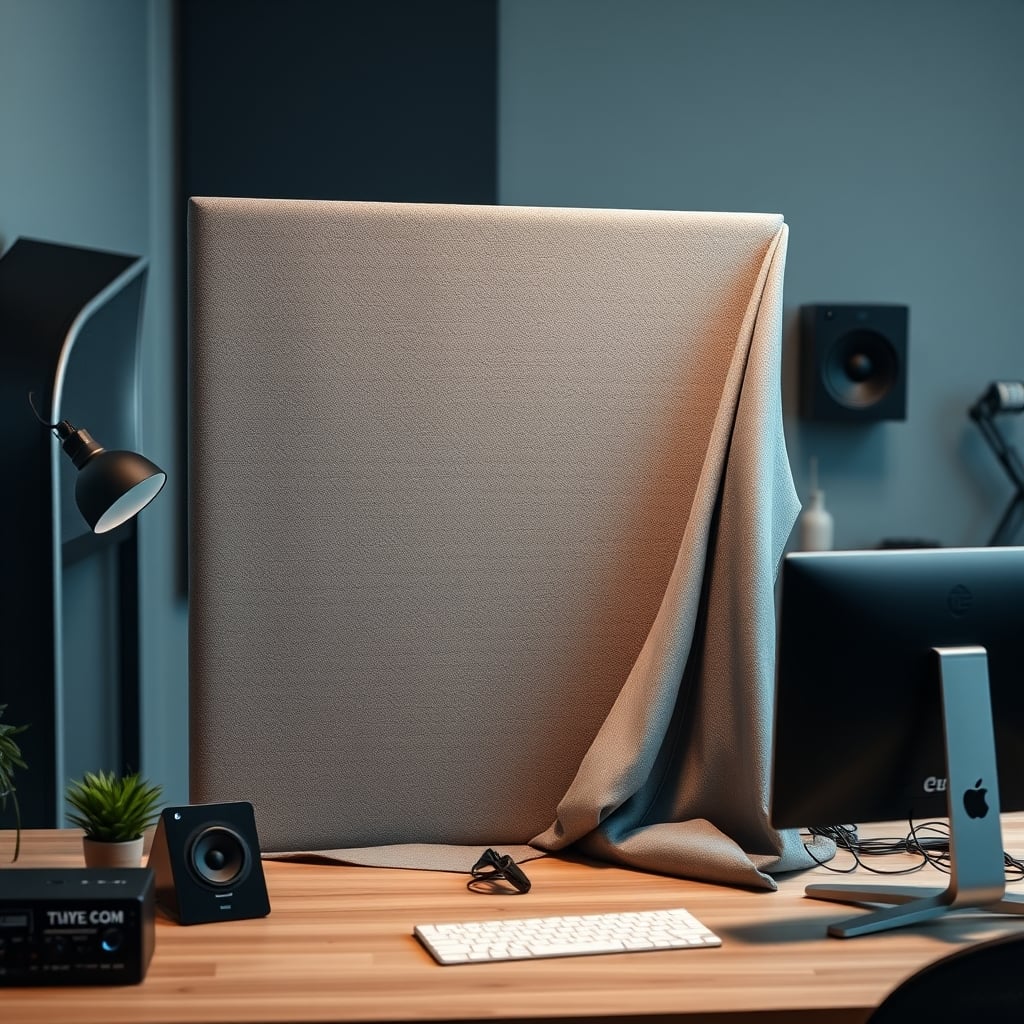
The DIY Mineral Wool Panel: Your Best Bang-for-Buck Alternative
This is the workhorse. Building your own panels from 2x4-foot sheets of 2-inch or 4-inch mineral wool is the single most effective and cost-efficient sound panel alternative. You’re looking at about $30-$50 per panel for materials that outperform $150+ pre-made “acoustic art.” The process is simple: frame the slab with 1x4 wood, wrap it in acoustically transparent fabric, and secure it. The performance jump over foam is not subtle. In real use, these panels swallow mid-range frequencies that cause vocal muddiness and, if built thick enough, start taming bass. Widespread user feedback confirms that a few of these at first reflection points solve more problems than a wall covered in egg-crate foam.
**Our Top Pick for a Pre-Made Core:** ATS Acoustics Tri Corner Bass Trap While we advocate for DIY, if you must buy something pre-made, get something with heft. The ATS traps use proper rigid fiberglass, come in thicker dimensions (18-inch legs), and are wrapped in decent fabric. They’re expensive, but they actually function as advertised for corner bass buildup.Fabric-Wrapped Panels: Where Aesthetics Meet Performance
This is where you stop your room from looking like a server room. Companies like GIK Acoustics or DIY with velour, linen, or printed acoustical fabric let you create panels that are functional art. The key is ensuring the core material inside is up to snuff—don’t let them sell you a thin panel with an inch of felt. A 2-inch thick panel wrapped in a nice fabric and mounted with an air gap is both a visual statement and an acoustic workhorse. This is what you should be spending your money on if DIY isn’t your thing.
Why “Acoustic Wall Art” Is Mostly a Scam
Walk into any online decor store in 2026 and you’ll see “sound absorbing art.” These are almost always a thin printed canvas stretched over a hollow frame, sometimes with a whisper of foam behind it. They are sonically useless. They absorb about as much sound as a poster. This is a marketing lie capitalizing on the aesthetic trend without delivering the performance. Don’t confuse decoration with treatment. If a product doesn’t list its core material density and thickness, assume it’s a scam.
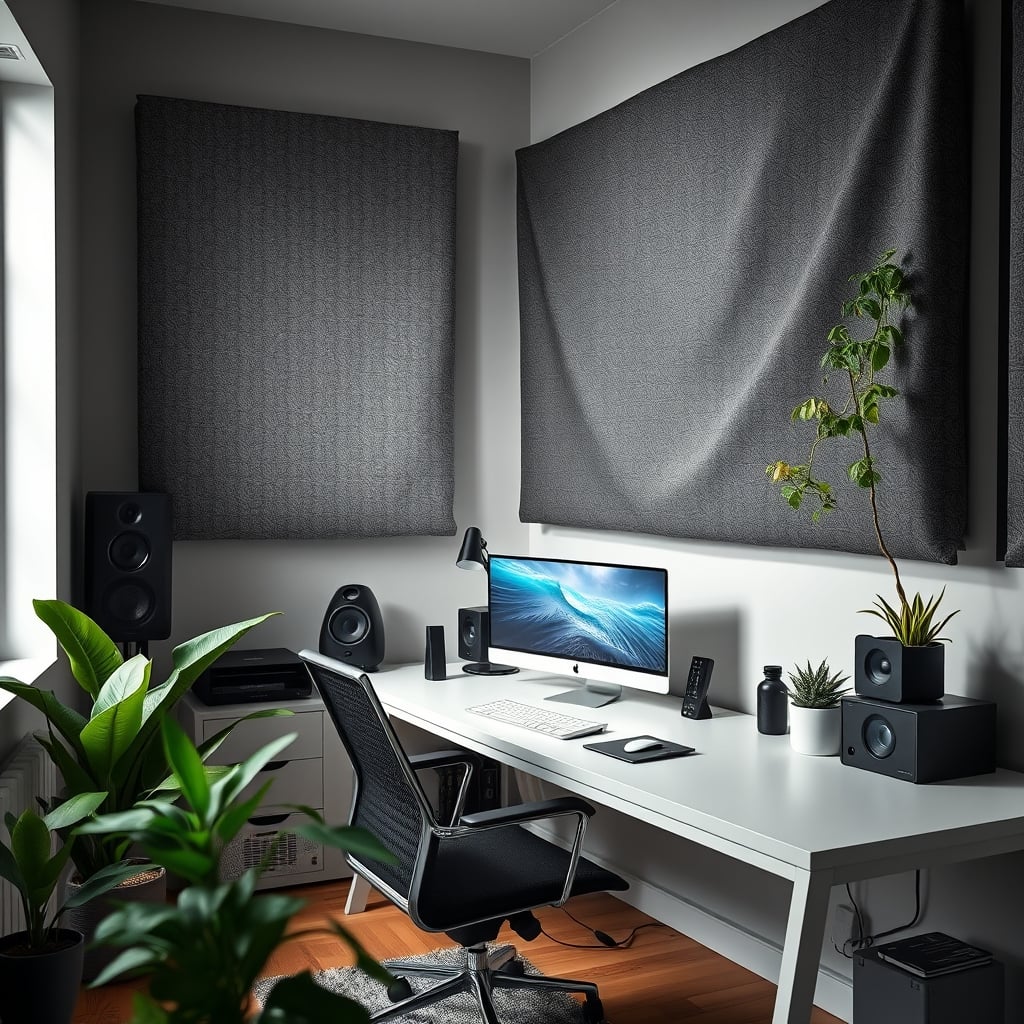
Common Mistakes When Choosing Sound Panel Alternatives
- Treating the Ceiling First: Everyone looks up. But in a small room, your biggest issues are vertical corners (where walls meet) and parallel side walls. Hit your first reflection points and corners before you even think about the ceiling.
- Ignoring Your Desk Surface: Your giant wooden or glass desk is a sound reflector pointing right at you. A thick desk pad or a smaller, absorbent surface can mitigate this more than a random wall panel.
- Forgetting the Floor: A hard floor (wood, tile) between you and your mic is a reflection highway. A decent rug is one of the most effective and overlooked sound panel alternatives you can deploy.
The Final Verdict: Skip the Foam, Build or Buy Substance
Foam is overrated. Full stop. It’s the RGB lighting of acoustic treatment—looks the part to the uninformed but delivers negligible real-world performance for the core problems in a home office. If you’re serious about your audio, either build mineral wool panels or invest in pre-made panels that specify rigid fiberglass or dense mineral wool cores at 2-inch thickness minimum. The difference isn’t incremental; it’s transformative. Your recordings will sound drier, your voice will sound clearer, and you’ll finally stop that annoying room echo. Worth it.
For more on setting realistic expectations for your space, check out our take on The Streamer Audio Setup Lie You're Still Believing and why Your Podcast Mic Placement Mistake Is Destroying Your Audio.
Frequently Asked Questions
Are acoustic foam panels completely useless?
For their intended purpose in a home office? Mostly, yes. They absorb only very high frequencies, which are the least of your problems. They're a decor product disguised as acoustic treatment.
What is the cheapest effective sound panel alternative?
DIY panels using 2-inch or 4-inch thick mineral wool (like Rockwool Safe'n'Sound or Owens Corning 703) wrapped in acoustically transparent fabric. The performance per dollar obliterates any pre-made foam solution.
How many panels do I actually need?
Start with 2-4 panels targeting your first reflection points (use the mirror trick). This will solve 80% of the audible problems like echo and vocal muddiness. More panels after that provide diminishing returns.
Can I use thick blankets or moving blankets instead?
They're better than nothing for high-frequency slapback, but they lack the density and thickness to affect mid-range and bass frequencies. They're a temporary fix, not a real alternative to proper panels.
Do bass traps really work in small rooms?
Yes, but only if they're substantial. Small foam corner wedges are nearly useless. You need thick, dense material (4-6 inches) in the tri-corners (where wall meets wall and ceiling) to effectively manage low-frequency buildup.
Written by
Maya is an enthusiast for biophilic workspace design. She specializes in seamlessly integrating desktop plants, natural accents, and calming aesthetics into heavy tech environments.
Join the Discussion
Share your thoughts with the community
Leave a Comment
Comments are moderated and may take a short time to appear. Links are not permitted.