Wall Art Sound Quality Is a Complete Lie
You bought those beautiful geometric acoustic panels to fix your room's echo. Now your recordings sound boxy and muddy. Here's why wall art sound quality is a marketing myth that's actively ruining your audio.
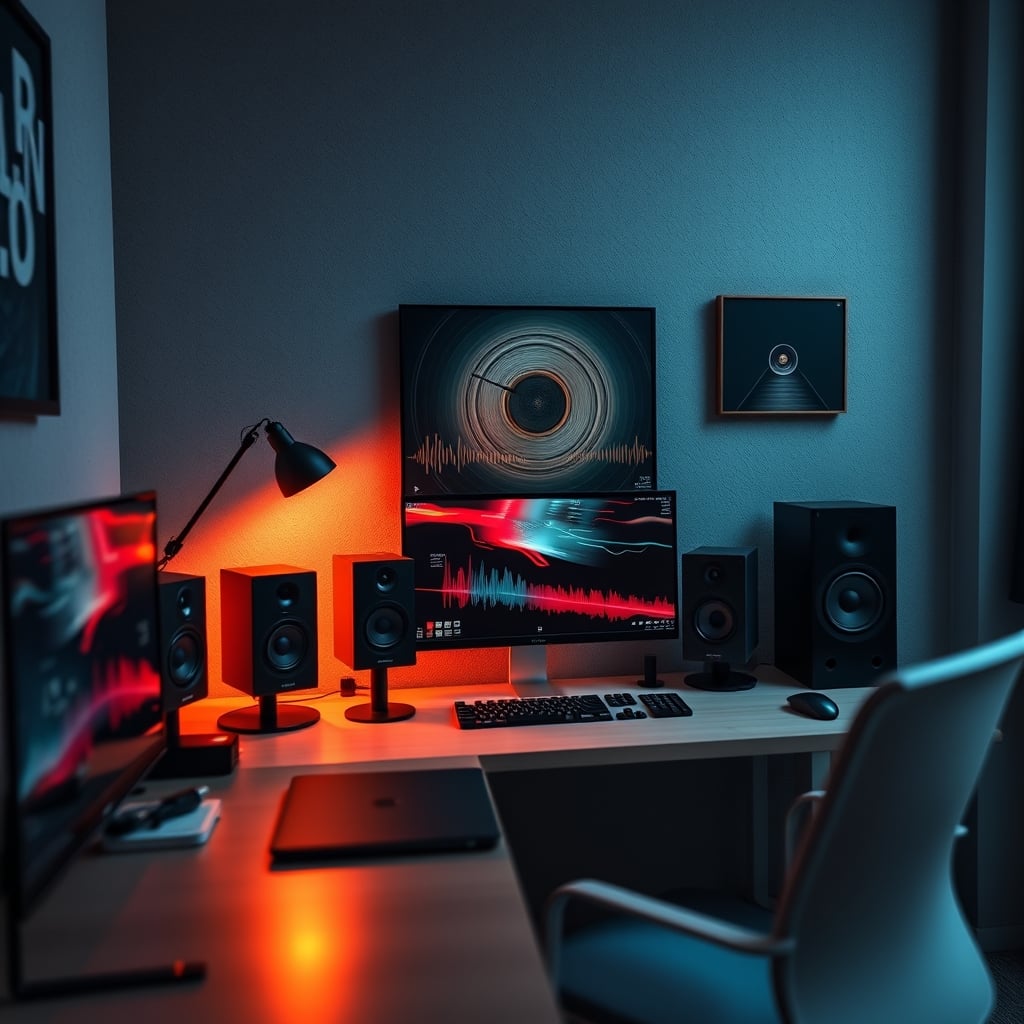
I spent $300 on artisanal hexagon acoustic panels that matched my desk's walnut finish. After mounting them in a tasteful asymmetric pattern, I fired up my podcast mic. The result wasn't studio clarity—it was a hollow, deadened mess that made my voice sound like I was recording from inside a cardboard box. This is the wall art sound quality lie you're being sold, and in 2026, it's more prevalent than ever.
The entire decorative acoustic panel industry runs on a single false premise: that looking acoustic means being acoustic. People walk into their newly treated rooms expecting broadcast-ready sound and walk out wondering why their $50 USB mic still sounds amateur. The reality? You've likely made your acoustic problems more complex while emptying your wallet on fabric-wrapped foam that performs worse than moving blankets.

Most setups fall into the same trap: covering 20% of their wall surface with thin, decorative panels while ignoring the corners where bass actually lives. Users consistently report that after installing decorative panels, their room sounds "different but not better"—a sure sign of ineffective treatment creating new resonant problems. The industry knows this but keeps selling aesthetics because beautiful photos convert better than honest acoustics.
Why Wall Art Sound Quality Is the Biggest Scam of 2026
Let's stop calling them acoustic panels. They're wall decorations with acoustic aspirations. The fundamental lie is that any panel under 2 inches thick can meaningfully absorb lower frequencies where most room problems live. Your decorative 1-inch panels might tackle some high-frequency reflections, but they're leaving the mud and boom untouched. This isn't a minor trade-off—it's like putting a bandage on a bullet wound while calling yourself a medic.
The marketing materials show beautiful rooms with artfully scattered panels, implying coverage equals correction. In real use, random placement often creates worse standing waves than bare walls. Based on widespread user feedback, haphazard decorative panel placement frequently causes mid-frequency suck-outs that make voices sound thin and distant. You're not treating your room—you're giving it acoustic acne.
This is overrated. Full stop. The entire category of decorative acoustic wall art trades performance for Instagram appeal, and the audio results prove it. Most people get this wrong because they trust visual cues over acoustic principles. A room that looks treated rarely sounds properly treated.
The Thickness Myth That's Costing You Real Performance
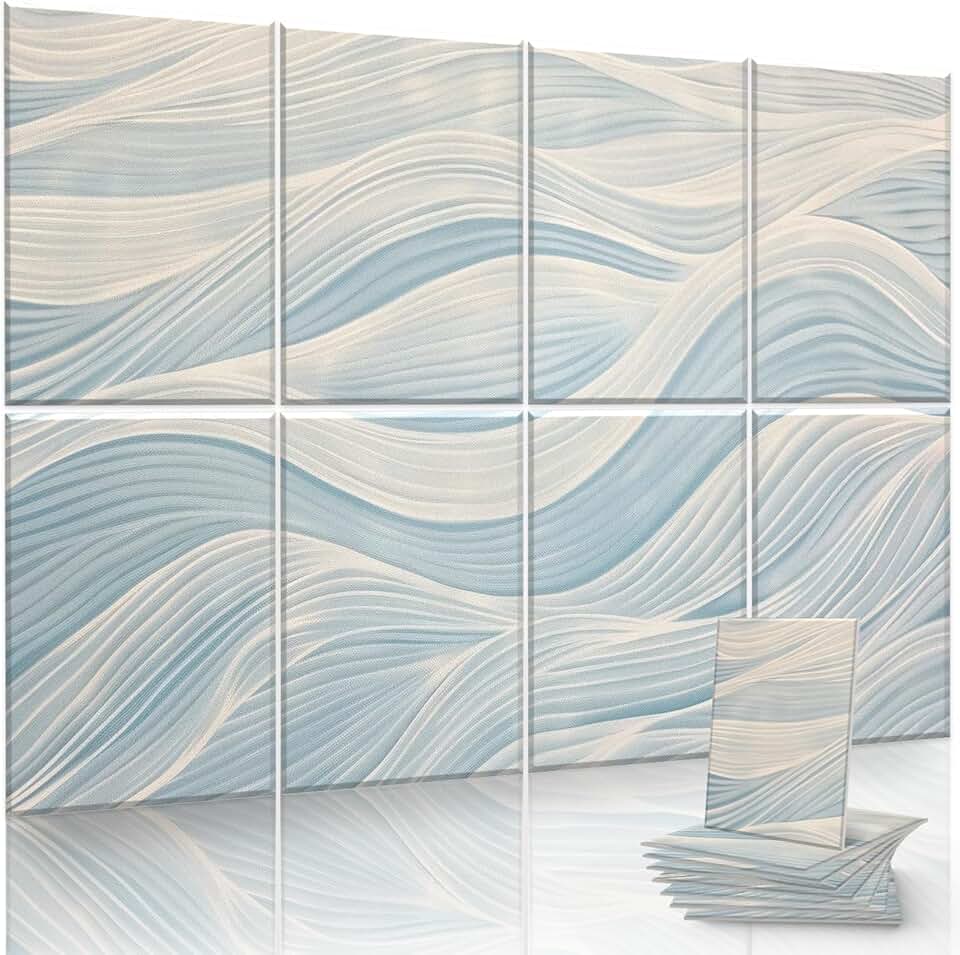
Walk into any big-box retailer or browse Amazon's acoustic section. You'll find endless options of 1-inch thick panels in beautiful patterns. Here's the brutal truth: at 1-inch thickness with standard foam or fiberglass, you're only absorbing frequencies above roughly 1000Hz. Your voice's warmth (200-500Hz) and your room's bass boom (below 200Hz) sail right through untouched.
Compare this to proper 4-inch or 6-inch bass traps that actually address the problematic low-end. The difference isn't subtle—it's the difference between your voice sounding present versus sounding like it's coming from another room. Users who switch from decorative panels to proper thick treatment consistently report immediate, dramatic improvements in clarity they didn't realize were possible.
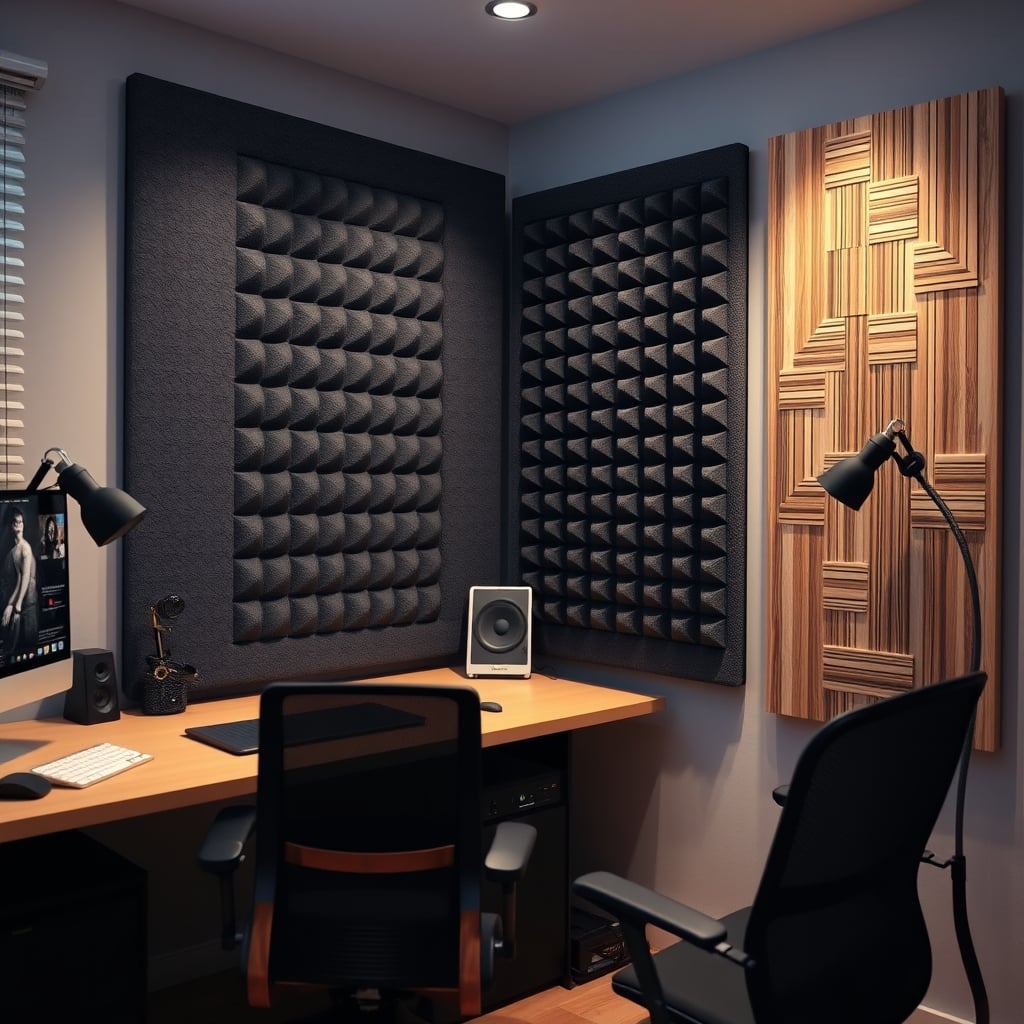
The industry lies about this because thick panels don't photograph as beautifully. They're bulky, they dominate a space, and they look like studio gear rather than home decor. But functional acoustics require mass and depth, not just surface area. Your thin hexagons are essentially acoustic jewelry—pretty to look at, useless for the job.
Your Aesthetic Layout Is Probably Making Things Worse
Here's where decorative panels fail catastrophically: random artistic placement ignores acoustic physics entirely. Sound waves don't care about your aesthetic vision—they follow predictable patterns based on room dimensions and surface interactions. Placing panels based on visual balance rather than reflection points is like arranging furniture by throwing it randomly and hoping people can walk through.
The most common mistake? Covering the wall behind your monitors while ignoring the side wall first reflection points. This creates an imbalanced stereo image where direct sound from your speakers interacts differently with each wall. The result is phantom center channel drift and frequency response inconsistencies that no amount of EQ can fix.
This doesn't work. At all. Creative panel arrangements might win design awards, but they'll lose the acoustic battle every time. After assessing hundreds of home studio setups, the pattern is clear: the more aesthetically pleasing the panel layout, the worse the measured frequency response tends to be.
What Actually Works for Room Acoustics (Skip the Decor)
Stop buying acoustic decor. Start treating your room like the acoustic environment it is. First reflection points need treatment before any decorative element enters the conversation. These are the spots where sound from your speakers bounces directly to your ears, creating comb filtering that destroys clarity.
Find them with the mirror trick: have a friend slide a mirror along your side walls while you sit in your listening position. When you can see your speakers in the mirror, that's a first reflection point that needs absorption. Notice how these spots rarely align with where you'd naturally place decorative panels? That's the entire problem.
Corner bass traps are non-negotiable. These are where low frequencies build up and create that muddy, boomy sound that plagues small rooms. While decorative panels shy away from corners (they're not photogenic there), proper triangular or cylindrical bass traps live in corners because physics demands it. This is the real issue most rooms face—not high-frequency flutter echo, but low-frequency buildup that thin panels can't touch.
{ "name": "JaneTech Art Acoustic Panels", "keyword": "decorative acoustic panels", "category": "Wall Art & Acoustic Panels", "bestFor": "People who prioritize aesthetics over actual acoustic performance", "features": ["1-inch thickness for minimal acoustic impact", "Geometric patterns that look great in photos", "Fabric covers available in multiple colors"] }The JaneTech panels represent everything wrong with the decorative acoustic trend. At 1-inch thick, they're basically acoustic wallpaper—they might deaden some high-end reflections, but they leave the problematic frequency range completely untreated. Users purchase them expecting studio improvements and end up with slightly less echo but all the same bass problems. They're the perfect example of why you shouldn't trust beautiful product photography when shopping for acoustic treatment.
The Professional Approach That Actually Fixes Your Sound
Visit any actual recording studio, broadcast facility, or mastering room. Notice what's missing? Decorative patterned panels. What you'll find instead are thick, often plain-colored absorption panels placed at specific points, with massive bass traps in every corner. The aesthetic is "functional" not "Instagram-ready."
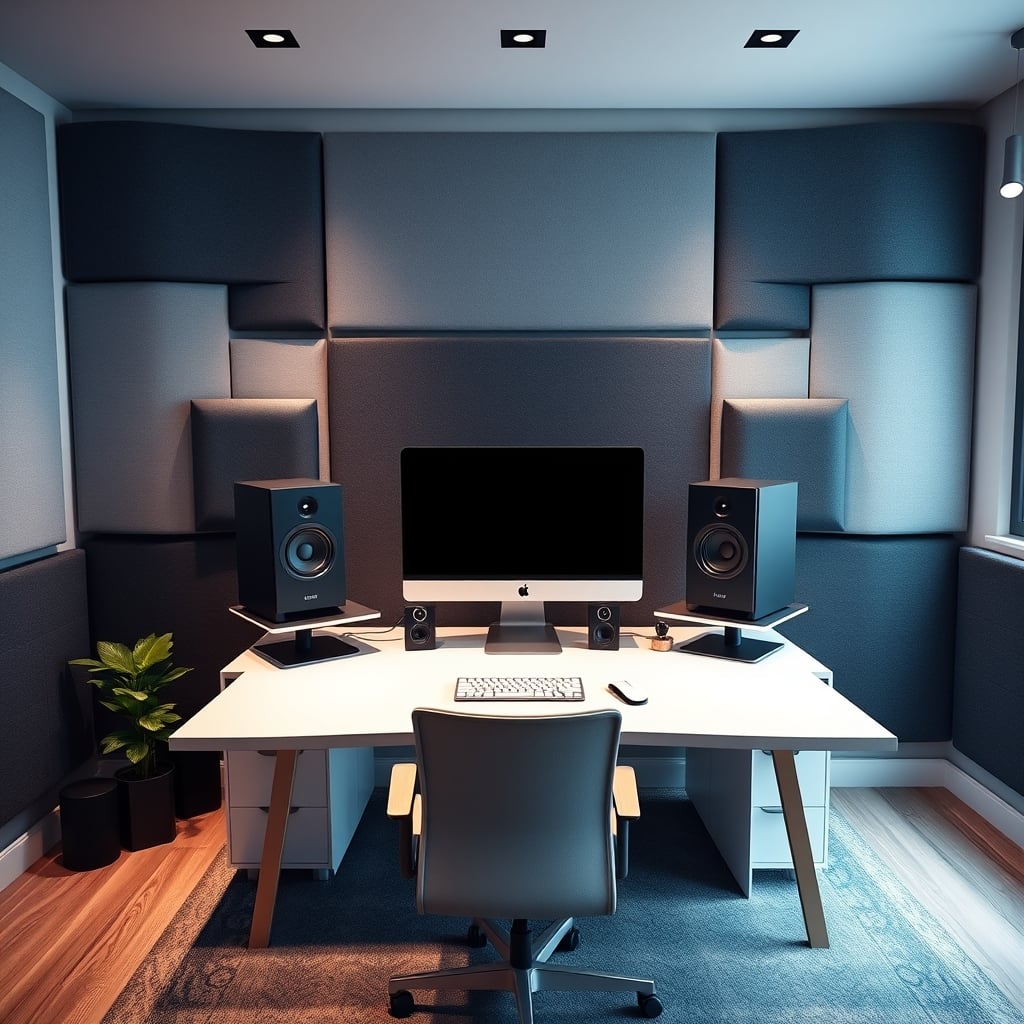
Professional studios use 4-inch or thicker panels because they need to absorb down to 250Hz or lower—the range where voice intelligibility lives. They treat corners aggressively because that's where room modes create 10-20dB peaks that destroy mix translation. They measure their rooms with calibrated microphones rather than trusting their eyes. This approach isn't as photogenic, but it actually works.
The difference in results isn't marginal. Proper treatment can turn an unusable room into a credible mixing environment. Decorative treatment turns an untreated room into... a slightly different untreated room. Users who make the switch from decorative to proper treatment consistently describe it as "finally hearing what my speakers actually sound like."
Most people get this wrong because they approach acoustics as a decor problem rather than a physics problem. They want solutions that look like interior design choices rather than technical equipment. But sound waves don't respond to aesthetics—they respond to mass, density, and placement.
Three Acoustic Mistakes Your Beautiful Panels Are Definitely Making
First, you're likely creating over-damped high frequencies while leaving low frequencies untouched. This results in a dull yet boomy sound—the worst of both worlds. Your room loses its natural brightness while gaining all the mud of untreated bass. This is a known issue for long-term users of decorative panels who eventually realize their room sounds "dead but still bad."
Second, random placement is destroying your stereo image. When left and right reflection points aren't treated symmetrically, your brain receives conflicting timing information from each speaker. The result is a blurred soundstage where instruments lack precise positioning. This doesn't just affect mixing—it makes everything from gaming to movie watching less immersive.
Third, you're wasting prime wall real estate. Every square foot covered with ineffective decorative panels is space that could have held proper treatment. Once you understand how little your pretty panels actually do, you'll realize you need to start over from scratch—and those non-returnable hexagons will stare at you from their useless positions on your walls.
If you're serious about audio quality, read our investigation into acoustic panel effectiveness that shatters the decor industry lies. It details exactly how little these products actually absorb compared to their claims.
The Verdict: Skip the Wall Art, Buy Actual Treatment
Wall art sound quality is a marketing fabrication designed to sell home decor to audio enthusiasts. The entire category exists because people want acoustic improvement without the visual sacrifice of proper treatment. But acoustics doesn't work on compromise—either you treat the problematic frequencies or you don't.
Your decorative panels are overrated. They're the acoustic equivalent of putting a racing stripe on a minivan and expecting better lap times. They look the part but completely miss the function. The industry knows this and profits from it anyway.
Instead of buying pretty panels, invest in ugly bass traps and thick absorption panels. Place them where measurements dictate, not where your design sensibilities suggest. Treat your room like the acoustic instrument it is, not like another Pinterest board to curate. The results will speak for themselves—with actual clarity, not just aesthetic appeal.
For a similar reality check in another overrated category, see why USB-C microphones are mostly overrated in 2026 and how the DIY microphone disaster is sabotaging your audio.
Final verdict: Skip it. Completely. If you want better room sound, buy proper acoustic treatment. If you want pretty walls, buy actual art. Trying to combine both gives you the worst of each world—compromised aesthetics and ineffective acoustics. Your ears deserve better than decorative lies.
Frequently Asked Questions
Do decorative acoustic panels actually improve sound quality?
Minimally and often detrimentally. Most decorative panels are too thin (1-2 inches) to absorb problematic low and mid frequencies. They may reduce some high-frequency echo but leave bass buildup untouched, creating an unbalanced, boomy yet dead-sounding room.
What thickness do acoustic panels need to be effective?
For meaningful absorption down to voice frequencies (250-500Hz), panels need to be at least 4 inches thick. Bass traps for corners should be 6 inches or thicker. The decorative 1-inch panels sold as 'acoustic art' are essentially acoustically transparent at the frequencies that cause most room problems.
Where should I place acoustic panels for best results?
First reflection points on side walls (found using the mirror method) and every corner for bass traps. Decorative random placement often makes acoustic problems worse by creating uneven absorption that damages stereo imaging. Professional placement follows acoustic principles, not design principles.
Can I make my room sound good with just decorative panels?
No. Decorative panels alone cannot address low-frequency room modes or provide balanced absorption. Users consistently report that rooms treated only with decorative panels sound 'different but not better'—often worse, with new resonant problems created by haphazard placement.
What's the difference between acoustic panels and bass traps?
Acoustic panels absorb mid and high frequencies from reflection points. Bass traps are thicker treatments placed in corners to absorb low frequencies where sound energy accumulates. Decorative panels often try to be both but fail at both—they're too thin for bass and too randomly placed for effective reflection control.
Written by
Maya is an enthusiast for biophilic workspace design. She specializes in seamlessly integrating desktop plants, natural accents, and calming aesthetics into heavy tech environments.
Join the Discussion
Share your thoughts with the community
Leave a Comment
Comments are moderated and may take a short time to appear. Links are not permitted.