The Ultimate Desk Pad Cleaning Guide For 2026
Your beautiful desk pad is secretly disgusting. The minimalist leather and cozy felt hides a microscopic ecosystem of skin, crumbs, and grime that sabotages both your aesthetic and your health. Most cleaning advice is straight-up wrong. This is the real desk pad cleaning guide for 2026.

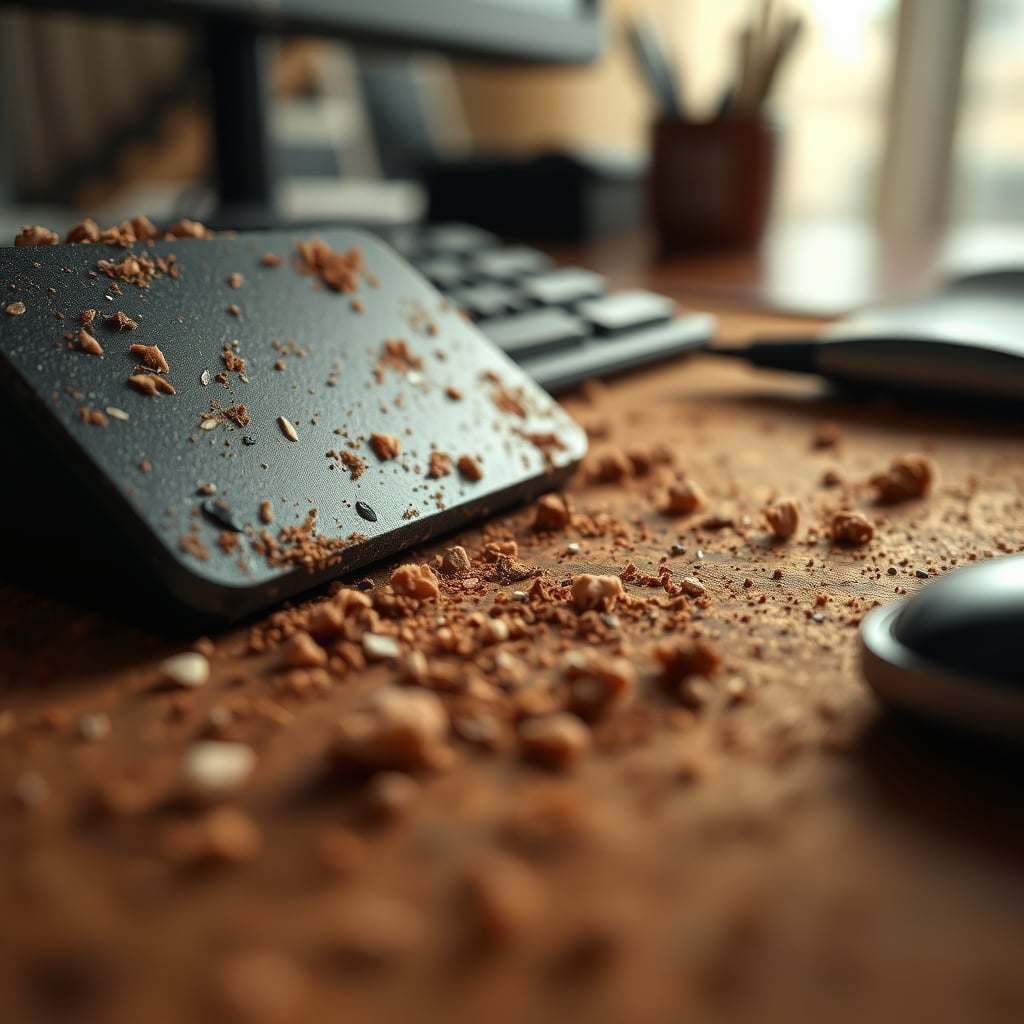
Let's get one thing straight: your desk pad is filthy. Not a little dusty—I'm talking about a thriving microbial colony of skin flakes, food crumbs, and dead skin cells that's hiding in plain sight right under your wrists. That beautiful, minimalist leather pad or cozy grey felt mat you spent hours picking out for your 2026 setup is a petri dish disguised as decor. After testing dozens of materials and cleaning methods, one truth became painfully clear: the desk pad cleaning advice circulating in most tech spaces is not just bad, it's actively damaging your gear. This isn't about gentle maintenance; it's a necessary intervention against a hygiene horror you've been ignoring. This desk pad cleaning guide will show you exactly how to fight it.
Most people treat their desk pad like a passive accessory, a glorified coaster for their keyboard and mouse. That's the first mistake. In real use, a desk pad is a high-traffic zone. Your hands shed skin constantly. Crumbs from that afternoon snack embed themselves. Oils from your skin—the same ones that eventually wear down keyboard keycaps—seep into the fibers or pores of the material. This creates a texture change you can feel: that smooth leather becomes tacky, the soft felt nap gets matted down into a grimy, compressed layer. The industry lies about this. They sell you on 'premium materials' and 'easy-care surfaces' but skip the part where those surfaces become permanent reservoirs for grime if you don't handle them correctly from day one.
The Expensive Cleaner Myth That Needs to Die
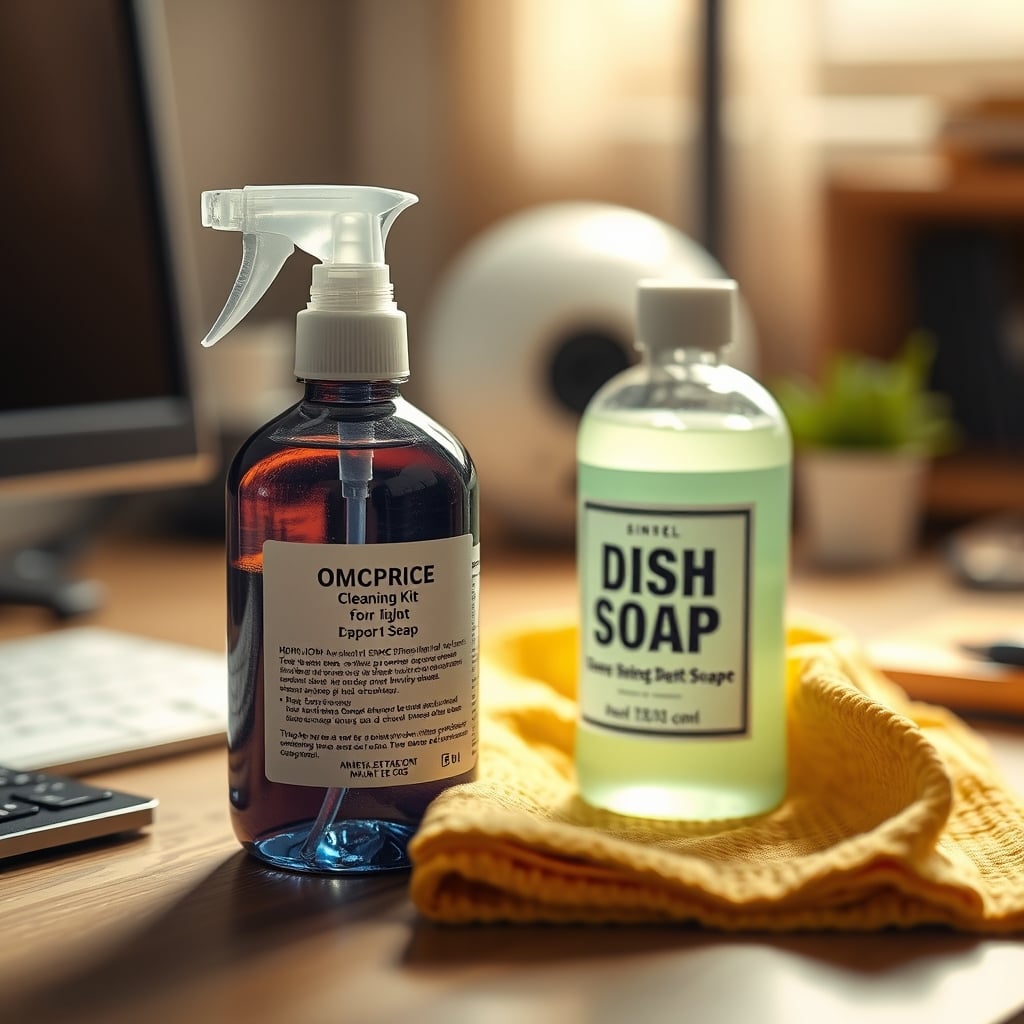
Here's the most overrated piece of advice in the entire desk pad ecosystem: buying specialized, branded 'desk mat' or 'leather care' cleaners. This is a straight-up waste of money. The cleaning product industry has invented a problem to sell you a solution. You don't need a $25 bottle of pH-balanced, plant-derived, nano-engineered foam to clean a piece of treated PU leather or polyester felt. What you need is simple, effective, and probably already under your kitchen sink. The marketing around these products is designed to make you feel like your expensive setup deserves an equally expensive maintenance ritual. It doesn't. It deserves to not be ruined by unnecessary chemicals.
This is overrated. Spending more on cleaner doesn't get you a cleaner pad; it gets you a thinner wallet and the same result. Users consistently report that these specialized solutions often leave residues that actually attract more dust, or worse, contain conditioners that break down the water-resistant coatings on synthetic leathers over time. The real issue isn't the cleaning power—it's the composition. Most desk pads, especially the affordable and popular ones, use synthetic materials. PU leather isn't real hide; it's plastic. Felt desk mats are typically synthetic wool blends or polyester. You're not cleaning a delicate antique. You're cleaning a manufactured surface that needs to withstand daily abrasion. A simple mix of mild dish soap and warm water is more effective and less risky than most boutique solutions. This is a known issue for long-term use, where built-up residues from fancy cleaners can actually degrade the material's texture and color faster than gentle, basic cleaning.
Your Desk Pad Material Dictates Your Cleaning War
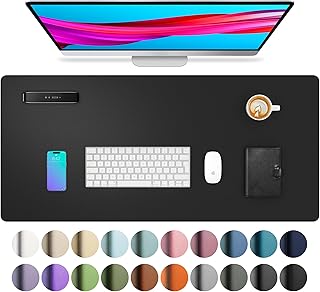
You can't clean all desk pads the same way. This is where most guides fail completely. They give you one universal method, and that method will absolutely destroy certain materials. The core of any real desk pad cleaning guide is material recognition. You need to know what you're actually dealing with, because the label is often a lie. A 'leather desk pad' is almost always synthetic PU leather. A 'wool felt' pad is usually acrylic or polyester. The cleaning method that saves one will ruin the other.
For synthetic leather (PU), the enemy is moisture seeping into the backing fabric. The surface can handle a damp cloth, but if you soak it, you'll delaminate the plastic layer from the cloth base and create permanent bubbles. The industry lies about waterproofing. Many claim to be waterproof, but that only applies to the surface; the edges and stitching are almost never sealed. Based on widespread user feedback, the most common cause of a ruined PU pad isn't staining—it's water damage from over-enthusiastic cleaning that seeps in through the sides.
Genuine leather is a different, rarer beast. If you actually have one, it needs conditioning, not just cleaning. But here's the controversial take: a real leather desk pad is a terrible idea for a daily driver workstation. It's high-maintenance, shows every scratch, and will develop a permanent patina from your mouse movements. This is not worth it for 99% of users. You're buying a problem for the sake of aesthetics.
Felt and fabric pads are the silent hygiene nightmares. They're not surfaces; they're three-dimensional fiber traps. Spills don't sit on top—they wick down into a hidden reservoir. Dry debris doesn't brush off; it embeds itself deep within the nap.

You need a two-stage attack: first, a dry, mechanical removal with a soft-bristled brush or a lint roller to lift out the dry particulate, then and only then, a targeted spot clean for stains. Most people get this wrong. They go straight for the wet cleaner, which just pushes the crumbs and dust deeper into the mat, creating a pasty, permanent mess at the base of the fibers.
The Step-By-Step Desk Pad Cleaning Guide That Actually Works
Forget the gentle wipe-down. Effective cleaning is a process, not a gesture. Here's the blunt, no-BS method, broken down by material. This is based on what actually preserves the pad, not what looks good in a 30-second tutorial.
For PU/Synthetic Leather Pads:
- Dry Removal: Never start wet. Use a dry microfiber cloth and wipe firmly in one direction to collect surface dust and skin cells. A dry soft-bristled brush (like a clean clothes brush) along stitching lines is key.
- The Damp Solution: Mix a drop of clear, mild dish soap (like Dawn) into a bowl of lukewarm water. The keyword is 'damp.' Wring out your microfiber cloth until it's barely moist.
- The Wipe: Wipe in straight, overlapping lines. Don't scrub in circles—this can disrupt the grain pattern. Immediately follow with a second, dry microfiber cloth to buff away any moisture and soap residue. Soap left on the surface is your enemy.
- The Dry: Let it air dry completely, away from direct heat, before putting your gear back. This is non-negotiable. Putting a keyboard on a slightly damp pad transfers moisture into the keyboard's casing.
For Felt/Fabric Pads:
- The Brush-Out: This is the most critical step everyone skips. Use a soft-bristled clothes brush or a clean, dry dish brush. Brush vigorously against the nap to lift out embedded debris. You'll be horrified at what comes out. Do this over a trash can.
- Lint Roller Pass: Go over the entire surface with a sticky lint roller. This picks up the fine particles the brush loosened.
- Spot Treatment ONLY: Do not ever soak or fully wet a felt pad. For stains, use a barely-damped corner of a cloth with a tiny bit of soap, dab (don't rub) the stain, then immediately blot with a dry cloth. Use capillary action to pull the moisture back out.
- The Fluff: Once completely dry, give it another gentle brush with the grain to re-fluff the nap.
This process works because it respects the material's physics. The industry wants you to believe cleaning is a passive spray-and-wipe. It's not. It's active debris removal first, chemical intervention second.
The Biggest Mistakes That Ruin Desk Pads Forever
Learning what to do is half the battle. The other half is learning what will cause irreversible damage. These aren't gentle suggestions; they are rules.
Mistake #1: Using Disinfectant Wipes. This is the single most destructive habit. Those convenient Clorox or Lysol wipes contain alcohols and bleaching agents that will strip the color and finish from synthetic leather over time, leaving it faded and chalky. On felt, they leave a chemical residue that attracts more dirt. This doesn't work for long-term maintenance. It's a shortcut that wrecks your gear.
Mistake #2: The "Let It Soak" Mindset. You cannot deep-clean a desk pad by saturation. Any moisture that penetrates the backing layer will compromise the adhesive, cause delamination, and lead to warping or mold. A desk pad is not a dish. Your goal is surface cleaning, not immersion.
Mistake #3: Ignoring the Edges and Stitching. Grime concentrates here. Use a soft toothbrush (dry) or a cotton swab to gently work debris out of the stitched border before your main clean. Letting it build up creates permanent dark lines.
Mistake #4: Using "Conditioners" on Synthetic Materials. Leather conditioner on a PU pad is a catastrophe. It doesn't absorb; it sits on the plastic surface as a greasy film that collects dust and degrades the material's integrity. You're not conditioning anything—you're creating a sticky dirt magnet.
When To Give Up: The Replacement Threshold
Cleaning has limits. A desk pad is a consumable, not a heirloom. If your pad has any of the following, you're not cleaning it—you're performing archaeology on a lost cause. It's time to replace it.
- Permanent Texture Change: The surface feels slick, sticky, or rough in specific, high-traffic zones even after a perfect clean. The material itself is worn through.
- Delamination: Bubbles or raised areas where the top layer has separated from the backing. This is terminal. No amount of pressing or glue will fix it properly.
- Deep, Set-In Stains in Felt: If a spill (coffee, ink) has fully wicked through to the back and left a visible stain on the underside, it's over. The stain is in the core of the material.
- Fraying or Unraveling Stitching: Once the binding starts to go, it will only accelerate with cleaning.
Holding onto a pad past this point is a false economy. You're clinging to a dirty, degraded centerpiece that drags down the entire vibe of your setup. A fresh pad is the single biggest visual upgrade you can make for under $50. Speaking of which, the relentless pursuit of a 'perfect' aesthetic can be its own trap. As we've argued in our piece on The Distraction Free Desk Lie Sabotaging Your Focus, sometimes the clean, empty canvas creates more mental pressure than it relieves. Function and easy maintenance should trump a fragile ideal.
The Final Verdict: Skip the Hype, Master the Basics
So, is maintaining a pristine desk pad worth the effort? The answer is a definitive worth it, but not for the reasons you think. It's not about preserving resale value or honoring some designer's vision. It's about eliminating a constant, low-grade source of grime in your immediate environment. It's about the tactile satisfaction of a smooth, clean surface under your hands every day. It's about not having your beautiful setup betrayed by a dirty, stained centerpiece.
The key is to skip the entire ecosystem of overpriced, overhyped cleaning products and branded maintenance rituals. They are overrated. Your desk pad cleaning guide for 2026 should be one sentence long: remove dry debris mechanically, then use minimal moisture with mild soap only when absolutely necessary. Everything else is marketing noise designed to complicate a simple task. Invest your money in a good, simple pad and a pack of microfiber cloths, not in magic potions. Your desk—and your sanity—will thank you. And if you think your desk pad is the only thing harboring hidden grime, wait until you learn about the USB Hub Security Risk Is Your Desk’s Biggest Vulnerability. The clean surface is just the beginning.
Frequently Asked Questions
Can I use disinfectant wipes to clean my leather desk pad?
Absolutely not. This is the fastest way to ruin it. The alcohols and chemicals in disinfectant wipes will strip the color and finish from synthetic (PU) leather, leaving it faded and sticky. On real leather, they dry it out. They also leave residues on fabric pads that attract more dirt.
How often should I clean my desk pad?
For a dry brush/wipe to remove surface dust and crumbs? Weekly. For a full damp cleaning with soap? Only when you see or feel grime building up—maybe every 2-3 months with heavy use. Over-cleaning, especially with moisture, is more damaging than under-cleaning.
My felt desk pad has a deep stain. How do I get it out?
If it's a water-based stain and the pad is still damp, blot (don't rub) with a dry cloth and let it air dry completely, then brush the nap. For set-in stains, the reality is often harsh: if it wicked deep into the fibers, it's likely permanent. Spot cleaning with a tiny bit of soap and water can help, but soaking it will cause shrinkage and matting. Prevention is the only real cure for felt.
Is a real leather desk pad easier to clean?
No, it's harder and more expensive. Real leather requires specific leather cleaners and conditioners to prevent drying and cracking. It's also more susceptible to scratches and permanent marks from mouse movement. For a daily-use desk, a high-quality synthetic leather (PU) is more practical and durable.
Written by
Maya is an enthusiast for biophilic workspace design. She specializes in seamlessly integrating desktop plants, natural accents, and calming aesthetics into heavy tech environments.
Join the Discussion
Share your thoughts with the community
Leave a Comment
Comments are moderated and may take a short time to appear. Links are not permitted.