Desk Pad Worth It? The Brutal 2026 Reality Check
You've been sold a lie. The premium desk pad market is a minefield of overpriced nonsense. We cut through the influencer hype to tell you what a desk pad is actually for, and why the expensive one you're eyeing is probably a waste of money.
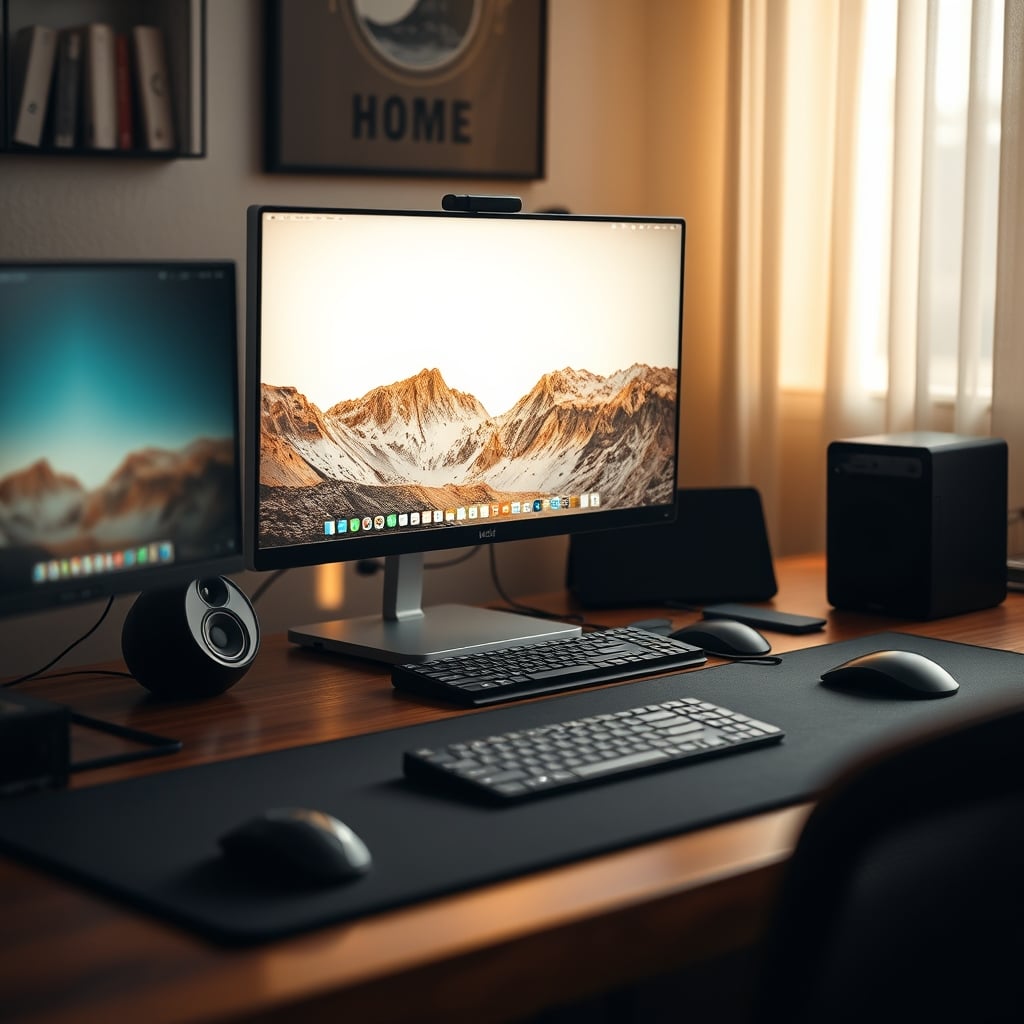
My journey to the truth about desk pads started with a $289 invoice for a piece of vegetable-tanned leather. It felt like warm butter, looked incredible in my moody, RGB-lit photos, and turned into a warped, discolored nightmare after six months. The industry is lying to you. The question ‘desk pad worth it?’ is being answered with marketing copy about ‘craftsmanship’ and ‘patina’ to justify a 1000% markup on what is, fundamentally, a piece of fabric or hide. Let's stop the madness. A desk pad has two jobs: protect your desk and provide a consistent surface for your mouse. Everything else—the artisan-grade wool felt, the hand-stitched edges, the bespoke colorways—is emotional garnish for your credit card statement.
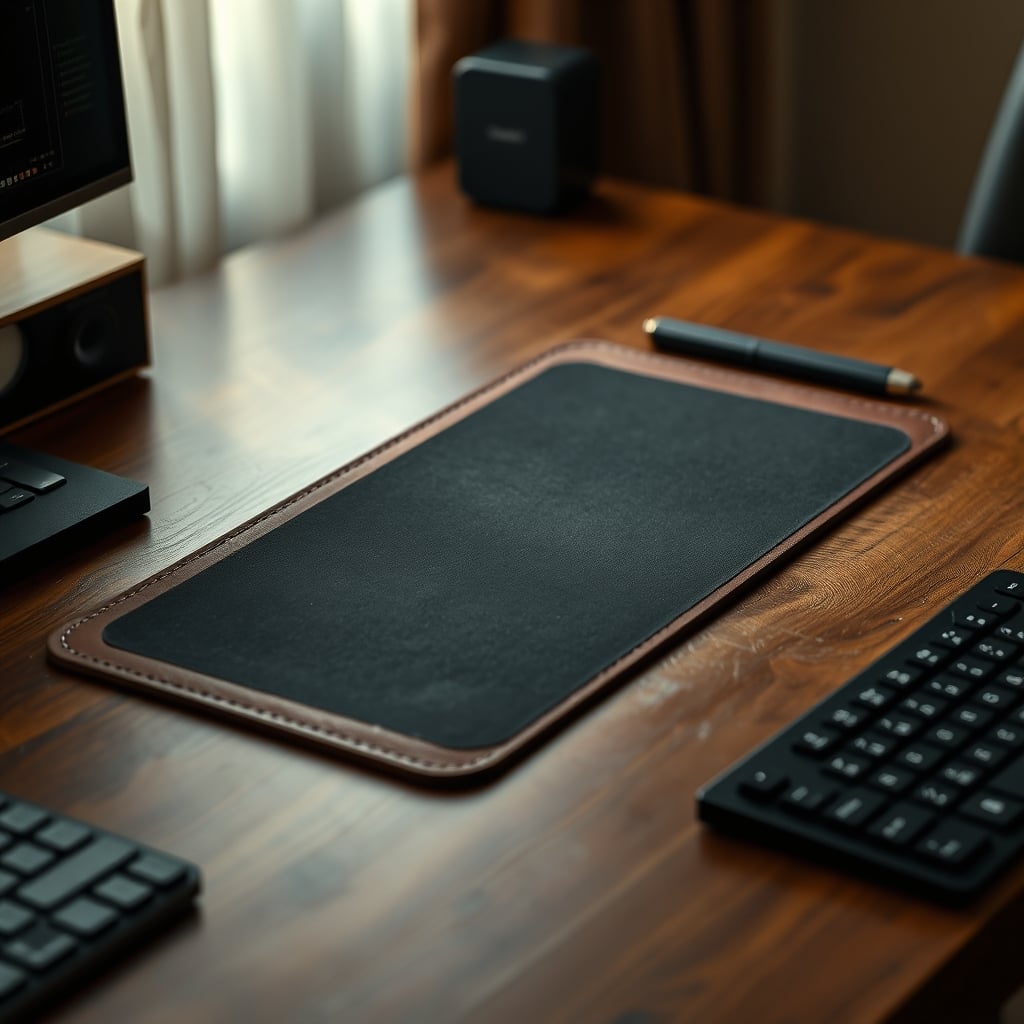
Most tech publications approach this with sterile, boring “pros and cons” lists. Some talk endlessly about surface glide and DPI tracking. We’re not doing that. We’re here to talk about the visual tax you’re paying, the material deterioration nobody shows you, and why chasing a hyper-aesthetic setup often leads to worse real-world performance. This is about the vibe, and the cold, hard reality of maintaining it.
The Material Scam: Leather, Suede, and Other Expensive Mistakes
Let’s gut the sacred cow first: leather desk pads are a terrible idea for actual use. The industry sells you on ‘character’ and ‘aging gracefully.’ What they mean is, ‘it will stain from water droplets, develop permanent shiny tracks where your wrists rest, and might even crack if your room humidity swings.’ That beautiful patina? It’s just uneven wear and oil stains from your skin. Based on widespread user feedback in communities I frequent, leather pads consistently show noticeable discoloration and deformation within a year, especially under warm monitors or in sunlit rooms. You’re buying a high-maintenance furniture item for a high-traffic work surface. This is not worth it.
And don’t get me started on vegan suede or felt. These are dust and crumb magnets of the highest order. One cracker crumb near that micro-suede surface and it's there until the end of time. Spill a drop of coffee? It’s over. The clean, minimalist look lasts exactly as long as your first working session. These materials are selected for photoshoots, not for the reality of a desk that actually gets used. This is overrated decorative nonsense.

Why The RGB Desk Pad Is Actively Sabotaging Your Focus
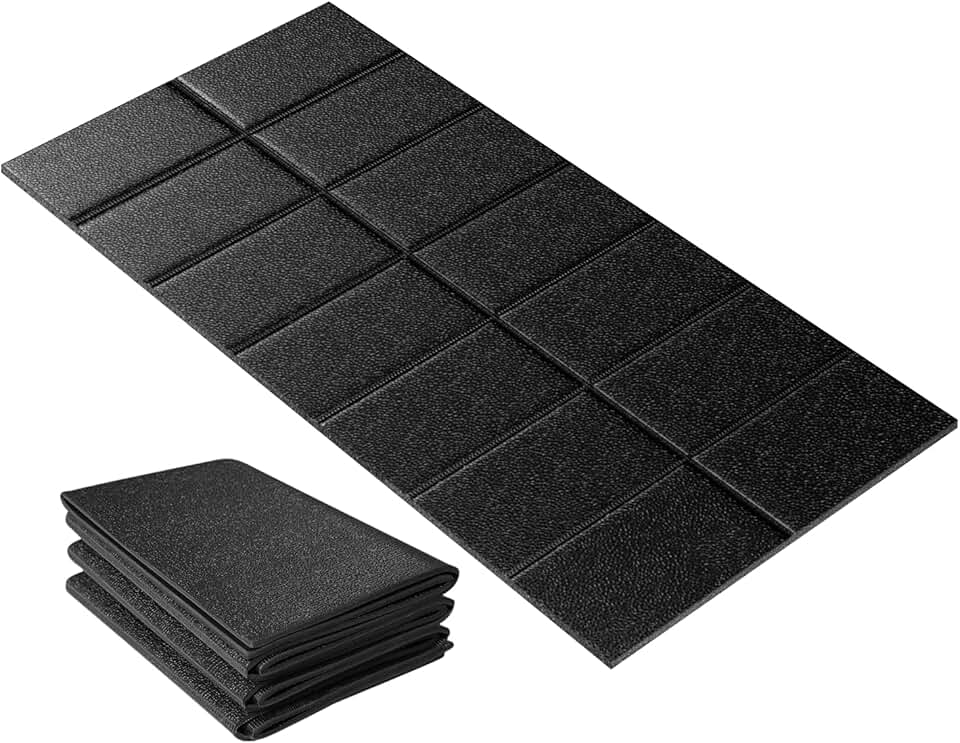
Premium Pick
- High performance
- Premium build
Here’s a contrarian statement that will make a certain segment of the community rage: an RGB-lit desk pad is one of the most distracting things you can put on your desk. It’s not ambient lighting; it’s a seizure-inducing notification strip permanently fixed in your peripheral vision. The ‘productivity’ angle is pure marketing fiction. Your brain is wired to notice movement and light changes at the edges of your sight. A slow color cycle might as well be a klaxon screaming “LOOK AT ME” to your primal hindbrain. If you’re serious about deep work, adding animated lights directly under your field of view is genuinely stupid. Most people get this wrong because they prioritize the ‘setup flex’ over actual cognitive performance. For a real take on how lighting should work, see our piece on how your ambient light is tricking your brain.
The 'Desk Pad Worth It' Myth That Needs To Die
Here is the full-throated attack on the core lie: The belief that a desk pad is a primary aesthetic piece that defines your setup is wrong. It needs to die. This misconception drives people to spend hundreds on a ‘centerpiece’ that should be a functional, almost invisible foundation. Your desk pad is the stage, not the actor. When it becomes the visual focal point, you’ve likely chosen something too loud, too textural, or too contrasting. The most effective desk pads I’ve used recede. They create a unified visual field for your keyboard, mouse, and notepad to sit on, not compete with.
The industry lies about this. They want you to believe your $30 mousepad is the problem and their $300 wool-felt masterpiece is the solution. In real use, an overly bold pad frequently causes issues with visual clutter, making your actual tools look disjointed. It’s the decor equivalent of wearing a loud patterned shirt with patterned pants—it’s just noise. This doesn’t work for a focused environment.
What Actually Matters: The Unsexy, Functional Truth
Performance comes down to three unglamorous factors: the base, the edge, and the surface. The base needs to grip your desk like it’s terrified of falling off—no creeping, no sliding when you type aggressively. A thin, cheap rubberized base fails here constantly. The edge should be stitched or hard-bonded. Raw, cut-fabric edges fray. It’s not a matter of ‘if,’ it’s ‘how quickly.’ I’ve seen premium pads with raw edges start to unravel after a few months of sleeve contact. This is a known issue for long-term use that cheap manufacturers ignore.
The surface is about consistent friction. Not ‘speed’ or ‘control’—those are gaming mousepad myths that have bled over. You just need predictable, smooth tracking. A tight-weave polyester or a refined hybrid cloth does this perfectly for 99% of work. The obsessive search for the ‘perfect glide’ for spreadsheets is a waste of mental energy. Your mouse sensor stopped caring about this in 2022.
The Color Theory Trap Most People Fall Into
Here’s the unconventional advice: stop matching your desk pad to your keyboard or wall. You’re creating a flat, lifeless color block. Instead, use it to provide subtle contrast or tonal separation. A dark charcoal pad under a silver laptop and white desk? It grounds the setup. A warm, mid-tone grey on a walnut desk? It separates your darker peripherals from the wood without screaming for attention. The goal is depth, not matchy-matchy cohesion. A pad that’s exactly the same color as your desk just looks like you have a weird, textured desk. Most people get this wrong, aiming for a monochrome look that ends up visually confusing. This is the real issue.
A Common Mistake That Ruins Your Desk (And Your Pad)
The single biggest mistake is treating the desk pad as a permanent installation. You need to lift it, clean under it, and air it out. Trapping moisture against your desk surface—especially if it’s wood or a painted finish—can lead to discoloration or even finish damage. We’ve all seen the horror stories of a perfect mat leaving a perfect, sweaty outline on a desktop. This is user error, but it’s enabled by pads that are too large or unwieldy to easily move. If your pad covers 90% of your desk and has a death-grip rubber base, you’re not cleaning under it. And that’s gross. This is overrated design that ignores basic hygiene.
The GlowRig Verdict: Skip the Hype, Buy the Grip
So, is a desk pad worth it? For pure function—protecting your desk and providing mouse consistency—absolutely. It's worth it. But the premium, influencer-driven, hyper-aesthetic market? Skip it. It’s overrated. You are not buying heirloom craftsmanship; you are buying a consumable item that will wear out, stain, and eventually annoy you.
Invest in a pad with a legendary non-slip base, a clean, tight-stitched edge, and a neutral, medium-texture surface. Let it be the quiet, competent foundation of your space, not the shouting diva. Your focus—and your wallet—will thank you. For more on why chasing aesthetic perfection sabotages your work, read about my war on workspace visual clutter. And if you think your desk mat is harmless, wait until you learn how your desk mat might be damaging your desk.
Final, definitive stance: A good desk pad is worth it. The $300 ‘artisan’ one is a scam.
Frequently Asked Questions
Is a leather desk pad worth the high price?
No. Leather desk pads are overrated for daily use. They stain easily from water and skin oils, develop permanent shiny tracks from your wrists, and can warp or crack. They're a high-maintenance aesthetic choice that degrades quickly under real working conditions.
What should I look for in a good desk pad?
Ignore marketing hype about surface glide. Focus on three functional elements: 1) An aggressive, non-slip rubber base that doesn't creep. 2) Stitched or hard-bonded edges that won't fray. 3) A tight-weave, consistent surface (polyester or refined cloth) for predictable mouse tracking. Color should be a neutral, receding tone, not a focal point.
Are RGB desk pads bad for productivity?
Yes, in most cases. Animated or cycling RGB lights in your direct peripheral vision are scientifically distracting. They act as a constant, low-level attention grabber, sabotaging deep focus. They're a decorative gimmick, not a productivity tool.
How often should I clean or replace my desk pad?
You should lift and wipe under your pad at least once a month to prevent moisture damage to your desk. The pad itself can be spot-cleaned. As a functional item, expect to replace a heavily used pad every 1-2 years as the surface wears or the base loses grip. Treating it as a permanent 'install' is a mistake.
Written by
Maya is an enthusiast for biophilic workspace design. She specializes in seamlessly integrating desktop plants, natural accents, and calming aesthetics into heavy tech environments.
Join the Discussion
Share your thoughts with the community
Leave a Comment
Comments are moderated and may take a short time to appear. Links are not permitted.