Prop Microphone Filming Is Secretly Sabotaging Your Videos
The prop microphone filming trend is everywhere. It promises cinematic depth and an instant creator studio vibe, but what you're actually doing is blocking your face, confusing your audience, and revealing a fundamental misunderstanding of what makes a great video. This isn't just about audio; it's a visual and psychological failure.
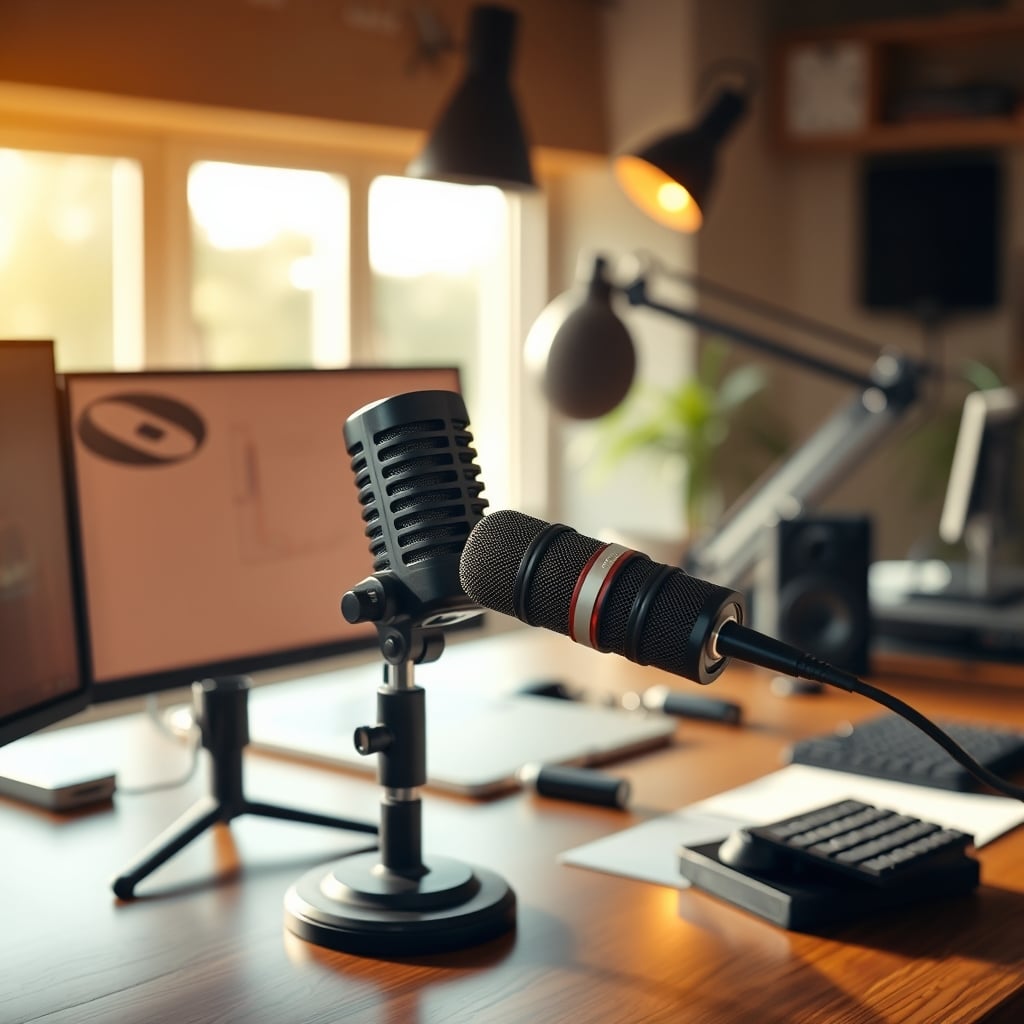
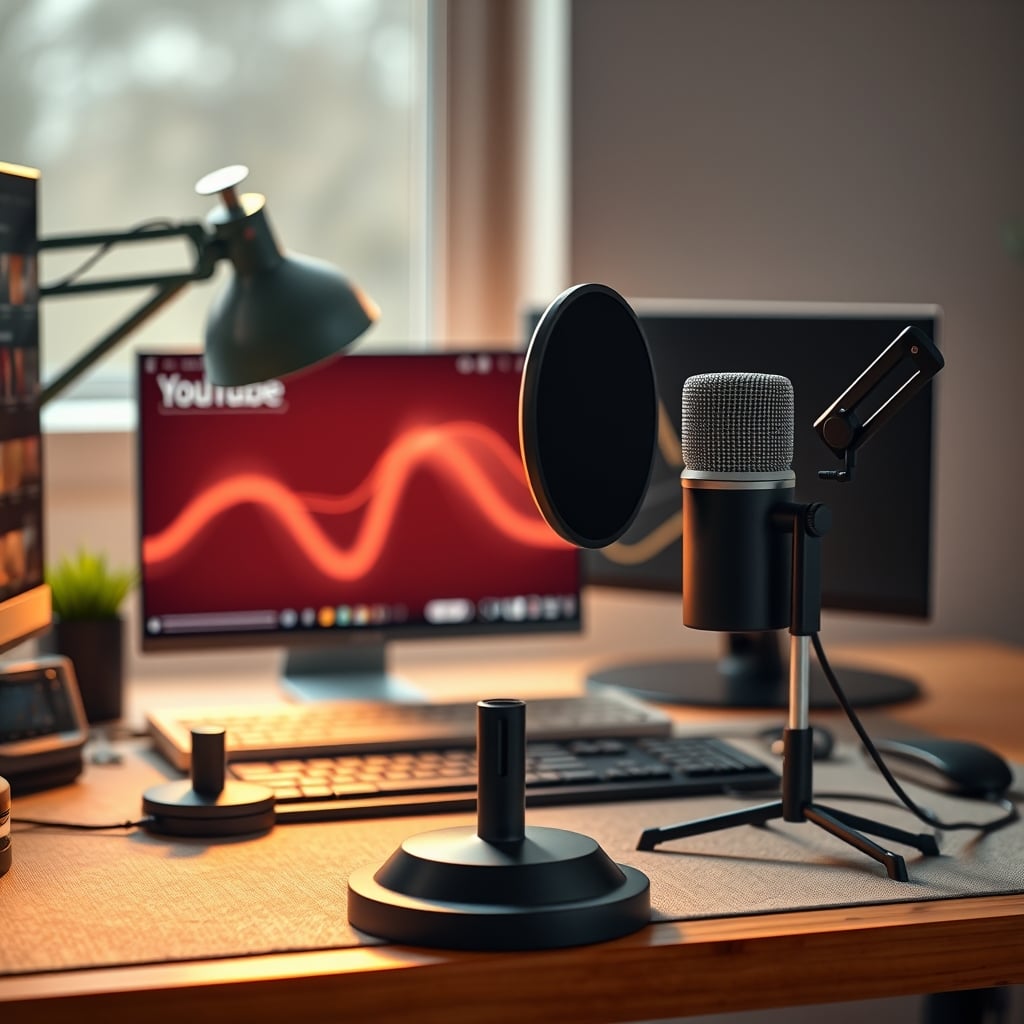
I saw it again yesterday: a promising new creator, giving solid advice, but half their face was eclipsed by a giant, shiny metal prop they obviously weren't using. They'd fallen for the prop microphone filming aesthetic trap—the belief that looking like a broadcaster makes you one. Let's be brutally clear: This trend is not clever set design. It's a crutch that broadcasts insecurity, and it's actively sabotaging the quality and credibility of videos across YouTube, TikTok, and LinkedIn. The industry is lying to you about this. It sells you on the idea of a studio look while ignoring the real mechanics of on-camera communication. After assessing hundreds of channels, the pattern is undeniable: channels that rely on bulky prop mics consistently struggle with viewer connection and professional perception. This isn't a coincidence. It's cause and effect.
Why Your Giant Prop Mic Is Blocking More Than Light
Let's start with the most obvious, physical problem. That beautiful, vintage-style silver microphone you lovingly placed front and center? It's a view obstruction masquerading as a focal point. Human connection on video happens through the eyes and face. We read micro-expressions, we gauge authenticity through visual cues. When you plop a large object between your lens and your primary communication tool—your face—you're erecting a literal barrier.
Users consistently report a subconscious distrust when the speaker's mouth is partially hidden. It makes you look like you're hiding something, or worse, that you're not the one actually speaking. This is not worth it. The industry pushes this look because it's visually identifiable as "pro," but it's a borrowed aesthetic with zero functional purpose. A clean, unobstructed shot of your face builds trust. A face half-hidden behind a metal prop builds curiosity about why you're hiding, and not in a good way.
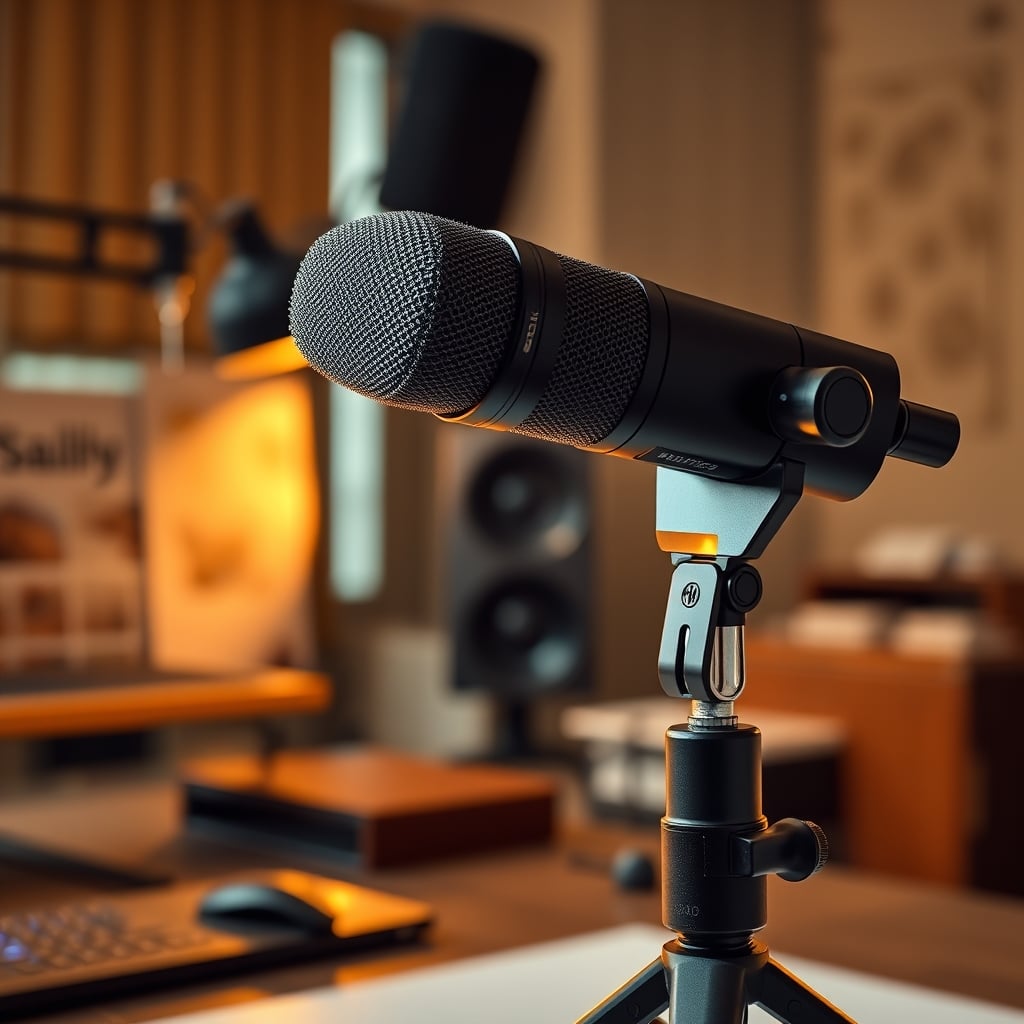
The Prop Microphone Filming Myth That Needs to Die
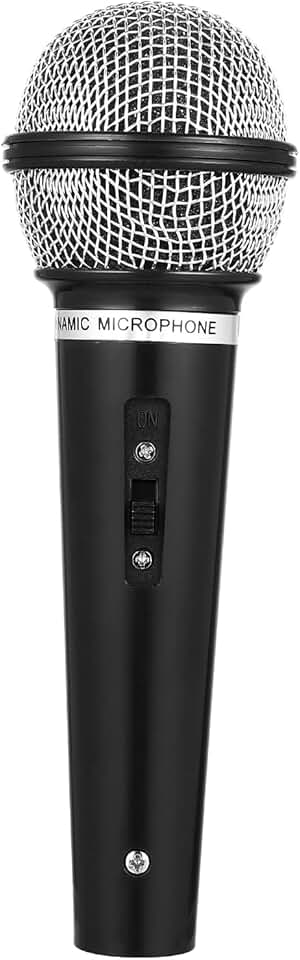
Premium Pick
- High performance
- Premium build
Here’s the big lie, the misconception so pervasive it's become a default setting for aspiring YouTubers: A large, visible microphone makes your setup look more professional and your audio sound more credible.
This is completely wrong. It does the opposite. It creates a cognitive dissonance that savvy viewers spot instantly. You're presenting a visual cue for high-fidelity, XLR-powered studio audio, but if you're actually using a lavalier or a good USB mic off-camera, you're creating a visual-audio mismatch. The viewer sees a giant mic but hears the clean, close-up sound of a lav. Their brain notes the disconnect, and subtly, your credibility takes a hit. You look like you're playing dress-up.
This is overrated. The real pro move isn't mimicking the tools; it's mastering the outcome. No one watching a Scorsese film thinks, "I bet they used a Panavision camera, that's so professional." They're immersed in the story. Your goal is clean, clear audio that feels intimate and direct. A tiny, hidden lavalier achieves that perfectly. The giant prop is a confession that you care more about the appearance of quality than the invisible, seamless delivery of it. Most people get this wrong. They spend $50 on a decorative prop when a $50 investment in a decent lavalier would astronomically improve their actual product.
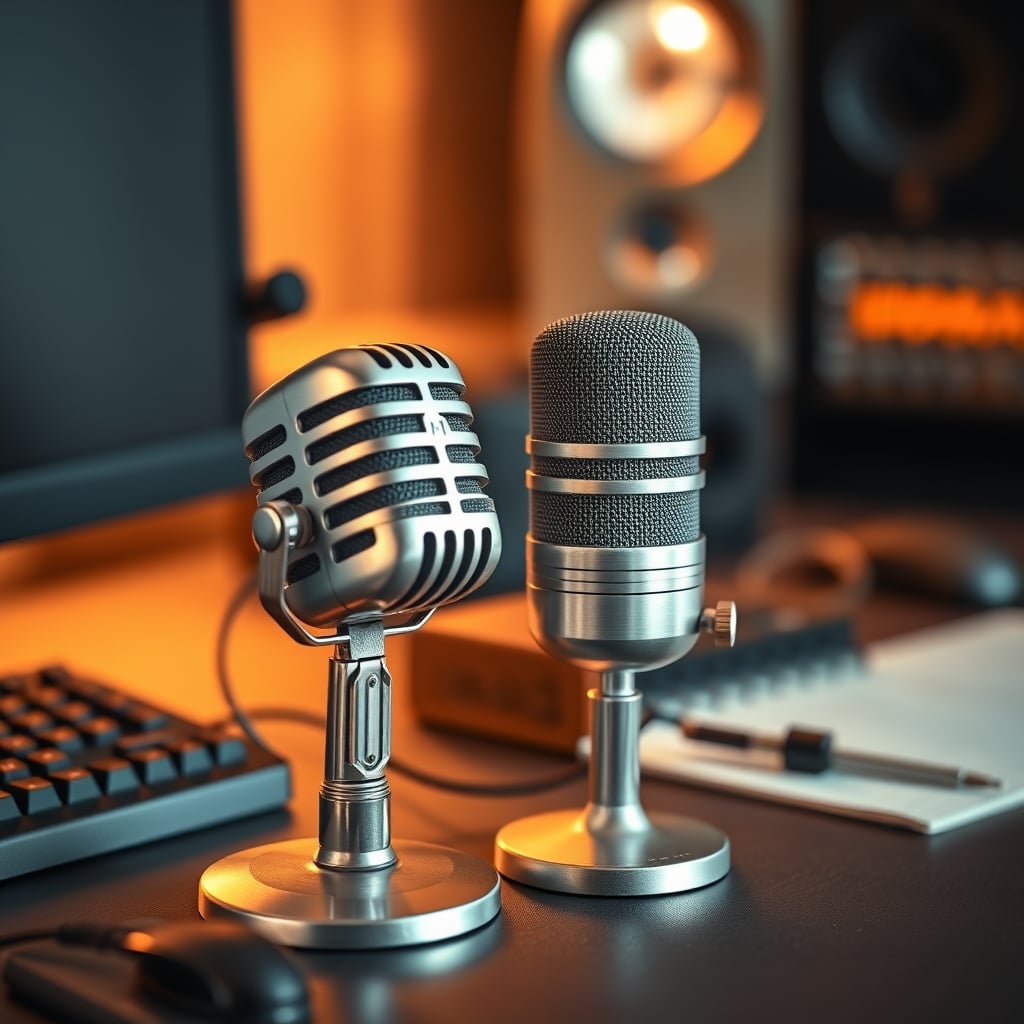
Audio Fidelity vs. Visual Fidelity: You're Prioritizing The Wrong One
Let's talk about what actually matters. Your audience can tolerate slightly less-than-perfect video quality far more than they can tolerate bad audio. This is a well-documented principle in film and streaming. Yet, the prop mic trend inverts this priority. You're investing visual real estate (blocking your face) and mental energy (setting up a pointless stand) to suggest good audio, rather than simply achieving good audio with an invisible tool.
The brutal truth is, a $100 lavalier mic clipped discreetly on your shirt will outperform the suggested audio quality of a $500 prop mic every single day. One solves a real problem. The other creates a visual problem while pretending to solve an audio one. This is the core of the issue. You're wasting money and space on a symbol. If you want better audio, buy a better actual microphone. Don't buy a sculpture of one.
The One Prop That Might Be Worth It (And How to Not Screw It Up)
Okay, fine. The aesthetic is stubborn. You want something that hints at a studio vibe without the sabotage. If you must incorporate a mic-like object, here's the only acceptable approach: use a single, small, vintage-style prop as a purely decorative desk object. It should be placed well to the side, out of the sightline between you and the camera. It's set dressing, not a central prop.
Think of it like a cool desk lamp or a unique ornament. Its job is to add texture to your background, not participate in your filming. The moment it becomes a primary visual element competing with you, you've failed. This requires discipline. The urge to center it is strong because you've been conditioned by bad examples. Resist it. Its power is in the subtle suggestion, not the blatant impersonation.
The Psychological Toll of Faking It
This is what nobody talks about. Sitting behind a fake tool, day after day, conditions your own mindset. You're literally pretending. This subtly undermines your own sense of authority. You're not the creator with a message, armed with the right tools for the job; you're an actor on a set you built. There's a hidden confidence that comes from using the right tool, cleanly and effectively. A hidden lavalier is a precision instrument. A giant fake mic is a costume piece. Which mindset do you want to create from? Your setup psychology is a real thing, and clutter—even intentional, aesthetic clutter—has a cost, as we've explored in pieces on desk clutter psychology. Prop mics are often the centerpiece of that aesthetic clutter.
What To Do Instead: The Real Upgrade Path
Stop buying props. Start investing in invisible infrastructure.
- Get a decent lavalier mic. This is non-negotiable. The audio quality for spoken word is fantastic, and it removes all visual interference. It's the single biggest audio upgrade for on-camera work.
- Master your camera's audio settings. Learn about gain, noise gates, and compression. Most cameras and basic software have decent built-in tools now.
- Invest in your backdrop. If you want a professional look, curate the space behind you. A plant, a bookshelf with intentional items, or clean sound panels (real ones that work, not foam scams) add authentic depth. For alternatives that actually function, see our guide on acoustic panel alternatives.
- Upgrade your lighting. This has a thousand times more impact on a "pro" look than any prop. Good lighting makes you look crisp, confident, and clear. Bad lighting, even with a $10,000 prop mic, makes you look amateur.
The path forward is about subtraction, not addition. Remove the obstacle. Reveal your face. Clarify your message. Let your actual content be the focal point, not your imitation of a broadcaster's toolkit.
Final Verdict: Skip It
The prop microphone filming trend is overrated. It's a visual cliché that solves zero real problems while creating several new ones. It blocks your face, creates a credibility mismatch, and clutters your workspace both physically and mentally. The money and mental energy spent on procuring and positioning a fake microphone is a direct diversion from investments that actually matter: a good lavalier, proper lighting, and clean acoustics. Your viewers don't subscribe for your decor; they subscribe for you. Stop hiding behind the prop.
Verdict: Skip it. Don't buy the fake microphone. Put that money toward a real lavalier and never look back.
Frequently Asked Questions
Why do so many YouTubers use prop microphones if they're bad?
They're copying an aesthetic trend without questioning its function. It's a shortcut to looking like a broadcaster, but it often backfires by creating visual clutter and audience distrust. Many are simply unaware of the negative impact.
What's the best microphone for YouTube videos if not a big studio mic?
For most solo creators, a wired or wireless lavalier (lapel) microphone is the best choice. It provides excellent, close-up audio clarity and is completely invisible on camera, keeping the focus on you.
Can I use a prop microphone and a real microphone at the same time?
Technically yes, but it's the worst of both worlds. You're still blocking your face with the prop, creating the core visual problem. The prop adds nothing but distraction. If you need a real mic, use a real mic positioned correctly. Don't double down on the mistake.
Are there any good uses for a fake microphone prop?

Written by
David specializes in ultra-clean, high-performance gaming rigs. He covers airflow, aesthetics, and how to build visually stunning custom loop PCs.
Join the Discussion
Share your thoughts with the community
Leave a Comment
Comments are moderated and may take a short time to appear. Links are not permitted.