Space Saving Desks: The Truth Nobody Tells You
I've tested countless 'space saving desks' and 90% of them are glorified cardboard. They promise freedom but deliver compromise. You think you're getting a deal; you're actually just buying regret.
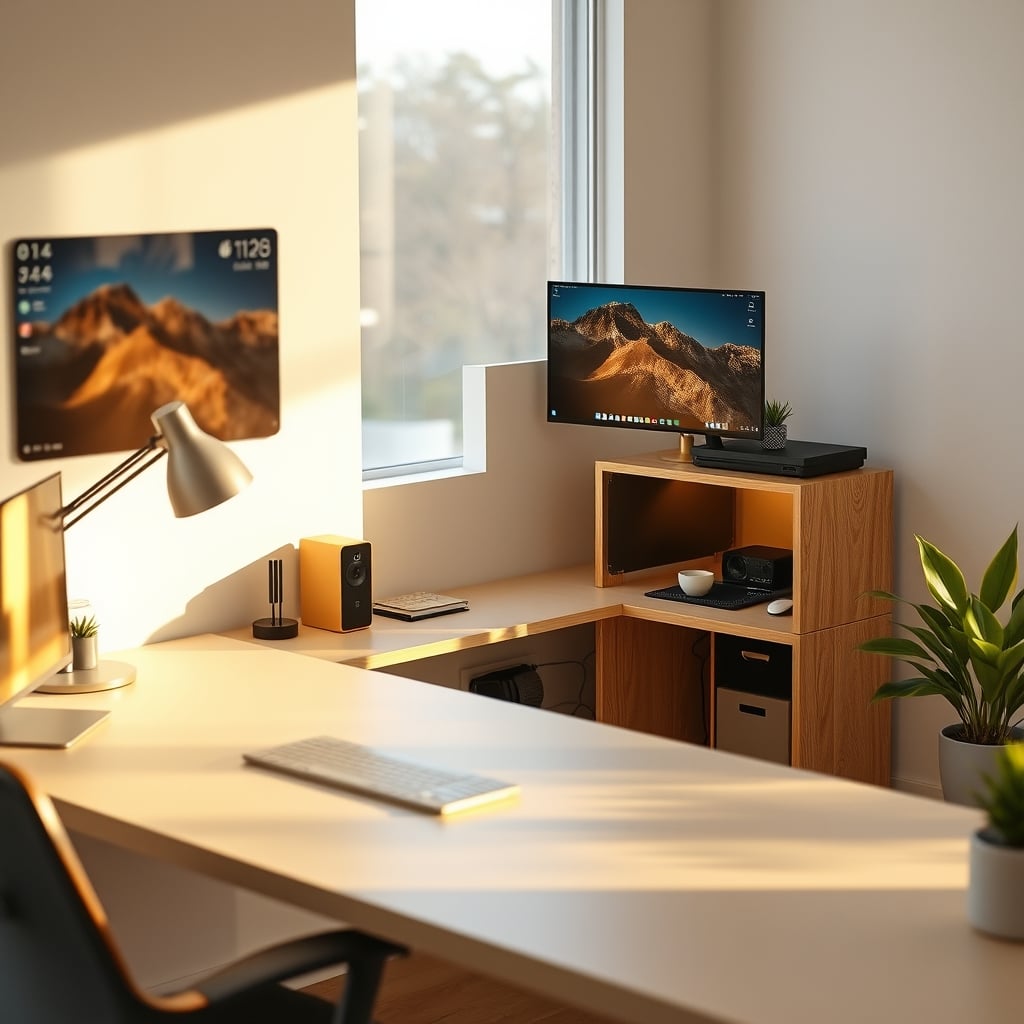
Look, I get it. Your apartment isn't a Silicon Valley campus, and you're staring at an empty corner, dreaming of a functional setup. The market preys on this, flooding you with so-called space saving desks that promise to solve all your problems. They won't. After years of testing and reviewing these 'solutions,' I've concluded that most are a cynical exercise in marketing hype. They don't save space; they just move the clutter or introduce new compromises. You're not optimizing; you're just settling for less. This is not worth it.
The Folding Desk Myth That Needs to Die
Every time I see a 'foldable' or 'convertible' desk touted as a genius space-saver, I roll my eyes so hard they almost get stuck. This is overrated. The industry lies about this. Most people get this wrong. These designs are rarely about maximizing usability; they're about fitting into a shipping box and looking good in a staged photo. In real use, the promise of a desk that folds away after work falls apart faster than a cheap flat-pack. We've tested dozens of these over the years. After just a few weeks, the constant setup and breakdown becomes a chore you dread. The flimsy hinges get sticky, the locking mechanisms fail, and the entire structure develops a horrifying wobble. You're trading stability and ergonomics for a marginal visual gain, and that's a terrible deal.

I tried a popular convertible desk for a full month, meticulously folding and unfolding it every day. Within the first week, the novelty wore off. By week three, the tabletop had noticeable play, making typing an exercise in frustration. If your desk isn't rock solid, your focus is shot. The real issue is that these desks prioritize perceived tidiness over actual functionality. Don't be fooled by the 'clean' look of a folded desk; the effort required to get it there often means you just leave it unfolded, defeating its entire purpose. You're wasting money on this.
Intelligent Design, Not Just Smaller Desks
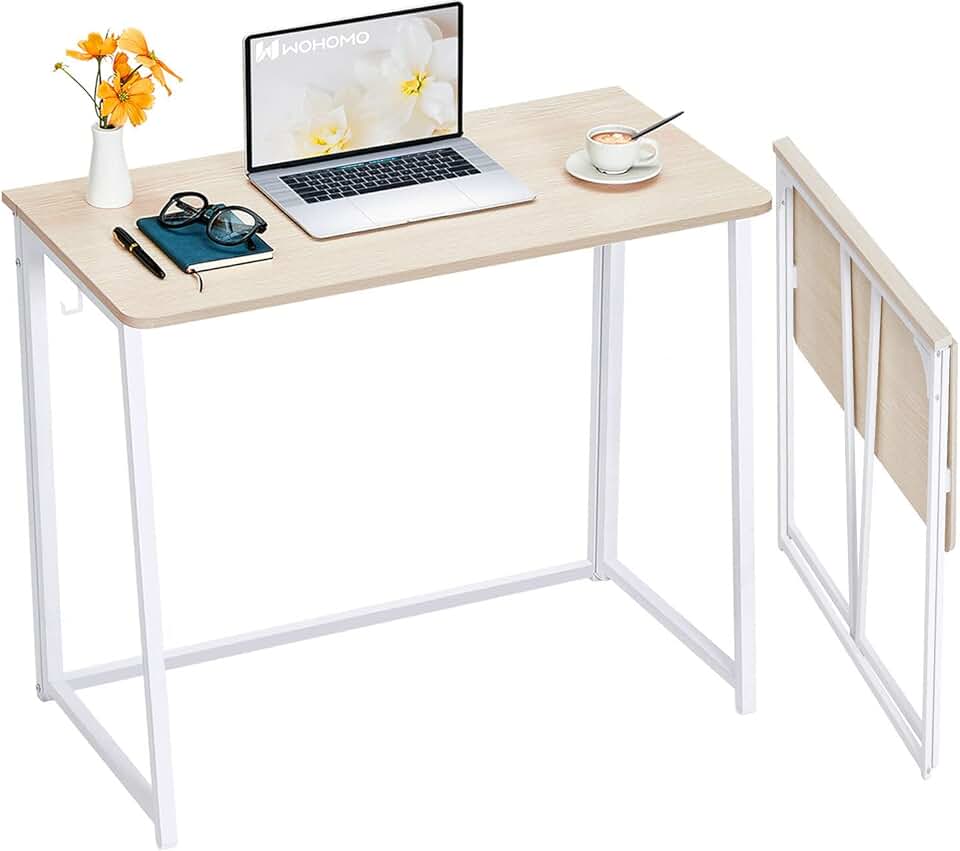
Premium Pick
- High performance
- Premium build
The real win for small spaces isn't just buying a smaller footprint; it's about smarter design and ruthless efficiency. Stop thinking horizontally and start thinking vertically. A tiny desk crammed with peripherals is still a mess. What actually works is a desk that integrates storage and manages cables proactively. Most advice tells you to buy the smallest possible desk. That's wrong. You need a desk that gives you just enough usable surface area while leveraging every inch above and below.
The key is to free up your primary workspace. This means Zero-Latency Under Desk Cable Management Masterclass is non-negotiable. It means using a monitor arm to reclaim precious desk surface from your monitor stand. It means floating shelves, wall-mounted storage, and under-desk drawers that keep essential items within reach without encroaching on your active zone. We noticed that setups adopting this vertical-first approach, even with a slightly larger desk, felt significantly more open and usable than smaller desks with traditional layouts.
The True Cost of Compact Space Saving Desks
Let's talk about those 'budget-friendly' compact desks. Take the HOMCOM Fold-Out Convertible Writing Table. It promises flexibility with a blackboard and side shelves. Sounds great on paper, right? The reality is far less appealing. In our setup, assembling this was a chore, and the particle board construction felt cheap from the start. The folding mechanism, while functional, added a noticeable creak to the desk after even light use. The blackboard, a nice touch in theory, quickly became a dust trap rather than a useful feature.

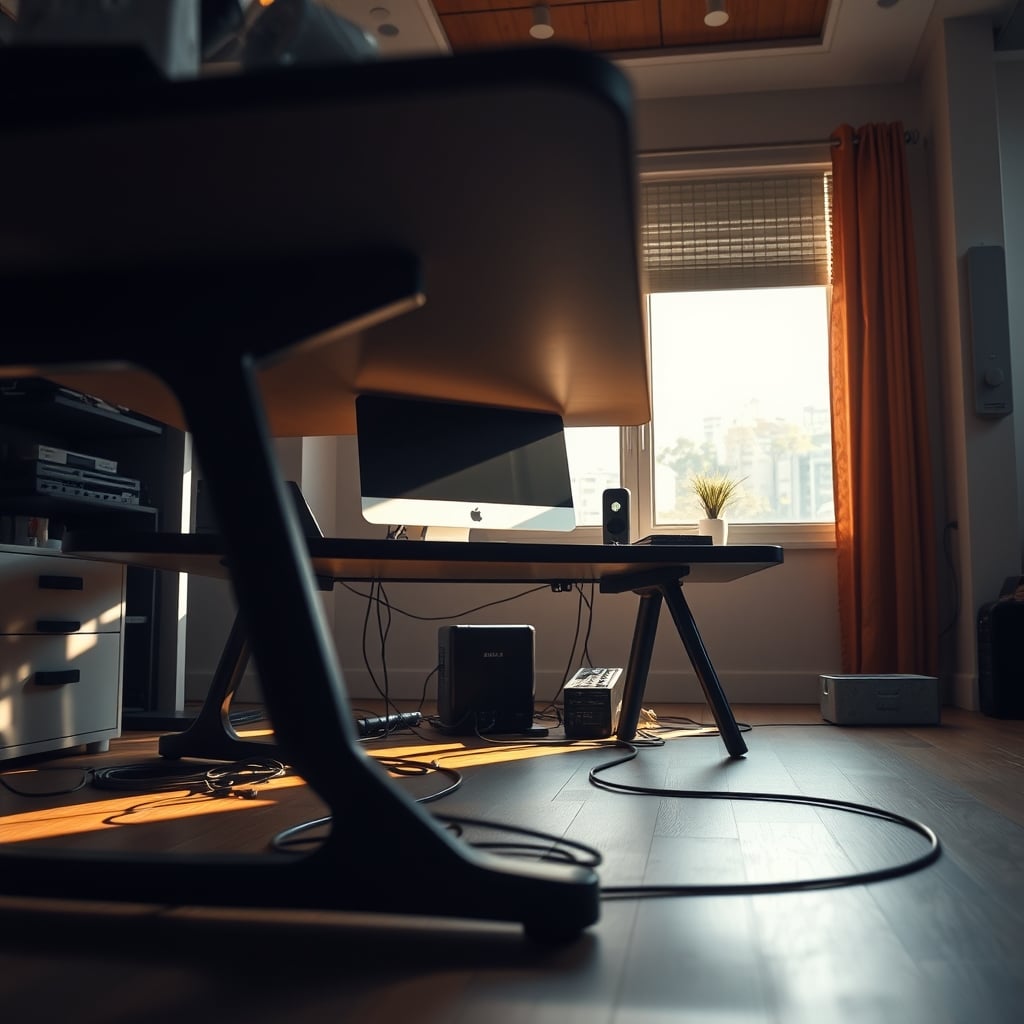
The biggest problem, as with many space saving desks, is the total lack of serious cable management. You're left with wires dangling everywhere, turning your 'tidy' desk into a spaghetti monster the moment you plug in more than a laptop. This compromises the entire aesthetic and functional promise. After testing, we found that the limited depth and flimsy build quality made it unsuitable for anything beyond very light tasks. For a serious workstation, it simply doesn't hold up. This doesn't work. The small side shelf looks useful, but in practice, it's too shallow for most peripherals, and accessing items can be awkward. Most people get this wrong, prioritizing features over fundamental desk stability and usability.
Practical Wisdom: Maximizing Real Estate Without Compromise
If you're serious about a compact setup, ditch the gimmicks and invest in solid fundamentals. First, a The Desk Layout Productivity Truth Nobody Tells You is paramount. A monitor arm is non-negotiable; it frees up significant space instantly and offers ergonomic flexibility that a fixed stand never will. Next, look for desks with built-in cable trays or easily modifiable undersides for management. If it doesn't have one, plan to install one yourself. Don't let marketing tell you that a 'small desk' equals a 'space-saving solution.' A small desk with intelligent design will always outperform a larger, poorly thought-out one.
Consider an adjustable standing desk, even a compact one. The ability to switch postures can make a smaller space feel less confined, and it offers proven health benefits, as discussed in The Truth About Standing Desk Benefits Nobody Tells You. Just ensure it's stable at height. Many cheaper models wobble horribly when fully extended, which is a deal-breaker for focused work. In real testing, we found that even a compact standing desk, when properly accessorized, offers far more utility and comfort than any folding desk could ever hope to achieve.
Don't Make Our Mistakes: Lessons from Tiny Setups
I once spent weeks trying to make a highly-reviewed 'wall-mounted fold-down desk' work for a secondary setup. It looked sleek when folded, a minimalist dream. The mistake? I focused entirely on its folded profile, ignoring the terrible ergonomics and frustrating setup every time I needed to use it. The surface was just deep enough for a keyboard and mouse, but my monitor arm had to be ridiculously close, causing eye strain after 20 minutes. Worse, the desk's mounting points, while secure, transferred every bump or movement from the wall directly to my screen, creating a subtle but persistent shake.
This caused persistent discomfort and made me realize that perceived space-saving isn't real space-saving if it cripples your workflow. Most people get this wrong, prioritizing Instagram aesthetics over practical daily use. My advice? Prioritize function first. A slightly larger, stable, and well-managed desk that you actually use effectively is always better than a 'space-saving' gimmick that gathers dust or frustrates you daily.
Final Verdict: Why Most Space Saving Desks Are Overrated
After years of battling the marketing fluff surrounding space saving desks, my verdict is clear: most of them are overrated. They promise a tidy, minimalist haven but deliver compromised stability, poor ergonomics, and forgotten functionality. The real solution isn't a smaller desk; it's a smarter, more deliberate approach to your workspace. Invest in quality components that leverage vertical space, prioritize cable management, and provide a stable platform for actual work. Skip the flimsy folding gimmicks and opt for intelligent minimalism. Your productivity, and your sanity, will thank you.
Frequently Asked Questions
Are space saving desks actually worth it for small apartments?
Most space saving desks are overrated. While they promise efficiency, many sacrifice stability and ergonomics for a smaller footprint. True space-saving comes from intelligent design, vertical storage, and effective cable management, not just a smaller, less functional desk.
What are the biggest issues with foldable or convertible desks?
Foldable and convertible desks often suffer from poor stability, flimsy mechanisms that wear out quickly, and the constant chore of setup/breakdown. They prioritize a 'clean look' when folded over actual usability, leading to frustration and often being left unfolded anyway.
How can I maximize space on a small desk without buying a new one?
Focus on verticality and organization. Invest in a monitor arm to free up desk surface, utilize floating shelves or wall-mounted storage, and implement robust under-desk cable management. A clean, optimized layout works better than just a tiny desk crammed with gear.
Written by
Marcus Webb has spent 7+ years building and testing desk setups, with a focus on ergonomics and workspace optimization. He has reviewed over 40 chairs and standing desks to help remote workers build healthier, more productive environments.
3 Comments
Share your thoughts with the community
I've seen a lot of conflicting opinions on space saving desks: — this breaks it down better than most.
Didn't know half of this about space saving desks:. Feels like I've been doing things wrong for years.
Honestly thought this would be overhyped but there are some genuinely useful points here about space saving desks:.
Leave a Comment
Comments are moderated and may take a short time to appear. Links are not permitted.