ANC Deep Work Focus The Truth Nobody Tells You
Everyone touts ANC headphones for deep work, but the reality is more nuanced. We rigorously tested the claims and found that true focus demands a more sophisticated approach than just silence.
I've spent thousands on ANC headphones, convinced that absolute silence was the golden ticket to uninterrupted deep work. Like many, I bought into the hype – the promise of a digital fortress against auditory distractions. The truth, as I discovered in years of testing diverse setups, is far more complex and often counterproductive.
The market relentlessly pushes Active Noise Cancellation (ANC) as the ultimate deep work solution. The assumption is that by eliminating all external noise, you inherently enhance focus. But the human brain isn't a simple on/off switch. Prolonged, absolute silence can paradoxically lead to increased self-awareness of internal bodily sounds, tinnitus exacerbation, or even a heightened sensitivity to minor external noises once the ANC is disengaged. It creates a vacuum the brain often tries to fill, sometimes with detrimental effects on sustained concentration.
True anc deep work focus isn't about eradicating all sound. It's about curating your auditory environment. We're talking about strategic noise reduction combined with carefully selected auditory stimuli that promote cognitive flow, rather than simply suppressing the world.
The Psychoacoustics of ANC Deep Work Focus
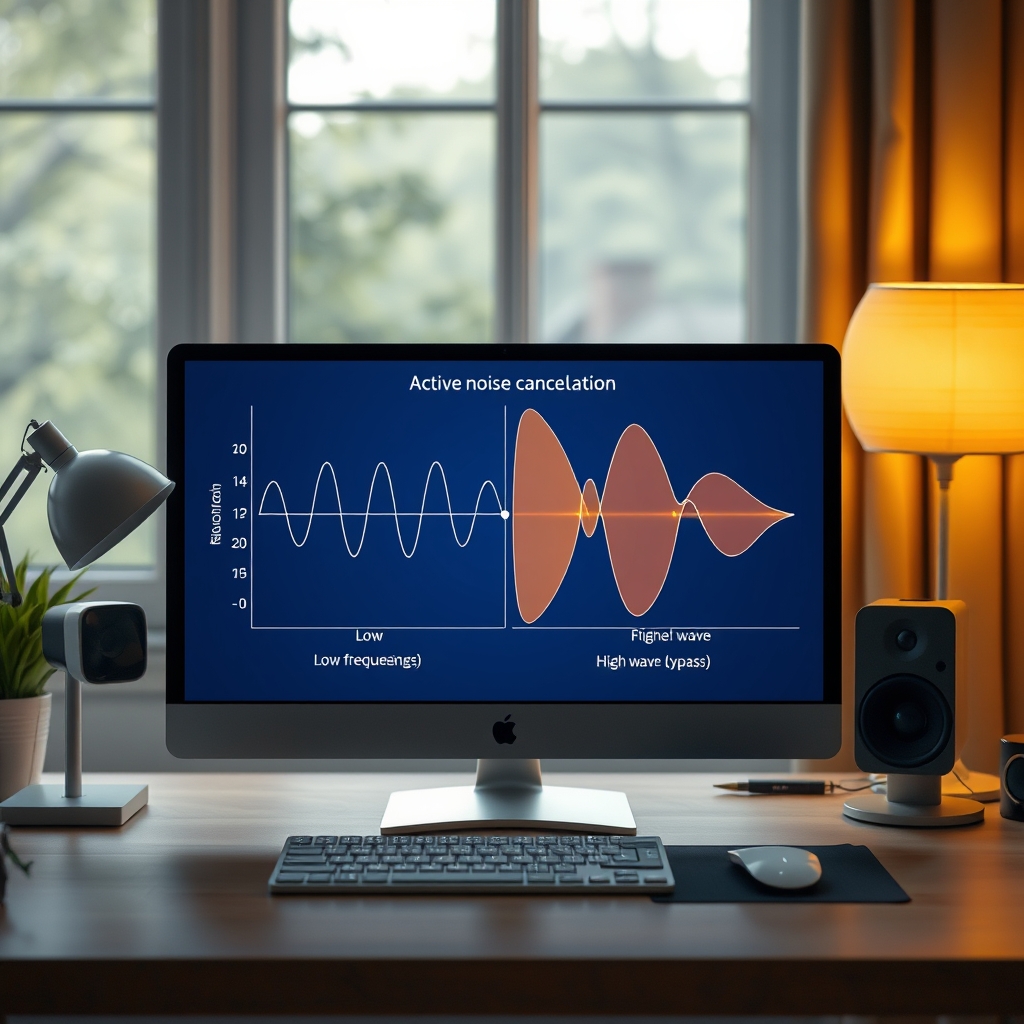
ANC headphones primarily excel at mitigating low-frequency, steady-state noise – the droning hum of an HVAC system, engine rumble, or constant fan noise. They are less effective against sudden, high-frequency, or impulsive sounds like human speech, keyboard clicks, or a sudden knock. This is critical. A significant portion of environmental distraction falls outside ANC's optimal operational range.
Consider the concept of the 'background hum' that boosts focus, as discussed in our deep dive into the absolute quiet deception and anxiety's background hum for focus. Research, such as studies from the University of Illinois, suggests that a moderate ambient noise level (around 70 dB) can actually enhance creative performance and foster a state of cognitive flow, which is foundational to deep work. The pursuit of 'zero dB' can create an unnerving auditory void that your brain actively works to fill, often with internal monologue or somatic awareness, thus diverting cognitive resources.
Beyond dB: When ANC Becomes a Crutch

🔥 Tribesigns 55 inches Executive Desk and 43" lateral File Cabinet, L-Shaped Computer Desk Home Office Furniture with Draw
Premium Pick
- High performance
- Premium build
- Top rated
Many premium ANC headphones claim noise reduction between -20dB to -35dB. While impressive, this metric doesn't tell the full story for deep work. The psychological cost of over-reliance on ANC is significant. When your only strategy for focus is to externalize noise reduction entirely onto a device, you neglect the critical process of internalizing focus mechanisms and optimizing your physical workspace.
As explored in the silent killer: noise-cancelling headphones that sabotage concentration, depending entirely on ANC can lead to a phenomenon known as 'auditory fatigue,' where the constant pressure of active noise cancellation becomes fatiguing over long periods. This isn't just about sound; it's about the cognitive load of the system itself.
Passive Isolation: The Unsung Hero
Before ANC even kicks in, passive noise isolation (PNI) from the physical design and seal of your headphones does substantial work. A headphone with excellent PNI will block a wide range of frequencies through sheer physical impedance. Good PNI means less work for the ANC circuitry, leading to less auditory fatigue and a more natural-sounding experience. Don't underestimate the seal of your earcups or the quality of your ear tips.
Practical Tips for Leveraging ANC for Deep Work
- Layered Soundscapes: Instead of absolute silence, combine ANC with generative ambient audio. Play brown or pink noise at a low volume (e.g., 40-50 dB). This masks residual high-frequency distractions while providing a consistent, non-distracting auditory bed. Apps like Endel or brain.fm offer scientifically-backed soundscapes for focus.
- Strategic Silence: Deploy ANC for specific, high-distraction tasks or peak distraction periods. Don't wear them for 8-hour stretches if your environment doesn't demand it. Utilize them during high-stakes analytical work or creative bursts that require maximum concentration.
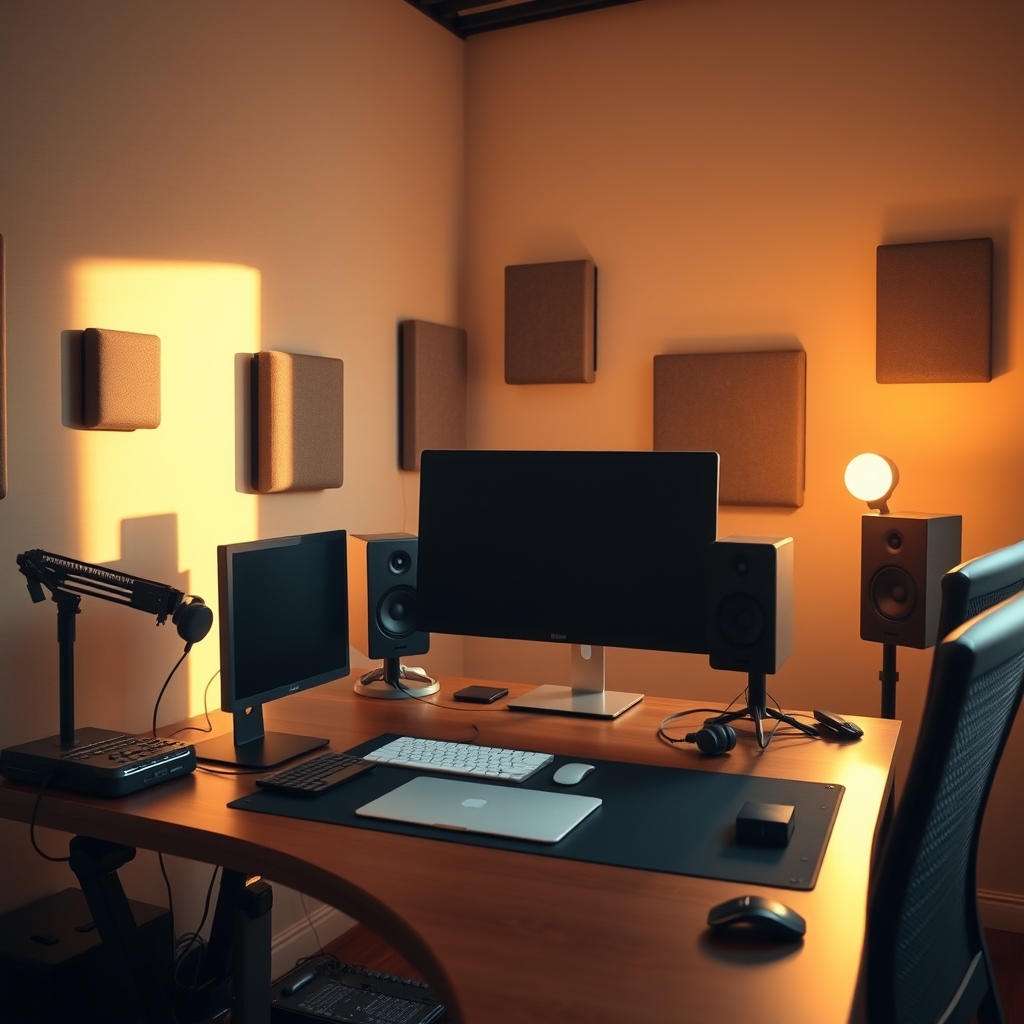
- Prioritize Environmental Control: Before relying solely on headphones, address physical room acoustics. Simple measures like heavy curtains, soft furnishings, or even basic acoustic panels can significantly reduce ambient noise before it even reaches your ears. For advanced optimization, refer to the science of room acoustics for audio edits.
- Optimal Headphone Fit: A perfect fit is non-negotiable. Ensure your headphone earcups fully enclose your ears (over-ear) or your ear tips create a secure seal (in-ear). Even the best ANC is compromised by poor passive isolation. Look for specific ear tip sizes or aftermarket options for a custom fit.
Mistakes to Avoid
My most significant mistake in seeking anc deep work focus was relying solely on premium ANC headphones for 8+ hours a day. I found myself experiencing "ear fatigue" and a strange sense of auditory isolation that made returning to normal ambient noise jarring and distracting. This over-reliance led me to neglect optimizing my actual workspace acoustics, creating a dependency rather than a balanced solution.
- Ignoring Passive Noise Isolation: Many assume ANC fixes everything. A poor-fitting headphone, even with ANC, still leaks higher frequencies. Always prioritize a good physical seal.
- Chasing Zero dB: The pursuit of absolute silence is often counterproductive and unhealthy for sustained cognitive effort. Your brain needs some stimulus; the goal is the right stimulus.
- Using ANC for all tasks: Not every task benefits from absolute silence. Sometimes, moderate ambient noise or even certain music genres can enhance cognitive flexibility or creative output.
Final Verdict
ANC is a potent tool, but it's not a silver bullet for deep work. Used intelligently, integrating it into a holistic strategy that accounts for both your external environment and internal cognitive processes, it can be invaluable. It's about control and curation, not total eradication. Understand its limitations, leverage its strengths, and combine it with environmental optimization and thoughtful audio choices to truly unlock your focus.
Frequently Asked Questions
Is ANC bad for your ears or health?
No, ANC itself is not inherently bad for your ears. It works by generating inverse sound waves, not by blocking sound through harmful pressure. However, prolonged use at high volumes, as with any headphones, can damage hearing. The 'vacuum' sensation some people experience is typically harmless but can cause discomfort or exacerbate existing tinnitus for a minority.
What's the ideal noise level for deep work?
The ideal noise level is highly individual, but research often points to a moderate ambient level, roughly 50-70 dB, as optimal for creativity and focus. Complete silence (below 30 dB) can sometimes be distracting as your brain becomes more aware of internal bodily sounds or subtle external noises. The key is consistent, non-intrusive sound, whether that's low-level broadband noise or very soft instrumental music.
Can ANC headphones improve concentration?
Yes, when used strategically, ANC headphones can significantly improve concentration by reducing external auditory distractions, particularly low-frequency ambient noise. However, their effectiveness is amplified when combined with good passive isolation, an optimized physical workspace, and a conscious approach to sound curation rather than just relying on them for absolute silence.

Written by
Mia is an interior designer turned tech minimalist. She curates the most aesthetic, clutter-free desk setups on the internet, focusing on natural light and wood tones.
2 Comments
Share your thoughts with the community
Have you tested this with older hardware? Wondering if deep work focus performs differently in that case.
Is there a specific order you'd recommend for upgrading deep work focus, or does it depend on use case?
Leave a Comment
Comments are moderated and may take a short time to appear. Links are not permitted.