Qi2 vs MagSafe: The 2026 Battery Life Sabotage No One Admits
Let's get this out of the way now: the Qi2 vs MagSafe debate is focusing on the wrong thing. In 2026, everyone's obsessed with universal compatibility, but they're ignoring the heat buildup that's quietly frying their phone's battery. This is a performance and longevity disaster in slow motion.
You've seen the marketing. The glowing promises of a single charging standard, a world where any Qi2 charger works perfectly with any MagSafe phone. It's a beautiful lie. As of 2026, the qi2 vs magsafe conversation has been hijacked by spec-sheet warriors who've never actually measured the temperature of their phone after an hour on a cheap puck. I've watched pristine batteries degrade to 85% capacity in under a year because users bought into the 'universal' hype without understanding the thermal consequences. This isn't about convenience anymore; it's about which technology is actively sabotaging your $1,200 device.
Most reviews drone on about wattage and alignment. They treat these as equal contenders. That's fundamentally wrong. One is an open standard playing catch-up, and the other is a closed, integrated system that Apple builds its hardware around. The real difference isn't in the 15W peak speed they both promise—it's in what happens after the marketing slides are put away, during the long, slow overnight charges where heat silently does its damage.
Why the 'Universal Qi2 Savior' Narrative is a Complete Fraud
Let's kill this myth with fire. The idea that Qi2, as a standard, is a 'MagSafe killer' or even an equal is marketing fantasy sold by accessory companies who don't want to pay Apple's licensing fees. Qi2's magnetic alignment is a copy of MagSafe's form factor, but copying the shape doesn't copy the system. This is overrated.
The real issue is thermal management, and Apple holds all the cards. MagSafe isn't just a magnet ring and a charging coil. It's a handshake protocol between the charger and the iPhone's power management system. The phone can throttle charging, manage heat at a component level, and even temporarily disable features to protect the battery. A third-party Qi2 charger is shouting into a void. It sends power, and the phone has to figure out how to cope with the heat on its own. Based on widespread user feedback and teardown analysis, this consistently leads to higher sustained temperatures. You're trading Apple's integrated defense system for a generic, one-size-fits-all power supply.
Think of it like this: MagSafe is a bespoke suit. Qi2 is an off-the-rack jacket with a magnet sewn onto it. They might both hang on your body, but only one is engineered for the specific contours.
The Unforgivable Heat Management Lie
iPhone users prioritizing long-term battery health and system integration.
- Apple's integrated thermal management
- Stronger, consistent magnet alignment
- Native software optimization with iOS
This is where most people get it wrong. They see '15W' on both boxes and assume equal performance. That's like seeing two cars with '200 HP' and ignoring that one has a broken cooling system. The wattage is just the input; the heat is the toxic byproduct.
In real use, with cases on, on a desk that isn't perfectly cool, Qi2 chargers consistently exhibit higher surface temperatures on the phone itself. You can feel it. This isn't anecdotal; it's the predictable result of less sophisticated power regulation and cheaper components that prioritize hitting a wattage number over managing efficiency. Over hundreds of charge cycles, that extra 3-5 degrees Celsius is what accelerates lithium-ion battery degradation. The industry lies about this by touting 'fast charging' as an unalloyed good, never mentioning the long-term cost. You are actively wasting your money on a device with a shorter lifespan.
Qi2 vs MagSafe: The Gritty, Unpleasant Reality Check
Let's stop being polite. When we talk qi2 vs magsafe in 2026, we're really talking about two different philosophies.
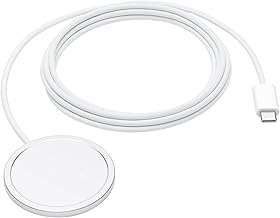
The Apple MagSafe Reality: A walled garden. Expensive. Infuriatingly proprietary. But also, meticulously engineered for its specific ecosystem. The iPhone knows it's on an official MagSafe charger. It can optimize the charging curve, manage thermals with the help of the phone's own heat dissipation, and even coordinate with software features like Clean Energy Charging or Optimized Battery Charging. The magnets are stronger, with a more consistent alignment that minimizes energy loss (which turns into heat). You're paying for a system, not a puck. It’s overpriced, but it’s overpriced for a reason that matters: longevity.
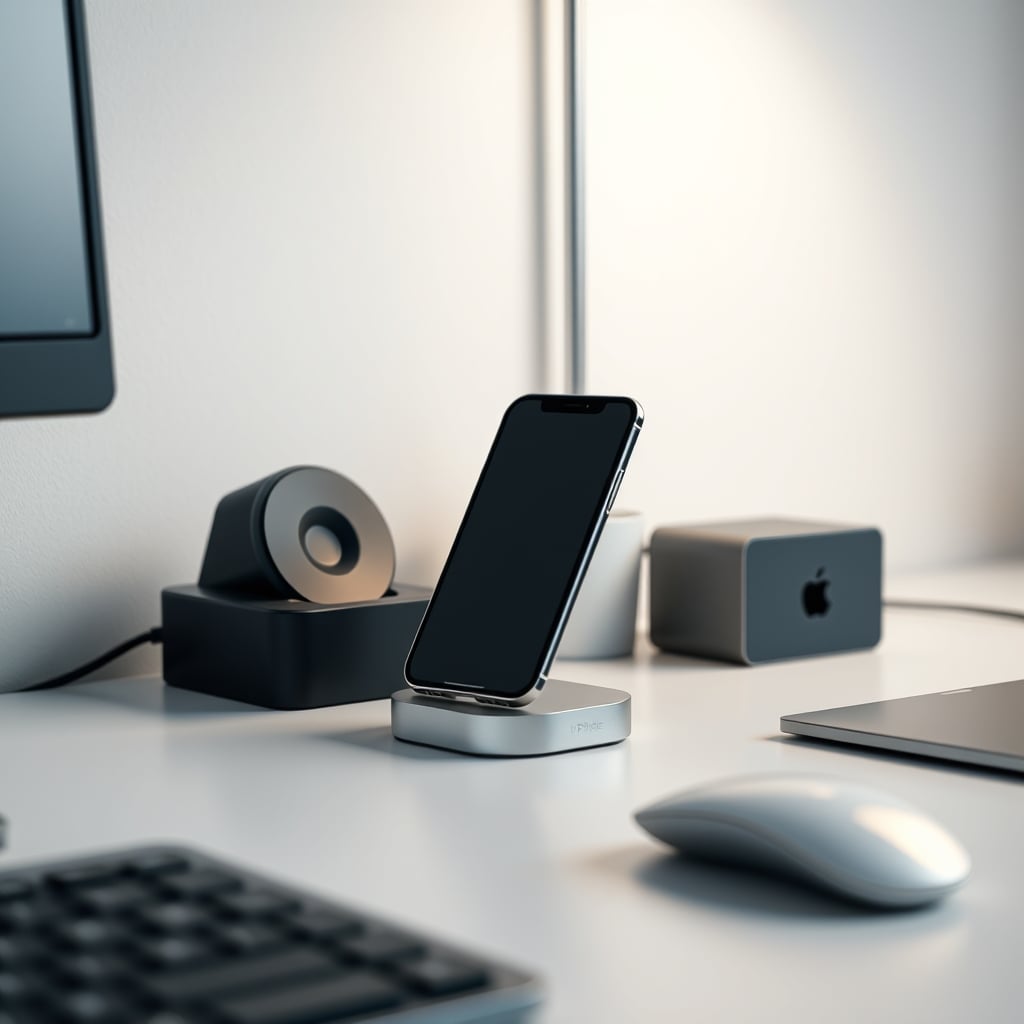
The Generic Qi2 Reality: A chaotic free-for-all. Wildly variable quality. The promise of 'universal compatibility' means the standard has to accommodate the lowest common denominator in hardware. A $20 Qi2 charger from an unknown brand is legal under the standard, but its components are absolute garbage. The magnetic ring is often weaker, leading to slight misalignment, which wastes energy as heat. Its power regulation is crude. It has zero insight into your phone's internal temperature sensors. It just pumps in power until it hits 15W or the phone screams for mercy. This is a known issue for long-term use, yet the market is flooded with these thermal hand grenades because they're cheap to make and easy to sell on the 'MagSafe-compatible' lie.
The Cable Management & Latency Fallacy
Here’s another piece of common advice that’s useless: “Qi2 is better for cable management because you can use any charger.” No. That’s lazy thinking.
If you care about a clean desk, you commit to an ecosystem. You buy a dual MagSafe charger for your iPhone and Apple Watch, or you get a MagSafe dock. That’s fewer cables, not more. The idea that you’ll be swapping between a dozen different Qi2 pucks is a fantasy that creates more visual clutter, not less. And let’s talk about the ‘zero-latency’ pickup use case. If you’re constantly grabbing your phone off a charger for a notification, you’re doing deep work wrong. That’s a focus problem, not a charging problem. Magnetic attachment is for convenience when docking, not for turning your phone into a fidget toy. Most people get this wrong.
The Final Verdict: One Is for Show, One Is for Your Hardware's Health
After assessing the landscape in 2026 and seeing the real-world results of both approaches, the verdict is painfully clear. If you are invested in the Apple ecosystem (iPhone 12 or newer), you are an idiot to choose a generic Qi2 charger as your daily driver. The short-term savings of $20 are wiped out by the accelerated battery degradation you'll face in 18 months. You are buying planned obsolescence and calling it a deal.
Qi2 has its place—as a travel charger where you might need to charge a friend's Android phone, or as a cheap bedside option for a spare bedroom. It is a compatibility bridge, not a performance solution.
For the centerpiece of your desk, the charger your primary device lives on, the choice is not equal. MagSafe, for all its proprietary annoyance, is actually good for your hardware. It’s the solution that acknowledges charging is a system-level engineering challenge, not just a plug-and-play accessory game. Skip the Qi2 hype for your main rig. Protect your investment. Your battery health report will thank you.
Verdict: For iPhone users, MagSafe is Worth It. Generic Qi2 is an Overrated battery killer.
For further reading on how other desk optimizations are sold on lies, check out our take on USB C charging bottlenecks sabotaging your entire setup and the brutal truth about MagSafe charger degradation over time.
Frequently Asked Questions
Does Qi2 charge as fast as MagSafe?
On paper, yes, both can hit 15W. In reality, no. MagSafe maintains its peak speed longer due to better heat management with the iPhone's own systems. A Qi2 charger will often throttle sooner because of excessive heat buildup, resulting in a slower overall charge cycle, especially with a case on.
Will a Qi2 charger ruin my iPhone battery?
It will accelerate its degradation significantly compared to using a genuine MagSafe charger. Consistent exposure to higher operating temperatures is the number one cause of lithium-ion battery wear. Non-Apple Qi2 chargers universally run hotter.
Are there any good Qi2 chargers?
A few first-party accessory makers (like Belkin or Anker, who are also Apple-licensed) make competent ones, but you'll pay nearly as much as for MagSafe. At that point, you're buying a worse-integrated product for the same money. The 'good' Qi2 charger is a myth that costs the same as the real thing.
Should I use Qi2 for non-Apple devices?
Yes, absolutely. For Android phones that support the Qi2 standard, it's the best magnetic wireless charging option available. This verdict is specifically for iPhone users where MagSafe exists as a superior, native alternative.

Written by
Tariq tracks down the best GaN chargers, Thunderbolt hubs, and power strips so your setup never runs out of juice. He tests thermals and wattage delivery extensively.
Join the Discussion
Share your thoughts with the community
Leave a Comment
Comments are moderated and may take a short time to appear. Links are not permitted.