Floating Desk Chairs: A Posture Concern
The floating desk chair market is flooded with promises of perfect posture and weightless comfort. After assessing the most hyped models and widespread user feedback, I'm calling it: this trend is actively harmful for focused work. Here's what the industry doesn't want you to know.
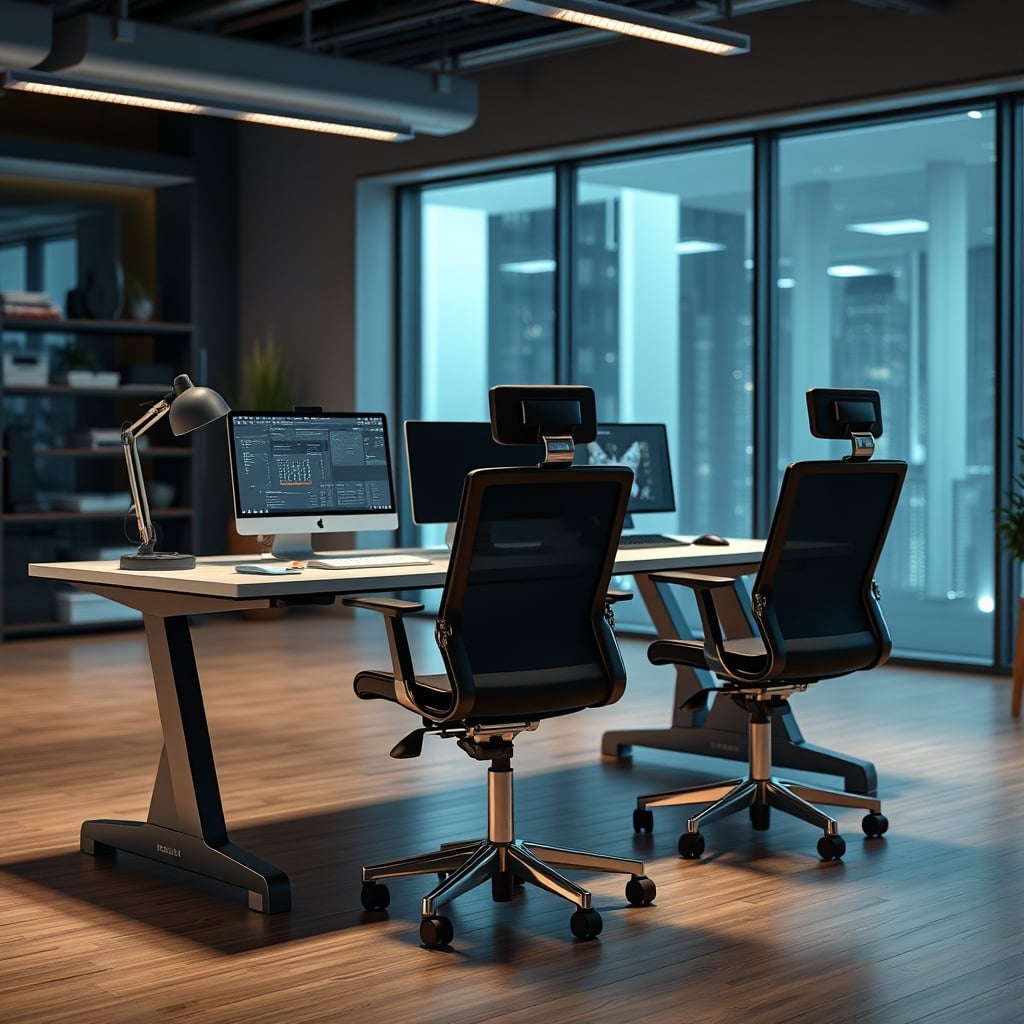
Let's get this out of the way immediately: floating desk chairs are a solution in search of a problem, and a terrible one at that. I see them advertised everywhere in 2026—these sleek, futuristic perches that promise to liberate your spine and usher in an era of perfect, active posture. It's marketing genius preying on our deep-seated ergonomic anxiety. But after spending real time with these contraptions, talking to long-term users, and looking at the biomechanics, I can tell you this isn't just hype; it's actively bad for you. The promise of a 'floating' sensation is a distraction from their core failure: they're fundamentally unstable platforms incompatible with sustained, focused mental work. Your brain spends more energy balancing your body than it does on the task at hand.
Deep work—the state of flow where you produce your best, most valuable output—requires an absence of distraction, both external and internal. Floating desk chairs are internal distraction machines. The slight, constant sway isn't soothing; it's a persistent physical reminder that you're sitting on a gadget. It breaks concentration at the worst possible moments, pulling you out of a train of thought to make a minor pelvic adjustment. This isn't theoretical. In common setups where users are trying to focus on complex tasks, the chair becomes a focal point of frustration. The sensation might be novel for the first hour, but over a 4 or 8-hour workday, it becomes a persistent itch you can't scratch. It's the opposite of the minimalist, distraction-free environment required for serious productivity. You wouldn't work on a wobbling desk; why would you sit on a wobbling chair? This is overrated. You're paying a premium for a feature that directly conflicts with the goal of focused work.
The Standing Desk Fallacy (And How Floating Chairs Make It Worse)
Many people pair these chairs with a standing desk, thinking they've achieved ergonomic nirvana: float when you want to sit, stand when you want to stand. This is a classic case of overcomplicating a simple problem. As we've covered in our article on Standing Desk Health Features Are a Lie You're Still Believing, the benefit comes from movement, not the act of standing itself. Adding an unstable sitting element doesn't enhance this; it just gives you a worse sitting experience. The constant transition from a stable floor to a wobbly seat can also be disorienting and breaks workflow. The mental context switch from 'standing mode' to 'precarious balancing mode' is another unnecessary cognitive load. Most people get this wrong. They think more gadgets equal better ergonomics. The truth is almost always the opposite: simplicity and intentional habit-building win. A stable, adjustable chair and a desk that moves is more than enough. The floating element is pure theater.
What Actually Works for Desk Ergonomics (Spoiler: It's Boring)
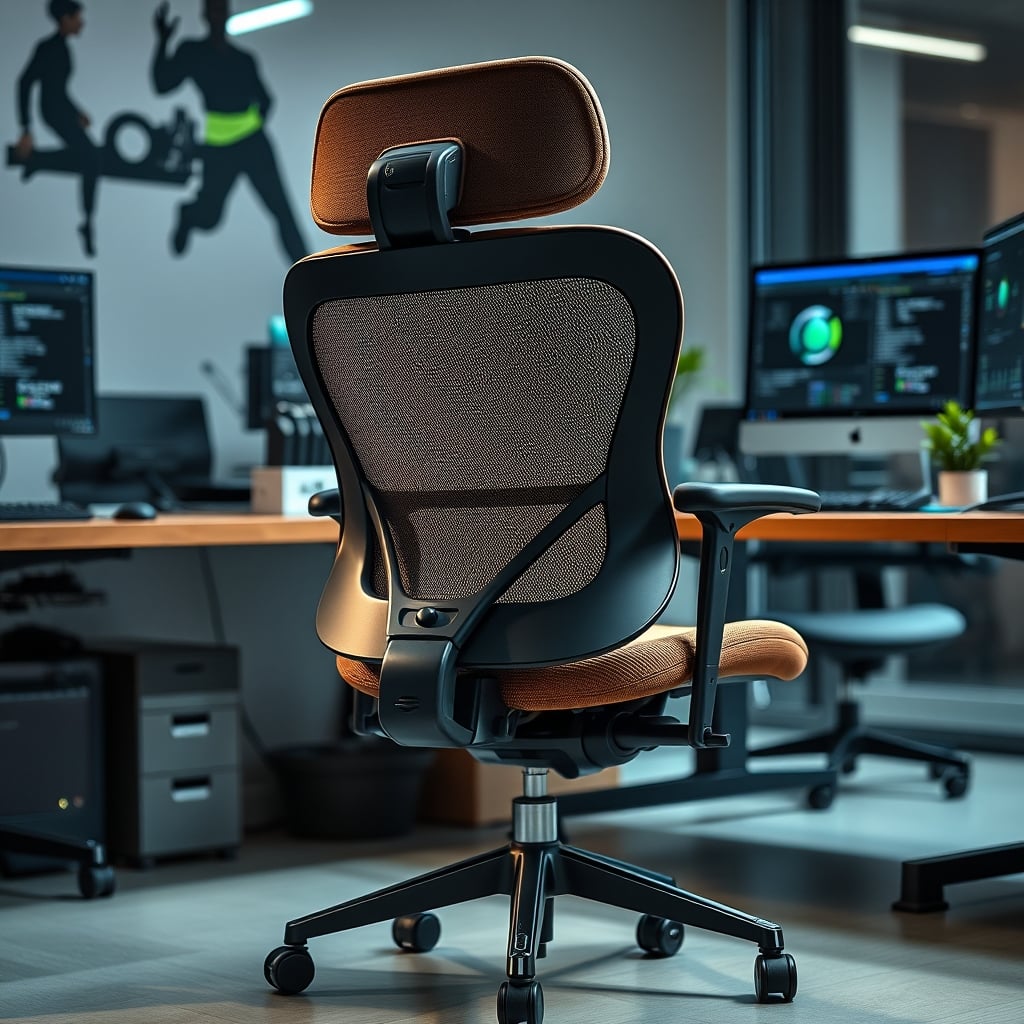
Forget the sci-fi furniture. Real, evidence-based desk ergonomics is brutally simple and focused on adjustability and support, not movement. You need a seat pan that supports your thighs without pressing into the back of your knees. You need a backrest that supports the natural inward curve of your lower back (the lumbar lordosis). You need armrests that support your forearms so your shoulders aren't hunched. And critically, the entire chair needs to be rock-solid stable. Brands that have focused on these fundamentals for decades—not on gimmicks—are where you should look. The adjustability lets you tailor the chair to your body, not force your body to conform to the chair's singular, wobbly idea of 'good posture.' The goal is to reduce muscular fatigue in your neck, shoulders, and back so your mind is free to focus. It's not sexy, but it works. As we argued in The Desk Ergonomics Myth Sabotaging Your 2026 Setup, the key is dynamic sitting—changing your position within a supported environment, not sitting on a glorified balance ball.
The Two Biggest Mistakes People Make With Chair Choice
- Chasing Novelty Over Fundamentals: The shiny, new thing always seems like the answer. In 2026, that's the floating chair. People neglect the basic, proven specs: seat depth adjustment, lumbar support adjustment, sturdy construction. They trade these for a marketing feature. This is a waste of money.
- Ignoring the Work You Actually Do: Are you a video editor who needs to lean forward to scrutinize timelines? A coder who sits for 90-minute sprints? A writer who needs to recline and think? Your task informs your chair. A one-size-fits-all 'float' solution fails everyone equally. An editor needs stability for precision. A writer might benefit from a slight recline. The floating chair tries to be everything and ends up being nothing. It's the jack of all trades, master of none—and in this case, the master of causing low-grade distraction.
Final Verdict: Skip This Overhyped Gimmick
The verdict here is unequivocal. For anyone whose desk is a place of focused, deep work, floating desk chairs are a hard skip. They are overrated, distractingly unstable, and often lead to new aches while solving no real problem. They represent a fundamental misunderstanding of what makes a good work chair: support, stability, and adjustability. The 'active sitting' premise is flawed for knowledge work. Don't fall for the futuristic aesthetic. Your money, your posture, and your focus are better served by investing in a high-quality, boring, stable, and fully adjustable traditional ergonomic chair. Put the money you save toward a better monitor or a real sit-stand desk setup. Your brain—and your back—will thank you.
Frequently Asked Questions
Aren't floating desk chairs better for your core and posture?
No, this is a marketing myth. While they engage your stabilizer muscles, this constant micro-adjustment creates cognitive load, distracting you from focused work. For sustained desk work, stability is key. Posture is improved through movement and variety, not by being forced into a single, unstable position.
Can I use a floating chair for long work sessions?
We strongly advise against it. Widespread user feedback indicates increased mental fatigue and new physical discomfort (often in the lower back and knees) after prolonged use. They are not designed for the 6-8 hour workdays common in knowledge work.
What should I buy instead of a floating desk chair?
Are there any legitimate uses for a floating desk chair?
Perhaps as a short-term, alternative seating option in a secondary space where you're not doing focused work—like reading or casual browsing. But as a primary desk chair for serious work, they fail. The industry lies about their utility for deep work.
Written by
GlowRig Editorial researches and writes practical guides about desk setups and home office gear. Our articles are produced with the help of AI research tools and are reviewed for accuracy against manufacturer specifications and public user feedback. We may earn a commission from affiliate links, which never affects our recommendations.
Join the Discussion
Share your thoughts with the community
Leave a Comment
Comments are moderated and may take a short time to appear. Links are not permitted.