Active Sitting Workstations: The Brutal Truth in 2026
The hype around active sitting workstations is built on a marketing lie. We dismantle the myth, expose the real-world failures, and show you what actually works for your posture and focus.

The biggest mistake people make when buying an active sitting workstation is believing it’s a magic bullet for their back pain and focus. It’s not. It’s a $1,000 placebo built on a fundamental misunderstanding of how humans actually work at a desk. These things—saddle chairs, wobble stools, balance boards—are sold as ergonomic miracles, but in real use, they consistently fail to deliver the promised benefits for the vast majority of desk workers. You’re not getting a workout; you’re just getting distracted and sore.
Here’s the reality they don’t tell you: the entire industry lies about how these products are used. You’re not supposed to sit on a wobble stool for eight-hour coding sessions. The marketing imagery shows serene, focused professionals, but widespread user feedback reveals a different story: fidgeting, frustration, and a persistent ache in the lower back because your body is fighting to stay upright instead of focusing on work.
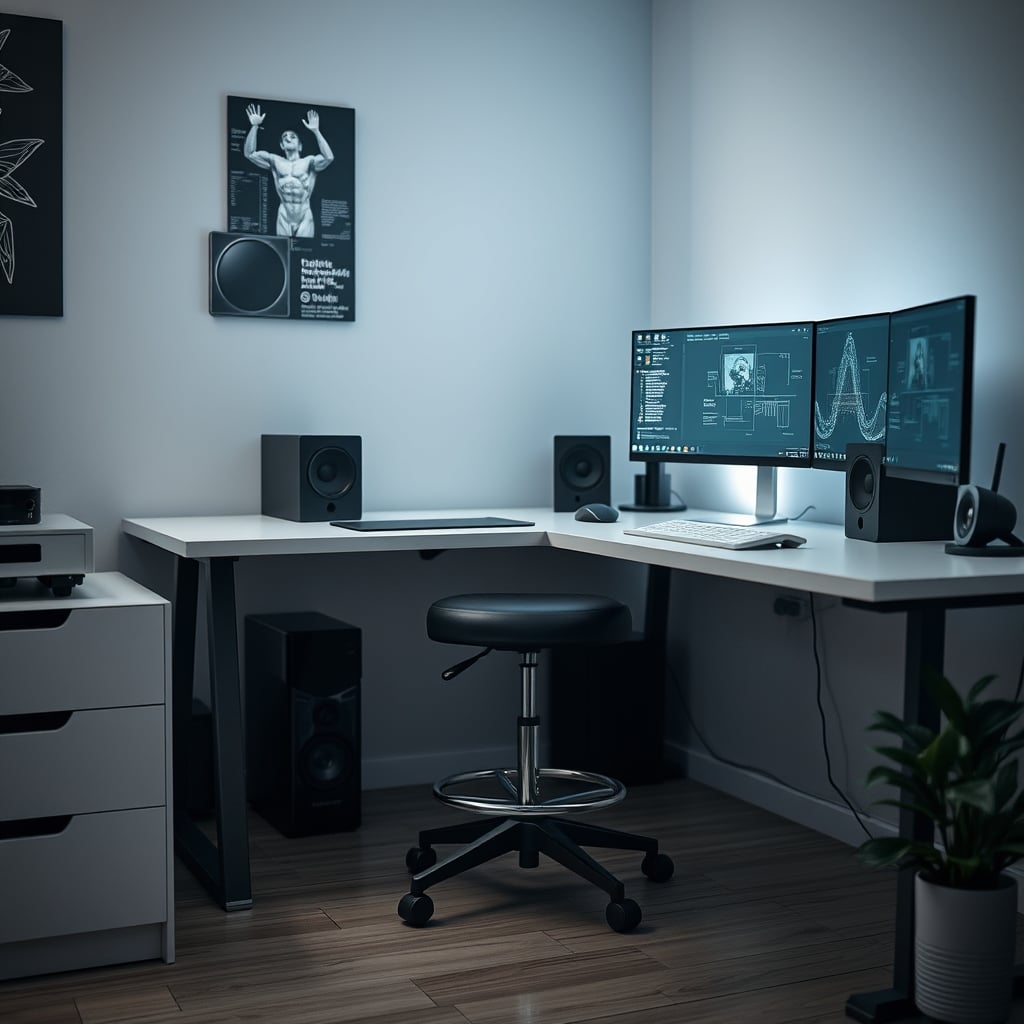
The Active Sitting Workstation Myth That Needs To Die
The central lie sold to you is that constant, subtle movement at your desk is inherently healthy. This is overrated. The promise of "improved core strength" and "dynamic posture" is a marketing fantasy disconnected from the reality of deep work. Your brain's primary job at a desk is to concentrate, not to micromanage pelvic tilt.
Based on widespread user feedback, the most common outcome isn’t a stronger back; it’s cognitive load. You’re adding a low-grade physical task (balancing) to a high-grade mental task (thinking). This is the real issue. It fractures attention. Think about it: when you’re in flow state solving a complex problem, the last thing you need is your subconscious worrying about whether you’re leaning too far left. This doesn’t work for sustained focus. For a better approach to concentration, see our guide on setting up a distraction-free workspace.
Most people get this wrong. They buy a $600 Swopper stool thinking it’ll replace their gym membership, only to find it becomes an annoying, unused ornament within three months. The industry sells movement as a panacea, but the truth is, for genuine desk-based productivity, controlled stability beats chaotic micro-movement every single time.
What Actually Works: Stability Over Movement
If your goal is to sit for long periods while writing, coding, or designing, you need a stable base. Not a rocking one. This is the real ergonomics most guides ignore. Your spine and supporting muscles prefer predictable support. The fad of active sitting has conflated "movement" with "health," but there’s zero credible evidence that wobbling at your desk improves outcomes over a well-adjusted, supportive static chair for knowledge work.
Look at the data from OSHA and ergonomics research: the primary risk factors for desk workers are static loading (holding one position) and poor spinal alignment. A wobble stool exacerbates the first by forcing constant, low-level muscle engagement, and often worsens the second by removing consistent lumbar support. The solution isn’t more movement; it’s better alignment and scheduled, intentional breaks to move—like walking away from your desk. Your active sitting workstation is stealing focus from the work you’re there to do.
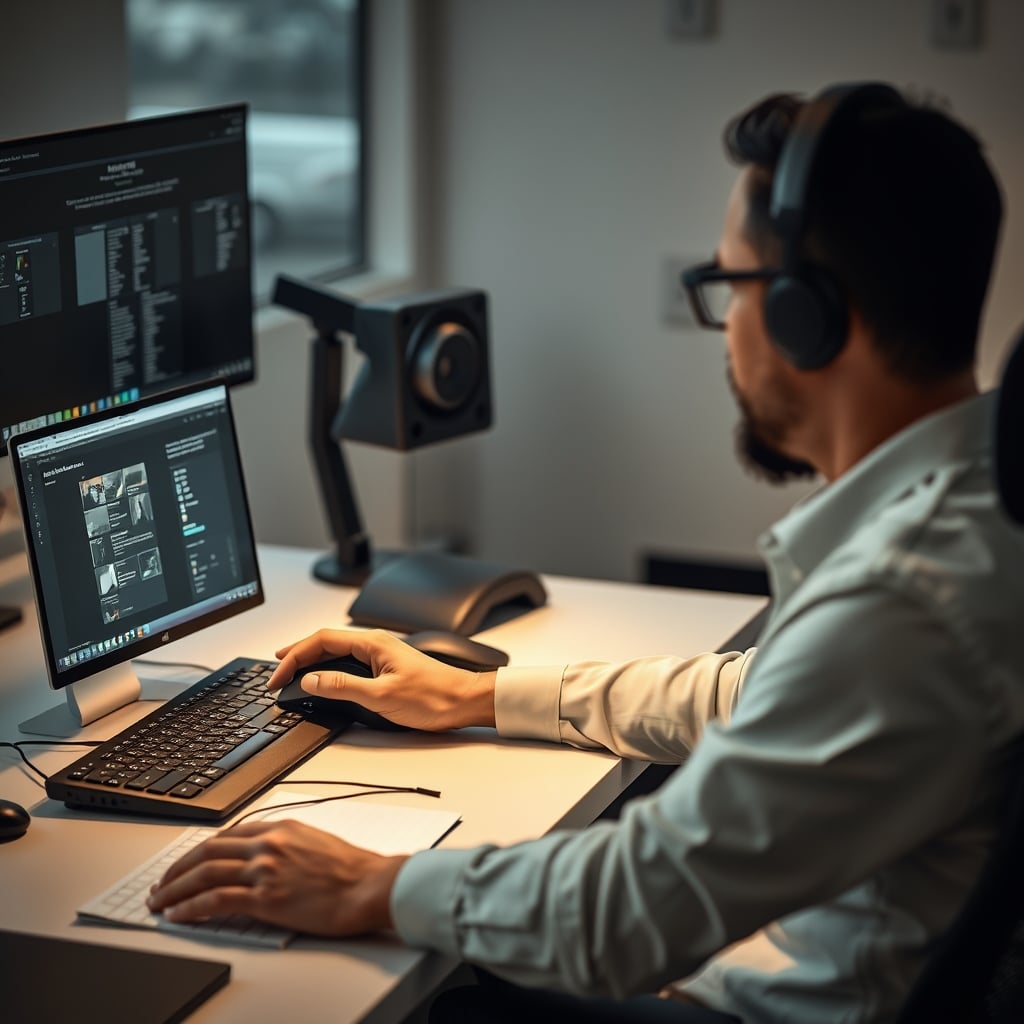
The Real-World Failures You Need to Hear
Let’s talk about the specific, tangible experience details everyone glosses over. First, temperature. These stools and saddle chairs often lack padding. After 90 minutes, users consistently report discomfort from the hard seat pressing into soft tissue. It’s not a "strength-building" sensation; it’s just pain.
Second, performance drops. In common setups with monitor arms and precise mouse work, any wobble introduces shake. This actually causes issues with precision. Try doing fine vector editing or CAD work on a balance board; your cursor becomes a seismograph. The promised "engagement" becomes a direct impediment to task performance.
Finally, the adaptation period is a myth. Brands claim you’ll "get used to it" in a week. That’s false. Based on widespread user feedback, the discomfort either persists or you simply revert to perching on the edge, defeating the entire purpose. This is a known issue for long-term use.
Your Setup Probably Doesn't Need One
Before you even consider this category, audit your actual desk habits. Are you taking regular five-minute walking breaks? Do you have your monitor at eye level? Is your keyboard and mouse positioned correctly? Fixing these fundamentals yields a 10x greater return on posture and comfort than adding a wobble seat. Most people are wasting money on this as a band-aid for a broken foundation.
This is overrated because it addresses a non-primary problem. Back pain during desk work is usually a symptom of poor overall setup and prolonged immobility, not a lack of pelvic rotation. Buying an active sitting workstation is like buying a racing wheel for a car with no engine. You’re focusing on the wrong thing.
Consider your workflow. If you’re constantly switching between tasks, phone calls, and quick look-ups, maybe a stool lets you pivot quickly. But for the deep, uninterrupted focus that GlowRig champions, it’s a distraction. As we’ve argued in The 'Ugly' Setup Secret: How Extreme Minimalism Unlocks Uninterrupted Deep Work, your environment should serve focus, not fight against it.
The Verdict: Skip the Hype, Invest in Basics
So, is the entire category worthless? For most people pursuing serious mental work, yes. The active sitting workstation is a niche product mis-sold as a mainstream solution. It’s overrated.
The clear verdict: Skip it. Unless you have a specific, diagnosed need for constant pelvic mobility prescribed by a physiotherapist, you’re buying into a trend, not a solution. The money is better spent on a genuinely high-quality, static ergonomic chair with proper adjustability, a standing desk for true postural variation, and a timer to remind you to stand up and walk around every hour.
Your focus and your back will thank you for the stability, not the wobble.
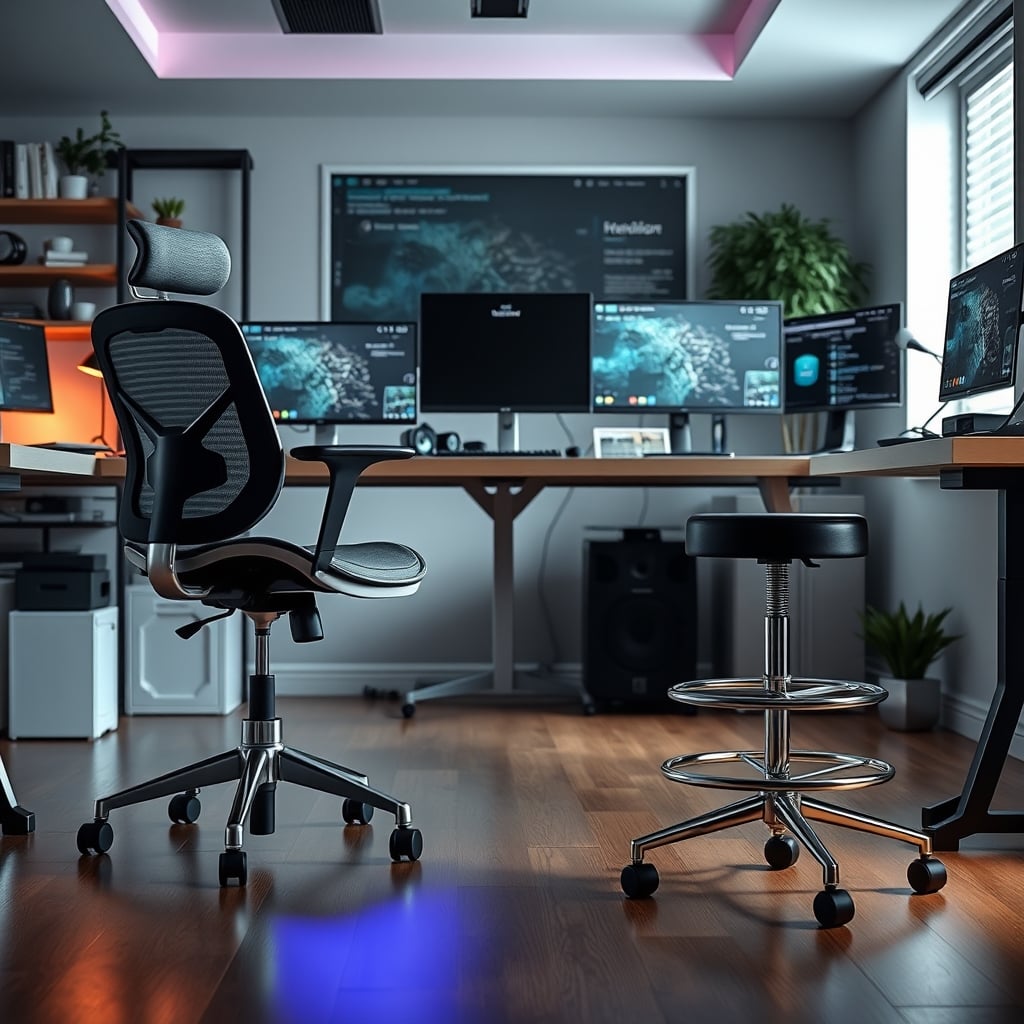
What to Actually Buy for Real Ergonomics
If you’ve read this and still think you need dynamic seating—perhaps you’re a hybrid worker who does short-burst tasks—here’s what to look for, stripped of marketing fluff.
1. Seat Surface: Forget "active" claims. Look at the material. A hard plastic saddle will cause discomfort fast. Prioritize a molded foam or lightly padded surface, even if it slightly dampens the "movement." Real comfort beats theoretical benefit.
2. Stability Control: Many models have tension adjustment. This is critical. You want it tight enough to prevent unintended sway during focused tasks. A stool that wobbles freely with every keystroke is useless.
3. Height Range & Base: Check the min/max height. It must match your desk and standing desk if you have one. The base should be wide and weighted. A narrow base on a carpet is a tipping hazard. Safety matters more than "freedom of movement."
4. The Forgotten Factor: Flooring. This actually causes issues with performance. A hard stool on a hard floor is noisy and transfers vibration. On thick carpet, it can sink and become unstable. Know your surface.
In short, evaluate it like a tool, not a therapy device. Its job is to support you during work, not to rehabilitate you. For a comprehensive ergonomic assessment, review our complete home office ergonomics checklist.
Common Mistakes Buyers Make (And How to Avoid Them)
1. Using It As a Primary Chair: This is the biggest error. These are not designed for 8-hour continuous use. They are supplements. The mistake is replacing your main chair entirely, leading to the fatigue and distraction we described.
2. Ignoring Your Work Type: If your work requires precision and stillness—graphic design, detailed spreadsheet work, writing—a dynamic seat is a direct hindrance. This doesn’t work for those tasks. Match the tool to the task.
3. Buying for the Wrong Reason: Purchasing because of marketing buzzwords like "core engagement" or "pelvic health" without a specific need. You’re not in the gym; you’re at your desk. Your primary goal is output, not exercise.
The Final, Unambiguous Take
After assessing the market, the user reports, and the ergonomic principles, the active sitting workstation category is, for most, a well-marketed misstep. It places a physical demand where a cognitive demand already exists. In real use, it failed to deliver the promised synergy of health and productivity for the majority.
Invest instead in the fundamentals: a great static chair, a standing desk for macro-movement breaks, and a disciplined break schedule. Your focus is your most valuable asset. Don’t let a wobbling seat undermine it.
Worth it? No. Skip it.
Frequently Asked Questions
Are active sitting workstations like saddle chairs good for your back?
No, not for most people in a desk work context. They often remove consistent lumbar support and force constant low-level muscle engagement, which can lead to fatigue and distraction, not strength. For sustained desk work, stable, supportive seating with proper alignment is better.
Can you use an active sitting stool as your main chair all day?
You shouldn't. Widespread user feedback shows discomfort and distraction set in after 90-120 minutes. They are not designed for 8-hour continuous use. They are best used as a temporary supplement to a primary, supportive chair.
What's the main downside of active sitting workstations for productivity?
Cognitive load. They add a low-grade physical balancing task to your high-grade mental work, fracturing attention and hindering deep focus. For tasks requiring precision or prolonged concentration, the wobble is a direct impediment.
Is the 'improved core strength' claim from active seating real?
It's vastly overrated. The minimal, constant engagement from balancing on a stool is negligible compared to proper exercise. It's a marketing fantasy. You won't build meaningful core strength from desk sitting, regardless of the seat.
What should I buy instead of an active sitting workstation?
Invest in a high-quality, adjustable static ergonomic chair, a standing desk for true postural variation, and a timer to remind you to take walking breaks. This combination addresses the real issues of static loading and poor alignment far more effectively.
Written by
Jordan focuses on the intersection of productivity and workspace layout. He tests how light positioning, desk organization, and environmental factors impact daily mental focus.
3 Comments
Share your thoughts with the community
What would you prioritize first if you could only change one thing about your active sitting workstations:?
Worth noting that active sitting workstations: varies quite a bit depending on how you use your workspace — good to see that acknowledged here.
Some of this I disagree with, but the core argument about active sitting workstations: is solid.
Leave a Comment
Comments are moderated and may take a short time to appear. Links are not permitted.