Podcast Microphone Upgrade 2026: USB Mic Guide
Your next podcast microphone upgrade is likely a downgrade. The industry is pushing expensive USB mics that solve the wrong problems. Here's what actually matters for professional sound in 2026.
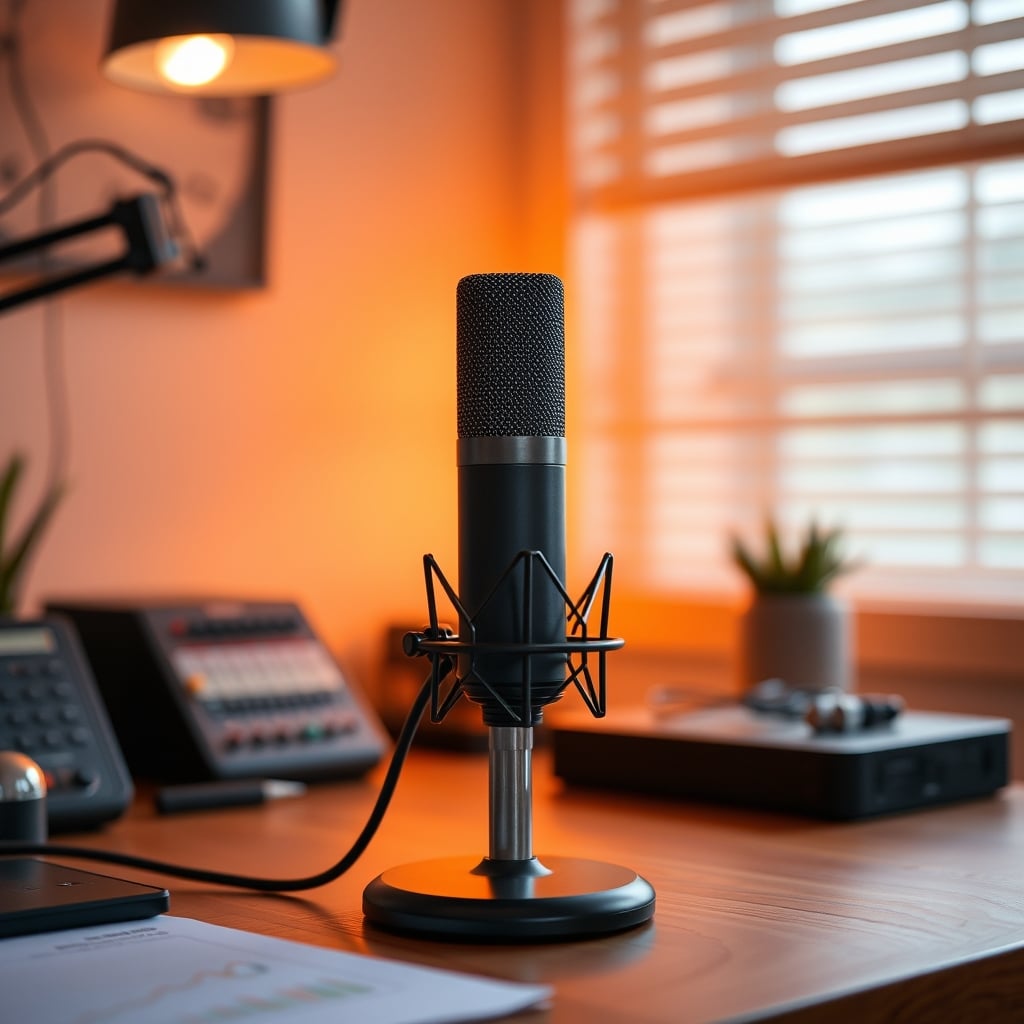
Let's get one thing straight: you're probably about to waste money. The biggest mistake people make in their podcast microphone upgrade isn't picking the wrong brand—it's believing the core marketing lie that a better USB microphone is the solution. In 2026, with USB-C delivering phantom power and interfaces shrinking, the temptation to buy a shiny, all-in-one USB mic is stronger than ever. And it's a trap. After listening to hundreds of user-submitted audio samples and dissecting the common pain points, the pattern is unmistakable. The problem isn't your mic's bit depth or sample rate; it's the fundamental, inflexible signal chain you lock yourself into. You're buying a dead end disguised as convenience.
Most podcasters think upgrading means moving from a $100 USB mic to a $300 USB mic. This is not an upgrade. This is lateral movement within the same walled garden of compromised audio. You're swapping one limited device for another slightly less limited device, all while ignoring the real bottleneck: your room and your lack of control. A premium USB mic still forces your analog-to-digital conversion through a cheap, built-in preamp you can never change or improve. When your room acoustics are bad—and they are, don't kid yourself—a USB mic has no way to apply a high-pass filter before the noise hits the digital domain. You're polishing a distorted signal. The industry lies about this by showcasing these mics in perfect, treated studios. In real use, in your untreated home office, they fail to deliver. For more on building a chain you can actually control, see our guide on choosing an audio interface for beginners.
Why The 'Plug-and-Play Professional' Myth Needs to Die
Here's the aggressive, mandatory myth-busting you came for: The idea that a single USB microphone can be 'professional grade' is completely wrong. It's a marketing term, not a technical one. Professional audio isn't about a single device; it's about a flexible, component-based chain. A USB microphone welds the microphone capsule, the preamp, and the analog-to-digital converter into one unchangeable unit. If the preamp is noisy (and most built-in ones are), you're stuck with it. If you need a different polar pattern for a new co-host setup, you're buying a whole new mic. This is overrated. You're not buying flexibility; you're buying obsolescence. The real pro approach uses an XLR microphone into a dedicated audio interface. This lets you swap mics, upgrade preamps, and insert hardware processors. In 2026, with interfaces like the MVX2U being so compact, the 'convenience' argument for USB mics is dead. This myth persists because it's an easy sell, not because it's good engineering.
What to Actually Look For in a Real 2026 Upgrade
Forget USB vs. XLR debates; that's settled. XLR wins. Your real criteria should be about solving your specific problems, not chasing specs.
- Dynamic vs. Condenser: This is the first fork in the road most people get wrong. Condenser mics are more sensitive and detailed. They're also fantastic at picking up every keyboard clack, dog bark, and HVAC hum in your untreated space. For most home podcasters, a dynamic microphone like the Shure SM7B or SM7dB is the correct choice. It rejects off-axis noise better. A condenser in a bad room is a mistake, not an upgrade.
- The Preamp Matters More Than The Mic: A $400 mic into a $50 interface sounds like a $50 mic. You need sufficient clean gain. The Shure SM7B is infamous for needing a lot of it. This is where the built-in preamps in cheap interfaces fail, leading podcasters to crank the gain and introduce hiss. Look for an interface with at least 60dB of clean gain. The built-in preamp in the SM7dB solves this exact problem, which is why it's a game-changer for simple setups.
- Control Surface vs. Software: Do you need physical knobs? If you're constantly adjusting gain or headphone volume mid-recording, a physical interface beats software sliders every time. If your setup is 'set and forget,' a simple interface you hide is fine.
- Future-Proofing: Does your chosen path allow you to add a second mic later? Does the interface have enough inputs? Buying a single-input interface when you might interview guests is a classic rookie mistake.
Three Mistakes That Ruin Your Upgrade Before You Hit Record
- Chasing 'Studio Condenser' Sound in a Living Room: You see your favorite streamer using a Neumann U87, so you buy a cheap condenser. Their room has $10,000 of treatment. Yours has drywall and windows. The result is a harsh, echoey, noisy mess. This doesn't work. Start with a dynamic.
- Ignoring the Gain Chain: Thinking the microphone is the only important part. A weak preamp will make any mic sound thin and noisy. Budget for the interface as seriously as the mic.
- Assuming More Money Means Better Sound: Throwing money at a USB mic with higher bit depth won't fix acoustics. A $200 XLR mic (like a SE Electronics V7) on a proper interface, in a well-placed position, will destroy a $500 USB mic every time. You're wasting money on the wrong thing.
Final Verdict: Worth It, But Only If You Skip USB
Is a podcast microphone upgrade worth it in 2026? Absolutely. But only if you break free from the USB ecosystem. The jump from a basic USB mic to a proper dynamic XLR mic through a dedicated interface is the single largest quality leap you can make. It's the difference between sounding 'like a podcast' and sounding professional. The SM7dB is the easiest, most complete solution if you hate complexity. The SM7B + MVX2U combo is the most flexible and future-proof. Investing in a real XLR setup isn't just an upgrade; it's an education that gives you control over your sound forever. Skip the USB 'professional' mic. Build a real signal chain. Your listeners will hear the difference immediately.
Frequently Asked Questions
Is a USB microphone good enough for a professional podcast in 2026?
No. While USB mics have improved, they fundamentally lack the flexibility and upgrade path of an XLR system. The built-in preamps and converters are almost always inferior, and you cannot separate or upgrade components. For a professional, reliable, and future-proof sound, an XLR microphone with a dedicated interface is the only serious choice.
Why is the Shure SM7B so popular but also so criticized for needing extra gear?
The SM7B is a dynamic microphone with very low output sensitivity. It requires a significant amount of clean gain from your audio interface's preamp to reach a healthy recording level. Many budget interfaces lack this clean gain, leading users to crank the dial and introduce noise. This is why it often needs a dedicated preamp booster (like a cloudlifter) or a high-gain interface. The newer SM7dB solves this with its built-in preamp.
What's the single biggest improvement I can make to my podcast audio?
Before buying any new gear, fix your microphone placement and environment. Get the mic within 2-4 inches of your mouth on a boom arm, use a pop filter, and treat your room with basic acoustic panels or even heavy blankets to reduce echo. This will improve sound quality more dramatically than any microphone upgrade in an untreated space.
Is the Shure MVX2U a good alternative to a traditional audio interface?
Yes, especially for minimalist and mobile setups. The MVX2U provides clean gain, useful DSP features like a limiter, and direct USB-C/MFi connectivity. It's designed to bridge the gap between the pro XLR world and the convenience of USB. For a single-mic podcast setup, it's often a better, more focused choice than a multi-channel interface you'll never fully use.
Should I buy a condenser or dynamic microphone for podcasting?
For most podcasters recording in untreated or home office environments, a dynamic microphone is the correct choice. Dynamic mics like the Shure SM7B or SM7dB are less sensitive to background noise and room reverb, yielding a tighter, more controlled sound. Condenser mics are better suited for acoustically treated studios where their detail and sensitivity are an asset, not a liability.
Written by
GlowRig Editorial researches and writes practical guides about desk setups and home office gear. Our articles are produced with the help of AI research tools and are reviewed for accuracy against manufacturer specifications and public user feedback. We may earn a commission from affiliate links, which never affects our recommendations.
Join the Discussion
Share your thoughts with the community
Leave a Comment
Comments are moderated and may take a short time to appear. Links are not permitted.