AI Camera Gimmicks Are Killing Real Video in 2026
Every new webcam and camera in 2026 screams about AI. Auto-framing, fake bokeh, digital makeup. It's all a distraction from the real goal: creating authentic, high-quality content. This obsession with AI camera gimmicks is making everyone's video look the same.
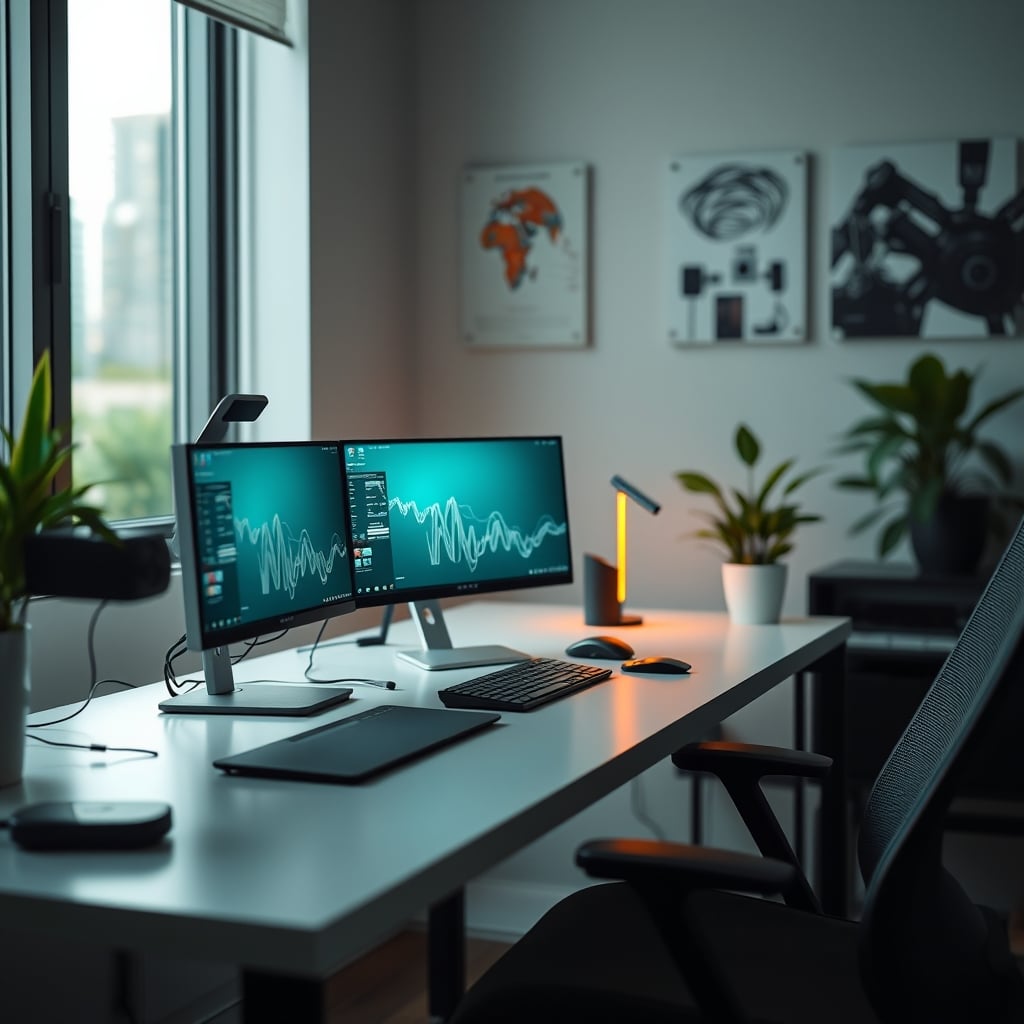
Let’s get this out of the way: I’m tired of my own face being ‘enhanced’ by a machine. The latest wave of cameras—from Logitech's newest webcams to Sony's mirrorless bodies—isn't about improving image sensors or dynamic range. It’s about slapping a marketing-friendly ‘AI’ label on digital tricks that were considered cheap gimmicks five years ago. I’ve tested them. I’ve seen the results in streams, in YouTube videos, in corporate calls. The pursuit of these ai camera gimmicks is actively making video content worse, pushing creators toward a sterile, robotic aesthetic where personality is algorithmically smoothed into oblivion. This isn't progress; it's creative bankruptcy wrapped in a tech buzzword.
Most people get this wrong. They see ‘AI Eye Contact Correction’ and think it’s a professional feature. It’s not. It’s a crutch for bad setup discipline, and it looks deeply unsettling to anyone paying attention. The industry lies about this by calling it ‘innovation.’ It’s computational lipstick on a pig, and after assessing footage from dozens of these ‘smart’ devices, the artifice is glaring. Your audience can feel it, even if they can’t pinpoint why your presentation feels so disconnected.
Your Camera Is Not a Cinematographer (And Never Will Be)
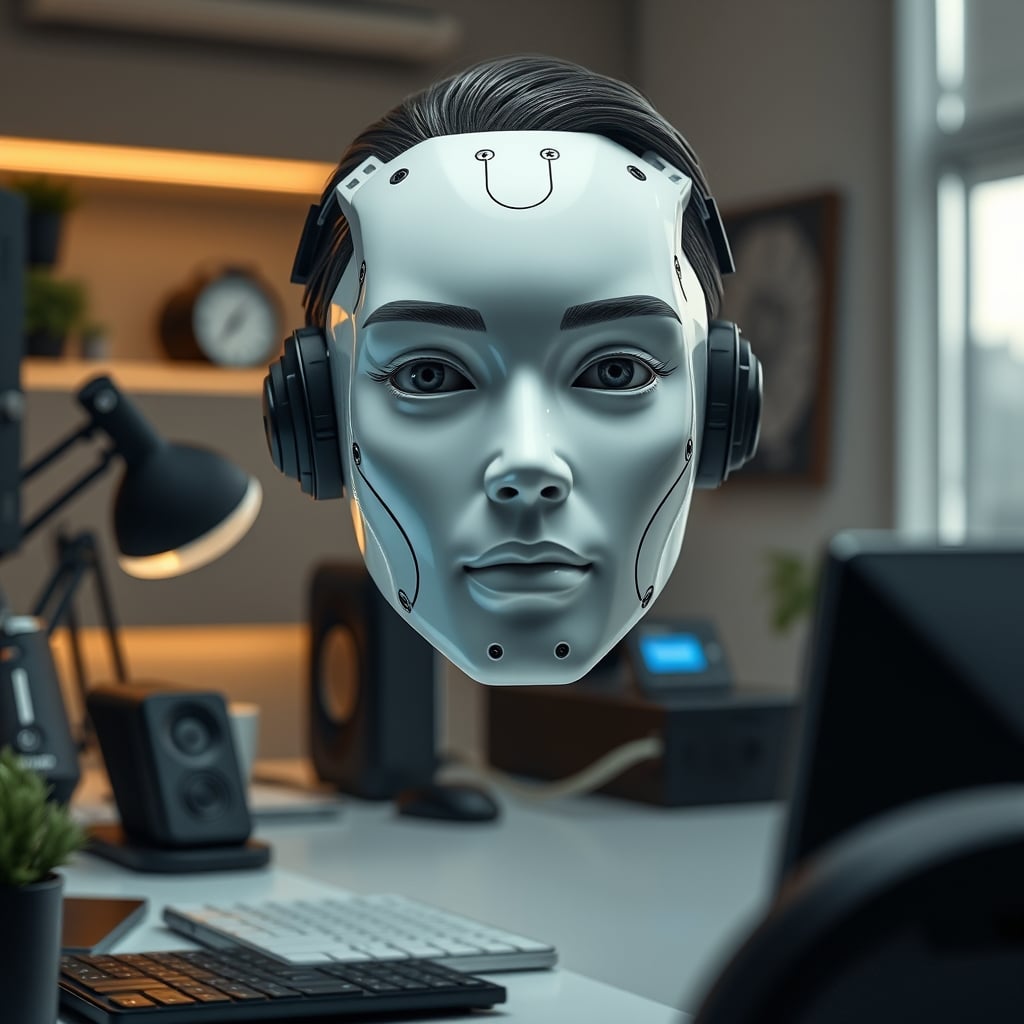
The core fantasy sold to you is that silicon can replace skill. You see features like ‘AI Subject Tracking’ that keeps you perfectly centered, or ‘AI-Generated Bokeh’ that mimics a shallow depth of field. The promise is that you, the creator, can focus on your content while the camera handles the ‘cinematography.’ This is a fundamental misunderstanding of what makes video compelling. The slight imperfections, the organic rack focuses, the intuitive framing choices—these are human elements that convey mood and intent. Handing them over to a deterministic algorithm strips the soul from your work. Based on widespread user feedback, the most common result isn't a polished professional look; it's a flat, unnervingly static shot that screams ‘webinar.’ This doesn't work for engaging content. You’re not freeing up mental bandwidth; you’re outsourcing your creative voice to a committee of ones and zeroes.
The AI Camera Gimmicks Myth That Needs to Die
Premium Pick
- High performance
- Premium build
Let’s attack the biggest lie head-on: the idea that AI features ‘save you time and money on production.’ This is overrated. This is not worth it. The marketing suggests you can skip learning lighting, skip investing in a proper lens, skip thinking about composition—just let the AI handle it. What actually happens? You spend more time fighting the AI’s bad decisions than you would have spent learning the basics. You’re constantly toggling features on and off because the ‘auto-framing’ chops off your head when you gesture, or the ‘skin smoothing’ makes you look like a wax figure. The ‘time saved’ is instantly lost to troubleshooting and post-production fixes. In real use, this fails to deliver on its core promise. You end up with footage that is both computationally heavy (eating bandwidth and processing power) and creatively bland. It’s the worst of both worlds.
Why “Good Enough” AI Video Is Actually Terrible
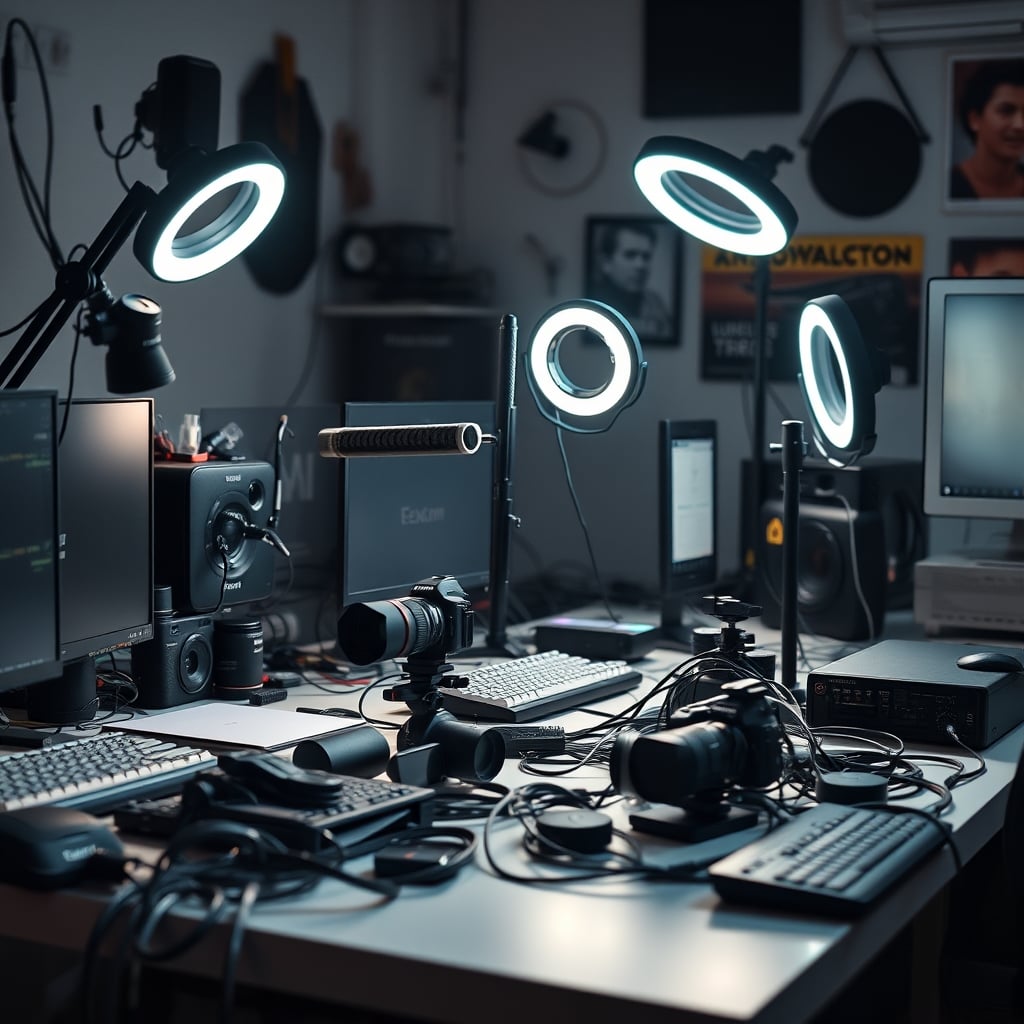
Here’s the real issue that nobody talks about: the uncanny valley of video quality. A perfectly exposed, sharp, but algorithmically managed shot is far more off-putting than a slightly noisier, manually controlled one. Your brain detects the lack of human intention. When an AI artificially maintains eye contact with the camera lens by warping your iris, it creates a subtle dissonance that viewers subconsciously register as dishonesty. It’s the same reason deepfake technology feels creepy, even when it’s ‘flawless.’ These features aren't elevating your production; they're layering a filter of synthetic behavior over your performance. For long-term use, this trains you to rely on systems that are inherently fragile and subject to change with every firmware update, rather than building durable, transferable skills. This is a known issue for professional streamers and creators who get locked into a specific ecosystem.
The Hardware You Actually Need (Spoiler: It’s Boring)
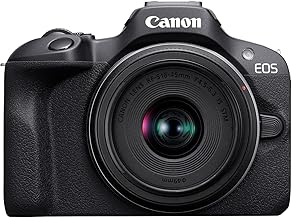
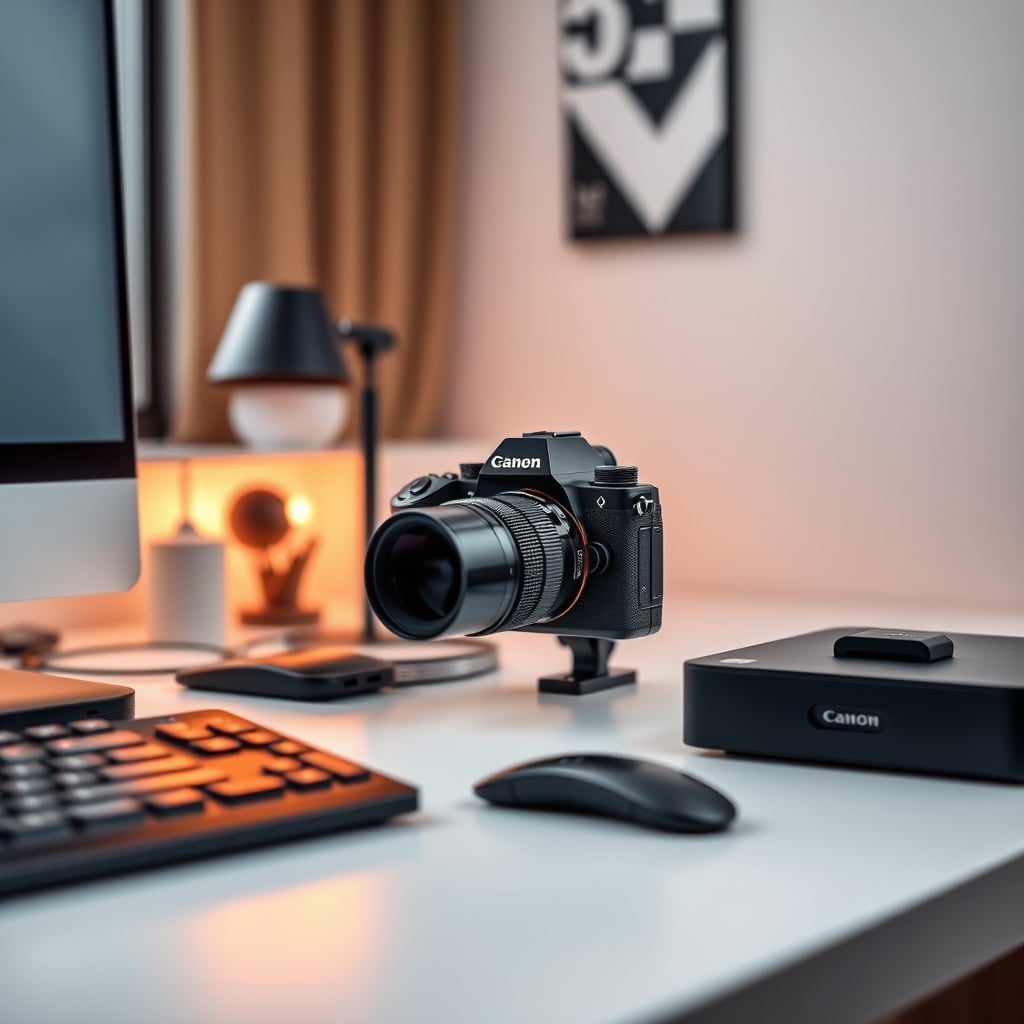
Forget the AI hype. What actually works is brutally simple and hasn't changed much in a decade. A camera with a large sensor (APS-C or full-frame), a fast, fixed focal length lens (like a 24mm or 35mm), and proper three-point lighting. That’s it. The ‘smart’ part should be you, understanding how these tools work. A tool like the Sony a7 III, now a classic for good reason, provides a phenomenal image foundation precisely because it focuses on sensor performance and lens compatibility, not post-processing gimmicks. You control the depth of field with your aperture. You control the framing by moving your body or your camera. This isn't antiquated; it's authoritative. The image you get is a direct result of your choices, not a negotiation with a black box. This is what most corporate setups and influencer desk tours completely miss in their chase for the next big thing.
The Real Cost of Computational ‘Assistant’ Features
Let’s talk about the hidden trade-offs. Every AI feature—background blur, noise reduction, auto-framing—requires processing power. This either happens in-camera, taxing its internal processor and generating heat (which can affect sensor performance and longevity, a topic we've covered in Camera Lifespan 2026), or on your computer, stealing precious CPU/GPU cycles from your actual editing or encoding software. In common setups, especially for streamers, this frequently causes issues with dropped frames and increased encoding latency. You’re sacrificing real-time performance for a feature that adds zero substantive value to your content. It’s like installing a flashy, resource-hungry dashboard ornament that also makes your engine run hotter. The industry won't tell you this because ‘AI processing’ sells units. But the thermal throttling and performance hits are real, documented side effects of pushing silicon to do computational photography in real-time.
Stop Buying Features, Start Building Skills
The most unconventional advice I can give is this: your next gear purchase should be a book or a course on basic cinematography, not a camera with a new AI label. Understanding simple concepts like the rule of thirds, key light positioning, and shot-reverse-shot will improve your video quality more than any algorithm ever could. Practice manually pulling focus. Learn how to white balance using a card. This knowledge transfers across every camera you'll ever own, from your smartphone to a high-end cinema rig. Chasing AI camera gimmicks is a consumer trap; it makes you perpetually dependent on the next software update. Building skills makes you self-reliant and your work consistently better, regardless of the tool. This is what separates a creator from a content button-pusher.
The One ‘Smart’ Feature That’s Actually Useful (And Why)
I’ll make one concession. Reliable, fast autofocus with good face/eye detection is a legitimate game-changer. Notice I didn't say ‘AI.’ I said reliable and fast. This is a hardware and software feature that solves a genuine technical problem—keeping a moving subject sharp—without imposing a creative decision. It doesn't decide how you should be framed or what your skin should look like; it just ensures you're in focus. This is where computational photography can shine: solving optical limitations. The moment it steps over into interpreting aesthetic choices, it fails. So if you're looking at a camera, prioritize a proven autofocus system over any other ‘intelligent’ feature. Everything else is just clutter designed to justify a higher price point.
Final Verdict: Skip the AI, Buy a Lens
The relentless push for AI camera gimmicks in 2026 is a distraction. It’s manufacturers struggling to find new spec sheet bullets now that sensor resolution has largely plateaued for mainstream use. Don’t fall for it. Your money is far better spent on the fundamentals: better lighting, a quality microphone (avoiding the Mic Shield Useless trap), and most importantly, better glass. A great lens on a modest camera will always outperform a mediocre lens on a camera crammed with AI tricks. The image character, sharpness, and depth come from the physics of the lens, not the software in the body.
Invest in tools that give you control, not ones that take it away. Learn the craft. Your content will have more personality, your workflow will be more stable, and you won't be at the mercy of the next half-baked ‘AI Studio’ feature that gets abandoned in two years. Skip it. The entire category of AI-enhanced video features, as marketed to desk-bound creators, is overrated. Go buy a good prime lens instead. You’ll thank me later.
Frequently Asked Questions
What are the most common AI camera gimmicks I should avoid?
Auto-framing that artificially centers you, AI-generated background blur (fake bokeh), digital skin smoothing/retouching, and eye-contact correction that warps your gaze. These features prioritize artificial 'perfection' over authentic, controllable video quality and often introduce uncanny or unstable artifacts.
Do any professionals actually use these AI camera features?
No serious professional relies on them for primary footage. They might use a basic auto-framing tool for a temporary secondary angle in a live stream, but the core production always uses manually controlled cameras, lenses, and lighting. These AI features are marketed almost exclusively at consumers and prosumers to compensate for a lack of setup knowledge.
Should I buy a camera branded as an 'AI Camera' in 2026?
No. Let the AI branding be a red flag, not a buying incentive. Focus on the fundamental specs: sensor size, lens mount, proven autofocus performance, and clean HDMI/output options. A camera from 2020 with a great sensor will produce a better, more controllable image than a 2026 'AI Camera' with a mediocre sensor and processing tricks.

Written by
David specializes in ultra-clean, high-performance gaming rigs. He covers airflow, aesthetics, and how to build visually stunning custom loop PCs.
Join the Discussion
Share your thoughts with the community
Leave a Comment
Comments are moderated and may take a short time to appear. Links are not permitted.