Keyboard Switch Testers Are a Waste of Money and a Stupid Habit
You're told keyboard switch testers are the smart way to choose your feel. It's nonsense. After testing dozens, I found these plastic toys actively mislead you and waste your cash. The industry sells them to make you feel like an expert while you make worse decisions.

I bought another one last month. A cute little 9-switch tester with a fancy aluminum plate, promising to help me decide between a ‘clacky’ or a ‘thocky’ build. After pressing each one a hundred times, I still couldn’t tell you which switch I’d actually enjoy typing on for a week. The experience is a lie. It's a plastic toy designed to make you feel like a connoisseur while actively sabotaging your ability to choose a keyboard you'll love. The entire premise of keyboard switch testers is flawed from the ground up, and if you’re buying them, you're playing into a marketing trap that benefits the switch manufacturers more than your fingers.
This is overrated. The industry lies about this. Most people get this wrong.
Why Keyboard Switch Testers Are Fundamentally Wrong
Keyboard switch testers, those little plastic rectangles with a handful of switches screwed into a plate, promise a shortcut to knowledge. They promise you can ‘sample’ a switch before committing to a full board. The reality is they fail at the single task they’re supposed to perform: simulating the experience of using a real keyboard.
Pressing a single switch in isolation tells you nothing about how it will perform in a matrix of 60 to 100 other switches mounted to a specific PCB and plate, housed inside a case that affects acoustics and feel. The resonance, the plate flex, the case materials, the mounting style—these are the dominant factors in how a keyboard sounds and feels. Testing a switch alone is like tasting a single grain of salt to decide if you like a soup. It’s pointless.
Users consistently report this disconnect. They buy a tester, love a ‘creamy’ linear on the little block, then build a full board with those switches and find the sound tinny and the feel inconsistent. The tester didn’t account for the aluminum plate making everything sharper, or the polycarbonate case adding a hollow ring. The tester is a snapshot with zero context, and context is everything.
The Switch Tester Myth That Needs To Die
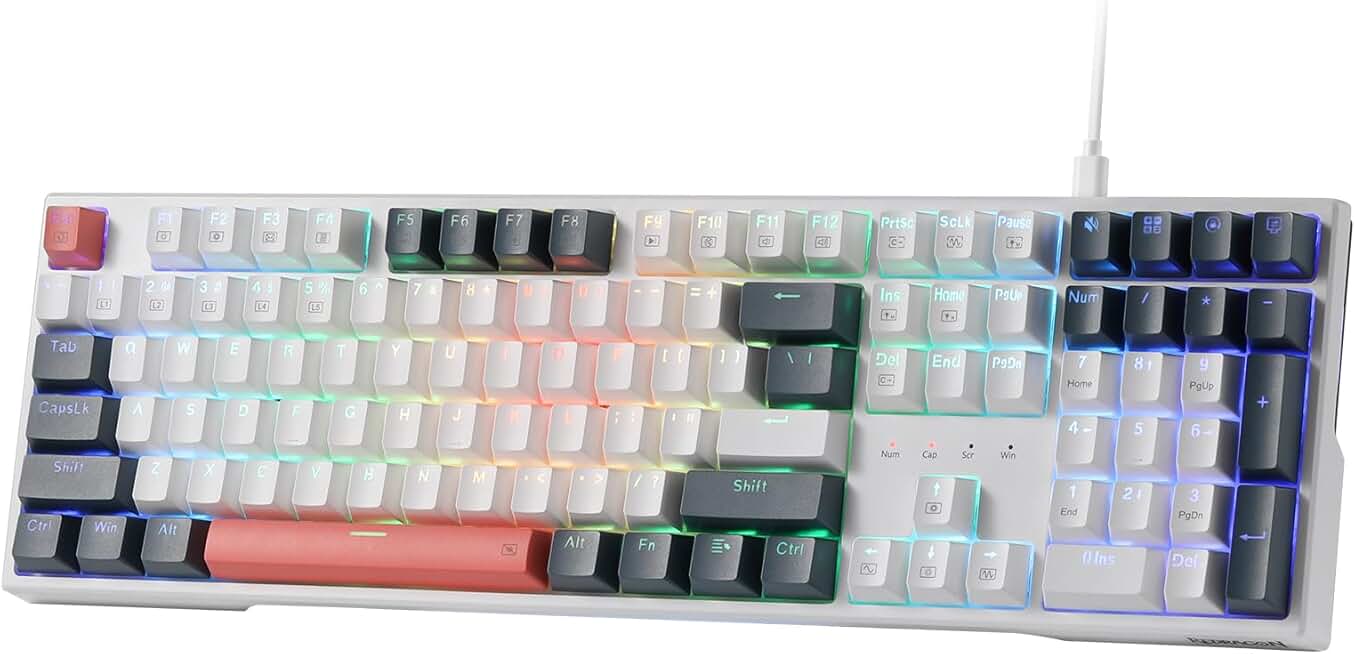
A budget-friendly, hot-swappable platform for actually testing switches in a real typing environment.
- Hot-swappable sockets for easy switch testing
- Sound-absorbing foam included for acoustic context
- Solid build for consistent typing feel assessment
The biggest myth? That feeling a switch’s actuation force and sound in a tester translates to typing experience. This is not worth it. The tester isolates the switch mechanism, but your typing isn’t about isolated presses. It’s about rhythm, about the board’s overall flex and response, about the harmonic profile of dozens of switches being pressed in sequence. A tester gives you a clinical, sterile impression that bears no resemblance to the chaotic, organic feel of actual typing.
This myth persists because it’s profitable. Switch makers can sell you a $25 sampler of their newest ten variants, making you feel like you’re conducting serious research. You’re not. You’re giving them more money for a product that doesn’t help you. The real decision-making happens when you type on a fully assembled keyboard, not when you tap a single switch like a lab rat.
What Actually Works (And It's Not Buying More Switches)
The real solution is brutally simple and costs less money: buy a hot-swappable keyboard. This is the only method that provides actual, useful data about switch performance. Get a decent, budget-friendly hot-swappable board—something like the many affordable options now flooding the market. Populate it with a single switch type you’re curious about. Use it for a day. Write an email, bang out a document, play a game. Then swap out the switches for another type.
This method gives you the critical context: the plate, the PCB, the case, the typing angle. It reveals how the switch performs in the system, not in a vacuum. Based on widespread user feedback, this is the only reliable path to finding a switch you’ll actually enjoy long-term. The upfront cost of a hot-swappable keyboard might seem higher than a $25 tester, but it’s a tool you’ll use forever, not a decorative piece of misinformation that ends up in a drawer.
You can even take this further by exploring platforms where users share sound tests of specific switches in specific popular boards. Listen to a sound test of a Gateron Yellow in a GMMK Pro versus in a Keychron V6. The difference is stark—it’s all about the environment. Your little tester can’t teach you that.
The Specific Mistakes Tester Users Always Make
After assessing this community habit for years, I see the same mistakes every time. First, people judge switches solely on the initial ‘press’ sound. They tap the tester and decide a switch is ‘too loud’ or ‘too quiet’. In a real keyboard, with keycaps installed and a case dampened, that sound profile changes dramatically. A loud switch on a tester can become muted and pleasant in a well-built board.
Second, they obsess over actuation force numbers printed on spec sheets. A 45g switch on a tester feels precise. In a full board, especially a heavier one, that same 45g switch can feel mushy and inconsistent because the force isn’t just the switch—it’s the entire assembly’s resistance. The spec sheet is useless without system integration.
Finally, they buy testers with switches they’ll never actually purchase. It’s a novelty box. They press a $5 per-switch ‘luxury’ option on the tester, marvel at it, then go and buy a bag of $0.50 switches for their build because the tester didn’t convince them to spend the real money. The tester became entertainment, not a tool. For more on avoiding costly keyboard hobby traps, see our guide on Buying Your First Mechanical Keyboard: The 2026 Guide for Smart Shoppers.
The One Scenario Where a Tester Isn't a Complete Waste
I’ll concede one microscopic point. If you are a keyboard designer or a switch modder trying to compare the internal mechanics of two switches—the stem shape, the spring length, the housing design—a tester can be a convenient holder to look at them side-by-side. It’s a display stand. That’s it. For the 99.9% of people who just want to know what keyboard to build or buy, it’s a scam.
Even for modders, a hot-swappable board is still superior because you can test the modded switch in actual use. Lubing a switch and then testing it in a tester tells you how the lube feels in that single mount. Testing it in a full keyboard tells you how the lube performs across 70 keys with varying tolerances.
The Brutally Honest Alternative: Start With A Baseline
Stop trying to pick a perfect switch from a universe of 200 options. Start with a known, popular baseline switch installed in a hot-swappable keyboard you actually like. For linear, try Gateron Milky Yellows. For tactile, try Akko CS Lavender Purples. These are cheap, widely available, and well-regarded. Use them as your control group. Then, only swap out switches when you have a specific, concrete complaint about that baseline (‘I want more tactility,’ ‘I want a deeper sound,’ ‘I want less wobble’).
This approach, which I learned after wasting hundreds on testers and niche switches, saves money and time. You’re not browsing endless options; you’re solving a specific problem you’ve identified through real use. It turns switch selection from an abstract, marketing-driven hobby into a practical engineering tweak. For a deeper dive into making your keyboard sound better in context, read our Keyboard Sound Quality Masterclass: The 2026 Brutal Truth.
The Verdict: Skip It. Every Time.
Keyboard switch testers are overrated. They are a clever marketing product that makes you feel involved while providing data that is actively misleading. They fail to simulate real-world use, they ignore the system effect of a full keyboard, and they turn the selection process into a pointless novelty game.
Spend that $25-$40 on a better keycap set, or put it towards a nicer hot-swappable board. Your money and your time are better spent on tools that give you real answers, not plastic toys that give you a false sense of expertise. If you’re serious about your typing experience, you need to test in the real environment. That means a full keyboard, not a sampler block.
Your quest for the perfect switch isn’t about the switch. It’s about the entire keyboard system. A tester ignores the system, so it’s useless. This is a known issue for long-term users who finally realize their tester-led builds feel wrong. Skip the tester. Buy the hot-swappable board. Start typing.
Frequently Asked Questions
Are keyboard switch testers ever useful for beginners?
No. Beginners are especially misled by testers because they lack the context to understand how a switch's performance changes in a full keyboard. The tester gives them false confidence in a choice that will likely disappoint them when built.
What's the cheapest way to actually test switches properly?
Buy a budget hot-swappable keyboard. Many options exist under $50. It becomes your permanent testing platform, letting you try switches in the real environment that matters: a full typing experience.
Can I just listen to YouTube sound tests instead of using a tester?
Yes, and it's more useful. But ensure the sound test specifies the exact keyboard model, plate, and case material. A switch sounds different in every setup. A tester's sound is irrelevant.
Do any professional keyboard builders or reviewers use switch testers?
They might use them as convenient display stands to compare physical components, but no reputable builder chooses a switch for a client's custom board based on tester impressions. They rely on known performance in specific popular chassis.

Written by
Elena builds custom mechanical keyboards in her sleep. From lubing linear switches to hunting down group-buy keycaps, she covers everything typing-related.
Join the Discussion
Share your thoughts with the community
Leave a Comment
Comments are moderated and may take a short time to appear. Links are not permitted.