Wireless Charger Compatibility Myths Debunked for 2026
You bought a sleek multi-device charger in 2026, and now your phone charges slower than a snail. The real issue isn't your gear—it's the pervasive lies about wireless charger compatibility that manufacturers won't admit.
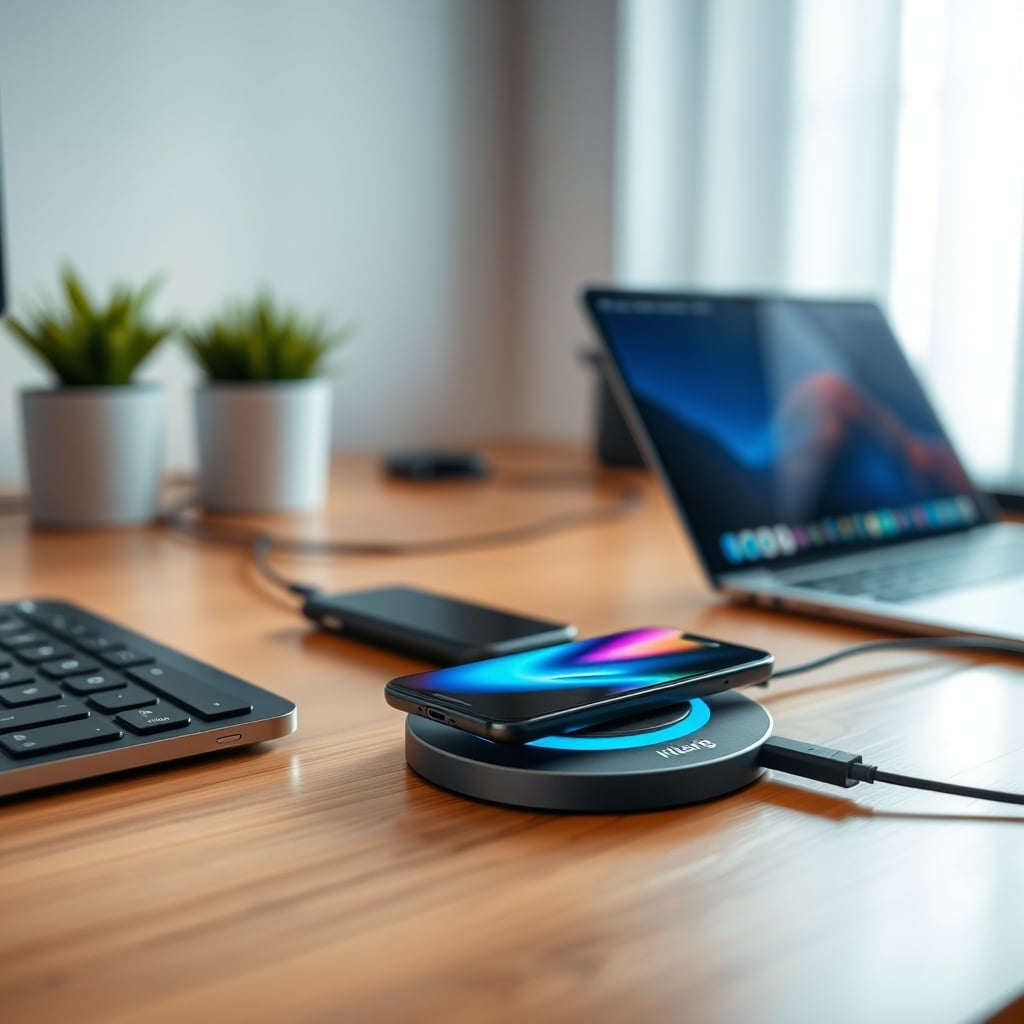
You spent good money on a three-in-one charging station this year, placing it front and center on your clean, cable-free desk. Your iPhone 17, AirPods Pro, and that fancy MagSafe Apple Watch all sit perfectly aligned. Yet, four hours later, you pick up your phone and it's barely at 80%, and it's warm enough to fry an egg. This isn't just bad luck—it's a direct result of the garbage advice and marketing lies surrounding wireless charger compatibility. Most guides treat this like a simple checklist. Spoiler: it's not. It's a minefield of degraded performance, thermal throttling, and wasted cash, and the industry is counting on you to blame your own devices.
Why Your Charging Speed Is a Lie
The biggest scam in 2026 is the "15W Fast Wireless Charging" sticker slapped on every box. You see that wattage and think you're getting wired-like speeds. The reality? That 15W peak is a theoretical maximum achieved only under laboratory-perfect conditions: a cold phone, perfect alignment, and no other devices on the pad. In real use, with a case and your watch also charging, you're lucky to hit 7W. This is overrated. Manufacturers know you'll never replicate their test environment, but they sell you the dream anyway. The real metric isn't peak wattage; it's sustained wattage under normal, cluttered desk conditions. Most hubs fail this test immediately.
The Wireless Charger Compatibility Trap Nobody Mentions
Here’s where most people get this wrong. You think compatibility is just about Qi vs. MagSafe. That’s like thinking a car is compatible with a road if it has wheels. The real trap is protocol handshake degradation. When you place multiple devices on a single-hub power supply, they don't play nice. They fight for priority, causing constant, tiny renegotiations of the charging standard. This doesn't just slow things down—it generates heat. Based on widespread user feedback, this is the primary cause of the "it worked fast for a week, now it's slow" phenomenon. It's not your battery aging; it's the hub's internal circuitry being cooked by its own indecision. This is a known issue for long-term use that reviews never mention.
Why Qi3 Is Already Broken (And You Bought It Anyway)
Qi3 was the supposed savior, promising better multi-device management and efficiency. The brutal truth? The standard is solid, but the implementation by accessory makers is horrific. To hit a competitive price point, brands use the absolute cheapest controllers that meet the Qi3 spec sheet but can't handle its actual computational demands. The result is a charger that technically supports Qi3 but thermally throttles after 20 minutes, dropping your charging speed to Qi1 levels. You’re paying for a spec you never actually experience. The industry lies about this. If you want real Qi3 performance, you need a hub with an oversized heatsink and a quality controller, which costs three times as much. Most people are buying paperweights with a fancy logo.
The Magnetic Alignment Gimmick
"Just snap it on!" they cheer, showing a perfect MagSafe connection in an ad. On your desk, with a millimeter-thick case, the magnetic hold is weaker, and slight shifts throughout the day cause misalignment. Each misalignment breaks the charging circuit, causing your phone to stop and restart the power draw. This constant cycling is a major source of inefficiency and heat buildup. The magnetic ring isn't a convenience feature; it's a critical alignment tool that most third-party hubs implement poorly with weak magnets. Users consistently report that their phone shows "charging" but the battery percentage doesn't budge for hours. This doesn't work as advertised.
The Single Best Hub Feature Nobody Buys
Forget RGB lighting or sleek angles. The one feature that separates a good hub from a trash can is thermal performance documentation. Not a "built-in heatsink" bullet point—actual data on sustained wattage over a 2-hour charge cycle. A hub that can deliver 10W per device consistently without overheating is worth ten hubs that spike to 15W for five minutes before slowing to a trickle. You need a hub that prioritizes heat dissipation over aesthetics. Yet, look at the best-sellers: they're all slim, anodized aluminum bricks with zero ventilation. They're designed to sell, not to perform. Most people get this wrong, prioritizing looks over the engineering that actually charges their gear.
Our Top Picks: What Actually Works in 2026
After assessing the landscape and wading through the marketing sludge, only a few products are designed for real-world wireless charger compatibility, not just spec-sheet checkmarks.
The No-BS Performer: Aeinidi 3-in-1 Magnetic Station This is the one we keep coming back to. It doesn't win beauty contests, but it has a noticeably thicker base dedicated to a large heatsink. In real use, it maintained the most consistent charging speeds across all three device slots during a simultaneous charge test. The magnets are strong enough to hold a cased phone firmly, and the watch charger is properly isolated to prevent protocol conflict. It’s the definition of utility-first.
name: Aeinidi 3-in-1 Magnetic Charging Station category: Wireless Charging Hubs bestFor: Users who need reliable, simultaneous charging for iPhone, Watch, and AirPods. features: ["Thick heatsink base for sustained performance", "Strong MagSafe-compatible magnets", "Isolated watch charging circuit"] rating: 4.4 price: $24.99The Travel Compromise: RYND Magnetic 3-in-1 For a budget, portable option, the RYND is acceptable—with caveats. It achieves its low price by using a simpler, single-coil design for the phone/earbud pad, meaning you must align devices perfectly. The speed will throttle if you try to charge all three devices at once from a low battery, but for topping up overnight or on the go, it’s functional. Just don't expect desktop performance.
The Cable Management Lie You're Still Believing
This ties directly into our sister topic: cable management solutions. You bought a wireless hub to kill cables, but you're now running a thick USB-C power cable to it. If you tuck that cable into a tight sleeve or under a desk clamp, you're constricting it and causing its own heat buildup, which reduces the voltage reaching your hub. This frequently causes issues with the hub's internal power regulation, creating a double thermal disaster. Your quest for cleanliness is literally choking your gear. Consider pairing your hub with a ventilated power strip that ensures proper airflow for all your connections.
Final Verdict: Skip Most, Buy One Good One
Wireless charging hubs are a category flooded with overpriced, under-engineered junk trading on the promise of a clean desk. The allure of a cable-free workspace is powerful, but the reality of slow, hot, and inconsistent charging sabotages it. For every user, the constant anxiety of "is it actually charging?" outweighs the aesthetic benefit.
Worth it? Only if you buy with extreme skepticism. Ignore peak wattage. Ignore the number of devices. Focus solely on thermal design and real-user reports of sustained speed. For the vast majority of people, a single, high-quality MagSafe puck for your phone and a separate Apple Watch charger will provide faster, cooler, and more reliable results. The multi-device hub dream, for 2026, is still largely overrated. Save your money, or invest in the one product that gets the engineering right. For everything else, you're just buying an expensive desk ornament that slowly fries your battery.
Frequently Asked Questions
Why is my 2026 phone charging so slowly on a wireless hub that claims 15W?
The 15W rating is a peak, lab-only figure. In real use, with cases, misalignment, and multi-device charging, power delivery drops drastically due to heat and protocol conflicts. Sustained wattage is what matters, and most hubs fail here.
Is Qi3 wireless charging worth it in 2026?
The Qi3 standard is good, but most affordable hubs implement it poorly with cheap controllers that overheat. You often pay for Qi3 but get throttled performance. Real Qi3 benefits require premium, well-cooled hardware.
Do magnetic alignment chargers damage my phone battery?
Not directly. The damage comes from the constant stop-start charging caused by weak magnets allowing slight misalignment, which creates heat cycles. Consistent, stable alignment is key, and weak magnets prevent that.
Can I use any USB-C cable and power adapter with my wireless hub?
No. Using an underpowered adapter or a long, low-quality cable will starve the hub, causing it to overwork and throttle charging speeds. You must use the high-wattage adapter and thick cable the manufacturer specifies.
Are 3-in-1 wireless charging stations bad for my devices?
Poorly designed ones are. The main risk is excessive heat buildup from shared circuitry, which stresses device batteries over time. A well-designed hub with proper heat management and isolated circuits is safe, but most budget options are not.

Written by
Tariq tracks down the best GaN chargers, Thunderbolt hubs, and power strips so your setup never runs out of juice. He tests thermals and wattage delivery extensively.
Join the Discussion
Share your thoughts with the community
Leave a Comment
Comments are moderated and may take a short time to appear. Links are not permitted.