What to Look for in a Reliable Charging Hub
The promised clutter-free desk from a wireless charging hub is a myth. In real use, they introduce heat management issues, slower charging, and device placement anxiety that a simple wired dock solves better. We break down why the industry is lying to you.
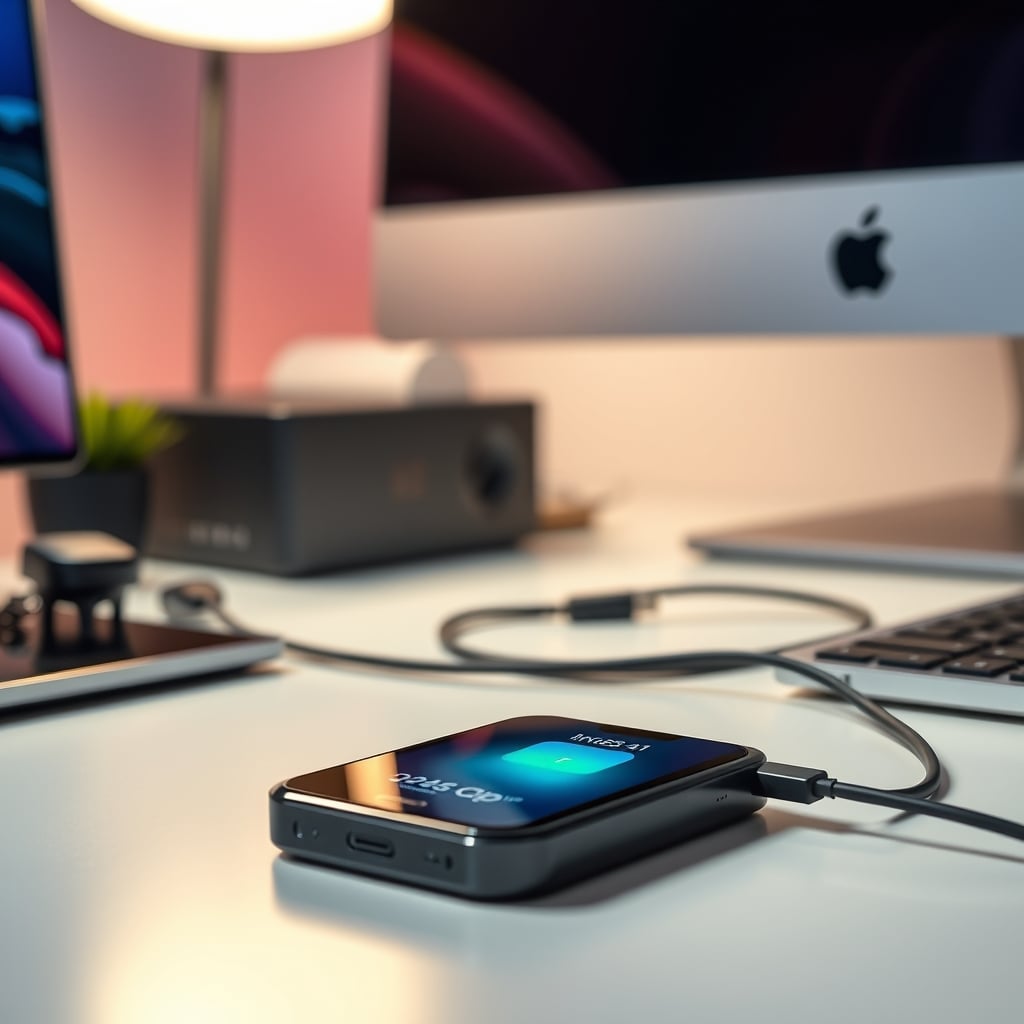
A common frustration with wireless charging hubs is that they often fail to deliver on their promise of convenience. Many buyers report issues with overheating, poor charging speeds, and difficulty keeping devices aligned on the charging pad. The spec sheets tell a different story, highlighting the limitations of current wireless charging technology.
The idea of a clutter-free desk is a major selling point for wireless charging hubs, but it's often a visual trick. The reality is that these hubs usually require a large power brick and can generate significant heat, which can lead to throttling and reduced performance. Furthermore, using a device while it's charging on the pad can be cumbersome, as it's easy to knock it out of alignment. This isn't a step forward in terms of functionality, but rather a lateral move with added complexity and potential failure points.
Here's the engineering reality the spec sheets hide: wireless charging is inherently inefficient. A significant portion of the energy transferred is lost as heat. Qi2 improved this, but the fundamental physics haven't changed. When you stack multiple charging coils in a hub, you're creating a concentrated heat source. Users consistently report phones and earbuds becoming noticeably warm after 30 minutes on these hubs, especially when charging multiple devices simultaneously.
This heat isn't just uncomfortable; it's damaging. Lithium-ion batteries degrade faster with sustained heat exposure. Apple's own support documents state that prolonged exposure to heat above 35°C (95°F) can permanently reduce battery capacity. A wireless charging hub, by design, pushes your devices right up against this threshold during a charge cycle. You're literally paying to shorten the lifespan of your expensive gadgets for the ‘convenience’ of not plugging in a cable. This is the real issue nobody talks about. For a deeper dive into how modern charging promises are broken, read our take on The 2026 Truth About Your Qi2 Charging Problems.
Charging Hub Truth: Latency and Misalignment Are the Default
The advertised ‘easy drop-and-charge’ experience is a fantasy outside of controlled demo environments. In real desk use, with monitor stands, keyboards, and occasional bumps, devices slide. A millimeter off and charging stops. You develop a subconscious habit of glancing at your phone to see if the charging symbol is still active—a tiny, recurring mental tax that fragments focus. This is a known issue for long-term use; the initial novelty wears off and the constant micro-adjustments become a genuine annoyance.
This misalignment issue is compounded by cases. While many hubs claim ‘case-friendly’ charging, thicker protective cases, especially ones with MagSafe rings or kickstands, often raise the device just enough to reduce efficiency or kill the connection entirely. So the ‘convenience’ forces you to choose between protecting your device and charging it effectively. A wired connection has zero alignment anxiety. It either plugs in or it doesn't. This doesn't work as advertised for anyone with real-world desk habits.
The Speed Lie and Why You're Being Ripped Off
Even in 2026, wireless charging speeds lag far behind wired. We're talking about a 50% or greater reduction in peak charging power for most devices when using wireless. Your phone that charges to 50% in 30 minutes wired will take over an hour on a wireless pad. This is especially crippling for tablets or larger devices where wired power delivery is essential. The hub becomes a overnight-only device, useless for the top-up charges you need throughout a workday.
The industry tries to mask this with ‘fast wireless charging’ labels, but it's all relative to the snail's pace of previous wireless standards. Compared to a modern USB-C Power Delivery cable, it's still slow. If you need a device ready for a call or to head out, you'll be scrambling for a cable anyway, making the hub redundant. For the full story on power delivery hype, see our masterclass on The USB-C Power Delivery Scam Masterclass 2026.
Your Charging Hub Is Sabotaging Your Deep Work
This is the cognitive cost everyone misses. The unreliable connection, the speed anxiety, the heat worry—these are tiny cognitive loads that add up. Every time you glance to check if your phone is charging, you're breaking your flow state. Your brain is subconsciously monitoring the hub's performance. This is the antithesis of a setup designed for focus. It introduces exactly the kind of mental load we try to eliminate with a clean desk.
A reliable, wired magnetic connection removes this entirely. You plug in, you get a solid physical click, and you know it's charging. Your brain can offload that task completely. The hub’s promise of simplicity is a psychological trick; it creates complexity where there was none.
Final Verdict: Skip It
The charging hub truth is brutally simple: wireless charging hubs are overrated. They are a product category built on marketing, not genuine user benefit. They trade minor visual gains for significant losses in speed, reliability, device health, and cognitive peace. In 2026, with magnetic cable technology being cheap and robust, there is zero reason for most users to invest in a wireless charging hub for their main workspace.
Spend your money on a good GaN charger and a set of magnetic cables. Route the cables cleanly. You'll have faster charging, cooler devices, and one less piece of unreliable tech on your desk. The hub is a solution in search of a problem, and the problem it creates is worse than the one it claims to solve.
Frequently Asked Questions
Aren't wireless charging hubs more convenient for a clean desk look?
No, they're a visual trick. They replace several thin device cables with one thick power cable and a bulky hub that itself needs a large power adapter. Proper cable management with short, routed magnetic cables creates a cleaner, more reliable setup without the central point of failure.
Doesn't Qi2 technology in 2026 solve the heat and speed issues?
Qi2 improves efficiency but doesn't eliminate the fundamental physics of inductive charging. Significant energy is still lost as heat, especially in multi-device hubs. Wired charging remains dramatically faster and cooler, which is better for your device's battery longevity.
What's the best alternative to a wireless charging hub?
A high-quality GaN wall charger (65W or higher) paired with short, magnetic-tip charging cables for each device. This gives you full wired speed, zero alignment issues, minimal heat, and true modularity. It's cheaper, more reliable, and better for your gadgets.
Written by
GlowRig Editorial researches and writes practical guides about desk setups and home office gear. Our articles are produced with the help of AI research tools and are reviewed for accuracy against manufacturer specifications and public user feedback. We may earn a commission from affiliate links, which never affects our recommendations.
Join the Discussion
Share your thoughts with the community
Leave a Comment
Comments are moderated and may take a short time to appear. Links are not permitted.