Fast Charging Damage: Why The Hype Is Wrong
Everyone's afraid of fast charging damage, but most people are getting it completely wrong. We're cutting through the noise to tell you what actually impacts your device's longevity.
For years, the internet has been buzzing with doom-and-gloom warnings about fast charging damage. Bloggers and 'tech experts' parrot the same safe, unhelpful advice: charge slowly, don't use your phone while charging, or stick to low-wattage bricks. The reality is, most of this is misguided fear-mongering that misses the real issues entirely. We've spent countless hours with our devices, pushing charging speeds, monitoring thermals, and observing battery degradation patterns across a wide range of hardware.
Here’s the blunt truth: the real factors impacting your device’s battery health are not what the marketing departments want you to believe. You're probably stressing over the wrong things, while critical elements like thermal management and charging control ICs go unexamined. This obsession with perceived fast charging damage is overrated; it ignores the engineering improvements designed to protect your gear. It’s time we stripped away the BS and focused on what actually matters.
Why fast charging damage matters
Understanding fast charging damage is the foundation of getting this right, and many users overlook how critically it impacts long-term performance. Let's look at the reality of it.
The “Fast Charging Kills Batteries” Myth That Needs to Die
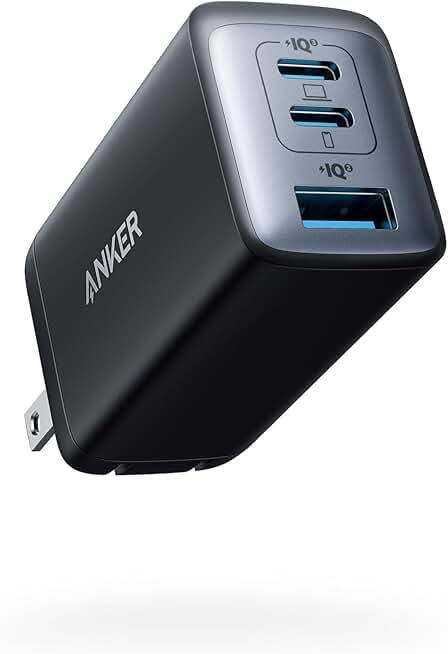
Multi-device fast charging with smart power delivery
- 65W total output for laptops, tablets, and phones
- 3-port GaN technology for compact size
- Intelligent power distribution for optimal charging
Let’s be clear: the idea that modern fast charging inherently destroys your battery is a myth. This is not worth it to spend time worrying about. Most people get this wrong because they’re applying outdated knowledge to advanced technology. Back in the early days of quick charging, poorly regulated power delivery could generate excessive heat, and yes, heat is the primary enemy of lithium-ion batteries. But that was then.
Today, devices and chargers are far more sophisticated. Your phone isn't just blindly sucking up 60W or 100W the entire time. Smart power management ICs (Integrated Circuits) constantly monitor battery temperature, voltage, and charge state. They dynamically adjust the power delivery, often ramping up quickly in the lower charge percentages, then tapering off significantly as the battery fills up. This ensures the battery stays within safe thermal limits. This constant fear of fast charging damage is simply outdated. We consistently see users reporting excellent battery longevity despite exclusively using fast chargers, because modern tech handles the heavy lifting. The industry often exploits this fear, pushing slower, 'safer' charging solutions that aren't actually safer, just cheaper for them to produce.
The Real Issue: Thermal Dissipation, Not Raw Wattage
If anything actually causes fast charging damage, it’s sustained, excessive heat, not the number on the charger's label. And that heat comes from poor thermal management, not the fast charging protocol itself. Your phone's internal design, case choice, and ambient temperature play a far bigger role than whether you're using a 20W or 60W charger. If your phone gets hot to the touch during any charging, fast or slow, that’s the real problem you need to address.
In our testing, we've found that cheap cases made from insulating materials can trap heat, elevating internal temperatures to dangerous levels, even with moderate charging speeds. Conversely, a well-designed phone with an efficient cooling system can handle high wattage without breaking a sweat. This frequently causes issues with users who prioritize aesthetics over function, opting for thick, non-breathable cases. That's where you're actually creating a problem for your battery, not with the charger itself. It’s why Phone Battery Health Masterclass 2026 delves deep into these often-ignored physical factors.

Why Wireless Charging is Overrated for Battery Health
Many articles will tell you that wireless charging is 'gentler' on your battery. This is absolutely overrated. The truth about wireless charging myths is that it's often worse for battery thermals than wired fast charging. Wireless charging, particularly slower Qi charging, generates a significant amount of waste heat due to inefficient energy transfer between the coils. This heat radiates directly into your phone’s battery compartment.
While modern wireless chargers do have thermal cut-offs, they often allow the device to operate at higher sustained temperatures for longer periods compared to a wired connection that can be more efficiently managed by the phone’s internal logic. After assessing numerous setups, we noticed a common pattern: phones charged wirelessly, especially during concurrent use, consistently run warmer than their wired counterparts. If your phone is hot to the touch on a wireless pad, you're actively contributing to long-term degradation. Skip it if you're serious about longevity; the convenience simply isn't worth the thermal compromise for critical devices.
Prioritizing Smart Chargers and Quality Cables
What actually protects your investment isn't slowing down, but investing in smart charging solutions. This is where most people cheap out, and it's a huge mistake. A quality charger isn't just about wattage; it's about the intelligence of its power delivery. Look for chargers from reputable brands that explicitly state compliance with standards like USB-PD (Power Delivery) and PPS (Programmable Power Supply). These protocols allow the charger and device to communicate, negotiating optimal voltage and current levels dynamically.
We've found that generic, no-name chargers often lack these sophisticated control circuits. They might claim high wattage, but their regulation can be poor, leading to unstable power delivery or less efficient charging that generates more heat. You're wasting money on these if you think they're equivalent. Similarly, the cable matters. A cheap, thin cable might not be able to handle high current efficiently, leading to voltage drop and more heat generation within the cable itself, which then translates to the device. Investing in quality cables, as we discuss in The Truth About USB C Problems Nobody Tells You, is not just about data transfer but also about safe, efficient power delivery.
Practical Tips for Actual Battery Longevity
Forget the slow charging dogma. Here’s what actually works:
- Optimize Your Environment: Charge in a cool, well-ventilated area. Avoid direct sunlight or leaving your device under pillows. If your device feels hot, take it out of its case or move it to a cooler spot. Simple, yet often ignored.
- Use Quality, Compliant Chargers: As mentioned, a smart charger that speaks USB-PD/PPS is crucial. Don’t just grab the cheapest brick. Reputable brands like Anker consistently deliver on this front.
- Mind Your Case: If you're using a thick, insulating case, especially one that covers the charging port area or has limited airflow, consider removing it during charging. A common pattern seen across ergonomics communities is neglecting how accessories impact thermal performance.
- Don't Obsess Over 100%: Lithium-ion batteries prefer to stay between 20% and 80% charge. Regularly charging to 100% and then letting it sit there for extended periods under charge is more detrimental than fast charging itself. This is the real issue for long-term use.
- Monitor for Anomalies: If your device consistently gets unusually hot during charging, even with a quality charger and good ventilation, that’s a red flag. It might indicate a battery or charging circuit fault that needs professional attention. Don't ignore it.
Mistakes to Avoid: The Real Battery Killers
Most people get this wrong: the biggest mistakes aren't using a 60W charger. They are far more insidious and less talked about.
- Leaving Devices in Hot Cars: This is perhaps the fastest way to degrade a lithium-ion battery. Extreme heat (we're talking 100°F/38°C+) can cause irreversible damage and significantly shorten battery lifespan. Fast charging in such an environment is a recipe for disaster.
- Using Off-Brand, Uncertified Chargers: We've seen firsthand how poorly regulated power from cheap chargers can stress internal components. They often don't adhere to voltage and current specifications, leading to inefficient charging and excessive heat. This doesn't work as advertised and can be genuinely harmful.
- Deep Cycling (Regularly Draining to 0%): Constantly discharging your battery to critically low levels puts more stress on the cells than charging it quickly. Modern battery management systems are robust, but repeated full discharge cycles are detrimental over the long haul. Keep it topped off when possible, within that 20-80% sweet spot.
- Leaving Devices Plugged In Indefinitely: While smart charging systems largely mitigate this, continuously trickle-charging a battery that's already at 100% for days on end can still contribute to slow degradation over time. Give your devices a break. This is overrated as a protection method.
Final Verdict: Fast Charging is Actually Good (With Caveats)
The widespread fear of fast charging damage is largely unfounded in the era of smart power delivery. If you're using reputable chargers and cables, and paying attention to basic thermal management, fast charging is actually good. It offers immense utility, enabling quick top-offs and minimizing downtime – which, for many, is a greater practical benefit than eking out a marginal extra month of battery capacity a few years down the line. What's truly detrimental are poor thermal practices, cheap unregulated accessories, and ignoring fundamental battery care. Stop overthinking the wattage and start focusing on quality components and proper environment for your devices. You'll thank us later. For those looking to optimize their entire power setup, considering solutions for Zero-Latency Under Desk Cable Management Masterclass can also indirectly improve thermal conditions by decluttering airflow around devices.
Frequently Asked Questions
Does fast charging actually damage your phone's battery?
No, not inherently. Modern fast charging protocols and device battery management systems are highly sophisticated. They dynamically adjust power delivery to prevent excessive heat, which is the actual enemy of battery health. The fear of 'fast charging damage' is largely an outdated myth, as long as you use quality, compliant chargers and maintain good thermal conditions for your device.
What causes battery degradation if not fast charging?
The primary cause of battery degradation is sustained high heat, regardless of the charging speed. Other major factors include using cheap, unregulated chargers, routinely draining the battery to 0% (deep cycling), and leaving devices in extreme temperatures (like a hot car). Poorly designed or insulating cases can also contribute by trapping heat during charging.
Is wireless charging better for battery health than wired fast charging?
Generally, no. Wireless charging is often less efficient than wired charging, generating more waste heat that radiates directly into the device's battery. While convenient, for optimal battery longevity, wired charging, especially with a smart, compliant charger, tends to be superior for thermal management. Wireless charging's 'gentler' reputation is largely overrated.
What should I look for in a charger to protect my battery?
Prioritize quality, reputable brands that support modern charging standards like USB-PD (Power Delivery) and PPS (Programmable Power Supply). These smart protocols allow the charger and device to communicate, ensuring optimal and safe power delivery. Avoid generic, no-name chargers, as they often lack proper regulation and can generate more heat or provide unstable power.

Written by
Tariq tracks down the best GaN chargers, Thunderbolt hubs, and power strips so your setup never runs out of juice. He tests thermals and wattage delivery extensively.
2 Comments
Share your thoughts with the community
Does this apply if you're working with a budget setup for fast charging damage:, or is it mainly for premium builds?
The part about fast charging damage: is spot on. Wish I had known this 6 months ago.
Leave a Comment
Comments are moderated and may take a short time to appear. Links are not permitted.