Avoiding Fake GaN Chargers
That suspiciously cheap 'GaN' charger you bought is a lie. It's a fake GaN charger built with old silicon that runs hot, throttles instantly, and poses a real safety risk to your laptop and phone. Here's how to spot the fakes before they burn out your ports.
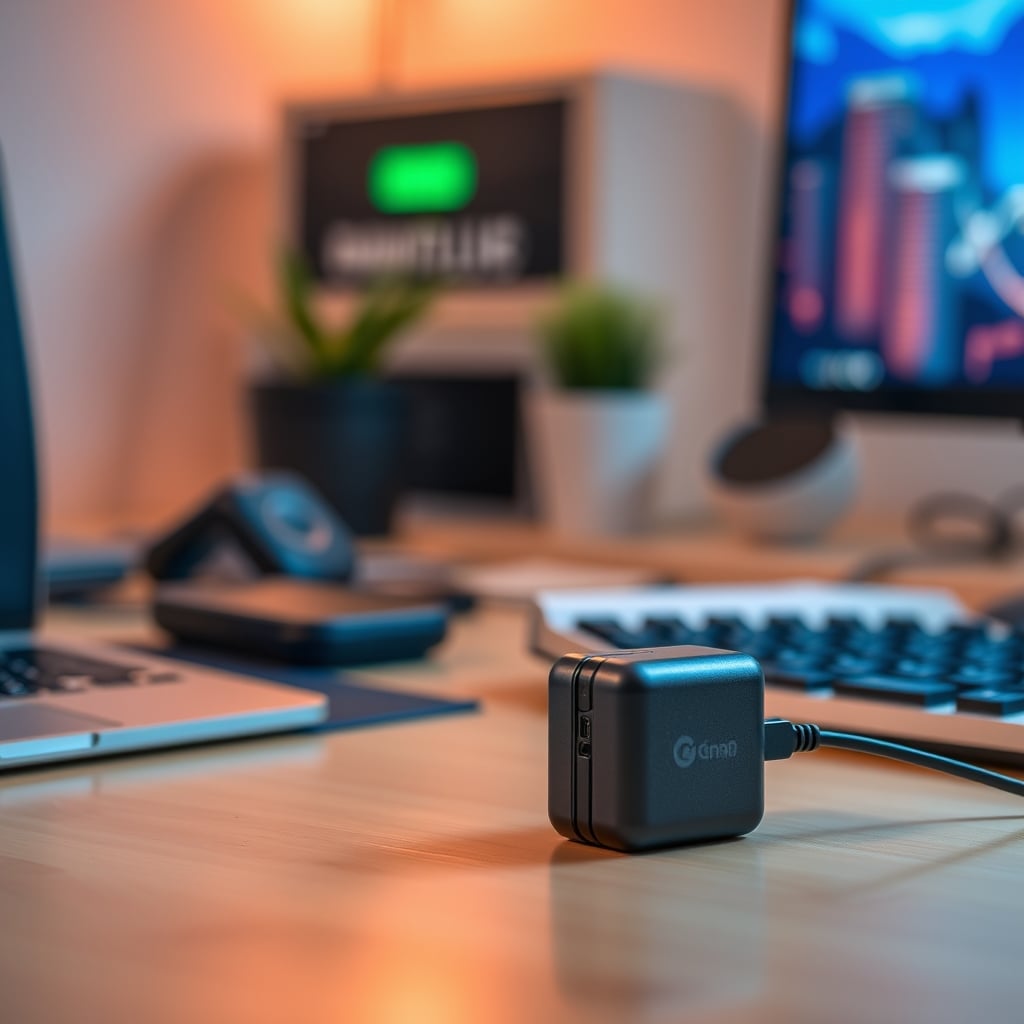
Here’s the biggest mistake people make with power: they treat their charger like a commodity. They see 100W, they see GaN, they see a low price, and they click buy. Congratulations, you’ve just purchased a paperweight that’s actively trying to fry your $2000 MacBook. The market is flooded with fake GaN charger units that are nothing more than repackaged, inefficient silicon from five years ago, slapped with deceptive marketing. After seeing the widespread user feedback from melted USB-C ports and chronically underperforming bricks, it’s clear this isn't a minor issue—it's an epidemic of garbage.
Most people get this wrong. They think a watt is a watt. They think ‘GaN’ on the box means it uses gallium nitride. The industry lies about this constantly. A 100W label on a fake charger doesn’t mean it can sustain 100W; it means it might hit that number for 45 seconds in a lab at 0°C before thermal throttling into oblivion. In real use, these fakes fail to deliver consistently, cause erratic device behavior, and generate enough heat to make your desk drawer uncomfortably warm.
Why Your GaN Charger Is Probably Fake
You bought a charger labeled ‘GaN’ and ‘100W’ for $25. You got scammed. Real gallium nitride components cost money. A legitimate 100W GaN charger from a reputable brand has an engineering bill of materials that simply cannot be sold for impulse-buy prices on Amazon without taking massive losses. The fakes use standard silicon MOSFETs (the old tech) in a slightly tweaked circuit. They might technically use a single GaN component in a non-critical part of the board just to legally put it on the box, but the power-switching core—the part that determines efficiency and heat—is ancient technology.
This is the real issue. The fake units have terrible efficiency, often 15-20% worse than a real GaN design. That lost energy turns directly into heat. Users consistently report these chargers getting alarmingly hot during basic phone charging, let alone when pushing a laptop. That heat isn't just uncomfortable; it degrades internal components, stresses your device's battery management system, and is a known issue for long-term use leading to premature failure. Based on widespread user feedback, the first sign of a fake is unbearable heat during sustained load. The second sign is your laptop reporting ‘connected, not charging’ when the brick thermally throttles itself into a lower power mode.
The "Wattage Rating" Myth That Needs to Die
Premium Pick
- High performance
- Premium build
The most brazen lie on a fake GaN charger box is the peak wattage. They advertise a big, sexy number like ‘140W MAX!’ in huge font. In the microscopic legal text, it says ‘MAX output when using a single port.’ What they don’t tell you is that the internal power supply can’t actually source that much power continuously. It’s a peak rating achieved under perfect, unrealistic conditions.
This is overrated and deliberately misleading. In a proper multi-port GaN charger, the circuitry intelligently allocates power based on demand and thermal limits. A fake charger has a primitive power budget. Plug in two devices, and the voltage can sag, causing devices to disconnect and reconnect. We’ve seen this repeatedly: a laptop charging at 65W, you plug in a phone, and the laptop drops to 30W because the fake brick’s power distribution is a crude hack. This doesn't work for a professional setup. You need consistent, clean power, not a number that looks good on a spreadsheet. The pursuit of the highest wattage for the lowest price is how you end up with a dangerous piece of tech.

How to Spot a Fake GaN Charger (The Real Specs That Matter)
Forget the marketing. You need to become a spec detective. Here’s what to actually look for, because the specs they hide tell the truth.
- Weight and Density: A real GaN charger is shockingly dense and heavy for its size because GaN components allow for smaller magnetics (the big coils and capacitors). A fake one will often be lighter or have hollow, empty space inside if you shake it. If it feels cheap and plasticky, it is.
- Sustained Output, Not Peak: Look for phrases like ‘Sustained 100W output’ or temperature ratings. If the manual or spec sheet only talks about ‘MAX’ power and avoids discussing thermal performance, it’s a fake. A real manufacturer is proud of their thermal design.
- Protocol Support Lies: They’ll list ‘Supports PD 3.0, QC 4.0, PPS.’ A real charger implements these protocols properly. A fake charger implements them poorly, causing handshake failures. Widespread user feedback shows phones like Samsung Galaxies with PPS often charge slower on fakes or report ‘fast charging’ erratically.
- Brand & Documentation: No-name brand with perfect English website? Fake. Legitimate brands have a trail—UL, CE, FCC certifications (not just logos printed on the brick), actual support pages, and detailed technical manuals. A missing manual or a poorly translated PDF is a massive red flag.
The One Real Charger Worth Buying
After sifting through the garbage, the solution isn't complicated. You buy from a brand that actually engineers their products and stands behind them. You're not paying for the brand name; you're paying for the R&D, the quality components, the safety certifications, and the thermal engineering that keeps your devices alive.
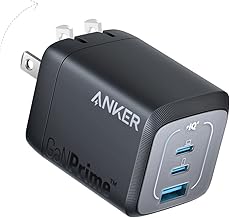
For most setups, a single, powerful, legitimate multi-port GaN charger is the only power brick you need on your desk. It eliminates cable clutter, provides one-point control, and when it’s real, it does so efficiently and coolly. We’re talking about brands like Anker (their Prime series), UGreen, and a handful of others that have proven track records. Their products aren't the absolute cheapest, and that's the point. The extra $20-$40 isn't a premium; it's an insurance policy against frying your laptop's $800 logic board.
This isn't the place to cheap out. Your $30 fake charger saving is instantly wiped out when you need a $200 motherboard repair because the faulty power supply sent a voltage spike down the line. This is a known issue. In common setups with monitors, external drives, and laptops all drawing power, the stability of that power source is non-negotiable.
Common Power Mistakes That Invite Fakes
- Prioritizing Port Count Over Quality: Choosing a 4-port 140W mystery brick over a reputable 2-port 100W charger. The more ports on a fake, the more compromised the power delivery to each one. You’re better off with fewer, reliable ports.
- Ignoring Thermal Performance: If a review doesn’t mention heat, it’s a useless review. Your first question about any charger should be: “How hot does it get charging a laptop for an hour?”
- Using the Included Cables: Fake chargers often come with terrible, out-of-spec USB-C cables that can’t handle the wattage they claim to support, creating a bottleneck and another point of failure. Always use certified cables from known brands.
For a deeper dive on why USB hubs and power chains fail, see our breakdown on USB hub throttling speed and the truth about charger safety standards.

Final Verdict: Skip the Fakes, Buy Once
The verdict on no-name, too-cheap-to-be-true GaN chargers is simple: Skip it. They are overrated, dangerous, and a false economy. The risk to your expensive hardware vastly outweighs the few dollars saved. A fake GaN charger is a ticking thermal bomb that delivers inconsistent performance, risks your devices, and clutters your space with anxiety.
Invest in a single, high-quality, legitimate GaN charger from a proven brand. It’s worth it. It will run cooler, last longer, deliver power consistently, and most importantly, it won’t become the reason your workday ends with a trip to the repair shop. Your desk setup’s performance is only as good as its most critical—and most overlooked—component: clean, stable, and safe power. Stop gambling with garbage.
Frequently Asked Questions
How can I tell if my GaN charger is fake?
Check the weight (fakes are lighter), monitor heat output (real GaN runs significantly cooler under load), and test sustained wattage with a power meter. If it gets too hot to touch while fast-charging a laptop or claims a high wattage but can't deliver it consistently across multiple ports, it's likely fake.
Are fake GaN chargers dangerous?
Yes. They often lack proper safety certifications and overheat due to poor efficiency. This can lead to thermal damage to the charger itself, your device's charging port, and in extreme cases, pose a fire risk. They can also deliver unstable power, which degrades device batteries over time.
Why are real GaN chargers more expensive?
You're paying for the actual gallium nitride semiconductors (which are more expensive than silicon), advanced engineering for compact size and heat dissipation, legitimate safety testing (UL, CE), and quality internal components like capacitors that won't fail prematurely. The cost reflects real performance and safety.
What's the biggest giveaway of a fake charger?
The price. If a 100W+ multi-port GaN charger is priced similarly to an old, basic silicon charger, it's almost certainly fake. Real GaN technology and proper multi-port power management have a real cost that cannot be bypassed.
Written by
GlowRig Editorial researches and writes practical guides about desk setups and home office gear. Our articles are produced with the help of AI research tools and are reviewed for accuracy against manufacturer specifications and public user feedback. We may earn a commission from affiliate links, which never affects our recommendations.
Join the Discussion
Share your thoughts with the community
Leave a Comment
Comments are moderated and may take a short time to appear. Links are not permitted.