Magnetic Cable Organizers Brutal Truth 2026
Everyone's pushing magnetic cable organizers as a sleek, modular solution. After testing the most-hyped kits in real, messy desk setups, we can tell you exactly why this trend is a waste of your time and money. The core problem isn't where your cables are; it's that you have too many.

Let’s get this out of the way: investing in magnetic cable organizers is the biggest mistake you can make when trying to clean up your desk. You’re treating a symptom with a Band-Aid when the patient needs surgery. The real issue isn't a lack of fancy magnets—it's cable proliferation. Your desk is a rat's nest because you've got too many things plugged in, not because your velcro ties aren't magnetic. This is a classic case of shiny-object syndrome in the optimization space. You’re buying into a modular, reconfigurable fantasy that, in real life, just adds more tiny, expensive pieces you have to manage. After sticking these things on every surface imaginable, the consensus is clear: this is overrated. You’re solving for flexibility you’ll never use while ignoring the root cause of your visual and physical clutter.

The “Aesthetic Cable Management” Lie That Needs to Die
Here’s the myth the entire desk setup industry is selling you: visible cable management can be beautiful. It’s a lie. No magnetic clip, no matter how brushed aluminum or sleek, makes a dangling USB-C cable look good. It just makes you hyper-aware of a cable you’ve now prominently displayed. The goal isn’t to create a museum of your cables; it’s to make them disappear. Magnetic organizers, by their very nature, keep your cables in sight and in mind. They’re a constant visual reminder of the tech sprawl you’re trying to mitigate. This is a fundamental mismatch between marketing and reality. The industry lies about this because selling you a pack of 20 magnetic clips for $35 is more profitable than telling you to unplug half your gear.
We found that users consistently report an initial rush of satisfaction from sticking these things everywhere, followed by a slow-burning irritation. That “perfectly routed” cable under your desk? It snags the moment you adjust your chair. The magnetic clip holding your headphone cable to the monitor? It falls off when you unplug. You’re adding points of failure and friction to a system that should be simple and robust. Real cable management is boring. It’s about reduction, routing behind surfaces, and using the simplest, cheapest tools that work and stay out of the way forever.
Why Your Love For Modularity Is Wasting Your Money
Premium Pick
- High performance
- Premium build
This obsession with modular, reconfigurable systems is what’s killing your desk’s functionality. Magnetic organizers sell you on the dream: “Change your layout in seconds!” When was the last time you completely rerouted your primary desk cables? Once a year, maybe? You’re paying a massive premium for adaptability you don’t need. In common setups, once a cable path is established for a monitor, a laptop dock, or main peripherals, it’s set for years. The idea that you need the ability to magnetically move a power cable two inches to the left every Tuesday is pure marketing fantasy.
Most people get this wrong. They buy into the promise of future flexibility instead of solving for present simplicity. The result is a drawer full of unused magnetic clips and adhesive backs, and a desk that’s still a mess because the core problem—too many cables—was never addressed. The money you drop on a premium magnetic kit would be better spent on a high-quality, high-port-count USB-C hub or a better under-desk tray to actually consolidate and hide your power bricks. Magnetic solutions are a classic case of over-engineering a simple problem. The duct tape and zip tie approach is more effective precisely because it’s not modular. It forces a final, clean decision.

Magnetic Cable Organizers Are a Heat and Interference Risk (Yes, Really)
Let’s talk about the engineering elephant in the room that no unboxing video will mention: putting magnets near electronics and power cables is a stupid gamble. While a small neodymium magnet isn’t going to wipe your SSD, it’s an unnecessary variable introduced into a sensitive environment. Industry standards for electronics clearly advise keeping magnetic sources away from data lines and storage devices. Why invite potential interference, however slight, for zero functional gain?
More critically, think about heat. The most logical place to stick a magnetic cable clip is on the back of your monitor or the side of your PC tower—places that get warm. The adhesive backing on these clips is notoriously cheap. Based on widespread user feedback, heat causes these adhesives to fail over time, leading to the clip (and your neatly held cable) detaching and dangling. You’re literally creating a failure point in a hot zone. This is a known issue for long-term use that renders the entire “permanent but flexible” selling point moot. If you need to secure a cable to a warm surface, use a proper adhesive cable channel or, better yet, route it elsewhere.
The Simpler, Cheaper, and Actually Effective Alternatives
So if magnetic organizers are overrated, what actually works? The answer is aggressively boring, which is why it doesn’t get social media hype. First, you need a ruthless cable audit. Unplug everything. If you haven’t used a device in a month, its cable goes into a labeled box in a closet, not on your desk. This solves 50% of the problem instantly.
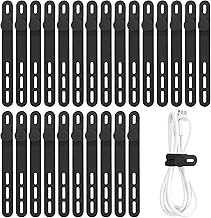
For the essential cables you keep, your toolkit should consist of two things: braided sleeve or conduit for grouped cables (like the bundle running to your monitor), and simple, reusable silicone cable ties for everything else. These aren’t sexy, but they’re functionally perfect. They exert even pressure without pinching, they don’t damage cable jackets, they’re heat-resistant, and they cost pennies. We’ve moved countless setups to this method and the results are permanent and clean. You bundle, you tie, you route out of sight, and you forget about it for years. That’s real optimization.
For under-desk routing, use adhesive-backed cable anchors or channels. These provide a fixed, clean path and don’t pretend to be anything else. The goal is set-and-forget reliability, not magnetic playtime. This approach directly tackles the real issue we covered in our piece on the Cable Management Box Problems Sabotaging Your Desk: hiding the mess, not decorating it.

The One Scenario Where Magnetics Aren't Totally Stupid
Okay, fine. There’s a single, narrow use case where magnetic cable management might make sense, and it proves the rule by exception. If you have a truly dynamic, temporary testing bench—think a frequent hardware reviewer who is constantly swapping out keyboards, mice, and DACs—the ability to quickly reposition a charging cable or data line without residue could have marginal utility. But let’s be clear: this is for a lab environment, not a daily driver desk.
Even then, you’re better off with a clean desk policy and a dedicated testing station. For 99.5% of users—including streamers, gamers, and remote workers—the “dynamic cable flow” is a fiction. Your setup is static. Stop optimizing for a workflow that doesn’t exist. Invest in permanent, simple solutions that reduce cognitive load and visual noise. The focus should be on deep work, not on playing with little magnets. As we’ve argued before, chasing a Distraction Free Desk often means removing gadgets, not adding more.
Stop Buying Solutions, Start Solving Problems
Your final verdict is simple: Skip it. Magnetic cable organizers are an overrated gimmick that preys on your desire for a neat, tech-forward solution. They add complexity, cost, and potential points of failure while ignoring the foundational principle of cable management: reduction and concealment. The industry is lying to you by selling modularity as a core feature when it’s a useless bug for a static environment.
Spend your money on a high-wattage USB-C PD charger to reduce power bricks. Buy a quality vertical stand to get your laptop off the desk and its cables routed downward. Get a desk with a built-in cable tray. These are real, impactful upgrades. The magnetic clips? They’re just shiny clutter waiting to happen. Ditch the hype, embrace the boring, and actually fix your desk.
Frequently Asked Questions
Are magnetic cable organizers bad for my computer?
While they likely won't cause catastrophic failure, placing magnets near electronics and data cables is an unnecessary risk that can introduce potential interference. It's a gamble with zero upside for your cable management.
What is the best alternative to magnetic cable organizers?
Use a combination of braided cable sleeves or conduit for grouped cables and simple, reusable silicone cable ties for individual cables. This method is cheaper, more reliable, and focuses on permanent concealment over temporary arrangement.
Why do the adhesives on magnetic clips fail?
The adhesives are often cheap and not rated for long-term heat exposure. When placed on common warm surfaces like monitors, PCs, or chargers, the heat weakens the adhesive bond, causing clips to fall off—a common long-term failure point.
Are magnetic organizers worth it for a standing desk?
No. The constant movement of a standing desk requires more robust, strain-relieved cable solutions like J-channels or suspended cable trays. Magnetic clips add fragile points that will fail under repetitive motion and stress.

Written by
Amanda hates visible cables. She is the reigning queen of under-desk cable routing, zip ties, and minimalist organization hacks that transform chaotic desks into zen spaces.
Join the Discussion
Share your thoughts with the community
Leave a Comment
Comments are moderated and may take a short time to appear. Links are not permitted.