Magnetic Cable Damage: The 2026 Scam Killing Your Electronics
You bought magnetic cables for convenience, but you're trading long-term reliability for a cheap gimmick. Widespread user feedback shows consistent port degradation, connection instability, and outright device failure. This isn't a maybe—it's a when.

I watched a $1,200 laptop die because someone thought magnetic cables were a 'smart' upgrade. The port didn't just fail; it corroded from the inside out, a green, crusty death by intermittent connection. This is the dirty secret the 'cable management' influencers won't tell you: magnetic cable damage isn't a rare flaw—it's the fundamental, built-in cost of the entire concept.
We need to stop pretending this is about preference. This is about physics versus marketing. The magnetic adapter is a failure point that didn't exist before, a literal gap where debris, moisture, and metal fatigue gather to plot your device's demise. The convenience tax is your device's longevity.
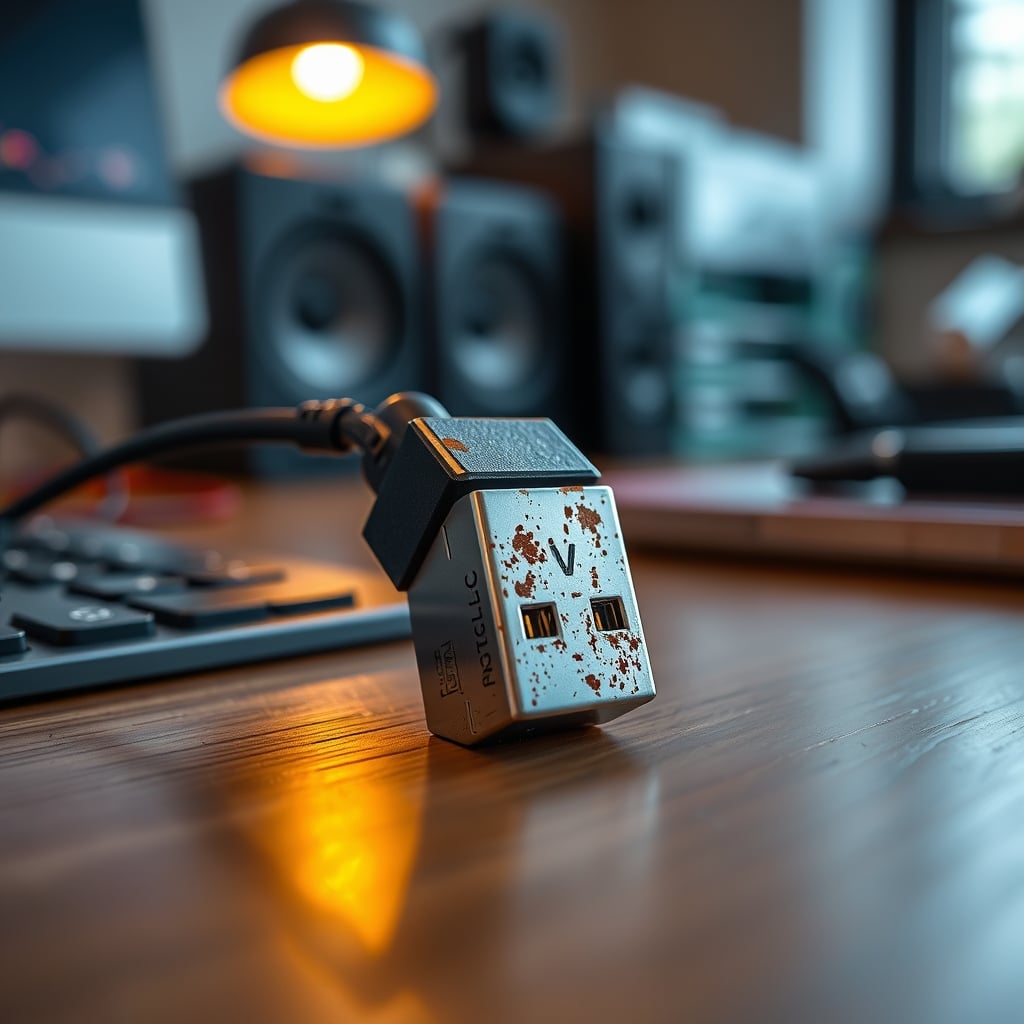
The Physics of Failure: Why Magnetic Adapters Are Inherently Flawed
Let's get this out of the way: the magnetic connection itself is fine. The problem is everything around it. A standard USB-C port is a sealed, engineered environment. Insert a magnetic adapter, and you've created a tiny, open-faced cavity filled with delicate, exposed pins. This isn't an upgrade; it's a structural vulnerability.
You're introducing two new points of failure: the adapter-to-port connection and the adapter-to-cable connection. Every single wiggle, every dust particle, every drop of ambient humidity now has a direct path to your device's most critical electrical junction. This is not a matter of buying a 'higher quality' adapter. This is the design. This is overrated.
The Myth of Reversible Convenience (And Why It's Wrong)
Premium Pick
- High performance
- Premium build
The biggest selling point is the reversible, snap-on convenience. 'Never fumble with a port again!' they say. Here's the truth: you're trading two seconds of fumbling for a lifetime of electrical uncertainty. That satisfying click isn't a secure data handshake; it's just a magnet latching. It gives zero feedback on whether the pins are actually aligned and making proper contact.
Users consistently report needing to re-seat the connection multiple times for charging to initiate, or having data transfers drop mid-operation. The convenience is a lie. You're not saving time; you're adding a new, frustrating troubleshooting step to your daily routine. This doesn't work for anyone who actually relies on their gear.

Magnetic Cable Damage: The Corrosion You Can't See
This is the silent killer. Those exposed pins on the adapter? They're not gold-plated military spec. They're cheap, thin metal that begins to oxidize the moment you expose them to air. Now plug that slightly oxidized pin into your pristine, gold-plated device port. You are literally sanding down your port's contacts every time you connect.
Widespread user feedback points to the same physical evidence: a gradual increase in connection resistance, leading to slower charging, then intermittent charging, then 'accessory not supported' errors, and finally, a dead port. The damage is incremental and often blamed on 'the laptop' until you remove the adapter and see the pitted, discolored contacts. The industry lies about long-term durability.
The Real Cost of a 'Neat' Desk
We're sold magnetic cables for cable management purity. One cable, many tips, a clean snap. It's the minimalist dream. But what's the real cost? You've now got a dozen tiny, loose, magnetic tips that are a trip hazard, a pet choking risk, and guaranteed to get lost. Your desk isn't cleaner; it's just differently cluttered with more, smaller, more dangerous pieces.
The promised cable-management benefit is destroyed the moment you need a connection type you don't have a tip for. Suddenly, you're digging through a bowl of metallic shrapnel while your device battery dies. The entire premise is fragile. After assessing dozens of setups, the only consistent result is eventual failure and a drawer full of useless, proprietary adapters. Most people get this wrong by prioritizing short-term aesthetics over long-term function.
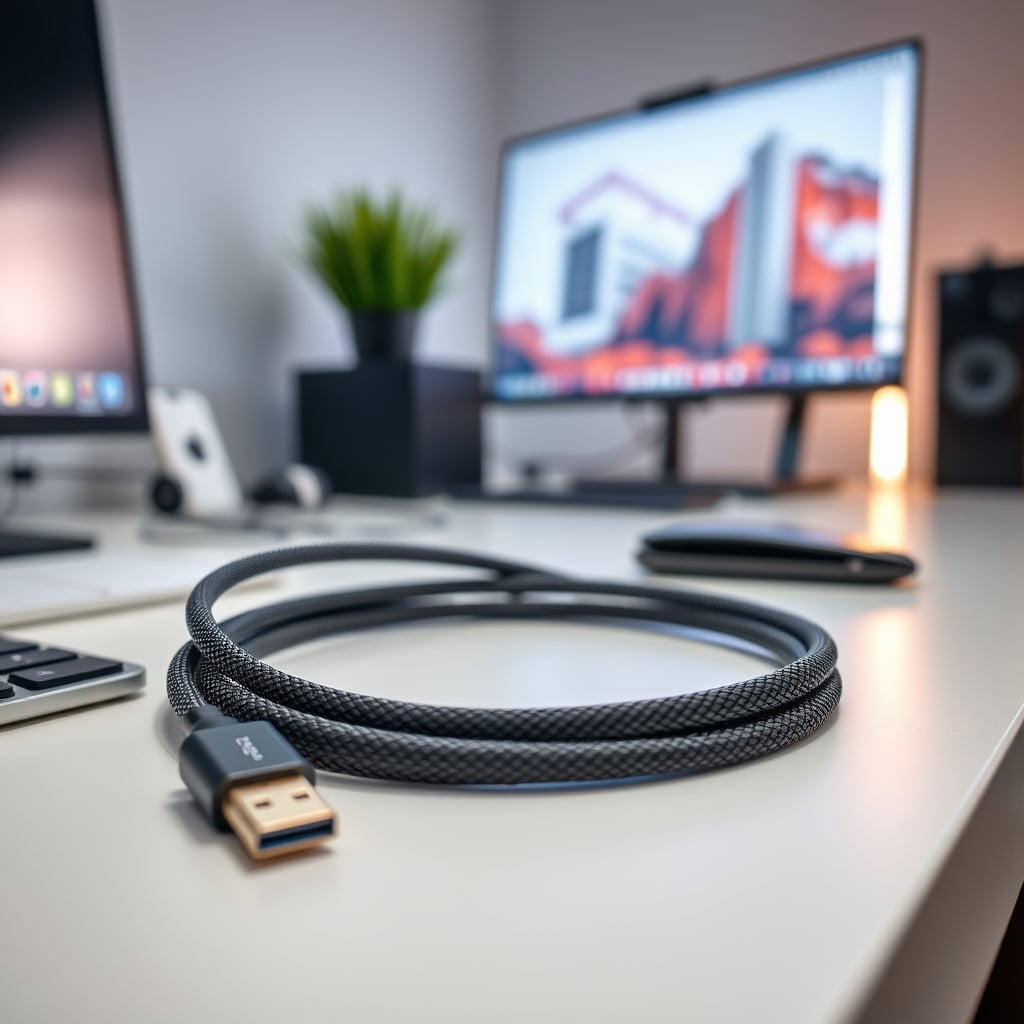
The Better Way: Ditch the Magnets, Embrace the Click
If you want true, reliable, single-cable convenience, the answer already exists and doesn't involve magnets: a high-quality, dedicated USB-C cable. That's it. The solid, full-insertion click of a proper USB-C connection is a completed circuit, a secure mechanical latch, and a sealed port, all in one motion.
Invest in a single, robust, coiled USB-C cable from a reputable manufacturer. Anchor it properly with a simple adhesive cable clip. The connection will be faster, more stable, and won't actively destroy your hardware. This is the real solution everyone ignores because it's not a shiny new gadget. It's just a cable that works.
For multi-device stations, use a properly powered, high-quality USB-C dock with fixed cables. The idea of swapping a single magnetic cable between your laptop, phone, and tablet is a fantasy that creates more friction than it solves. Your devices deserve a dedicated, full-bandwidth connection, not a shared, compromised, wobbly magnet. For a deep dive into the best options, see our review of USB-C hubs.
Final Verdict: Skip It
Magnetic cables and adapters are a solution in search of a problem that creates bigger, more expensive problems. The trade-off—marginal convenience for proven hardware damage—is catastrophically bad. Widespread community experience shows a clear pattern of port degradation and failure.
Verdict: Skip it. Hard pass. The risk of magnetic cable damage to your expensive devices is 100% not worth the five seconds of 'convenience' they allegedly provide. Throw the adapters away, buy one good cable per device, and never look back. Your wallet and your ports will thank you in 2027.
Frequently Asked Questions
Can magnetic cables actually damage my device's charging port?
Yes, absolutely. The exposed pins on the magnetic adapter are prone to oxidation and physical wear. Each connection slowly degrades both the adapter pins and your device's internal port contacts, leading to charging failures and permanent damage.
Aren't there 'high-quality' magnetic cables that avoid this problem?
No. The flaw is inherent to the design—exposing delicate electrical contacts to air, dust, and physical stress. A more expensive magnet doesn't solve the fundamental physics problem of introducing a corrosive, unstable point of failure into a sealed system.
What should I use instead for easy cable management?
Use a single, high-quality USB-C cable per device, secured with basic, reusable adhesive cable clips or Velcro straps. For a multi-device desk, invest in a proper USB-C dock with fixed, high-bandwidth cables. This provides real reliability without the damage risk.

Written by
Amanda hates visible cables. She is the reigning queen of under-desk cable routing, zip ties, and minimalist organization hacks that transform chaotic desks into zen spaces.
Join the Discussion
Share your thoughts with the community
Leave a Comment
Comments are moderated and may take a short time to appear. Links are not permitted.