Stop Falling for Keyboard Material Hype
Spending an extra $150 on an aluminum keyboard case because you think it’s 'premium'? You’ve been played. The keyboard material hype is a marketing-engineered trap that has you paying for specs your ears can’t hear and your fingers can’t feel. Here’s what actually matters.

Let’s get this out of the way immediately: I’ve sold more expensive, heavy-as-hell aluminum keyboard cases than I can count. I’ve built keyboards with materials that cost more per pound than aged steak. And after watching hundreds of builders do the same, I can tell you with absolute certainty that the keyboard material hype is the single biggest scam draining your wallet for zero tangible benefit. You aren’t buying performance or a better typing experience. You’re buying a narrative crafted by influencers and manufacturers who realized they could slap a 500% markup on a chunk of metal by calling it ‘premium.’
It starts innocently. You see a clean build with a shiny, anodized aluminum case. The comments scream about ‘acoustic profile’ and ‘typing feel.’ You watch a sound test where a $400 aluminum behemoth is compared to a plastic tray mount. The difference in the video is subtle, but the commenters insist it’s ‘night and day.’ So you convince yourself the upgrade is ‘worth it.’ Here’s the brutal reality: in the context of a real room, with your actual ears, while you’re focused on work or a game, that difference doesn’t exist. You’re paying for a placebo effect wrapped in metal.
The Aluminum Anchor: Why Your $200 Keyboard Case Is Overrated
This is where the industry lies to you the most. Aluminum is marketed as the endgame. It’s ‘dense,’ ‘premium,’ and ‘acoustically superior.’ Let’s dismantle that.
Aluminum is not magically better. It’s just different. The primary thing a heavy aluminum case does is add mass to prevent case flex. That’s it. For 99% of off-the-shelf PCBs and plates, case flex wasn’t a problem to begin with. You’re solving a non-issue. The ‘acoustic profile’ everyone gushes about? It’s marginally deeper, maybe. But that change is 90% determined by your plate material, mounting style, and switches. The case material is a minor actor in a play dominated by other components.
More importantly, aluminum transmits sound and vibration differently. That ‘solid’ feel often comes with a higher-pitched metallic ‘ping’ or resonance that many builders then spend more money and time trying to eliminate with foams and mods. You’re literally paying extra to create a problem you then pay to fix. This is overrated. Most people get this wrong. They chase the material spec sheet instead of the actual result.
Based on widespread user feedback in long-term use, the initial ‘wow’ of the heft wears off in days. What you’re left with is a keyboard that’s annoyingly heavy to move, potentially noisier in a way you don’t like, and $200 poorer. The real issue is mounting style. A well-implemented gasket-mounted plastic case will provide a more consistent and pleasant typing feel than a poorly designed aluminum tray mount every single time.
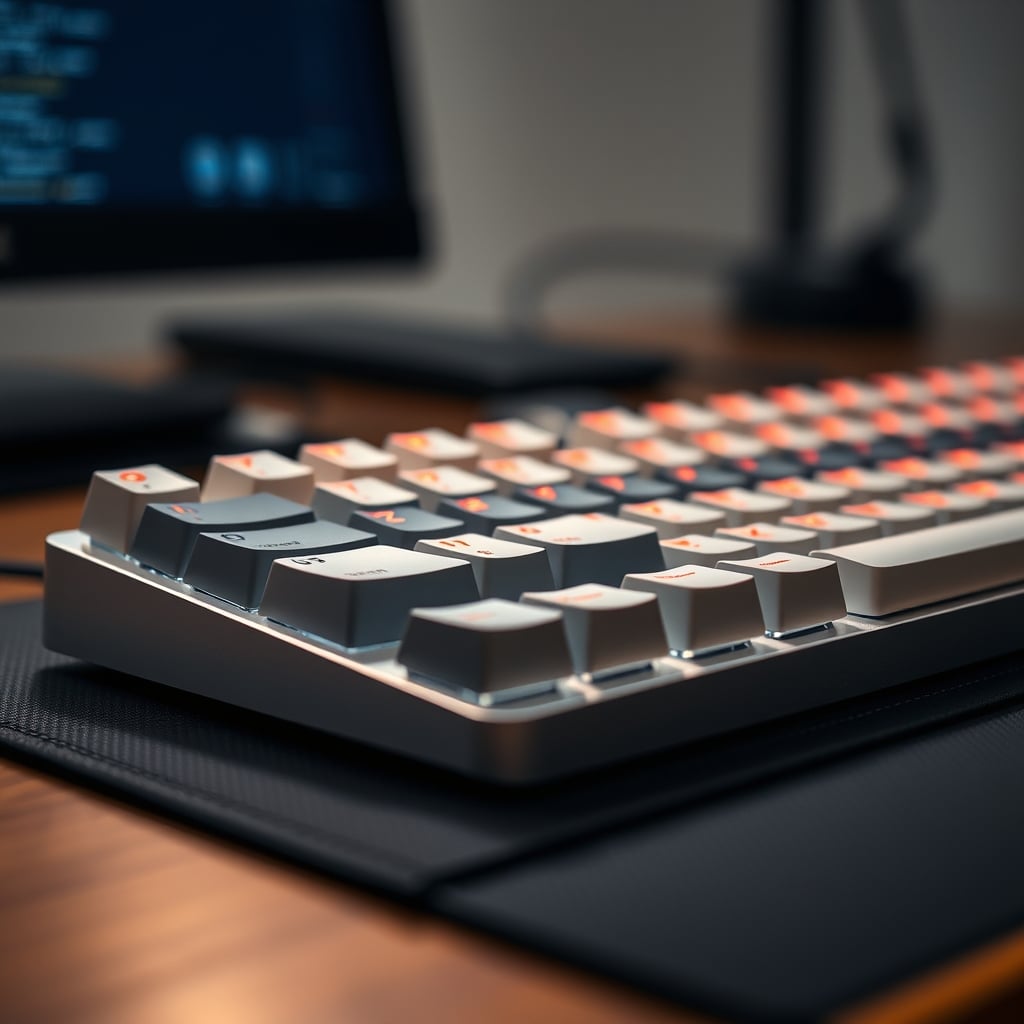
The Keyboard Material Hype Myth That Needs to Die
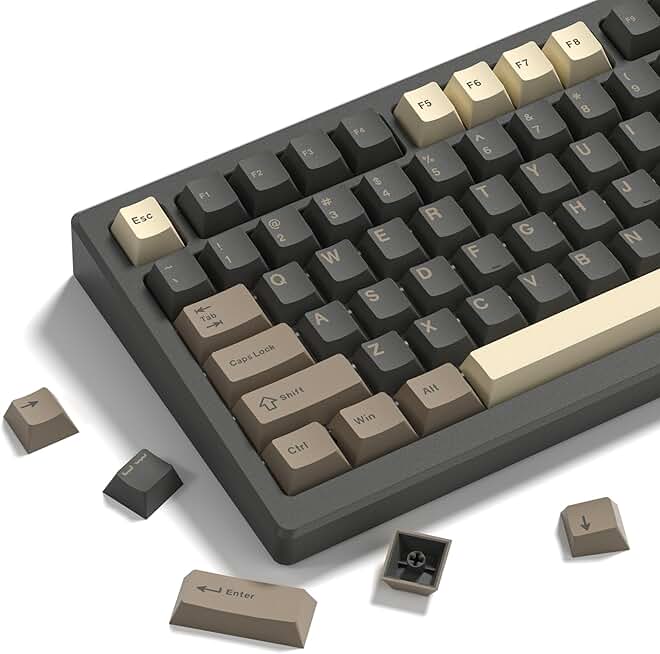
Builders wanting thick, quality keycaps without a premium price tag.
- 138-key set offers wide compatibility for most layouts
- Double-shot PBT construction for durability and consistent legends
- Cherry profile provides a comfortable typing angle
Here is the full, aggressive takedown you came for. The biggest lie in the hobby right now is that material is the primary driver of sound and feel. It’s a myth pushed because it’s easy to market. A new color of aluminum? Sell it. A new ‘premium’ polymer? Sell it. It’s tangible. It’s photogenic.
This myth needs to die because it misallocates your budget catastrophically.
Think of your keyboard budget as a pie. The material hype has you putting 50% of that pie into the case. That leaves scraps for everything that actually matters: switches, keycaps, and frankly, the PCB. A set of well-lubed, high-quality switches on a decent PCB inside a $50 plastic case will sound and feel infinitely better than scratchy, unlubed budget switches crammed into a $300 aluminum monolith. Every time.
This doesn’t work. The community’s obsession with weighing keyboard cases like they’re buying gold is a stupid habit. Heavier does not equal better. It just equals heavier. The industry loves this because machining metal is expensive and they can justify the price. You’re confusing cost with value.
Let’s use a car analogy everyone mocks but is perfectly accurate: putting racing slicks on a Honda Civic with a busted suspension doesn’t make it handle like a Porsche. Putting a $200 aluminum case on a keyboard with a rattly stabilizer and cheap keycaps doesn’t make it sound like a ‘thock’ video. You’re upgrading the wrong part. This is the real issue.
What Actually Moves the Needle (Spoiler: It’s Not The Case)
If material is a minor player, what should you spend on? The hierarchy of impact is brutally simple, and most hobbyists have it backwards.
- Switches & Tuning: This is 60% of your sound and feel. The switch material, spring weight, and most importantly, the quality of your lube job dominate everything. A properly lubed and filmed switch in a cardboard box will sound better than a dry, scratchy switch in a perfect case. Spending $1 more per switch on a better-reviewed, smoother option will yield a more dramatic improvement than spending $100 more on a case. Every single time.
- Keycaps: This is 25%. The profile (Cherry, OEM, SA) changes the typing angle and sound. The material (PBT vs ABS) changes the sound signature and longevity. Thick PBT keycaps have a deeper, more muted sound than thin ABS. This difference is often more audible than swapping from plastic to metal cases.
- Mounting Style & Implementation: This is 10%. Is it gasket mount? Top mount? Tray mount? How well is it executed? A good gasket mount system, even with plastic, provides a soft, consistent bottom-out that defines ‘feel’ more than case material.
- Case Material & Construction: This is the final 5%. It’s the finishing touch. It only matters after you’ve maximized the other 95%. A great case can refine an already great build. A ‘premium’ case cannot salvage a bad one.
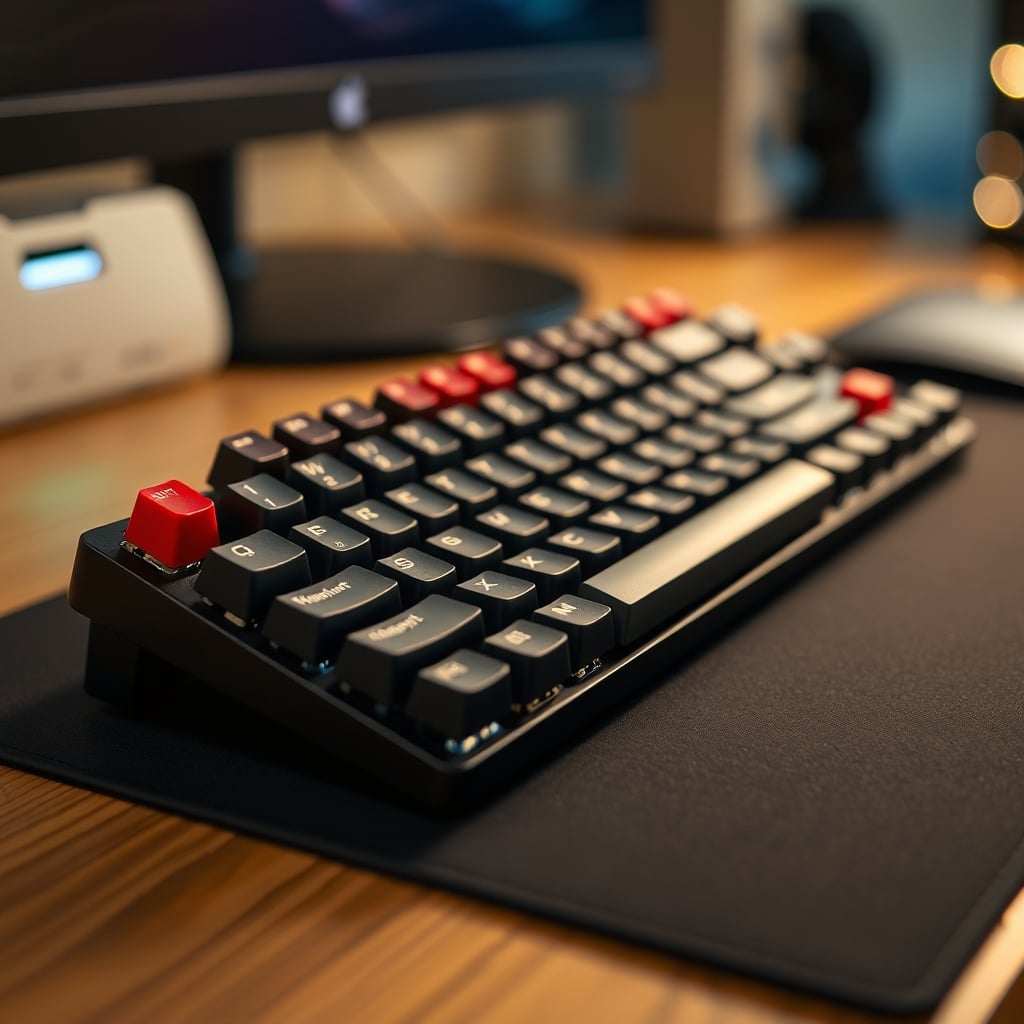
The PBT vs. ABS Trap: Another Overblown Battle
While we’re demolishing sacred cows, let’s tackle keycaps. The mantra is ‘PBT good, ABS bad.’ This is reductive nonsense. PBT is praised for being thick and not developing shine. ABS is vilified for shining over time.
Here’s the truth: High-quality, double-shot ABS keycaps from brands like GMK have a sound signature many prefer—slightly higher-pitched and ‘clackier’—which is a desired aesthetic in many builds. They also offer colorways and legends that are often superior to PBT. The shine is a factor, but it takes years and some see it as a patina.
Conversely, cheap, thin PBT keycaps can sound hollow and terrible, negating the supposed ‘material benefit’ entirely. You’re not buying a material; you’re buying a quality level within a material. The blind push toward PBT everything has people buying awful, poorly molded PBT sets because ‘PBT is better,’ while ignoring fantastic ABS options. This is overrated.
Most of the perceived benefit of ‘good’ keycaps comes from their thickness and profile, not the polymer itself. A thick ABS cap will often sound better than a thin PBT cap. Judge the product, not the marketing bullet point.
Practical Tips: How to Spend Your $300 Wisely
Let’s apply this. You have a $300 budget to build or upgrade a keyboard. Here’s the allocation that will give you the best real-world result, based on actually using these things daily, not staring at them on a shelf.
- $100: Switches. Don’t skimp. Get a known-good linear or tactile (like a Gateron Ink, Durock, or JWK variant). Budget for lube (Krytox 205g0) and films. Do the work. This is your foundation.
- $80: Keycaps. Get a good, thick double-shot PBT or ABS set from a reputable maker. Focus on profile and thickness. The Womier Double Shot PBT set is a shockingly good budget baseline that proves you don’t need to spend $150 on keycaps for great sound.
- $70: Keyboard Kit (Case, Plate, PCB). Look for a well-reviewed plastic or budget aluminum kit with a gasket mount system. Brands like Keychron, Feker, and even some Bakaneko clones offer incredible performance per dollar here. This is where you get your mounting style.
- $50: Stabilizers and Mods. Premium screw-in stabilizers (like Durock V2) and some case foam are non-negotiable. The difference between rattly and clean stabilizers is more noticeable than any case swap.
See how the case is just one part of a balanced system? It’s not the star.
The Biggest Mistake Builders Make (It’s Copying Sound Tests)
You watch a sound test on YouTube with pristine audio recording equipment in an acoustically treated room. You then expect your build, in your untreated home office with ambient PC fan noise, to sound identical. It won’t.
Those videos are useful for comparing relative differences between two items in the same test setup. They are terrible for understanding how a keyboard will sound to you, in your environment. The microphones, the room echo, the post-production—it all creates an unrealistic standard. The material differences exaggerated in those videos are often completely masked by real-world ambient noise.
Your $200 aluminum case will not make your keyboard sound like the ASMR video. Ever. Chasing that phantom sound is the biggest mistake and the primary driver of the material hype cycle. You’re trying to replicate a studio recording in a living room. It’s impossible.

The Verdict: Skip the Material Hype, Build for Feel
The conclusion is straightforward.
Skip it.
Skip the relentless upgrade path from plastic to aluminum to brass weight. Skip the belief that a heavier price tag equals a better typing experience. It doesn’t. The keyboard material hype is a brilliantly marketed dead end designed to separate enthusiasts from their money after the low-hanging fruit of switches and keycaps has been picked.
Pour your budget into the core components that actually dictate performance: tuned switches and good keycaps. Get a decent, well-designed kit with a good mounting style. That’s it. The pursuit of ‘premium materials’ is, for the vast majority of builders, an overrated aesthetic choice masquerading as a performance one. Your fingers and your wallet will thank you.
Want to see another area where perceived premium specs are a waste? Look at high refresh rate overkill. Or, if you really want to optimize your desk, learn why USB hub latency is a far more impactful spec than your keyboard’s case weight.
Frequently Asked Questions
Is an aluminum keyboard case worth the money?
For most builders, no. The performance difference is minimal and often exaggerated. The money is better spent on higher-quality switches, keycaps, and a better mounting system, which have a much larger impact on sound and feel.
What keyboard material is actually best?
There is no 'best.' Different materials (aluminum, polycarbonate, plastic) produce slightly different sound profiles, but the difference is subtle and overshadowed by switch choice, tuning, and keycaps. Focus on the design and mounting implementation of the case, not its material.
Why does my keyboard not sound like the sound tests online?
Online sound tests are recorded in acoustically treated environments with high-end microphones and often have post-processing. Your real-world desk setup has ambient noise, room echo, and your own ears perceive sound differently. Chasing those pristine recordings is a fool's errand and a main driver of wasteful spending.
Should I always choose PBT keycaps over ABS?
Not always. Material is less important than quality and thickness. A thick, well-made ABS set can sound and feel excellent, while a thin, cheap PBT set can sound hollow. Judge the specific keycap set, not just the material listed on the product page.

Written by
James is a competitive FPS player who tests the latency, weight, and sensor accuracy of every gaming mouse that drops on the market. Precision is his religion.
Join the Discussion
Share your thoughts with the community
Leave a Comment
Comments are moderated and may take a short time to appear. Links are not permitted.