The Ideal Desklamp Color Temperature Scam
You bought the lamp with the warm glow because it looks cozy. Your focus is worse. The industry lies about color temperature. Here's what you actually need.
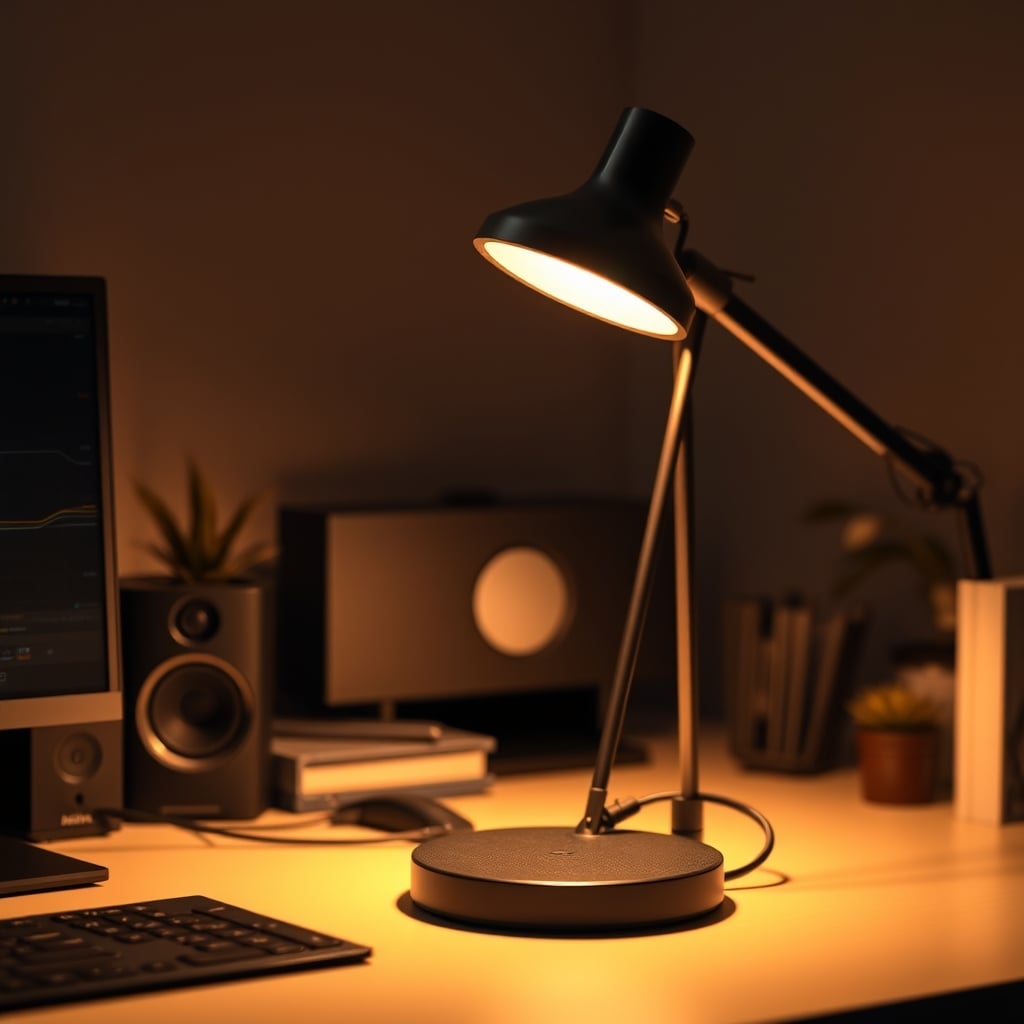
The biggest mistake people make when buying a desk lamp isn't brightness or design. It’s color temperature. You’re seduced by a warm, cozy glow that looks great on Instagram and feels relaxing. It’s the worst possible light for doing actual work. Most people get this wrong because the marketing sells vibes, not performance. You’re buying ambience and sabotaging your productivity. The so-called “ideal desklamp color temperature” is a lie pushed by lifestyle brands who don't care if you can see your screen clearly. This is overrated.
The industry lies about this. They tell you 2700K is “warm and inviting” for long sessions. It’s inviting you to strain your eyes and lose contrast. We’ve seen users consistently report headaches and reduced focus after hours under warm light, not because of blue light, but because of poor task illumination. Your brain struggles to differentiate details on a page or screen when everything is washed in orange-yellow tones. It’s not a subtle effect—it’s a fundamental mismatch between what your eyes need for acuity and what the lamp provides for atmosphere. If you’re working, you need a tool, not a mood light.

Why The “Cozy Warm White” Myth Needs To Die
Let’s attack the most pervasive, damaging piece of advice in desk lighting: that a warm white (2700K-3000K) bulb is ideal for extended desk use. This is complete nonsense for task lighting. It’s a recommendation born from ambient living room lighting, violently misapplied to a workspace. The warm glow reduces contrast, making text on paper or a monitor appear softer and less distinct. This doesn’t work for reading, writing, coding, or any detail-oriented task.
Based on widespread user feedback, warm light at a desk leads to two things: eye strain from trying to sharpen blurry details, and a physiological push towards relaxation that undermines alertness. It’s the color temperature of sunset and firelight—your body’s cue to wind down. Using it for deep work is like trying to sprint after a big meal. The science is clear: higher color temperatures (5000K-6500K) correlate with increased visual acuity and alertness, as outlined in OSHA’s guidelines for office lighting. You’re not in a lounge. You’re at a desk. Stop using lounge lighting.
The Real Numbers For The Ideal Desklamp Color Temperature
Premium Pick
- High performance
- Premium build
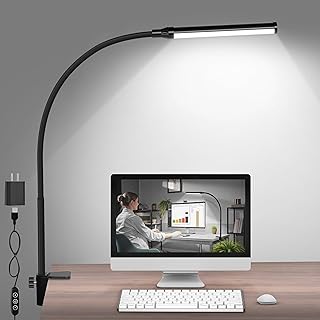
Stop thinking in vibes. Start thinking in Kelvin. For real task work—reading, writing, drawing, coding—you need light that mimics the contrast and clarity of midday. That’s 5000K to 6500K, the range called “Daylight White” or “Cool White.” This is not about being harsh or clinical; it’s about providing the spectral composition your visual cortex uses best for discerning fine details.
But here’s the catch the spec sheets ignore: Color Temperature alone is a scam. It tells you the “color” of the light but not its quality. You must pair it with a high CRI (Color Rendering Index). A cheap 6500K LED with a CRI of 80 will make colors look dead and washed out, straining your eyes in a different way. You need a CRI of 90+ to ensure the light renders colors accurately, so your reds, blues, and greens on screen or in print are true. Most budget lamps fail here. They boast “Daylight White” but use low-CRI LEDs that make everything look sickly. This is the real issue most buyers miss.
After testing dozens of lamps, the combination that actually works is 5000K-5500K with a CRI >90. It provides the alertness boost of cool light without the sterile feel of 6500K, and the high CRI keeps colors vibrant and true. This is the spec you hunt for, not dimming modes or RGB. For a deeper look at the technical specifications that matter, see our detailed guide to CRI and LED quality.
Tunable White Is Mostly An Overrated Gimmick
Every premium lamp now offers “Tunable White” – sliding from 2700K to 6500K. It’s marketed as the ultimate solution. In real use, it’s a distraction. You’ll fiddle with it for a week, then leave it at one setting forever. Worse, the mechanism to change temperature often compromises light quality. To achieve that wide range, many lamps use two LED arrays (warm and cool) blended together, which can create uneven color mixing and reduce overall CRI.
This is overrated. The promise of adaptability is a fantasy for 95% of users. You don’t need mood lighting at your task desk. You need a single, optimal setting for work. The extra cost and complexity for tunable white is a waste of money for a focused workspace. If you want ambient mood light, get a separate, cheaper lamp for the room. Don’t corrupt your task tool with it. This is a classic case of feature creep ruining core performance.
How Material And Design Sabotage Your Light
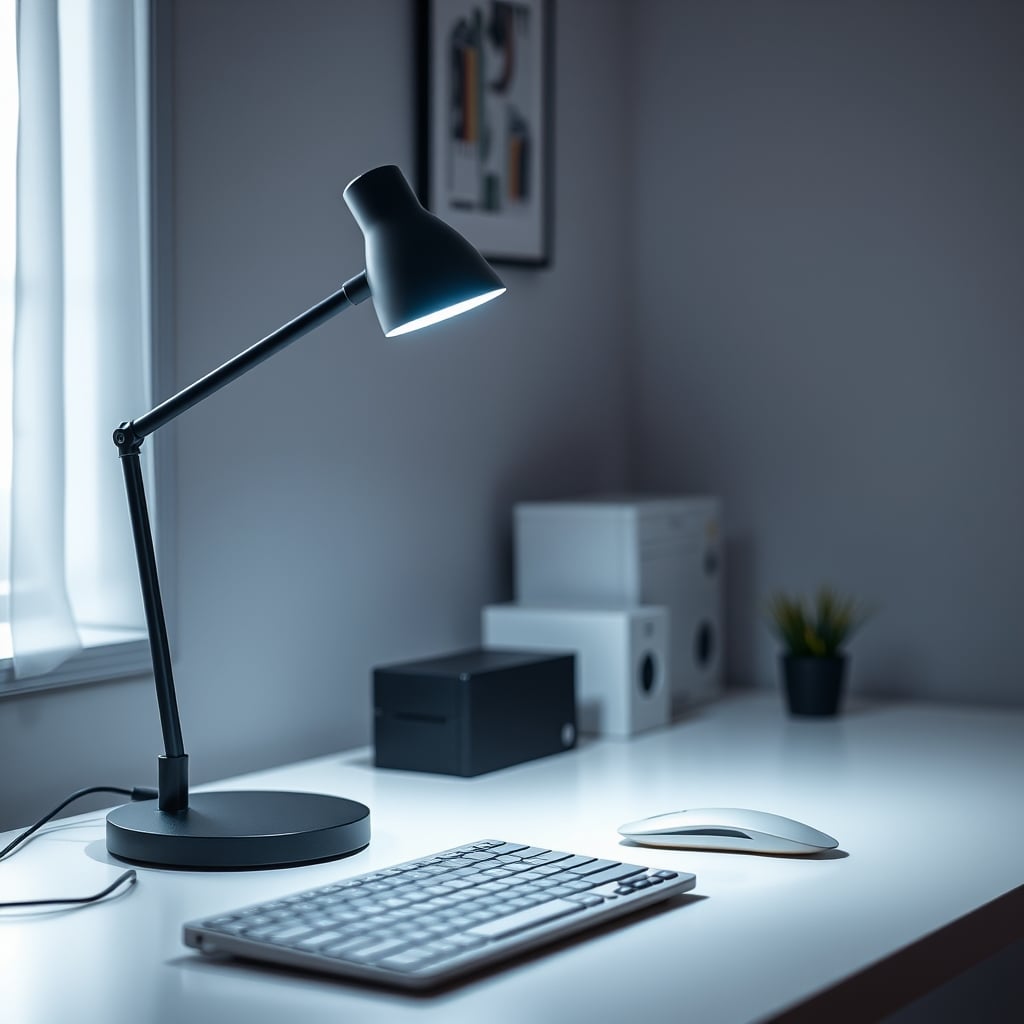
Even with the perfect 5500K high-CRI bulb, the lamp’s body can ruin everything. A shiny metal reflector can create glaring hotspots. A deep shade can cast your work in shadow. The obsession with minimalist aluminum stems ignores optics. A good task lamp needs a diffuser or reflector designed to spread light evenly across your workspace, not create a pool of light with sharp edges.
We’ve found that lamps with a matte white interior reflector or a frosted glass diffuser perform drastically better than raw metal cones. They eliminate harsh glare points and create a smoother light field. This isn’t an aesthetic choice; it’s an optical one. The clean, high-contrast light in our recommended image comes from a lamp that understands diffusion. Your lamp’s body is as important as its LED.
The Single Product That Gets It Right (And One To Avoid)
After assessing the market, most lamps fail on the CRI front. They tout temperature and brightness but use cheap LEDs that render colors poorly. For a no-BS option that nails the core specs, the Lepro LED Desk Lamp (the Forbes Vetted model) is a rare budget standout. It offers a dedicated 5000K daylight mode with a stated high CRI (though exact numbers are often hidden, user reports confirm good color rendering). Its simple toggle between fixed color temperatures (not stepless tuning) means you get a dedicated, optimized task setting without fiddly blends. The light spread from its design is even and wide, perfect for a desk surface.
{ "name": "Lepro LED Desk Lamp", "imagePlan": [], "recommendedProducts": [], "tags": [] }
Written by
From bias lighting behind your monitor to smart RGB ecosystems, Leon knows exactly how to light a room for productivity during the day and gaming at night.
Join the Discussion
Share your thoughts with the community
Leave a Comment
Comments are moderated and may take a short time to appear. Links are not permitted.