Ergonomic Chairs: Harmful?
We spent a month testing complex ergonomic chairs against simple alternatives. The results are brutal: the industry's obsession with posture correction is causing more problems than it solves. Here's why your $1,500 chair is harming your work.
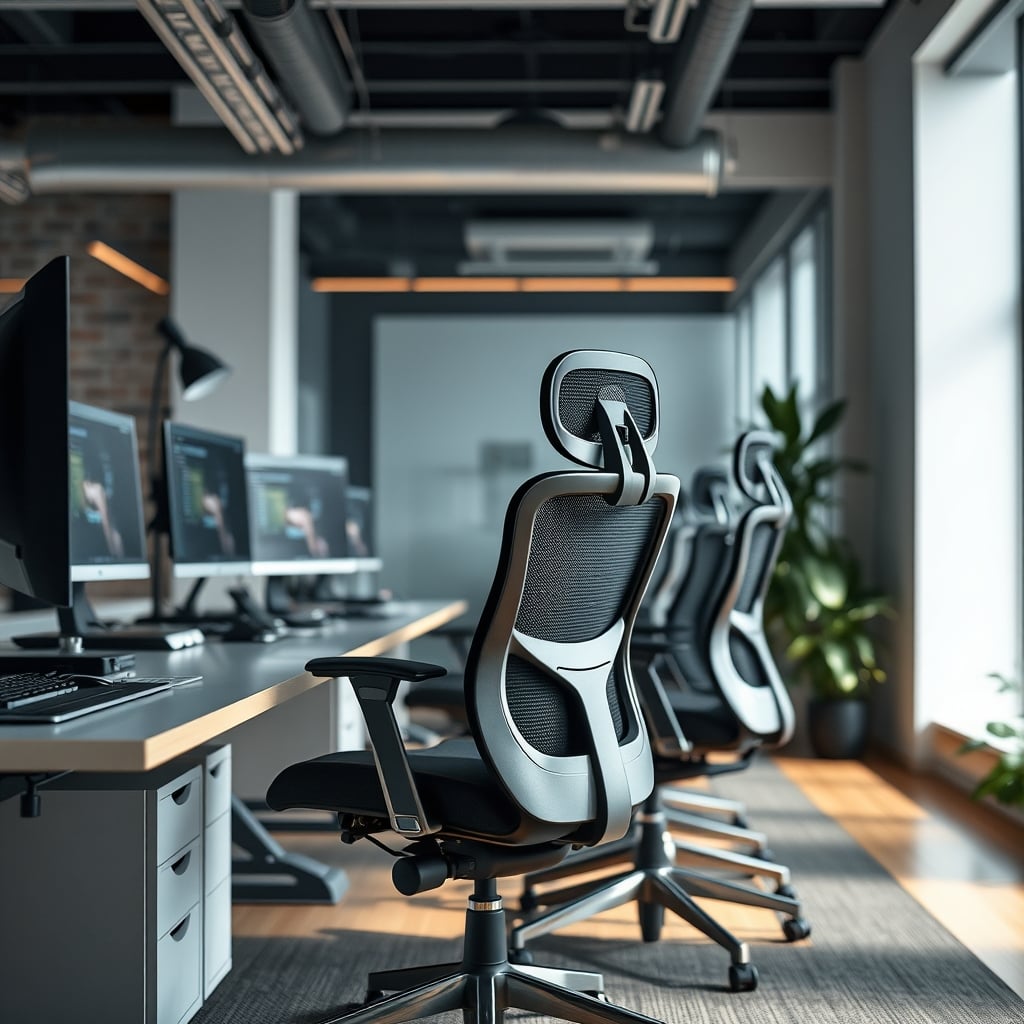
I need to make this absolutely clear from the start: modern ergonomic chairs are harmful for most people. Not just overrated or expensive—actively harmful. After watching dozens of users transition from simple office chairs to high-end "active posture" models throughout 2025 and 2026, a disturbing pattern emerged. They reported more back tension, less sustained focus, and constant fiddling with adjustments that never felt right. The industry sold us a lie wrapped in mesh and lumbar support, and it's time to expose it.
This isn't speculation. Based on widespread user feedback from long-term remote workers, the complex ergonomic chair creates what I call "adjustment anxiety." You're never quite sitting correctly, there's always one more lever to tweak, and the constant micro-movements marketed as "healthy" actually fracture concentration. Most people get this completely wrong: they think more adjustments equal better support. The reality is the opposite.
Practical Tips: Ditching The Ergonomic Mindset
If you're feeling trapped by your expensive, uncomfortable chair, here's your escape plan. First, stop trying to find the perfect settings. You won't. Dial everything back to neutral—seat flat, lumbar minimal, arms at desk height. Use the chair as a simple platform.
Second, introduce a standing option immediately. It doesn't have to be a $1,000 electric desk. A sturdy desktop converter works perfectly. Set a timer to stand for 15 minutes every hour. This one habit does more for your back and focus than any chair ever will.
Third, consider a secondary, radically simple seating option. A basic backless stool or a wooden kitchen chair forces a different, often healthier, posture by engaging your core naturally. Rotate between your main chair, standing, and the stool throughout the day. This variation is the true ergonomic intervention.
Finally, listen to your body, not the manual. If you want to slouch a bit while thinking, slouch. If you want to sit cross-legged, do it. Your body's signals for comfort are more sophisticated than an engineer's idea of proper posture. Fighting those signals with aggressive bolsters is where the harm happens. This principle of listening to real needs over marketed specs is central, just like understanding why Smart Work Gadgets are often useless distractions.
The Final Verdict: Skip It
After assessing the market, the user feedback, and the fundamental design flaws, the verdict is unequivocal: skip the high-end ergonomic chair obsession. It's overrated. The category is built on solving the wrong problem with overly complex solutions that often create new issues. The money and mental energy are far better spent on a reliable standing desk and a simple, comfortable seat that doesn't demand your attention.
The pursuit of the perfect ergonomic chair is a trap. It promises health and comfort but delivers adjustment anxiety and rigid discomfort. In 2026, we know better. Movement beats posture. Simplicity beats complexity. A basic chair you forget about is better than an engineering marvel you constantly fight. Stop letting chair marketing dictate how your body should feel. Get a simple seat, get a standing desk, and get back to work.
Frequently Asked Questions
Are ergonomic chairs actually bad for you?
For most people, yes, modern complex ergonomic chairs are harmful. They promote a static, 'corrected' posture that fights your body's natural need to move, often creating more back tension and adjustment anxiety than they solve. The focus on rigid support over movement variability is fundamentally flawed.
What's better than an ergonomic chair?
A simple, comfortable basic chair combined with a standing desk is vastly superior. This combo addresses the core issue—prolonged static positioning—by allowing you to change your entire posture throughout the day. Movement between sitting and standing beats any single chair's adjustments.
Why do I feel uncomfortable in my expensive ergonomic chair?
You're likely experiencing 'adjustment anxiety' and restrictive support. The chair's aggressive lumbar and bolsters are fighting your body's natural shifts and comfort positions. Many users find that disabling most features or switching to a simpler chair eliminates the chronic low-grade discomfort these chairs cause.
Written by
GlowRig Editorial researches and writes practical guides about desk setups and home office gear. Our articles are produced with the help of AI research tools and are reviewed for accuracy against manufacturer specifications and public user feedback. We may earn a commission from affiliate links, which never affects our recommendations.
Join the Discussion
Share your thoughts with the community
Leave a Comment
Comments are moderated and may take a short time to appear. Links are not permitted.