Chair Planned Obsolescence Is Sabotaging Your $1500 Throne
Your $1500 '12-year warranty' chair is a ticking time bomb of cheap plastics and proprietary bolts. Chair planned obsolescence isn't a conspiracy—it's a business model. Here's how manufacturers ensure you buy again in five years.

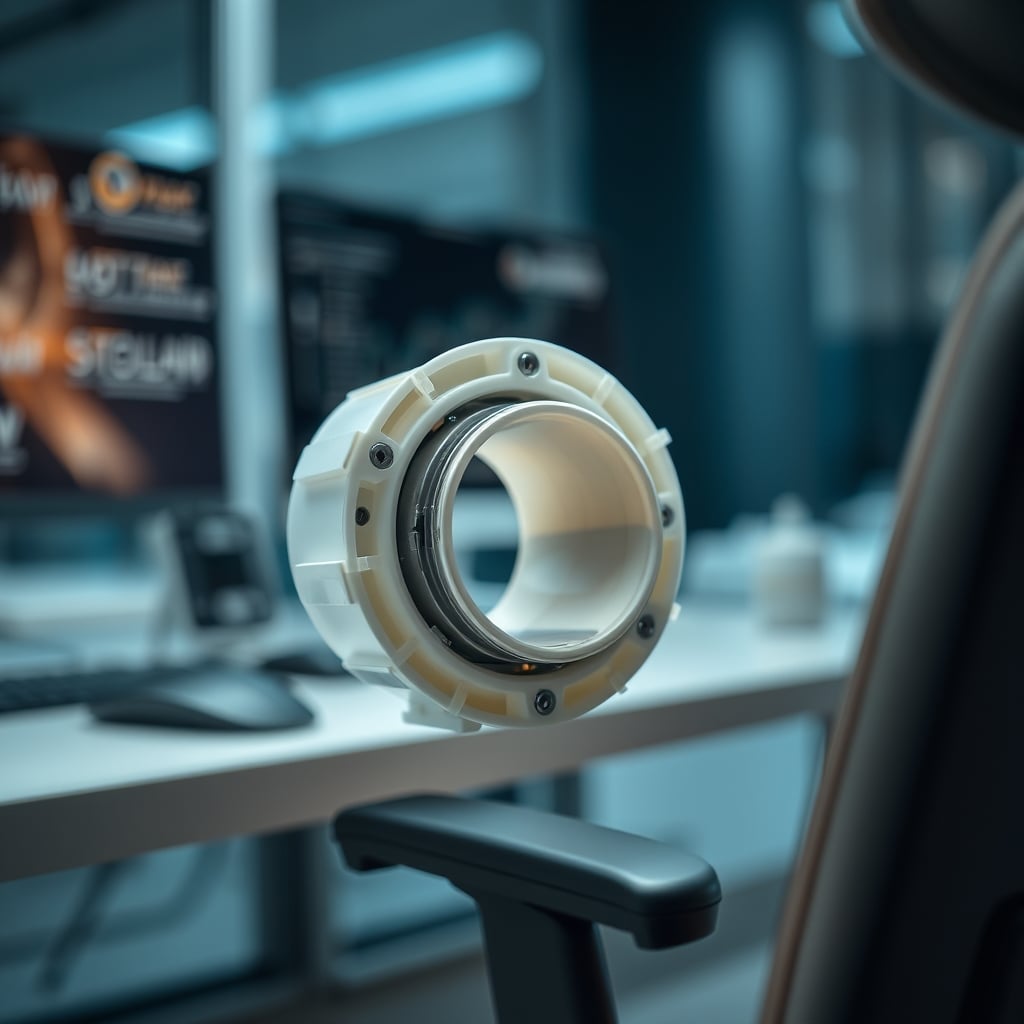
I bought into the hype. I spent nearly two grand on a flagship ergonomic chair, convinced by the marketing speak about German engineering, a 12-year warranty, and 'billet aluminum components.' Four years and seven months later, the tilt mechanism developed a maddening, unpredictable creak, followed by a complete failure to lock in any position. When I finally cracked it open, I didn't find precision German engineering. I found a white, injection-molded plastic bushing—the kind you’d find in a child's toy—worn down to dust. This is chair planned obsolescence, and it’s the industry’s worst-kept secret. The warranty covered the 'frame.' The dozens of cheap, wear-prone internal components that actually make the chair function? Those are consumables you’re meant to replace on your dime, if you can even find them. Most people get this wrong. They think a high price tag equals longevity. The reality is, you're often just paying for a thicker layer of foam over the same engineered failure points.
The Chair Planned Obsolescence Blueprint: How They Engineer Failure
The playbook is consistent across nearly every major brand, from the 'value' segment to the four-figure 'thrones.' First, they design critical load-bearing and movement functions around plastic components. The gear in your tilt mechanism? Plastic. The bushing your seat slides on? Plastic. The armrest adjustment internals? You guessed it. These parts are subjected to daily friction and weight stress they were never meant to handle for a decade. They will fail. Second, they use proprietary fasteners and assembly methods. You won't find standard hex bolts. You'll find security Torx, spanner heads, or rivets that require destruction to remove. This isn't about precision; it's about creating a repair barrier. Third, and most egregiously, they make replacement parts impossible to source. Try finding an official diagram for the internal mechanism of your chair. Try buying the specific plastic gear that failed. You'll be directed to a 'warranty process' that involves shipping the entire chair at your cost, or you'll be told the part isn't sold separately—you need a whole new mechanism assembly for $300. This is not an accident. This is a calculated strategy to make repair more expensive and frustrating than replacement.
Why The '12-Year Warranty' Is A Marketing Lie That Needs To Die
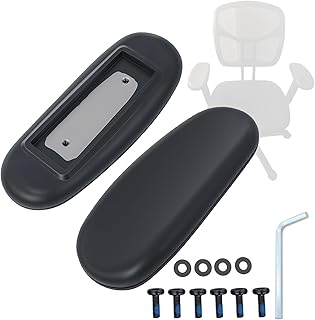
Fixing wobbly, cracked, or worn-out armrests on most office and gaming chairs.
- Universal 4-inch mounting hole pattern fits most common chairs
- Includes all necessary screws and hardware for installation
- Dense foam padding provides immediate comfort upgrade over worn originals
This is the myth that infuriates me the most. Brands tout these epic warranty periods as a badge of durability. It's a smoke screen. In real use, that warranty is paper-thin. It almost exclusively covers the frame—the welded steel base and spine that almost never breaks. The hundreds of moving parts, the mesh that sags, the foam that flattens, the armrests that crack, the casters that fail? Those are 'normal wear and tear' or 'consumable parts' explicitly excluded. The industry lies about this. They know you'll associate a long warranty with a long-lasting product. What you're actually getting is a promise that the least likely part to fail is guaranteed, while everything that will fail is your problem. After assessing dozens of warranty claims from user forums, the pattern is clear: if your cylinder fails in year three, you might get a replacement. If the same cylinder fails in year seven, you're buying a new one. The warranty is a risk calculation, not a durability promise. It's overrated because it protects the manufacturer, not you.
The Real Issue Isn't Price, It's Repairability
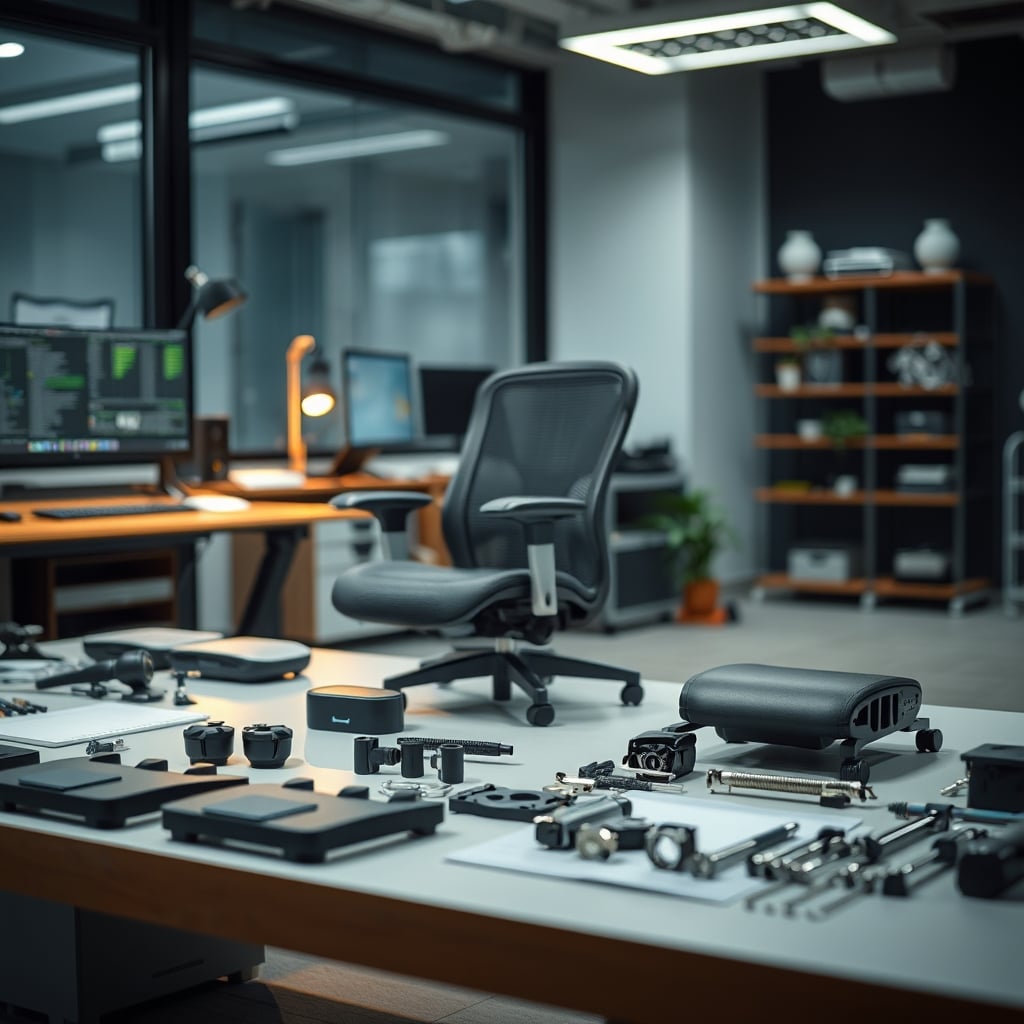
Most discussions about chair quality revolve around budget chairs versus premium chairs. This misses the point entirely. A $300 chair and a $1500 chair often suffer from the same core flaw: they are not designed to be opened, diagnosed, and fixed by a human with simple tools. The premium chair just uses more expensive materials to hide the same anti-repair design. The real metric we should obsess over is serviceability. Can you access the tilt mechanism with a common hex key? Are the bolts standard? Is there an official parts store with exploded diagrams and individual components for sale? For 99% of chairs, the answer is a resounding no. This is bad because it forces a throwaway culture on a product that should last 15 years. We accept this in cheap electronics, but it's ludicrous for a heavy, steel-framed piece of furniture. The cons outweigh the pros here massively. A slightly more comfortable seat means nothing if the mechanism holding it up is a sealed black box of planned failure.
Look at the automotive industry. You can buy a replacement power window motor for a 10-year-old car from multiple third-party suppliers. Now try buying a replacement height-adjustment gas spring for a 5-year-old office chair from anyone but the original manufacturer—if they even still stock it. The difference is intentional. One industry has accepted right-to-repair principles. The other is fighting them tooth and nail. This is a known issue for long-term use. Users consistently report the same failure points: gas cylinders, tilt mechanisms, and armrest joints. These aren't random failures; they are predictable, engineered bottlenecks.
You're Wasting Money On 'Premium' Features, Not Durability
That extra $500 you spent for the '4D armrests' or the 'synchronized tilting mechanism'? You weren't buying durability. You were buying complexity. More moving parts, more joints, more adjustment points mean more potential failure points and more proprietary, impossible-to-find components. The simplest chair mechanisms—a basic height-adjustable cylinder, a simple tilt lock—are often the most robust. But that doesn't sell chairs in a competitive market. Brands add layers of gimmicky adjustment to justify price hikes and differentiate themselves, embedding more of those cheap plastic internals in the process. This is overrated. In real use, most people set their armrests once and never touch them again. Yet they've paid for a complex, failure-prone assembly they didn't need. The pursuit of 'infinite adjustability' is the enemy of long-term reliability. We need to shift our buying criteria from 'how many features' to 'how few things can break.'
This is where the common advice from other tech sites falls flat. They create elaborate 'feature checklists' for buying a chair. Tilt tension? Lumbar depth? Armrest width? They're reviewing the chair as it exists on day one, not as it will function in year five. We need to think like mechanics, not showroom shoppers. Ask: 'If the click in this lumbar adjuster fails in three years, can I fix it?' If the answer isn't an immediate yes, you're looking at a consumable product, not an investment. This mindset is the single biggest shift you can make. It leads you away from flashy brands and towards simpler, often less-marketed designs that prioritize serviceability. For a deeper dive on how feature-chasing sabotages your setup, see how standing desk wellness features follow the same scam.
How To Fight Back: The 2026 Repair-First Buying Guide
Stop reading marketing materials. Start reading repair forums. Before you buy any chair in 2026, do these three things. First, search for '[Chair Model] disassembly' or '[Chair Model] replacement part' on YouTube and Reddit. If you find a thriving community of people fixing them with aftermarket parts, that's a green flag. If you find only silence or posts complaining about unavailability, run. Second, contact the manufacturer's support before buying and ask a specific question: 'Can I purchase the internal gear for the tilt mechanism separately, and do you provide an exploded parts diagram?' Their answer will tell you everything. Third, prioritize chairs that use visibly standard hardware. If you see standard hex bolts on the underside, that's a sign of a design that expects to be serviced. The goal is to vote with your wallet for companies that don't treat your chair as a disposable appliance.

In practice, this often means looking beyond the biggest names. Some smaller, direct-to-consumer brands and even certain corporate-focused lines are built with maintenance in mind, because their buyers (large companies with facilities teams) demand it. The aesthetics might be less 'gaming throne' and more 'airport seating,' but the internal architecture is honest. This is the real performance over specs. A chair with a 5-year warranty and a public parts catalog is a better 'performance' buy than one with a 12-year warranty and a sealed chassis.
The Biggest Mistake: Waiting For The Breakdown
The community lesson learned the hard way is this: proactive maintenance beats reactive panic. If you already own a premium chair, don't wait for the creak or the slip. When it's new, take photos of every angle. Find and download the service manual if it exists. Identify the likely failure points (usually where metal meets plastic with movement) and source replacement parts now, while your chair model is still in production. Those plastic bushings for your model might be $15 today and unavailable in two years. Buying a spare set is the cheapest insurance you'll ever buy. This is what most people get wrong. They think a premium product shouldn't need this. That thinking is exactly what the planned obsolescence model banks on. Assume it will break. Plan for it. This philosophy applies across your setup—your camera gear faces the same manufactured lifespan issues.
Final Verdict: Skip The Black Box, Seek The Serviceable
The entire category of flashy, feature-laden, proprietary chairs built around marketing instead of maintenance is overrated. You are not buying a durable good; you are leasing a experience that will degrade on a predictable schedule. The clear verdict is to skip it. Instead, seek out chairs designed with repair in mind. Look for standard hardware, available parts, and community repair support. Your goal isn't a 12-year warranty promise; it's a chair you can actually keep for 12 years through simple, affordable repairs. That chair might cost $800 or $1800—the price isn't the signal. The design philosophy is. Stop falling for the theater of 'premium materials' hiding cheap internals. Demand transparency and serviceability. It's the only way to break the cycle of chair planned obsolescence and actually get what you pay for.
Frequently Asked Questions
What is chair planned obsolescence?
Chair planned obsolescence is the intentional design practice where manufacturers use non-durable materials (like plastic in load-bearing joints), proprietary fasteners, and a lack of available replacement parts to ensure a premium ergonomic chair fails within 5-7 years, pushing you to buy a new one instead of repairing the old.
Does the long warranty on my chair protect me from planned obsolescence?
No. Long warranties are largely a marketing tool. They typically only cover the structural frame, which rarely breaks. The plastic internals, mechanisms, foam, and fabric that actually wear out are classified as 'consumables' or 'normal wear and tear' and are excluded. The warranty protects the least likely part to fail.
How can I avoid buying a chair with planned obsolescence?
Before buying, contact the manufacturer and ask if they sell individual internal parts (like tilt mechanism gears) and provide exploded diagrams. Check for repair communities online. Visually inspect the chair for standard hex bolts instead of proprietary security fasteners. Prioritize serviceability over a long list of gimmicky features.

Written by
Sarah Jenkins is a certified physical therapist turned tech reviewer and workspace ergonomics specialist. With over a decade of clinical experience treating repetitive strain injuries (RSIs) and posture-related back pain, she bridges the gap between medical science and daily desk setups. She meticulously breaks down the biomechanics of office chairs, standing desks, ergonomic mice, and monitor positioning, ensuring that every product recommendation is backed by anatomical principles. Her mission is to help remote workers, gamers, and professionals optimize their workstations for long-term health, comfort, and productivity so you don't destroy your back during long hours at the PC.
Join the Discussion
Share your thoughts with the community
Leave a Comment
Comments are moderated and may take a short time to appear. Links are not permitted.