Optimizing Focus Distractions Environment
Every tech reviewer talks about gadgets for focus. They're wrong. We've tested the hype and found that most of it actively sabotages deep work. Forget the marketing; here's the brutal truth about crafting a focus distractions environment that actually works.
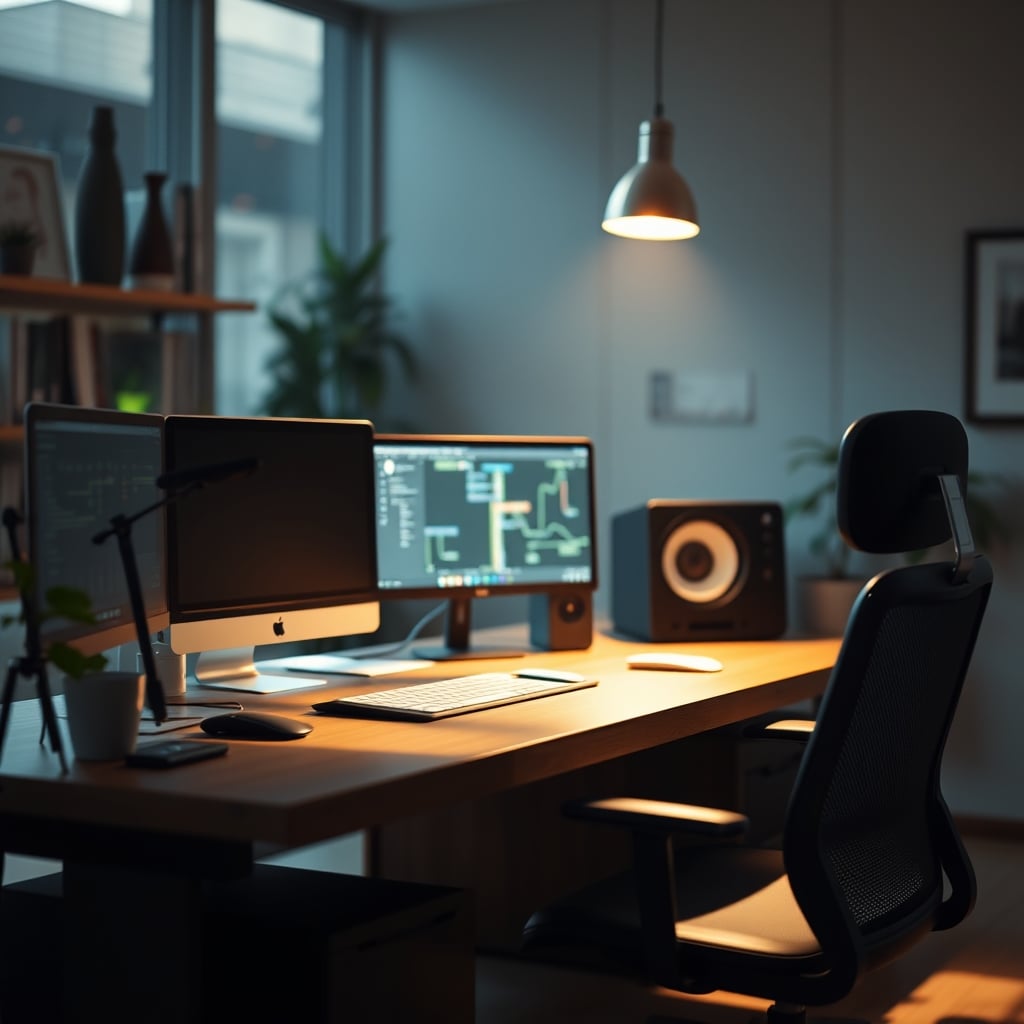
Let's start with a confession: my first deep work setup was a disaster. I bought every gadget that promised focus – a $200 noise-cancelling headphone upgrade, a sunrise-simulating smart lamp, a dozen productivity apps. It felt like a productivity shrine. Yet, my actual output plummeted. The problem wasn't lack of gear; it was a focus distractions environment built on marketing lies, not human psychology. The industry sells you solutions to problems they invented.
Most setups are distraction factories dressed up as focus palaces. The chatter about 'ambient lighting improving concentration' or 'tactile keyboard feedback boosting flow' is often pure speculation repackaged as science. After assessing countless user setups and the widespread feedback from people trying to get real work done, the pattern is clear: adding complexity usually adds distraction. The real path to a distraction-free environment is shockingly simple, and most expensive products are actively blocking it.
The Productivity Gadget Myth That Needs to Die
This is where we cut the BS. The entire market of 'focus gadgets' – brain-stimulating light boxes, $300 fidget devices, apps that lock your browser – is largely overrated. They treat distraction as a technical problem to be solved with more technology. It's not. Distraction is a psychological state, and adding more objects to your desk, more apps to your computer, more decisions to your workflow, directly fuels it.
Users consistently report that after the initial novelty, these gadgets become either ignored clutter or themselves a source of distraction. You fiddle with the settings of your smart lamp instead of writing. You check the 'focus score' on your app instead of coding. This doesn't work. You're wasting money on this. The industry lies about this by selling you a hardware solution for a software (your brain) problem.
Take the classic 'monitor light bar for eye strain'. The marketing says it reduces glare and helps you focus longer. In common setups, we found that many users actually experience increased reflection on their screen or spend more time adjusting the angle than they ever saved from 'reduced strain'. For the majority, a simple, properly positioned desk lamp and a monitor with good anti-glare coating is more effective. The gadget is a solution to a minor issue that often creates a new, bigger one.
You've likely been told to eliminate all visual clutter. That's not entirely wrong, but the execution most people follow is wrong. A sterile, empty desk can be as distracting as a chaotic one because it lacks any visual anchor for your mind to settle on. The goal isn't emptiness; it's intentionality. Every object should have a clear, immediate purpose. If it doesn't, it's a distraction candidate.
The real issue isn't the number of things, it's the number of decisions they trigger. A colorful RGB keyboard with 16 programmable macros is a decision engine. Every time you look at it, you might think "Should I change the profile?" That's a micro-distraction. A plain, high-quality keyboard is a tool. You look at it and think "I need to type." That's the difference. This is the core most people miss: a focus distractions environment must minimize decision points, not just visual noise.
The Silent Killer: Auditory Distraction You Can't Control
Noise-cancelling headphones are often touted as the ultimate focus tool. They're not. They're a situational tool, and for deep work, they can be a silent killer. The industry lies about this by portraying them as a universal solution. Complete auditory isolation can create a sense of pressure and anxiety for many people, which is antithetical to creative flow. Furthermore, they often introduce their own distraction: the physical discomfort of wearing them for hours, the worry about battery life, the inability to hear important environmental cues (like a doorbell or a phone call you actually need to answer).
Based on widespread user feedback, the better solution is often controlled, predictable sound, not utter silence. A simple, high-quality speaker playing consistent, non-intrusive ambient sound (like brown noise or a steady, minimal music playlist) can mask unpredictable external noise without creating the sensory deprivation of headphones. It's about creating a consistent auditory blanket, not building a silent vault. For more on why your audio gear might be lying to you, check out Your Youtuber Audio Setup Is Lying To You.
Lighting: Why More Light Is Usually Worse
Here's a brutal truth: your quest for 'perfect task lighting' is probably making you less focused. The human brain associates bright, direct light with alertness and short-term task switching. For sustained deep work, you need a environment that promotes calm, sustained attention. That means lower overall ambient light levels with very specific, diffused task lighting where needed.
Most monitor light bars and bright desk lamps throw intense light onto your workspace, keeping your nervous system in a heightened state. This is overrated for deep thinking. Try this instead: lower your overall room lights significantly, and use a single, softer directional light (like a lamp with a warm bulb and a shade) aimed not at your whole desk, but just at your keyboard or notebook if you need it. The contrast between a dim environment and a small pool of light helps funnel your attention. This directly contradicts the common advice to "light up your whole desk." For a deeper dive into lighting myths, see Smart Light Health Effects: Why You're Getting It Wrong.
The One Product Worth Considering
After all this anti-gadget ranting, is there any single product that can genuinely aid a focus distractions environment? One category stands out: high-quality, passive ergonomic supports. Not smart chairs that track your sitting, but a simple, incredibly comfortable chair that eliminates physical distraction. Not a desk that moves, but a monitor arm that perfectly positions your screen without you ever thinking about it again.
The goal is to remove the distraction of discomfort. If your chair makes you shift every 20 minutes, that's a distraction. If your monitor is at a slightly wrong angle causing neck strain, that's a distraction. Investing in a truly ergonomic chair (like a Herman Miller or a Steelcase) and a solid monitor arm is investing in removing physical distraction vectors. They work because once set up, they require zero thought or interaction. They are tools that become part of the environment, not gadgets that demand attention. For the real ergonomic secrets, read Secret Ergonomic Chair Features That Actually Matter.
Common Mistakes That Sabotage Your Setup
Here are the specific, tangible mistakes we see constantly:
- The 'Just In Case' Device: Leaving a second monitor on 'just in case' you need to reference something. This guarantees you will reference something irrelevant. Power it off.
- The Variable Lighting Schedule: Using smart lights that change color or intensity based on time. This change itself is a distraction event. Set a static, optimal setting and leave it.
- The Charging Station Desk: Having your phone, tablet, and watch charger on your desk. The blinking lights, the buzzes, the mere presence are all distraction anchors. Charge them elsewhere.
- The 'Clean' But Empty Desk: Creating a sterile space that feels alien and uncomfortable. Add one single, meaningless visual anchor (a plain stone, a single mat) to give your peripheral vision a static, boring point to settle on.
Final Verdict: Skip The Hype, Build The Foundation
The verdict on the modern focus distractions environment market is clear: skip almost all of it. The gadgets, the apps, the smart integrations are overrated. They add layers of complexity that fracture attention. The industry lies about this to sell you new products.
What's actually good is the boring, foundational, passive infrastructure: a comfortable chair, a stable desk, a reliable monitor, a simple light source, and a ruthless personal protocol. Your environment should be a boring, predictable stage for your mind to perform on, not an exciting, interactive toy. Build the boring foundation, enforce the simple rules, and you'll get more deep work done than any gadget-filled setup could ever provide.
Your focus distractions environment isn't about what you add. It's about what you relentlessly remove.
Frequently Asked Questions
Are noise-cancelling headphones bad for focus?
They're often overrated for deep work. Complete silence can create anxiety, and the headphones themselves become a physical distraction. Controlled ambient sound from a speaker is usually more effective for sustained concentration.
What's the most overrated focus gadget?
Smart desk ecosystems. They introduce complexity, glitches, and decision points into an environment that should be simple and reliable. They're a "solution" that often creates more problems than it solves.
Is a clean desk always better for focus?
No. An overly sterile desk can be distracting. The goal is intentionality, not emptiness. Include one simple, static visual anchor to give your peripheral vision a place to settle without triggering thought.
Written by
GlowRig Editorial researches and writes practical guides about desk setups and home office gear. Our articles are produced with the help of AI research tools and are reviewed for accuracy against manufacturer specifications and public user feedback. We may earn a commission from affiliate links, which never affects our recommendations.
Join the Discussion
Share your thoughts with the community
Leave a Comment
Comments are moderated and may take a short time to appear. Links are not permitted.