Sound Panel Scam: The Ugly Truth About Wall Foam
That grid of hexagons on your wall is doing almost nothing for your audio quality. We're tearing down the acoustic panel industry's biggest lies to show you what actually matters for sound in your space.
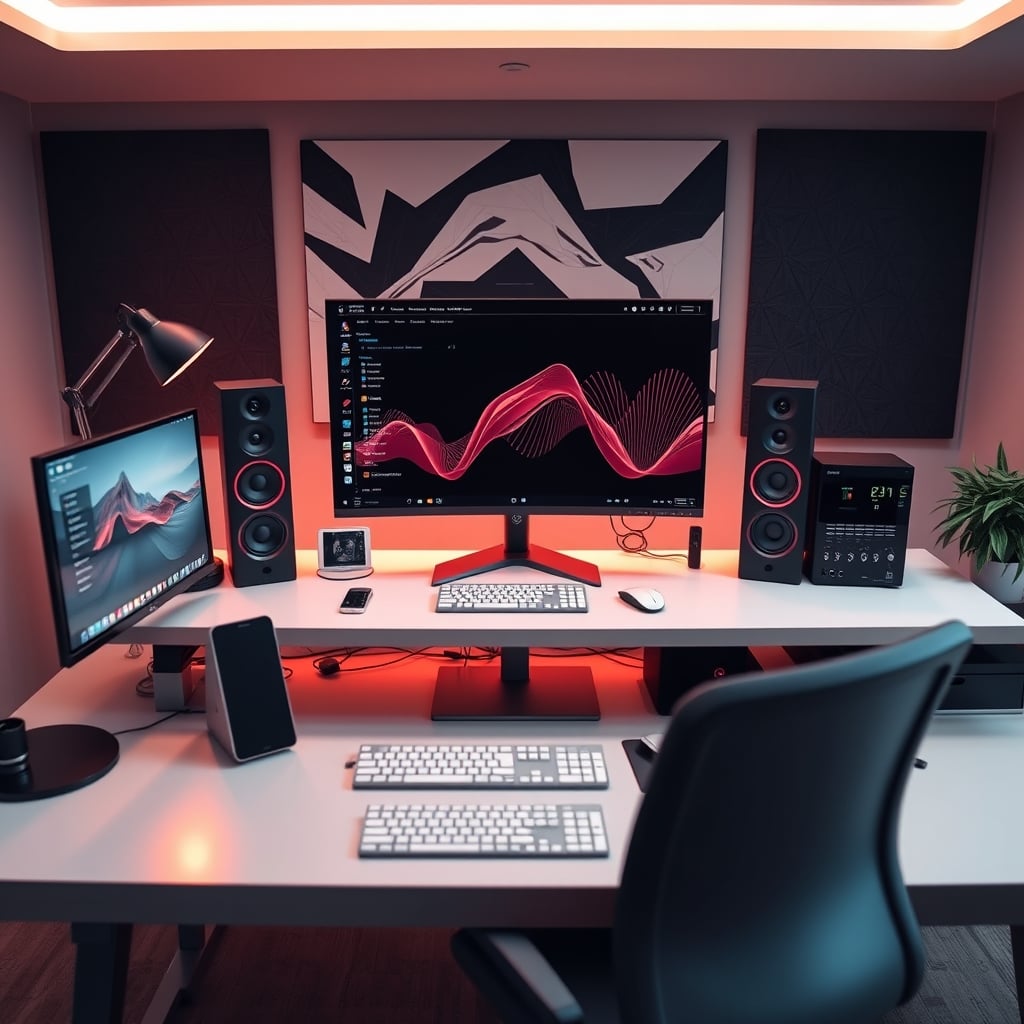
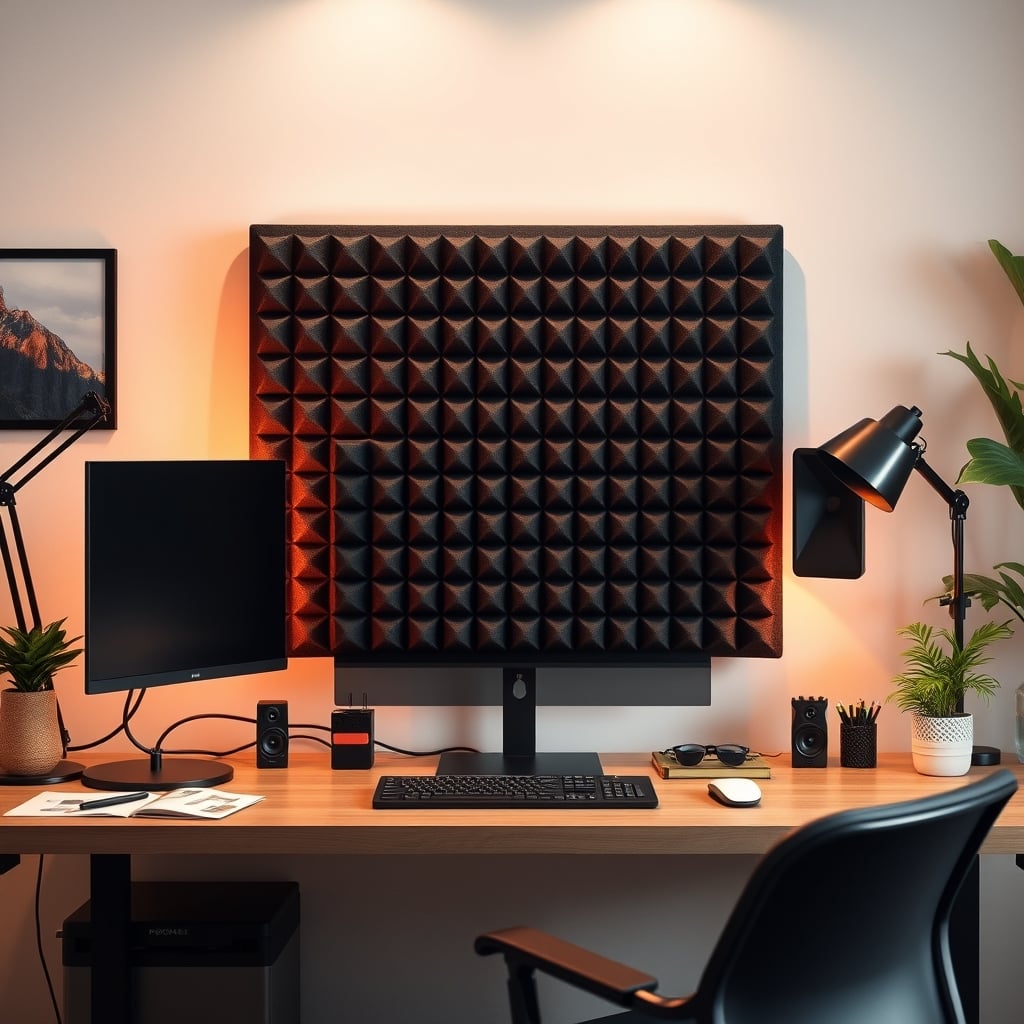
I spent hundreds of dollars making my office look like a podcast studio before I realized the truth. The entire aesthetic of acoustic wall treatment is built on a fundamental misunderstanding of physics, sold to you by companies banking on your desire to look professional. That’s the sound panel scam in a nutshell: selling decorative foam as acoustic treatment. It’s the tech desk equivalent of buying a racing stripe for your Honda Civic and expecting it to handle like a Ferrari.
Here’s the painful reality most setup tours won't show you: after slapping up those stylish, fabric-wrapped panels, the room didn't sound any better. My voice on calls was still slightly hollow, and the subtle reverb from my hard floors and empty walls persisted. The panels looked the part, creating that coveted "content creator" backdrop, but they failed the only test that mattered: they didn't solve the actual acoustic problems in the room. This isn't a minor nitpick; it's the core of the deception. The industry sells you a vibe and calls it a solution.
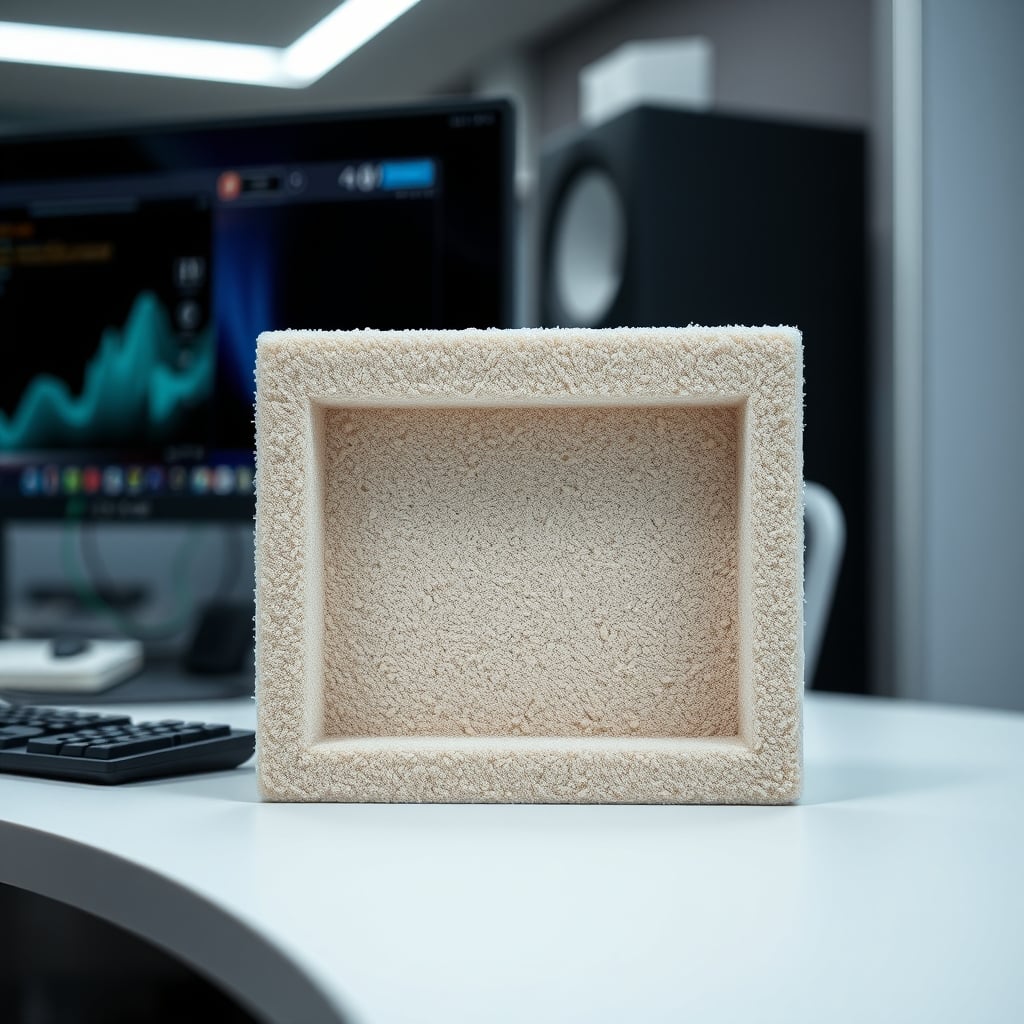
Most people get this completely wrong. They see a YouTuber’s wall, assume the panels are the secret to their crisp audio, and rush to buy the same pretty rectangles. The industry happily perpetuates this lie. But thin, 1-inch or 2-inch panels of acoustic foam, no matter how artfully arranged, are woefully inadequate for treating the frequency ranges that cause problems in typical small offices and bedrooms. They're bandaids on a bullet wound, and expensive, aesthetically-pleasing bandaids at that.
Why Your Acoustic Foam Panels Are Just Wall Candy
Let’s cut through the marketing. The foam panels you see in every "studio" setup photo are primarily absorbing high frequencies. The psst of sibilance, the crispness of a high-hat. The problem? Your room’s real acoustic issues—the boomy, muddy bass from your speakers, the hollow sound of your voice, the flutter echo between parallel walls—live in the low and mid frequencies. Thin foam does nothing to those. It’s like using a sieve to stop a flood.
Users who actually measure their room’s response before and after adding these popular panels consistently report a slight taming of the very top end, but the core issues remain untouched. The room still sounds like a room, just a slightly deader one. You’ve spent money to make your space worse at reflecting high-end detail, which can actually kill the natural ambiance and make speech feel less clear, without addressing the muddiness that makes mixing audio or having clear calls a nightmare. This is a classic case of solving the wrong problem with a pretty product.
The Sound Panel Scam: Absorption vs. Aesthetics
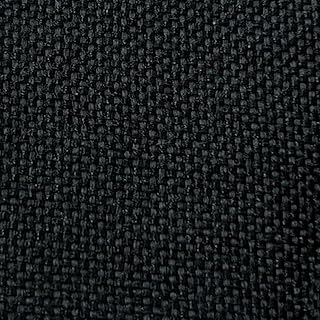
Building proper DIY acoustic panels that actually work.
- Guaranteed acoustic transparency for full frequency penetration
- Durable, stretchable fabric designed for wrapping rigid panels
- Variety of colors for a finished, professional look
This is the central lie that needs to die. Companies sell you on absorption but deliver decoration. An acoustically functional panel needs mass and depth to trap lower-frequency sound waves, which are long and physically powerful. A proper bass trap might be 4 to 8 inches thick and dense. Your 2-inch thick, fabric-wrapped panel from Amazon is not that. It’s a surface treatment.
When you see those sleek, minimalist panels in trendy setup photos, you’re almost certainly looking at an aesthetic choice first, and an acoustic one a distant second. They’ve become a visual shorthand for "I take my audio seriously," regardless of whether they’re doing any meaningful work. The scam is in the implication. They are sold with technical-sounding terms like "NRC rating" (Noise Reduction Coefficient), but what they don’t tell you is that a 0.8 NRC rating at 1kHz is useless if the panel has an NRC of 0.1 at 125Hz—the zone where your room’s worst resonances live. This is overrated, misleading, and a waste of your wall space and money.
What Actually Works: Treating Your Room, Not Decorating It
Forget the Instagram-ready foam patterns. If you want real acoustic improvement, you need to think like an engineer, not an interior designer. The goal is to break up parallel surfaces, dampen resonances, and manage bass buildup. This often leads to solutions that are less photogenic but infinitely more effective.
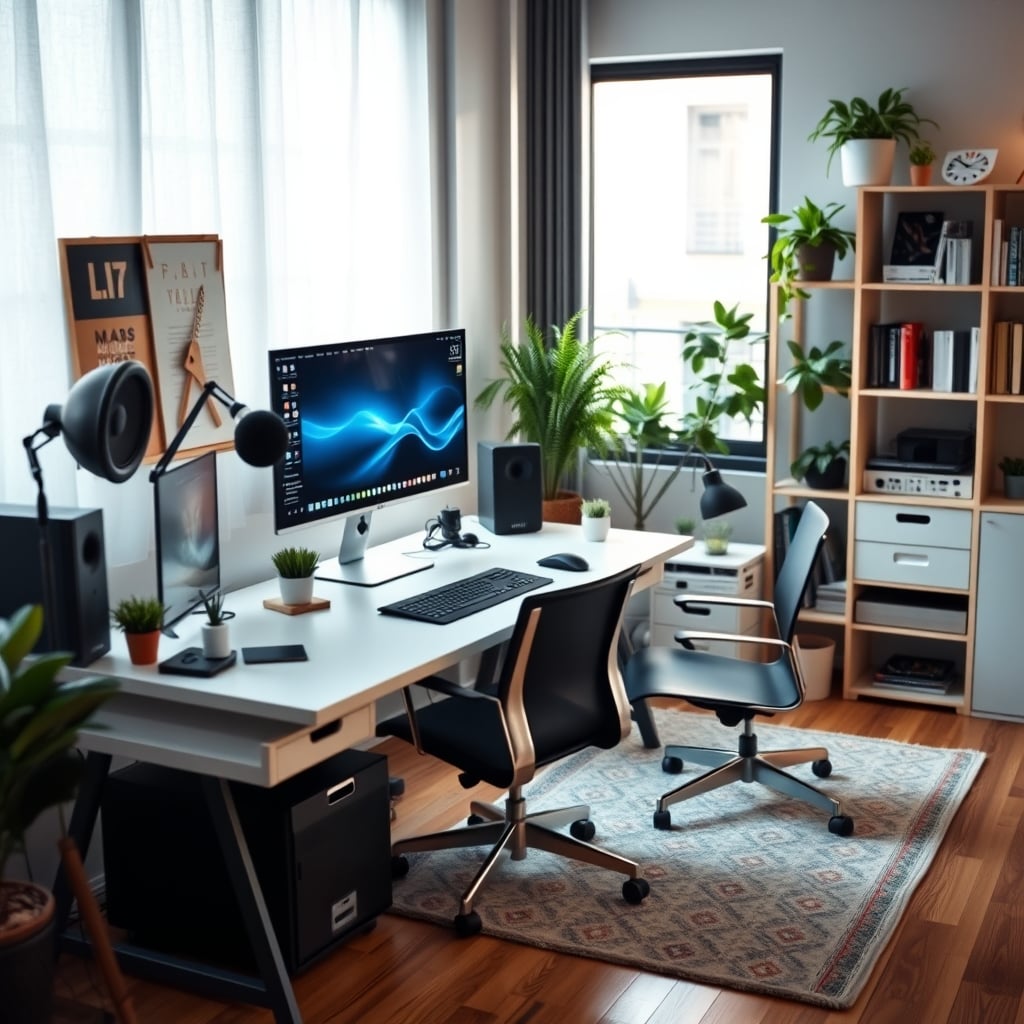
The single biggest upgrade for most small offices isn't a wall panel—it’s a thick rug. Hard floors are acoustic mirrors, reflecting sound wildly and creating a bright, echoey mess. A dense rug with a good pad underneath kills floor-ceiling reflections instantly. Next, look at your biggest, flattest wall (usually behind your monitors). A bookshelf filled with irregularly shaped books is a far better diffusor and absorber than a flat foam panel. It breaks up sound waves naturally and chaotically.
For bass, you need mass and corners. Real bass traps are bulky and go in the room corners, floor-to-ceiling. They’re not pretty, but they work. For a more advanced, effective, and yes, actually aesthetic solution, consider building or sourcing proper DIY acoustic panels with 4- or 6-inch thick mineral wool or rigid fiberglass cores, wrapped in acoustically transparent fabric. This is the path the pros actually take, as detailed in our deep dive on how to improve room sound with scientific precision. They look clean, but they work because the core material is designed for the job. Another effective and often overlooked strategy is to tackle soundproofing fundamentals first, which is explained in our guide on why soundproofing a room starts with understanding these core principles.
The Material Truth: Why Core Composition is Everything
This is where the rubber meets the road. That soft, spongy foam in cheap panels is fundamentally the wrong tool. You need dense, porous material that forces sound waves to lose energy through friction as they travel through a labyrinth of tiny passages. This is why rigid fiberglass (like Owens Corning 703) or rock/mineral wool are the standard for real treatment. They have the right flow resistivity.
That fluffy, colorful foam? It’s mostly blocking air movement at the surface, not guiding sound energy in to be dissipated. Wrapping a proper core in the right fabric is key. The fabric must be acoustically transparent—meaning sound passes through it with negligible loss. Common, cheap decorative fabrics can reflect high frequencies, undermining the panel's purpose. If you go the DIY route, a product like SoundAssured’s acoustical fabric is a known, tested option that gets this right. It’s a specific tool for a specific job, not just a pretty covering.
The Biggest Mistake: Ignoring Your Room's Geometry
You can have the best panels in the world, but if you place them wrong, they’re useless. The most common mistake is creating a symmetrical, aesthetically pleasing pattern on one wall and calling it a day. Acoustic problems are three-dimensional. You need to treat first reflection points—the spots on your side walls and ceiling where sound from your speakers bounces directly to your ears. Finding these points is simple (the mirror trick), but it rarely results in a Instagram-symmetrical layout.
Furthermore, putting all your treatment on the wall behind you does little for the sound at your listening position. It might help a microphone slightly, but it leaves the critical sound path from your speakers to your ears completely untreated. This misplacement is rampant because it looks good on camera. It prioritizes the viewer’s experience over the listener’s experience. It’s style over substance, and it’s the hallmark of someone who fell for the marketing.
The GlowRig Verdict: Skip the Pre-Made Panels, Build Smart
The entire market for thin, pre-made, decorative acoustic panels is largely a scam. They are overrated as acoustic tools and exist primarily as décor. You are wasting money if you buy them expecting a transformational change in your room's sound.
Worth it? Only if you buy them explicitly as wall art and accept their acoustic benefits as negligible. For any semblance of real performance, you must move past them.
What's actually good? Investing time or money into proper, thick absorbers built with correct core materials (mineral wool, rigid fiberglass) and placing them strategically at first reflection points and in corners. A thick rug, soft furnishings, and irregular surfaces (bookshelves) will do more for your room's acoustics than a thousand dollars of pretty foam ever will. Stop decorating your echo. Start treating your room.
Frequently Asked Questions
Are all acoustic wall panels a scam?
Not all, but the vast majority of thin, decorative foam panels sold for home offices are ineffective for their stated purpose. They absorb only very high frequencies, leaving the problematic low and mid-range frequencies untouched. They are sold as acoustic solutions but function primarily as aesthetic decor.
What's the difference between soundproofing and acoustic treatment?
This is a critical distinction the industry blurs. Soundproofing (blocking sound from entering/leaving a room) requires mass, density, and decoupling—think heavy walls, special doors, floated floors. Acoustic treatment (improving sound *within* a room) uses absorption and diffusion to control reflections. Foam panels claim to be for treatment but are too insubstantial to do it well.
What is the cheapest way to actually improve room acoustics?
Start with soft furnishings: a thick, large rug, heavy curtains, and upholstered furniture. Fill a bookshelf with books of varying sizes to act as a natural diffusor. For targeted treatment, DIY panels using 4-inch thick rockwool or rigid fiberglass wrapped in acoustically transparent fabric are vastly more effective than any pre-made thin foam panel.
Where should I place acoustic panels for them to actually work?
For listening accuracy, the priority is the 'first reflection points' on your side walls and ceiling between you and your speakers. Use the mirror trick: have a friend slide a mirror along the wall; when you can see your speaker from your seated position, that's a first reflection point. Corners are also critical for bass traps. Symmetry for aesthetics is the enemy of proper acoustic placement.
Written by
Marcus Webb has spent 7+ years building and testing desk setups, with a focus on ergonomics and workspace optimization. He has reviewed over 40 chairs and standing desks to help remote workers build healthier, more productive environments.
2 Comments
Share your thoughts with the community
I've seen a lot of conflicting opinions on sound panel ugly — this breaks it down better than most.
Worth noting that sound panel ugly varies quite a bit depending on how you use your workspace — good to see that acknowledged here.
Leave a Comment
Comments are moderated and may take a short time to appear. Links are not permitted.